‘Flying dinosaurs’: America’s B-52 vs Russia’s Tu-95 weapons, nuclear load and strike range compared

The B-52 has been in service since 1955, while the Tu-95 entered service in 1956. Both are two of the world’s oldest active bombers.
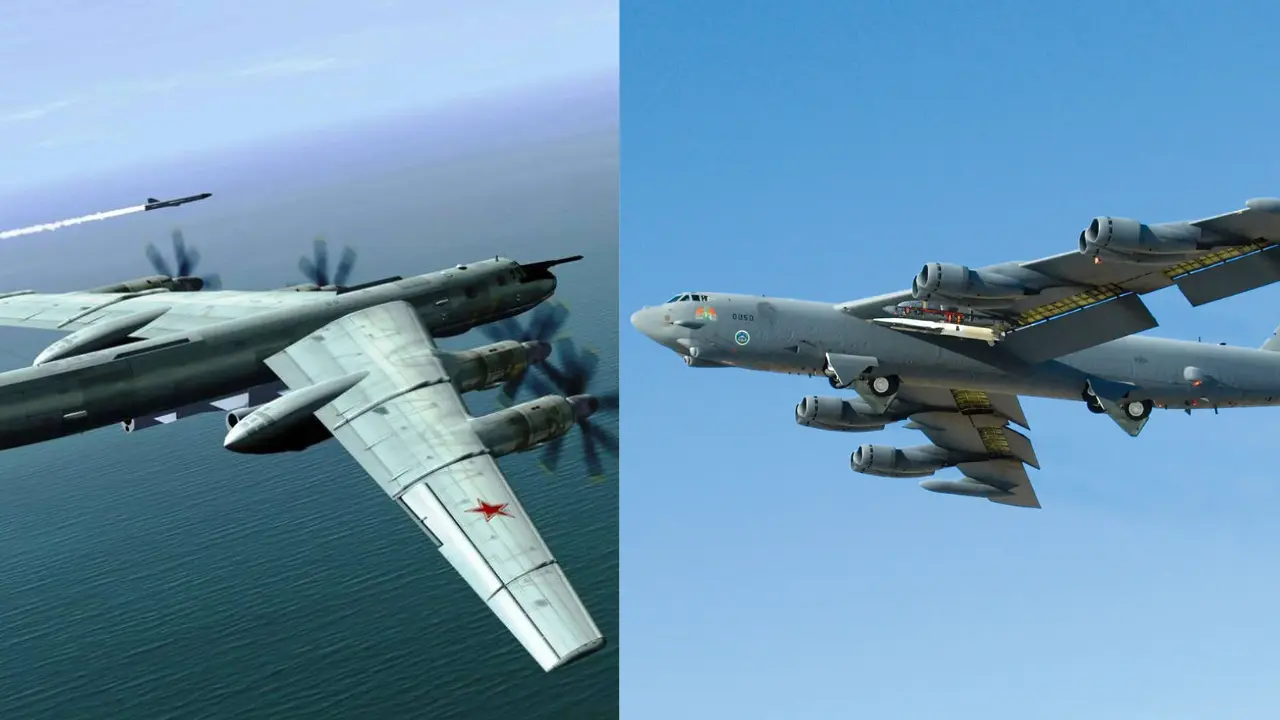
Over 60 Years Operational
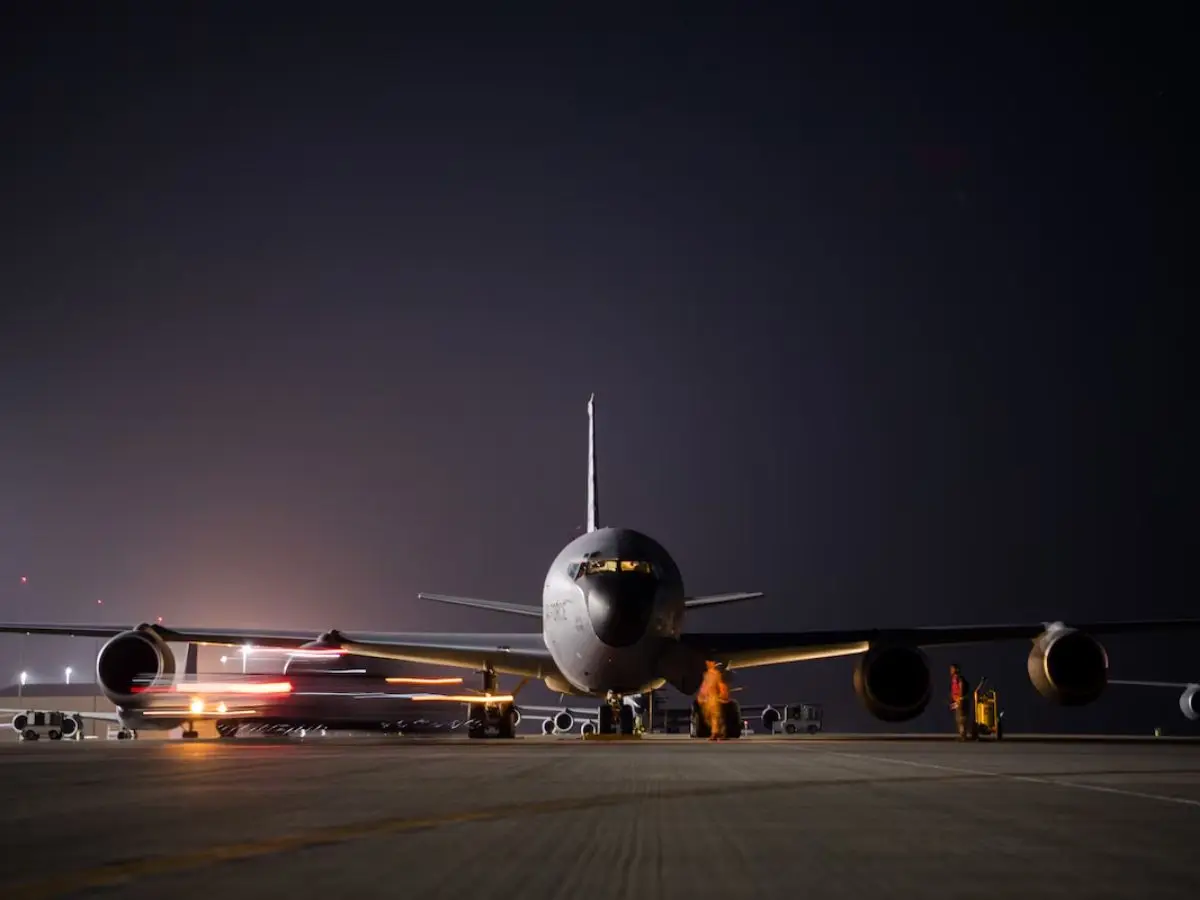
The Boeing B-52 Stratofortress first flew in 1952 entering service in 1955 remaining operational after 70 years of continuous service representing longest-serving aircraft platform in military aviation history. Russia's Tupolev Tu-95 Bear first flew in 1952 entering Soviet Air Force service in 1956 expected to serve until 2040 representing unmatched operational longevity. Both aircraft represent Cold War icons still dominating strategic bombing forces today despite introduction of newer technology platforms.
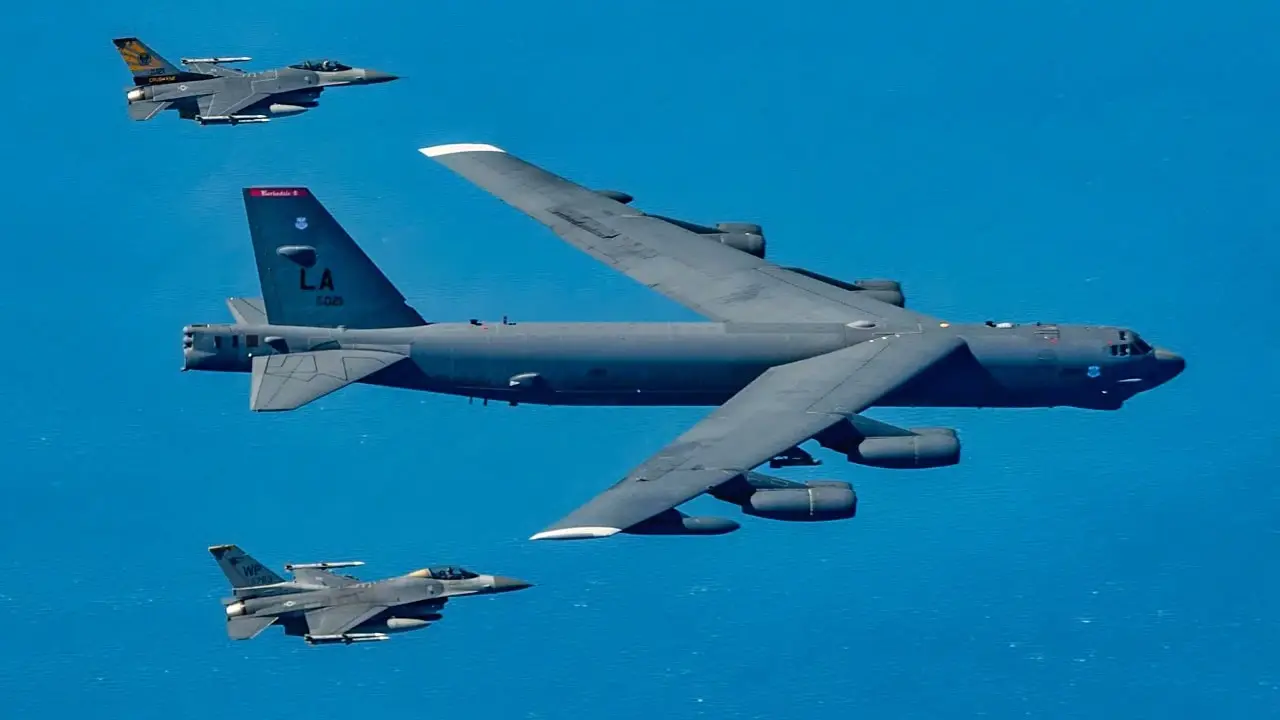
Engine Configuration - Eight Turbojets vs Four Turboprops
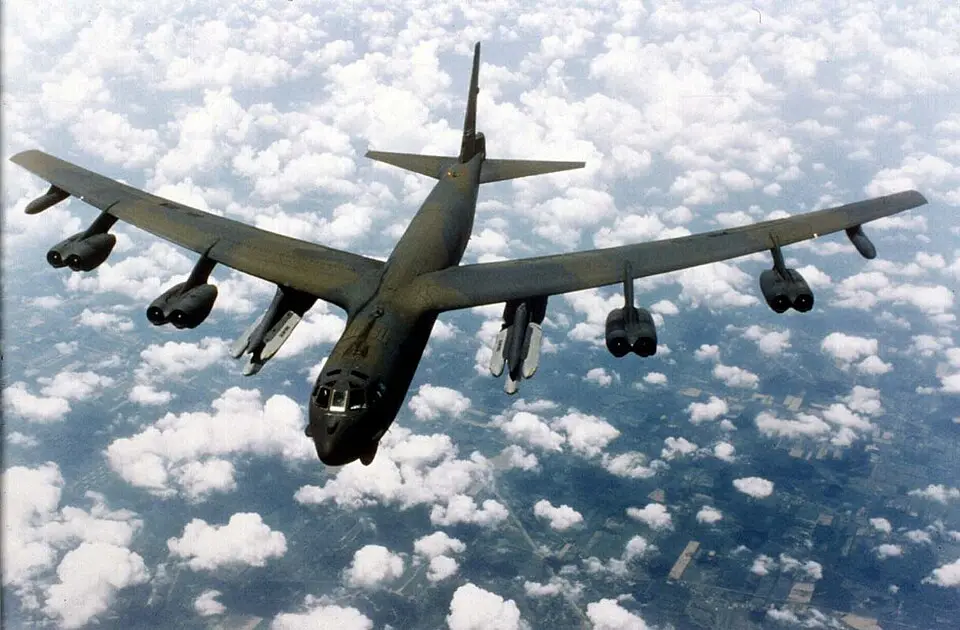
B-52 Stratofortress powered by eight Pratt Whitney TF33 turbofan engines generating combined thrust of 136,000 pounds enabling Mach 0.86 cruise speed at 509 miles per hour. Tu-95 Bear powered by four Kuznetsov turboprop engines generating combined thrust of 60,000 pounds enabling cruise speed of 441 miles per hour maximum speed of 575 miles per hour. Turboprop configuration enables Tu-95 to maintain 500-plus-miles-per-hour speeds making it fastest propeller-driven aircraft in service worldwide.
Range Comparison - B-52 Superior Global Reach Advantage
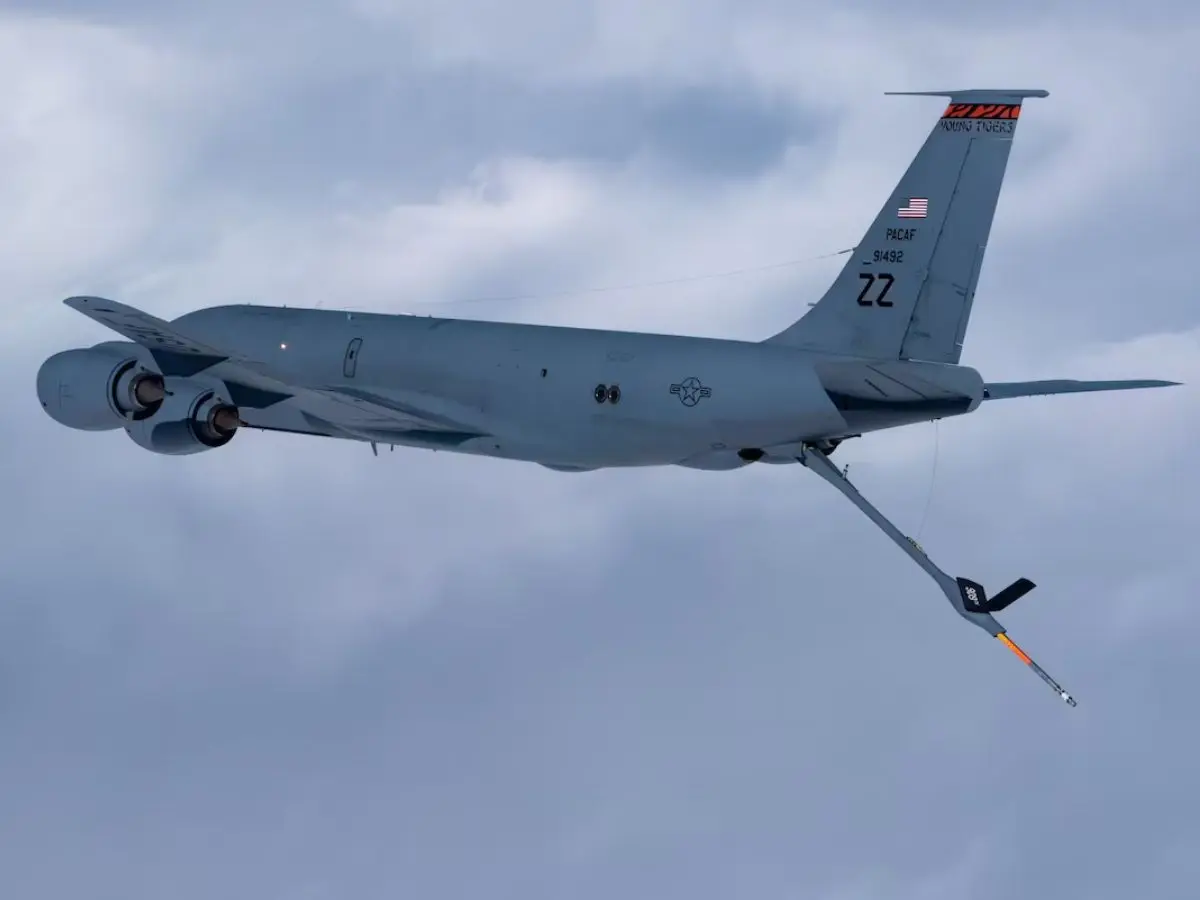
B-52H achieves maximum combat radius of 8,800 miles 14,080 kilometres unrefueled enabling transcontinental strike capability without refuelling support. Tu-95 achieves combat radius of 3,977 miles 6,400 kilometres forcing reliance upon aerial refuelling for extended-range operations. B-52 ferry range reaches 10,145 miles whilst Tu-95 maximum range reaches 9,300 miles demonstrating B-52 operational flexibility across global distances.
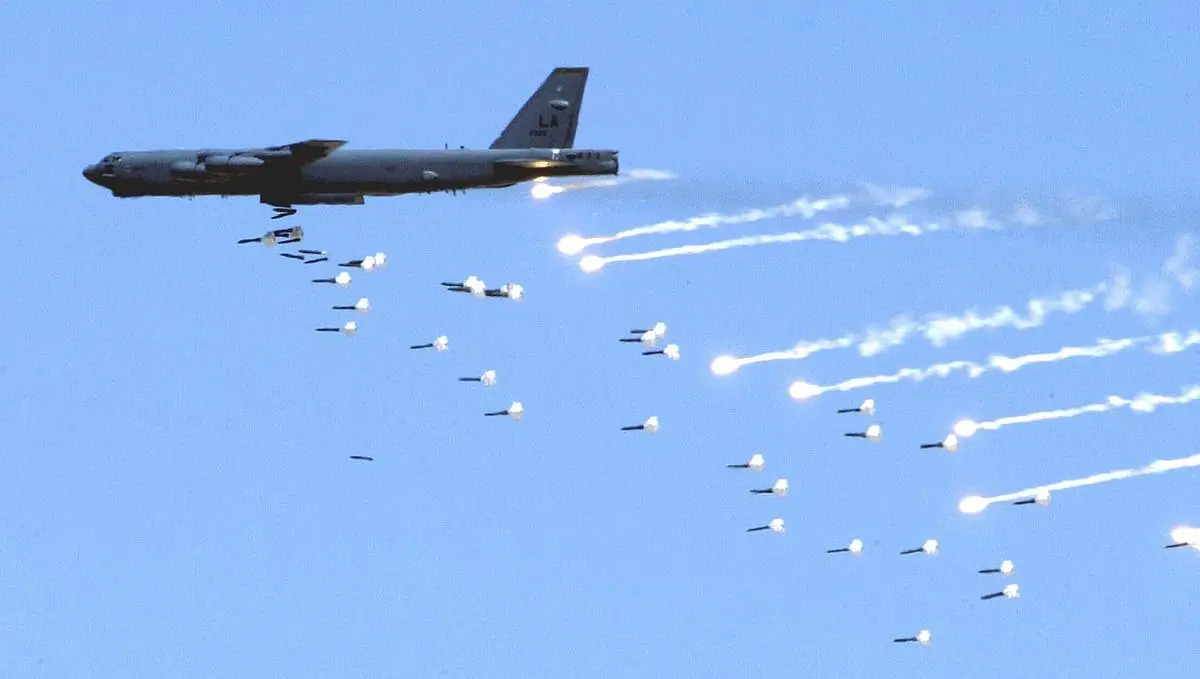
Payload Capacity
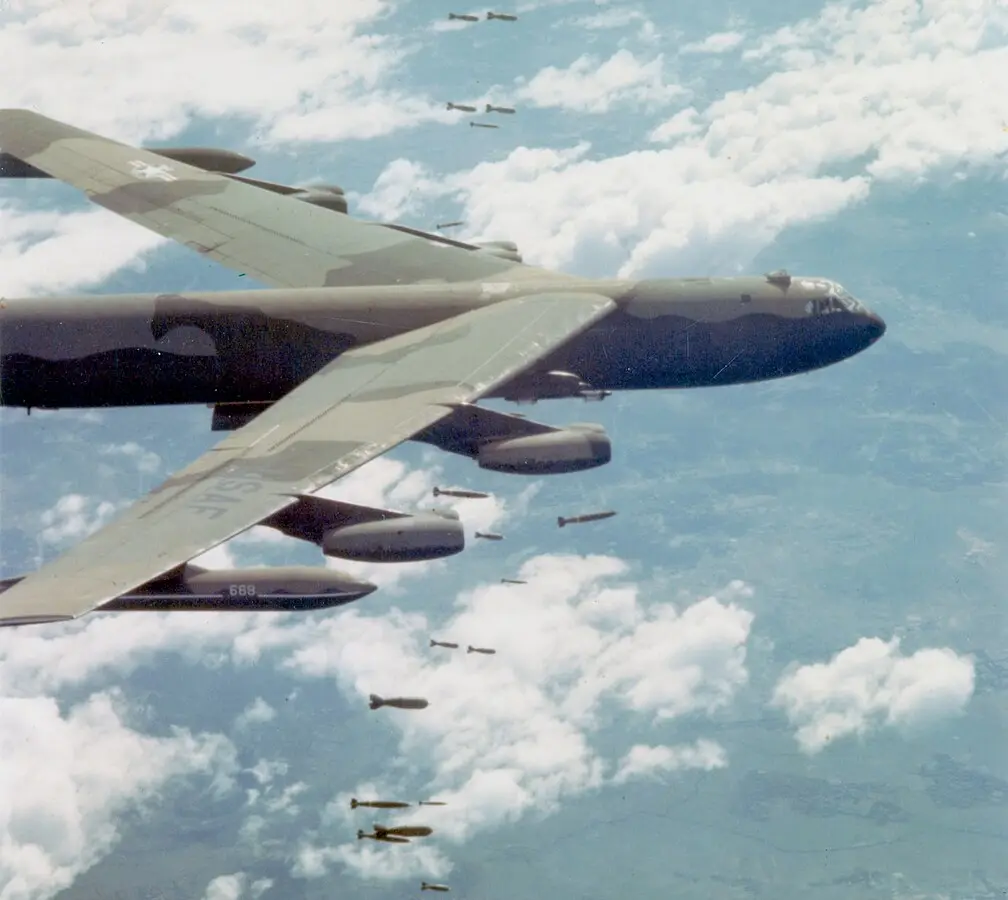
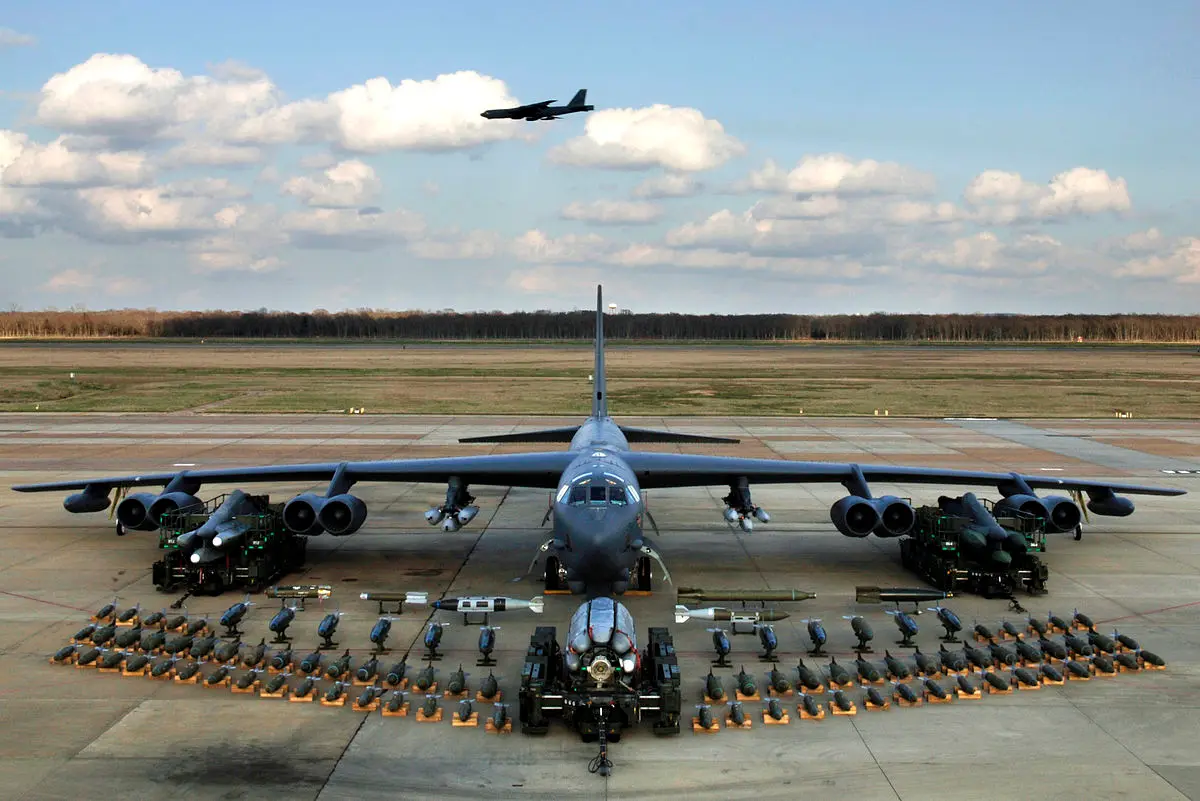
B-52 carries maximum payload of 70,000 pounds distributed across internal weapons bays and external hardpoints providing flexibility for mixed ordnance configurations. Tu-95 carries maximum payload of 33,000 to 40,000 pounds representing roughly 50-percent less capacity limiting weapons flexibility. B-52 payload advantage enables simultaneous employment of multiple weapon systems during single mission.
Nuclear Weapons
B-52H carries 20 AGM-86B air-launched cruise missiles armed with 200-kiloton W80-1 thermonuclear warheads achieving 2,500-kilometre strike range from stand-off distances enabling crew survival. Alternative configuration carries 12 AGM-86B missiles reducing sortie total. Cruise missile employment enables B-52 to strike targets whilst remaining outside enemy air defence engagement zones.
Russian Nuclear Cruise Missiles
Tu-95 carries six Raduga Kh-55 family cruise missiles armed with 200-kiloton nuclear warheads achieving 3,000-kilometre range from internal weapons bay. Kh-101 variant provides 5,000 to 5,500-kilometre range enabling extended-range penetration strikes. Kh-102 nuclear variant provides identical range enabling strategic deterrence from protected stand-off distances.
Conventional Weapons
B-52 carries precision-guided munitions including JASSM cruise missiles, JSOW standoff munitions, Harpoon anti-ship missiles, and gravity-dropped ordnance enabling diverse conventional mission sets. Modern upgrades enable GPS and INS-guided conventional weapons employment demonstrating shift from purely nuclear deterrence toward conventional operations.
Defensive Armament
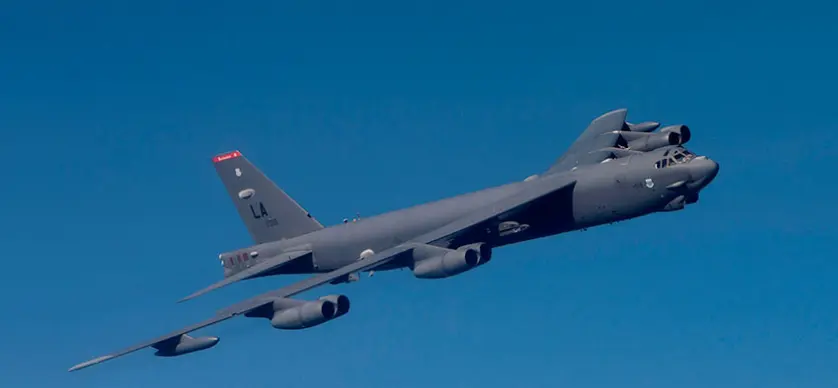
B-52H originally equipped with remote-controlled 20-millimetre M61 Vulcan cannon removed in 1991 from operational aircraft shifting to electronic warfare avoidance. Tu-95 retains twin 23-millimetre AM-23 cannons in radar-controlled tail turret providing defensive firepower against pursuing fighters. Modern electronic warfare systems provide primary defence mechanism for both platforms.
Service Life Extension
Planned B-52J modernisation with Rolls-Royce F130 engines extends operational service through 2050 representing 95-year service-life from original 1955 introduction. Tu-95 planned modernisation extends service through 2040 representing 84-year operational lifespan. Both aircraft undergo continuous upgrade programmes sustaining relevance in modern threat environment.
Future Strategic Role
B-52 and Tu-95 represent cornerstone of respective strategic deterrence postures providing visible continuous patrol capability and assured second-strike retaliation force.
)
)
)
)
)