'First China, now Korea': AI Summit turns into a disaster as university caught faking ‘in-house’ drone soccer after robodog fiasco

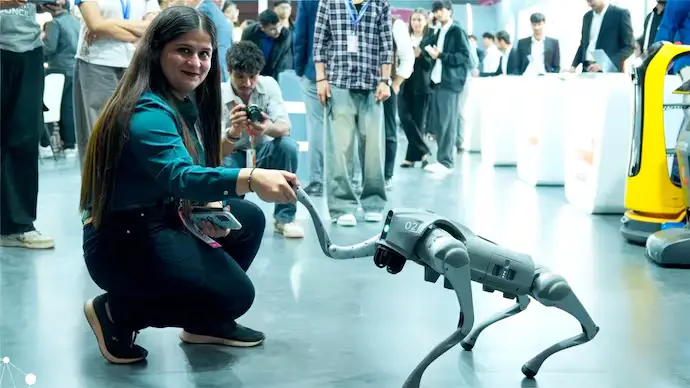
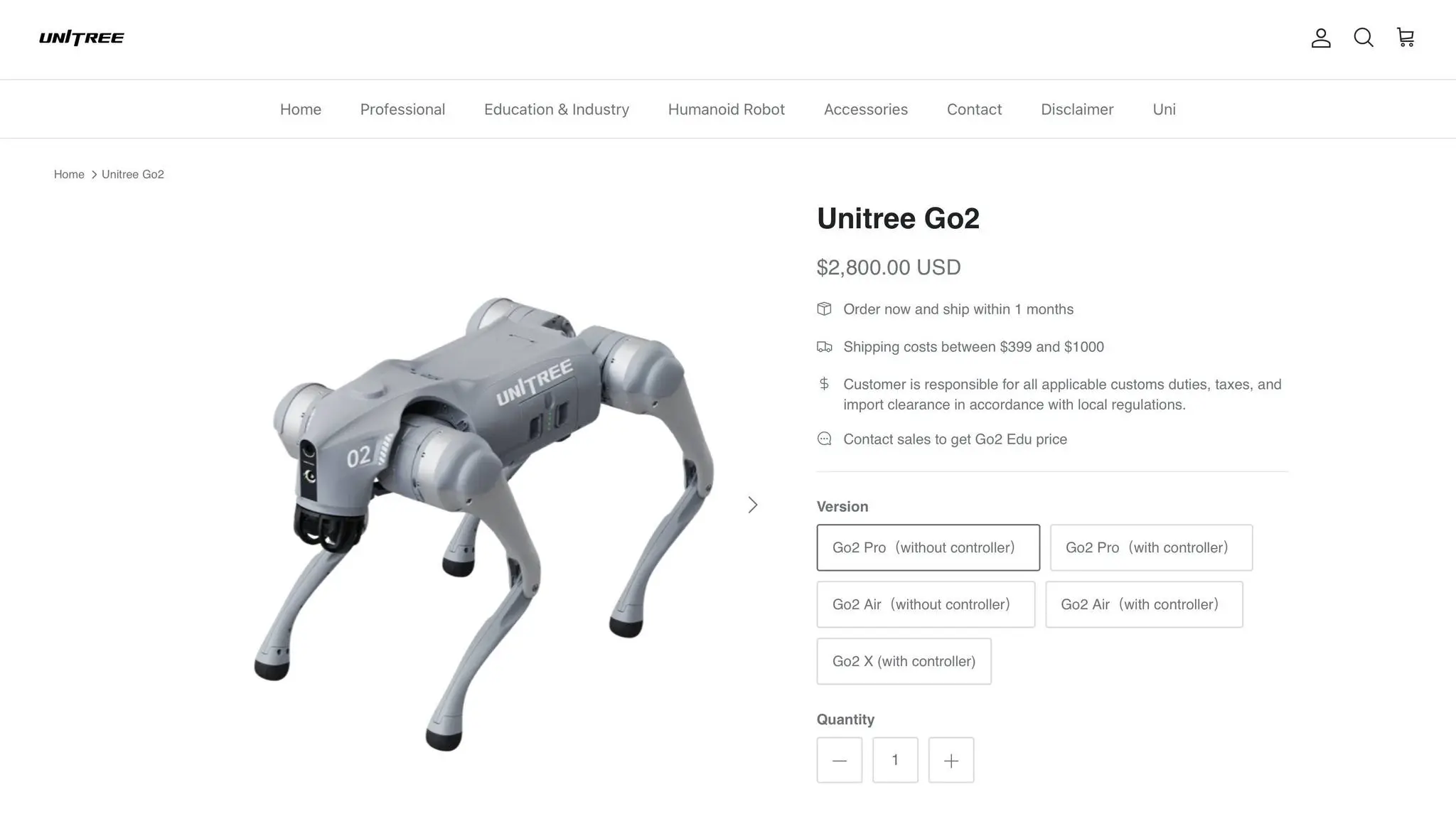
This incident mirrors the earlier "Orion" robodog scandal that broke just days prior. in that case, the university displayed a Unitree Go2 robot (a Chinese product worth roughly Rs 2.3 lakh) and claimed it was developed under a Rs 350 crore AI initiative.
1. Double Trouble: From Robodogs to Soccer Drones
Just as Galgotias University was reeling from the backlash over passing off a Chinese robodog as its own creation, a fresh controversy erupted at the India AI Impact Summit. This time, the scrutiny centers on a "soccer drone" displayed at their pavilion. The university, already facing skepticism for its previous claims, found itself in the spotlight again as hawk-eyed observers questioned the origins of yet another device presented as an indigenous innovation, suggesting a pattern of rebranding commercial foreign technology.

2. The "End-to-End Engineering" Claim
At the heart of this new row is a viral video featuring Professor Neha Singh, the same faculty member involved in the robodog incident. In the clip, she confidently asserts to a reporter that the soccer drone underwent "end-to-end engineering" right on the university campus. She further claimed that Galgotias had developed India's first "drone soccer arena," describing the device not just as a piece of hardware but as part of a comprehensive simulation and application ecosystem developed by their students and faculty.
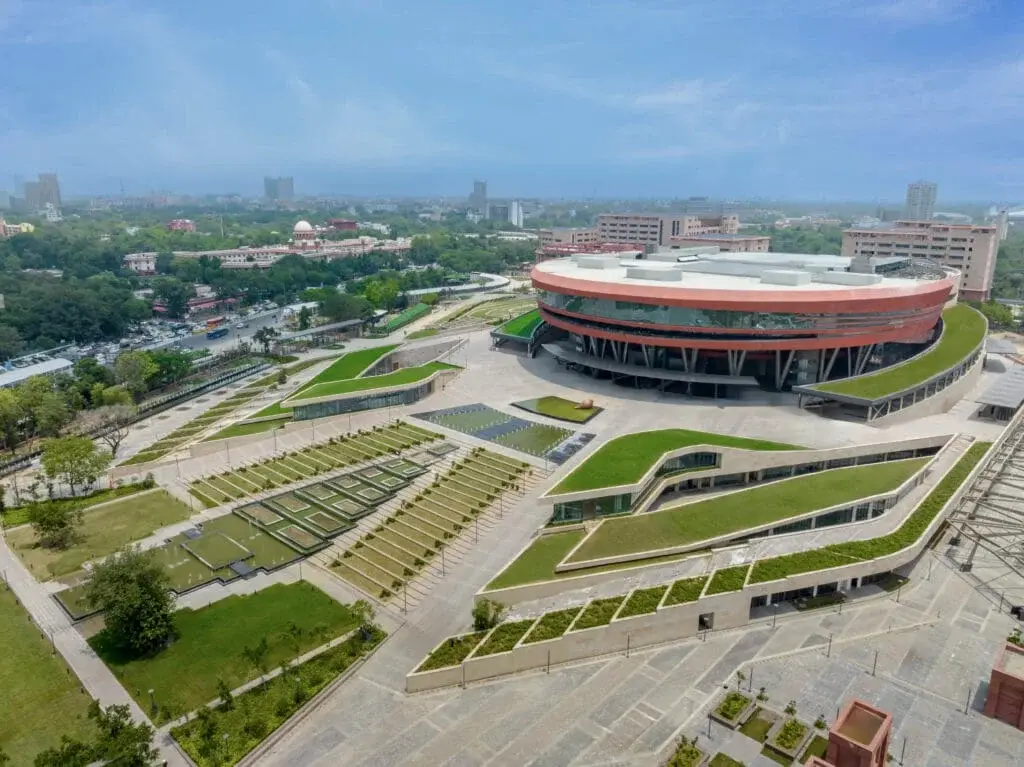
3. Unveiled: The South Korean Connection
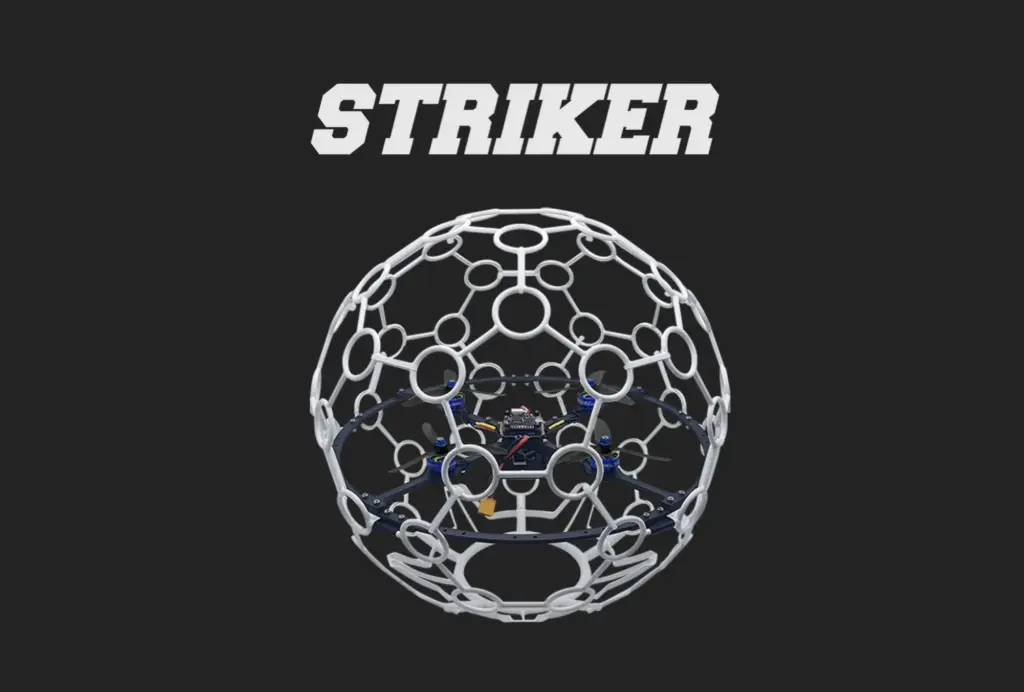
Despite the professor's convincing delivery, social media users and tech enthusiasts quickly dismantled the claim. The device was identified as a commercially available product from South Korea’s Helsel Group, specifically resembling the Striker V3 ARF professional drone soccer set. Contrary to the university's narrative of building it from scratch, the drone is sold online for approximately $453 (around Rs 40,800), casting immediate doubt on the "in-house development" story.

4. Understanding the Tech: What is Drone Soccer?
The device in question is a quadcopter enclosed in a protective spherical cage, designed specifically for “drone soccer”, a fast-paced indoor team sport recognised by the World Air Sports Federation. In this game, teams of players navigate their drones through suspended hoops to score points, similar to basketball. Helsel, the Korean manufacturer, claims to have pioneered this sport in 2015, launching it commercially in 2017. The university's presentation appeared to take this established global sport and product and repackage it as a novel campus invention.
5. "Atmanir-buy": The Political Fallout
The controversy quickly took a political turn, with the Indian Youth Congress seizing the opportunity to criticize the ruling government's "Atmanirbhar Bharat" (Self-Reliant India) initiative. In a stinging tweet, they labeled the university's actions as a “world tour of 'borrowed' innovation”, first China, now Korea. Mocking the situation, they coined the phrase "Atmanir-buy," questioning whether the push for self-reliance was merely a cover for purchasing and rebranding foreign goods.
6. A Recurring Pattern of Misrepresentation
This incident mirrors the earlier "Orion" robodog scandal that broke just days prior. in that case, the university displayed a Unitree Go2 robot (a Chinese product worth roughly Rs 2.3 lakh) and claimed it was developed under a Rs 350 crore AI initiative. In both instances, the same faculty member was seen on camera making explicit claims of development, only for the university to later issue denials or face debunking by internet sleuths. The repetition of this behavior suggests a systemic issue rather than a one-off error.
7. The Ultimate Consequence: Eviction
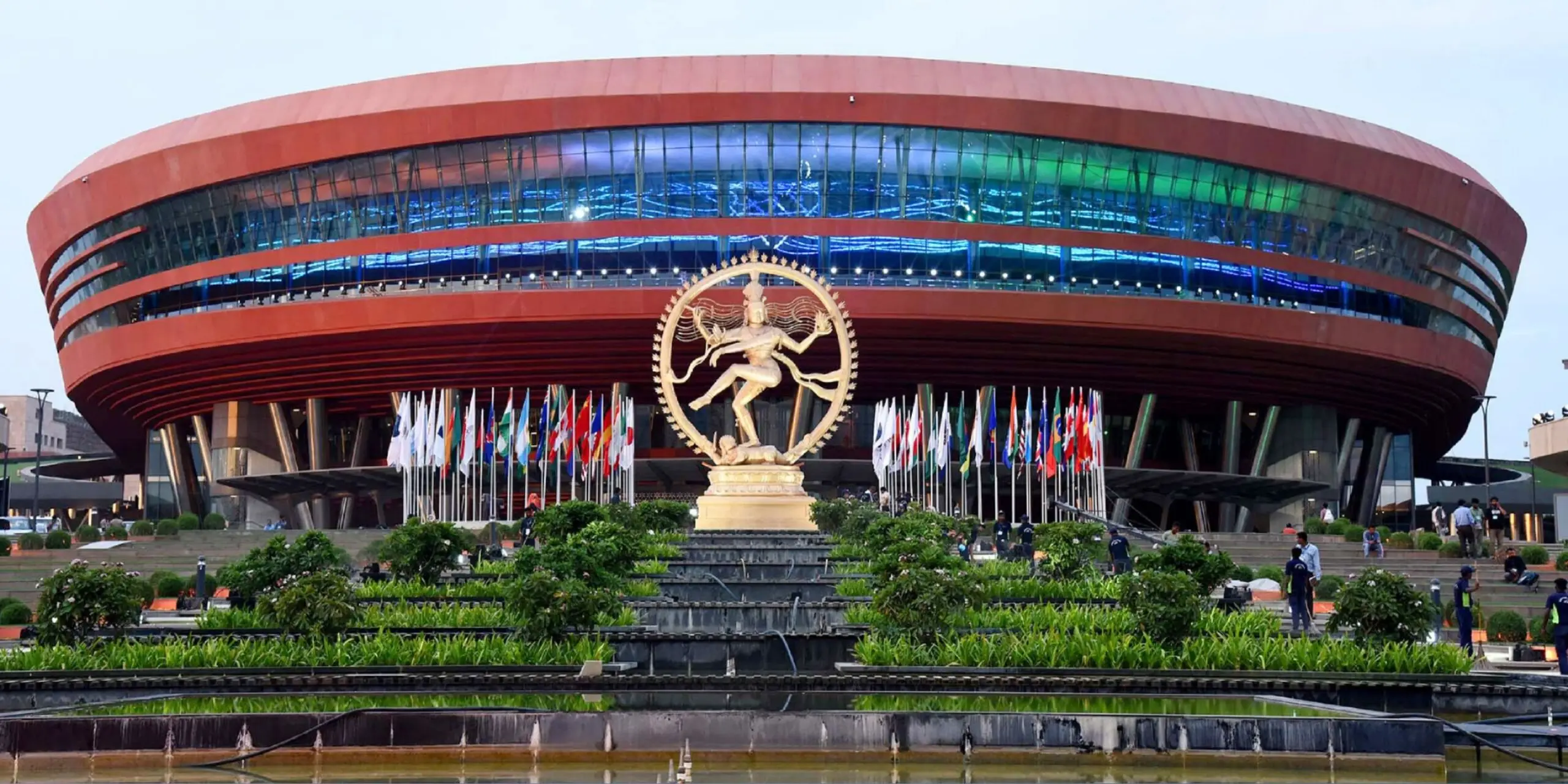
The cumulative effect of these controversies was swift and severe. Following the government's intervention, Galgotias University was ordered to vacate its stall at the AI Summit Expo. By Wednesday afternoon, what was meant to be a showcase of academic excellence had been emptied out, leaving behind only an empty pavilion and a tarnished reputation. The eviction served as a public reprimand for the attempt to mislead the attendees of a high-profile national event.
)
)
)
)
)