Fighter jet maintenance secrets: How much does it really cost?

Modern fighter jet maintenance can cost tens of thousands of dollars per flight hour and hundreds of millions over each jet’s lifespan. Stealth, sensors, and upgrades drive budgets higher every year.
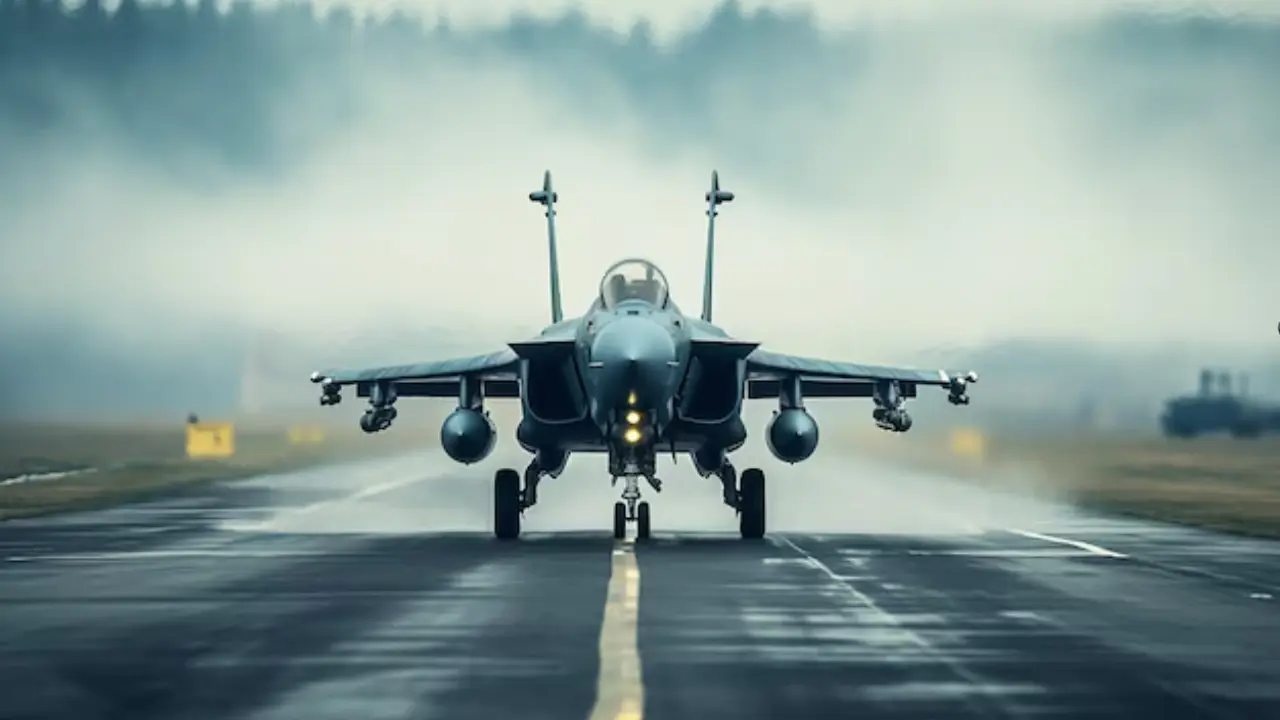
Fighter Jet Maintenance
Every fighter jet needs regular care from fuel to parts and software updates to stay ready for missions. Maintenance covers checks, repairs, upgrades, and logistics. Defence budgets say up to 60 per cent of a jet's lifetime cost goes into maintenance and support, not just the purchase price.
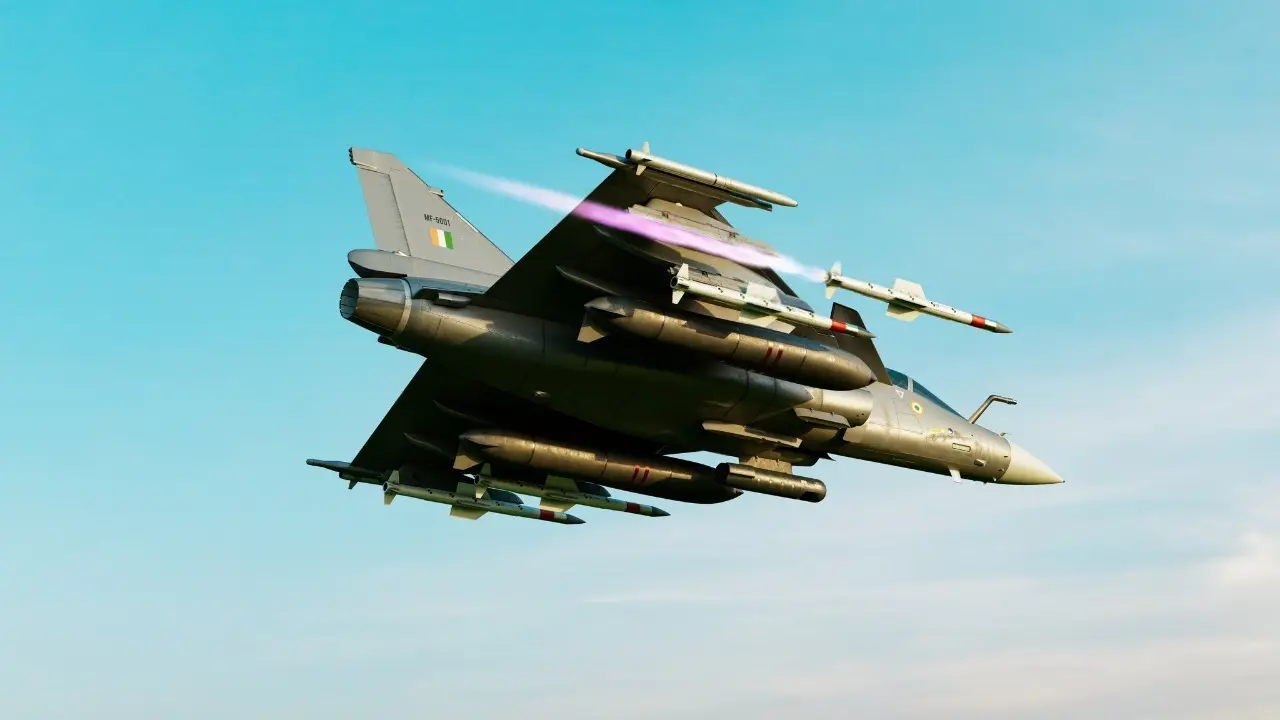
How Is The Cost Calculated?
The true cost includes flight hours, spare parts, fuel, ground crew, infrastructure, and software. For fifth-generation jets like the F-35, the cost is even higher due to stealth coatings and high-tech sensors. This can mean up to $44,000 per flight hour for the F-35, and $16,500 per hour for a Rafale.
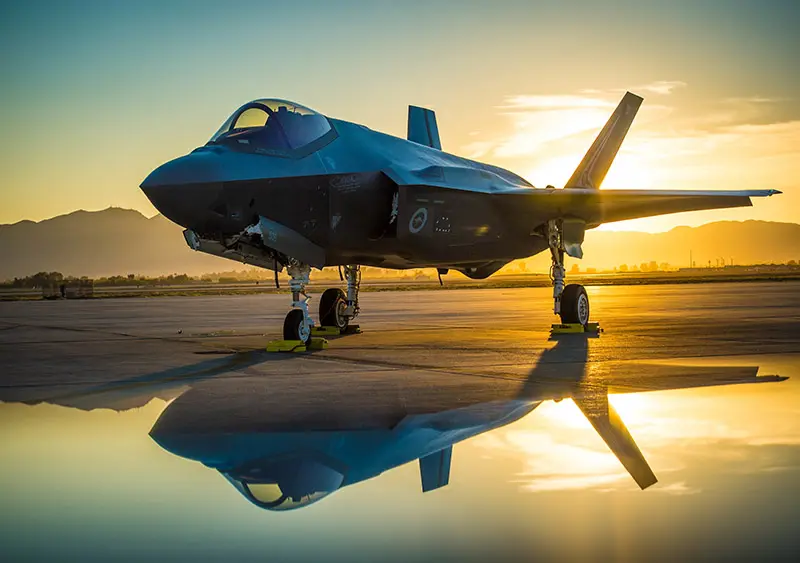
Examples F-35 Lightning II & Rafale F4
In 2025, operating one F-35 costs about $30,000 per flight hour on average. Maintenance alone accounts for 65 per cent of operating costs, linked to complex upkeep and updates. The Rafale is much lower, averaging $16,500 per hour due to simpler systems and reliability.
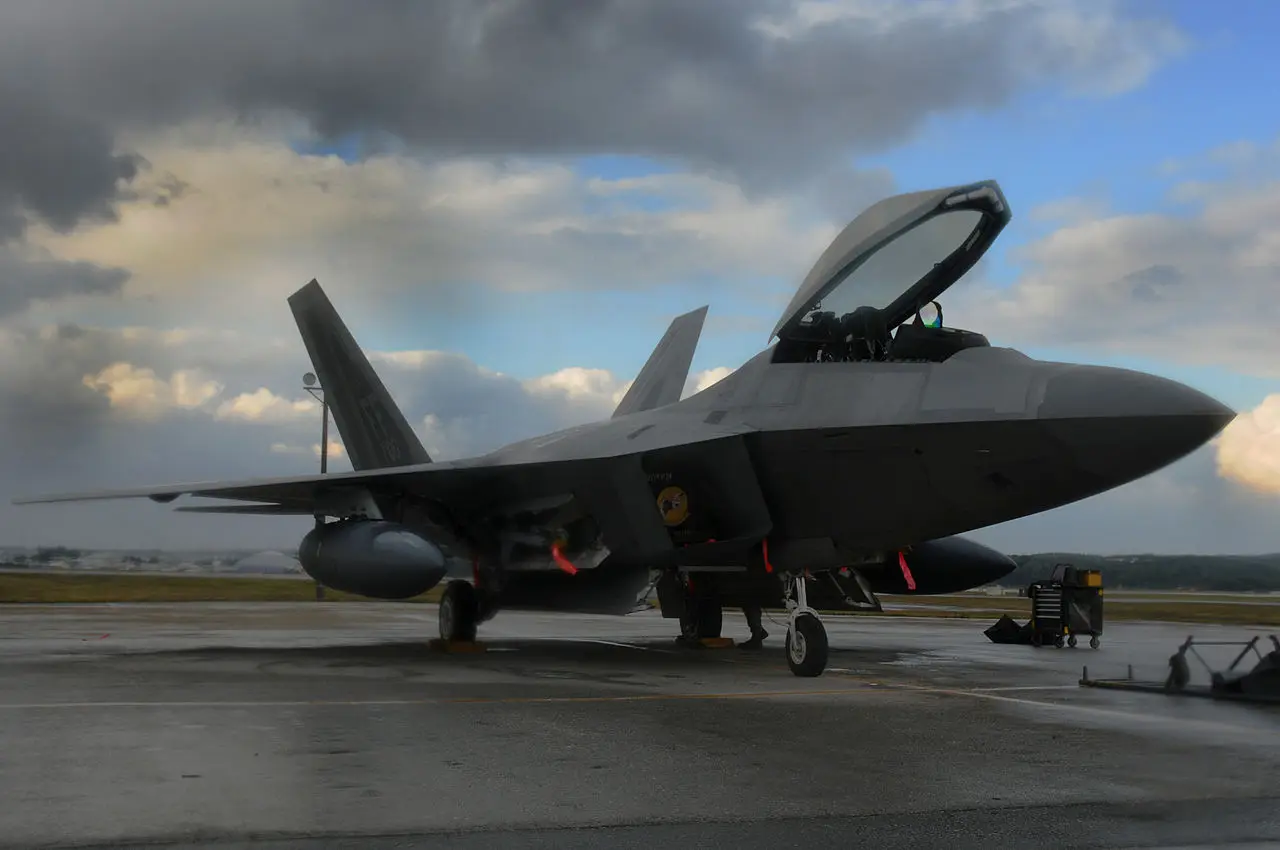
What Drives Costs Higher?
Costs rise with more advanced technology such as stealth, intelligence sensors, and complex software systems. Spare parts, engine repairs, and skilled ground crew add to the bill. Age, mission type, and air force practices mean no two jets cost the same to maintain over time.
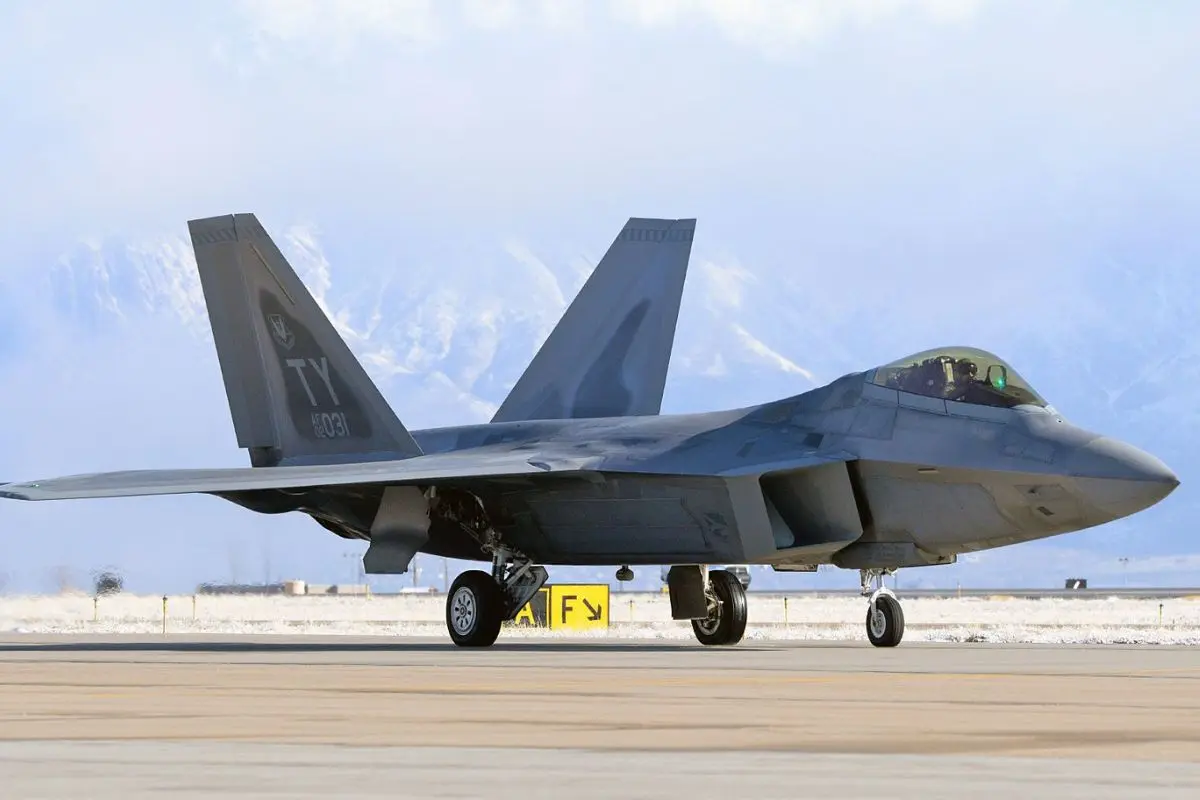
Life Cycle: The 40-Year Bill
Over 40 years of service, the bill becomes huge. For 110 F-35s: acquisition $12.1bn, operating $33bn, maintenance $21.45bn, upgrades $13.61bn total $80bn. For 110 Rafale F4s: acquisition $14.3bn, operating $18.15bn, maintenance $9.98bn, upgrades $6.28bn total $49bn. Most jets cost between $200 million and $450 million each across their whole lifetime.
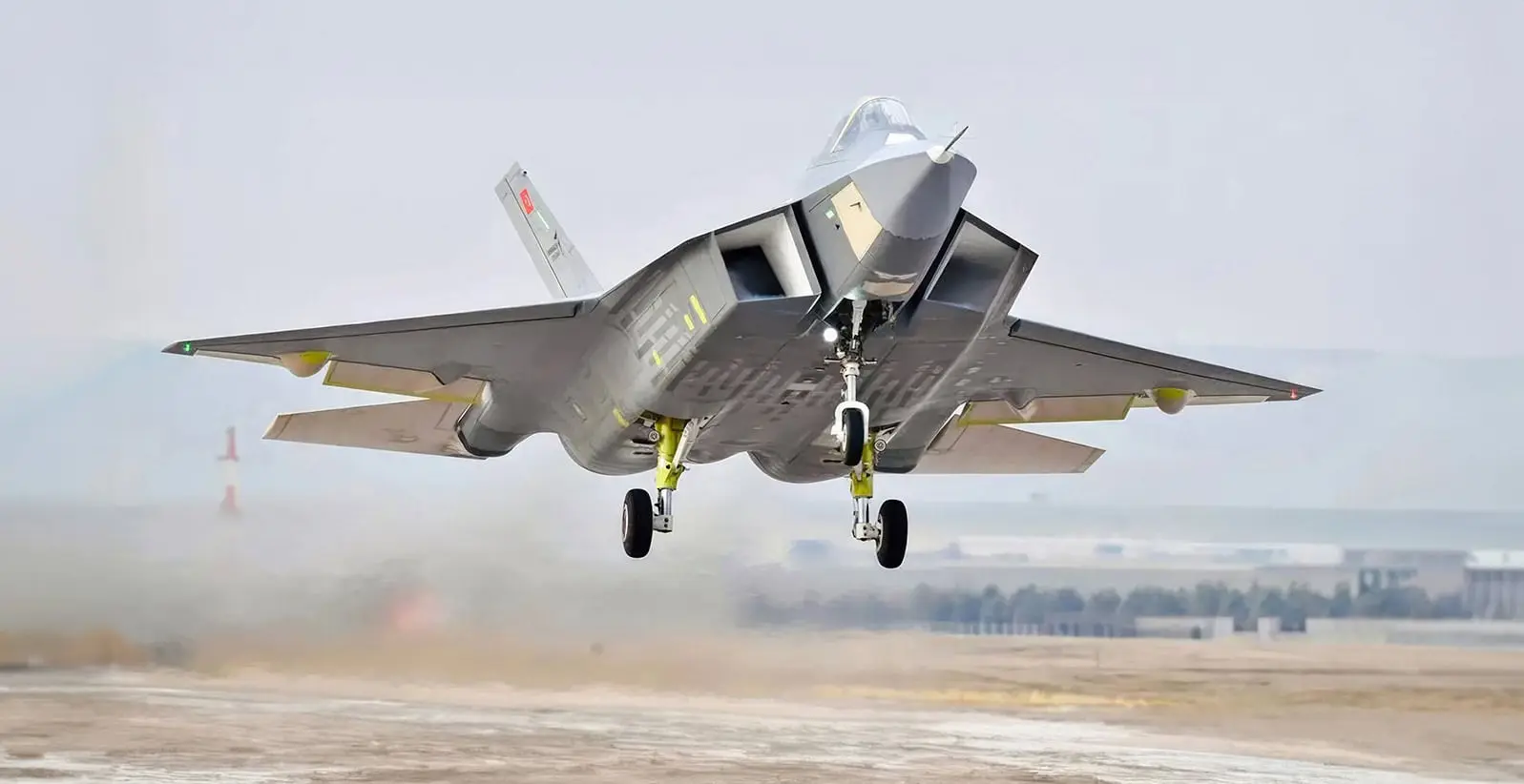
Smart Maintenance
Data-driven maintenance and predictive checks help air forces save money. Using sensors to spot problems early reduces breakdowns. Still, as jets become more complex, costs tend to rise. Experts expect maintenance budgets to keep growing, especially with new drones and stealth aircraft.
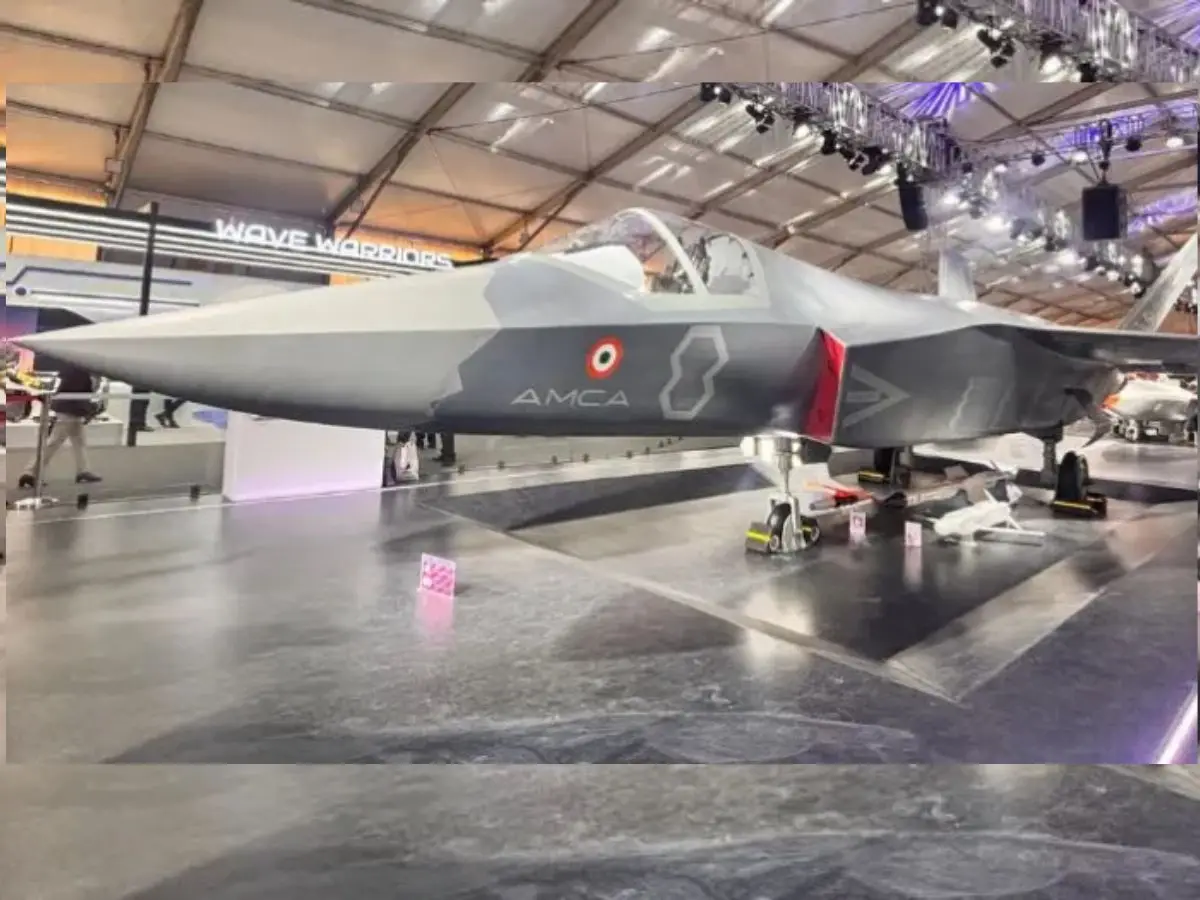
What Does The Future Hold?
With technology advancing, air forces face higher bills for training, software, spare parts, and support. While better systems save time and improve safety, costs remain a big challenge. Careful planning and smart upgrades are the key to keeping jets combat-ready without overspending.
)
)
)
)
)