'Fighter jet fuel isn’t like car fuel': What ‘JP-8’ actually is and why it matters

JP-8 costs more than civilian jet fuel due to its specially formulated additives and stricter production standards. It also requires careful storage because its anti-icing and anti-corrosion additives degrade faster over time.
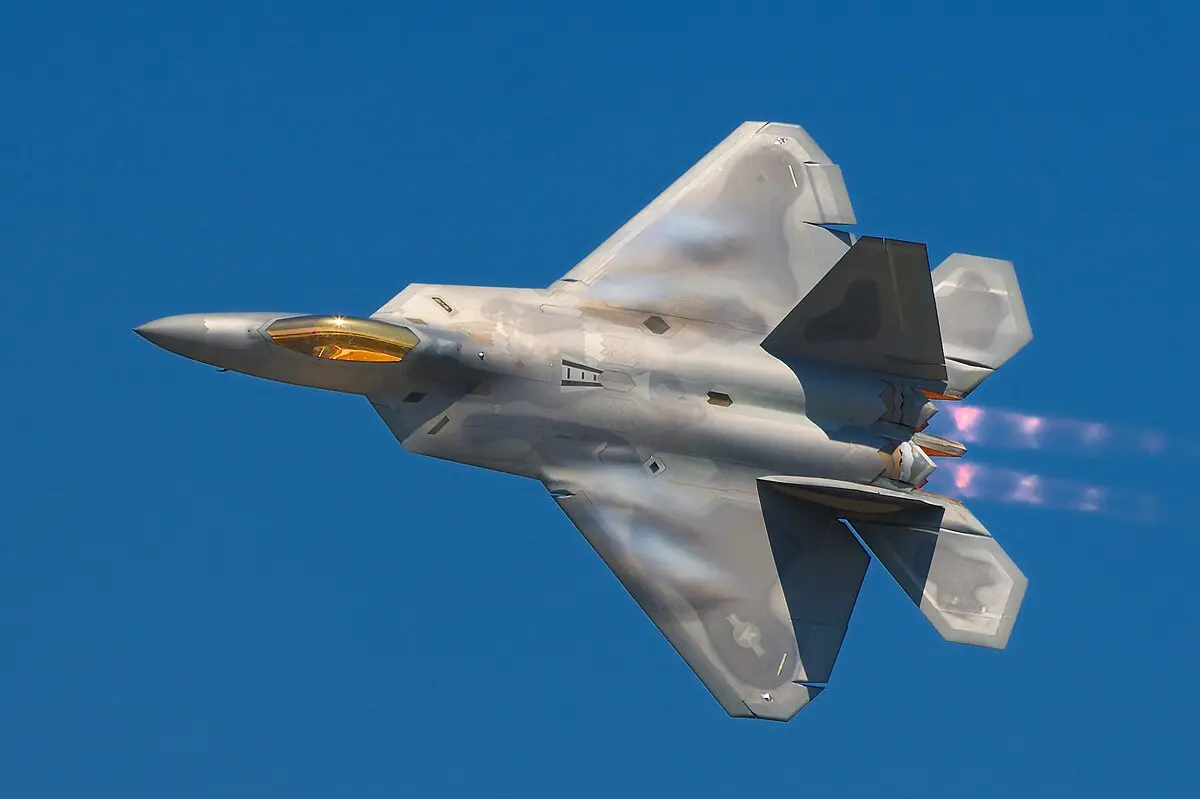
1. What JP-8 Really Is: A Military-Grade Aviation Fuel
JP-8 (Jet Propellant-8) is a kerosene-based jet fuel used by the US military, NATO forces, and several air forces worldwide. Chemically, it is similar to Jet-A1 (civil aviation fuel), but JP-8 contains specialised military additives that improve safety, engine performance and survivability in extreme conditions. It is the primary fuel used in fighter jets, transport aircraft, helicopters, drones and even some military ground vehicles.
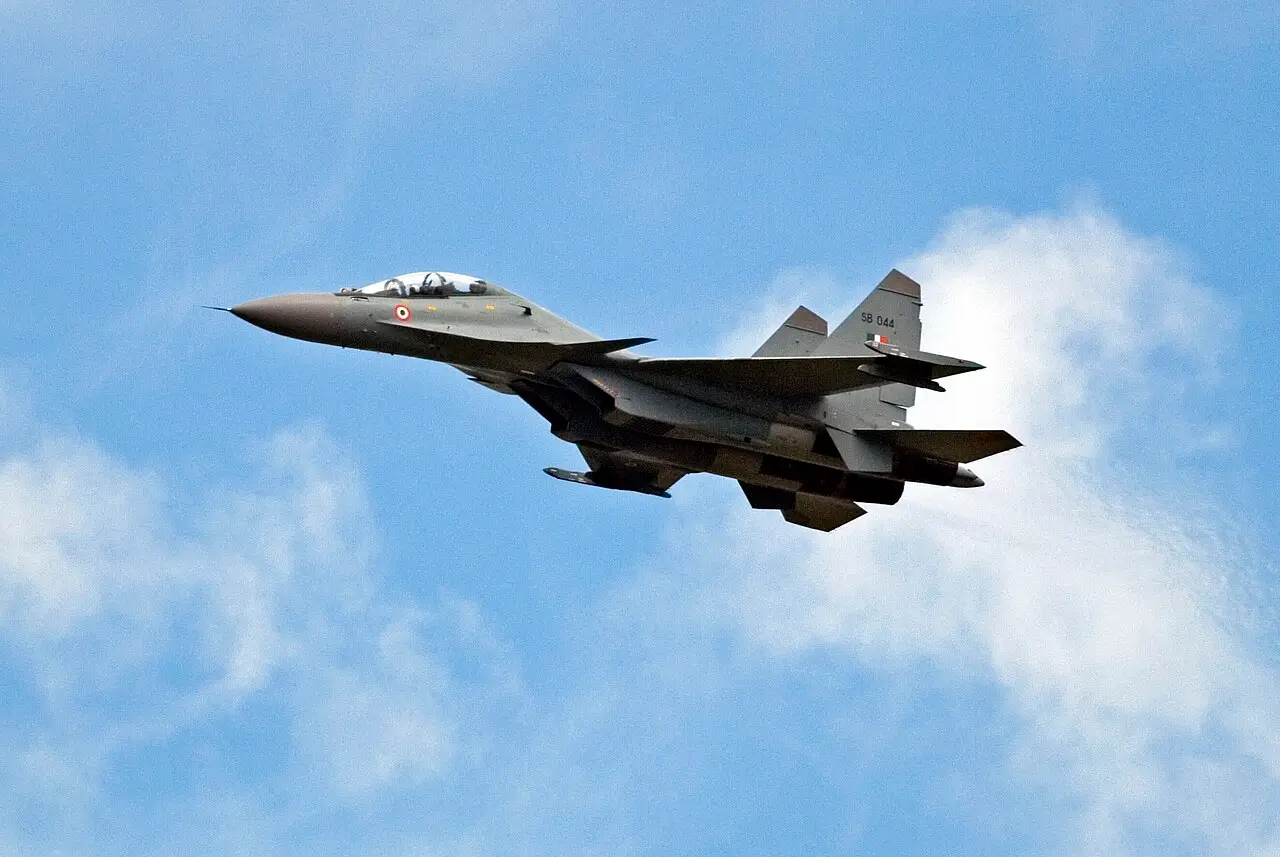
2. Why Fighter Jets Can’t Run on Car Fuel or Simple Kerosene
High-performance jet engines require a fuel that burns cleanly, evenly and predictably at extreme altitudes and temperatures. Car petrol (gasoline) is too volatile and can ignite prematurely, while regular kerosene lacks the stabilisers required for military demands. Fighter jets operate at temperatures ranging from –50°C at altitude to 1,000°C inside the engine, and only a strictly controlled fuel like JP-8 can stay stable across this entire range.
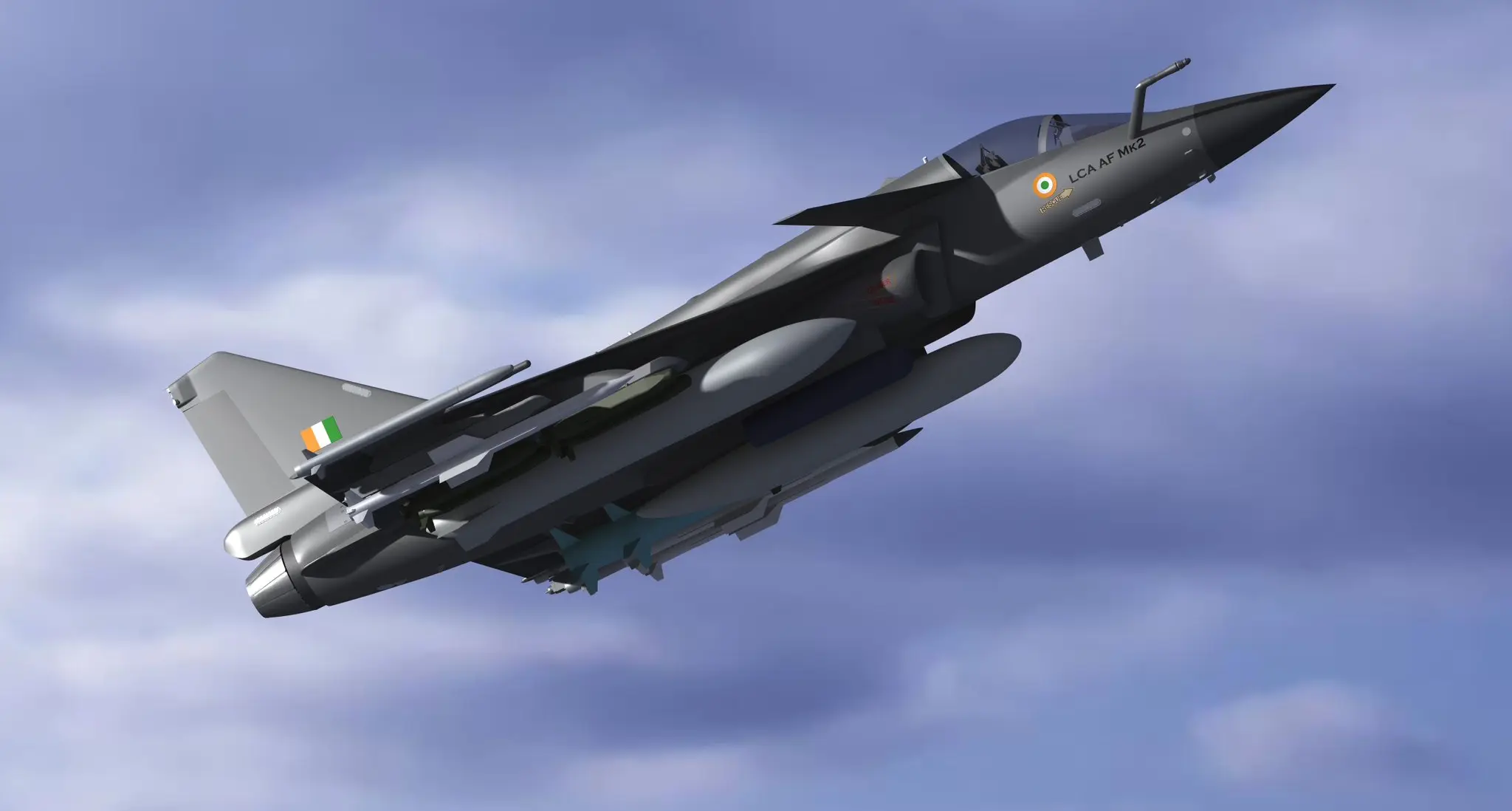
3. JP-8 Contains Additives That Civilian Jet Fuel Doesn’t
JP-8 has a unique additive package designed specifically for military operations. These include:
- Anti-icing additives (preventing ice in fuel lines at high altitudes)
- Static dissipators (reducing explosion risk during refuelling)
- Corrosion inhibitors (protecting metal fuel tanks and pumps)
- Lubricity improvers (helping high-pressure military fuel pumps run smoothly) These additives make JP-8 safer and more reliable during combat missions, extreme weather and field conditions.
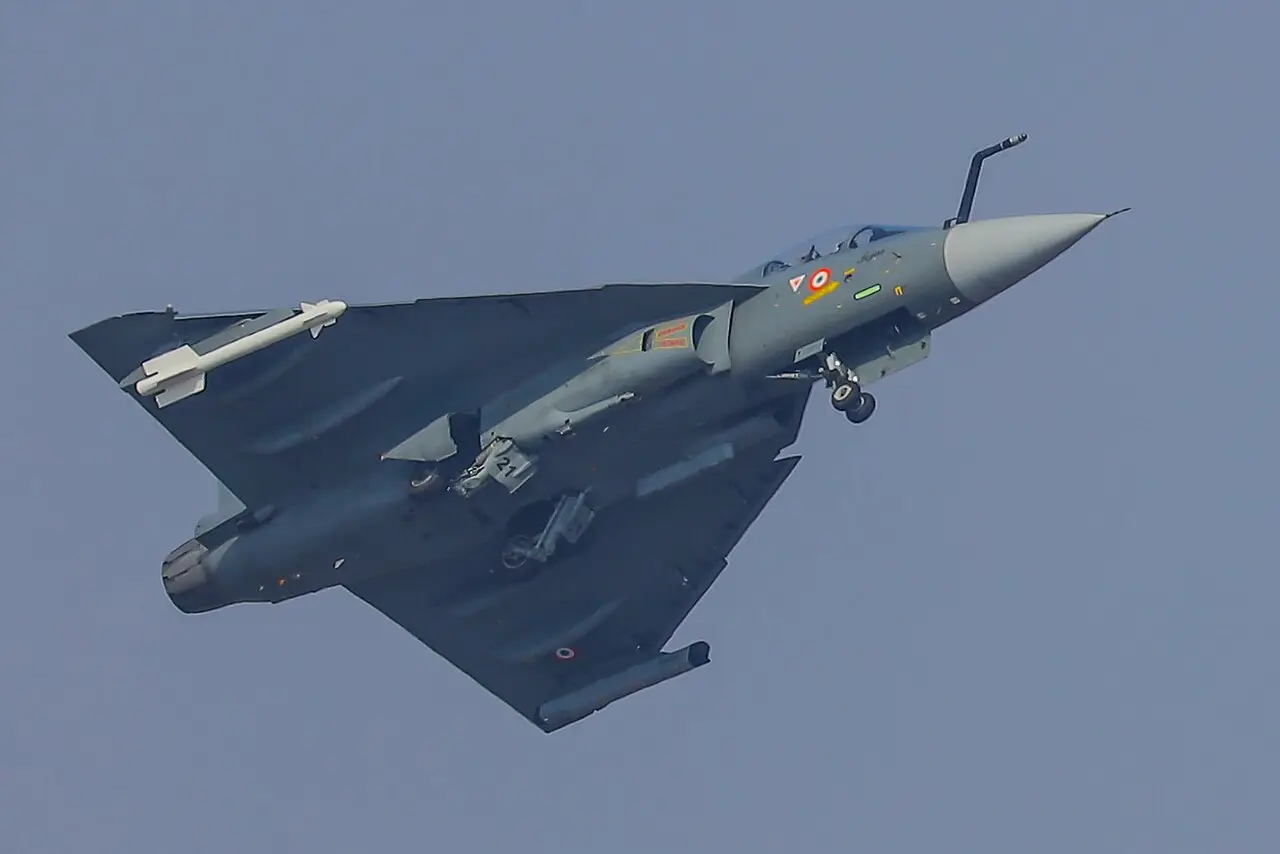
4. Designed for Harsh Battlefields — Not Just Runways
One major reason JP-8 was adopted by NATO is its “single battlefield fuel” standard. This means the same fuel can power:
- fighter jets,
- tanks,
- generators,
- helicopters,
- armoured vehicles,
- and field heaters.
This simplifies logistics during war. Instead of transporting multiple fuel types, militaries can rely on JP-8 almost everywhere.
5. JP-8 Must Perform at Altitudes Where Regular Fuel Fails
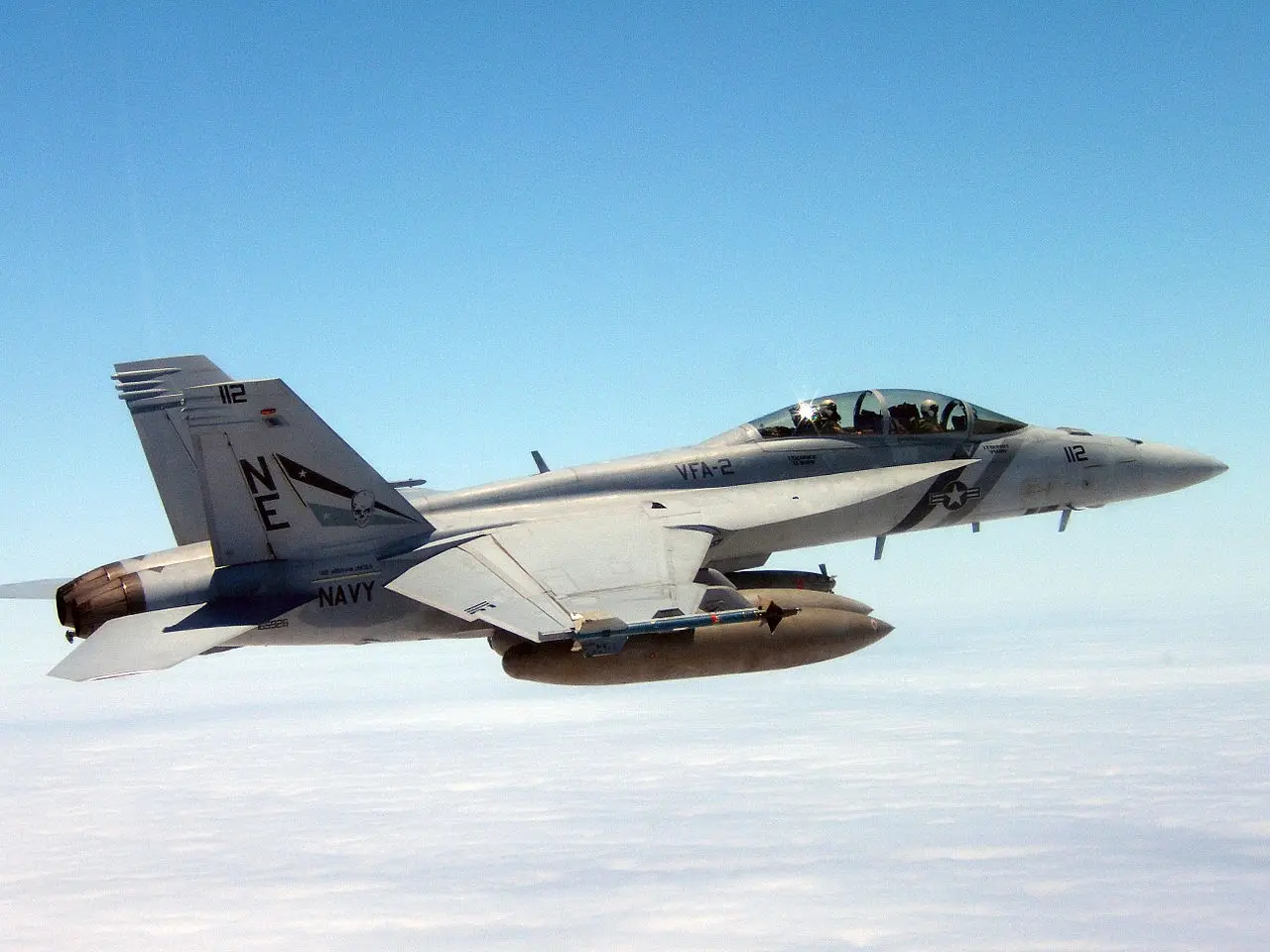
At 40,000 feet, temperatures can drop below –50°C. Regular fuel can gel, freeze, or form ice crystals, blocking jets and causing engine flameouts. JP-8 is engineered to remain flowable and stable in these extreme cold environments. It also performs consistently under high-G manoeuvres, sudden throttle changes, and rapid climb rates, critical for fighter aircraft.
6. Why Fighter Jet Engines Love JP-8: Clean, Predictable, Powerful
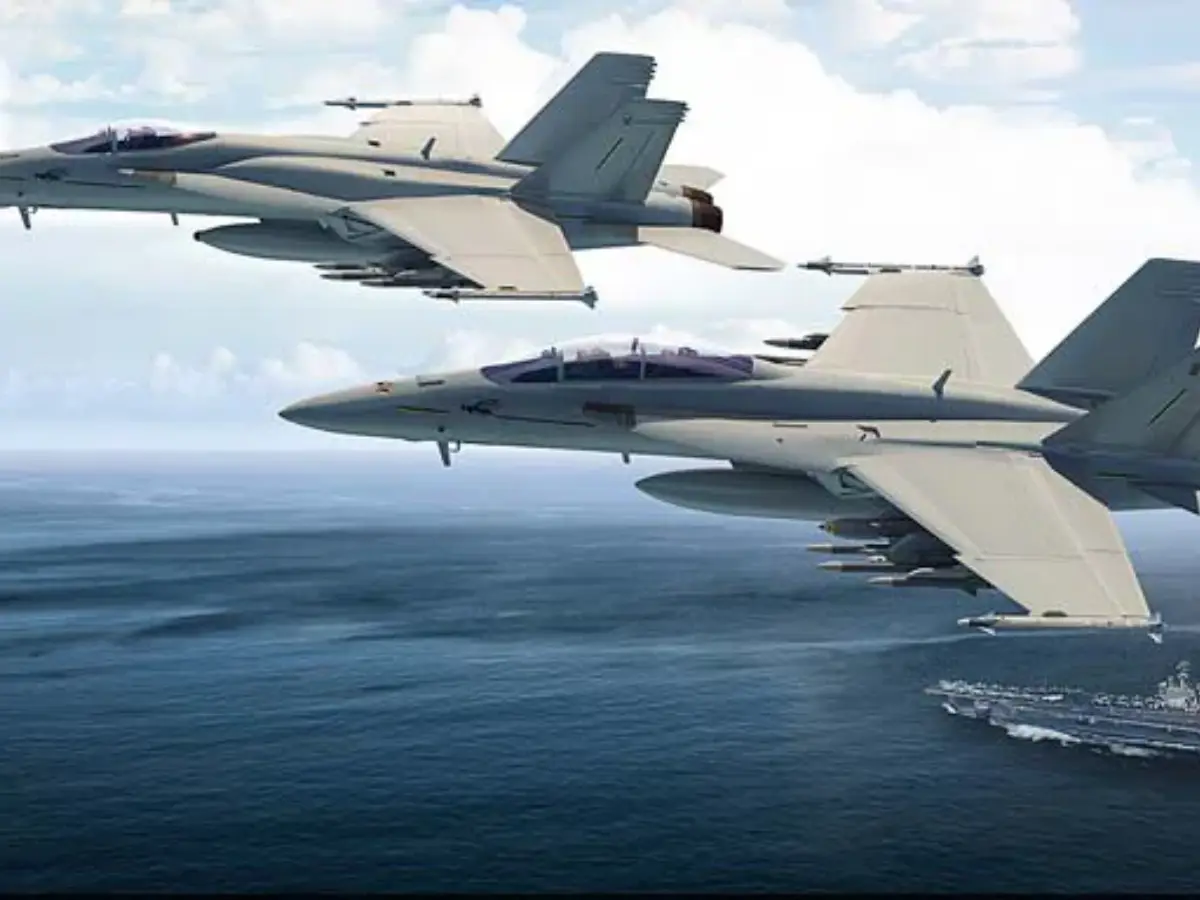
Modern military engines, such as the GE F404 and F414 used in the Tejas, need extremely consistent combustion to maintain thrust at supersonic speeds. JP-8 burns with a specific flame temperature and output that engine designers rely on. Even small variations in fuel quality can cause compressor stalls, “hot starts” or loss of thrust. That’s why JP-8 undergoes stricter quality checks than commercial jet fuel.
7. The Hidden Cost: JP-8 Is More Expensive and Harder to Handle
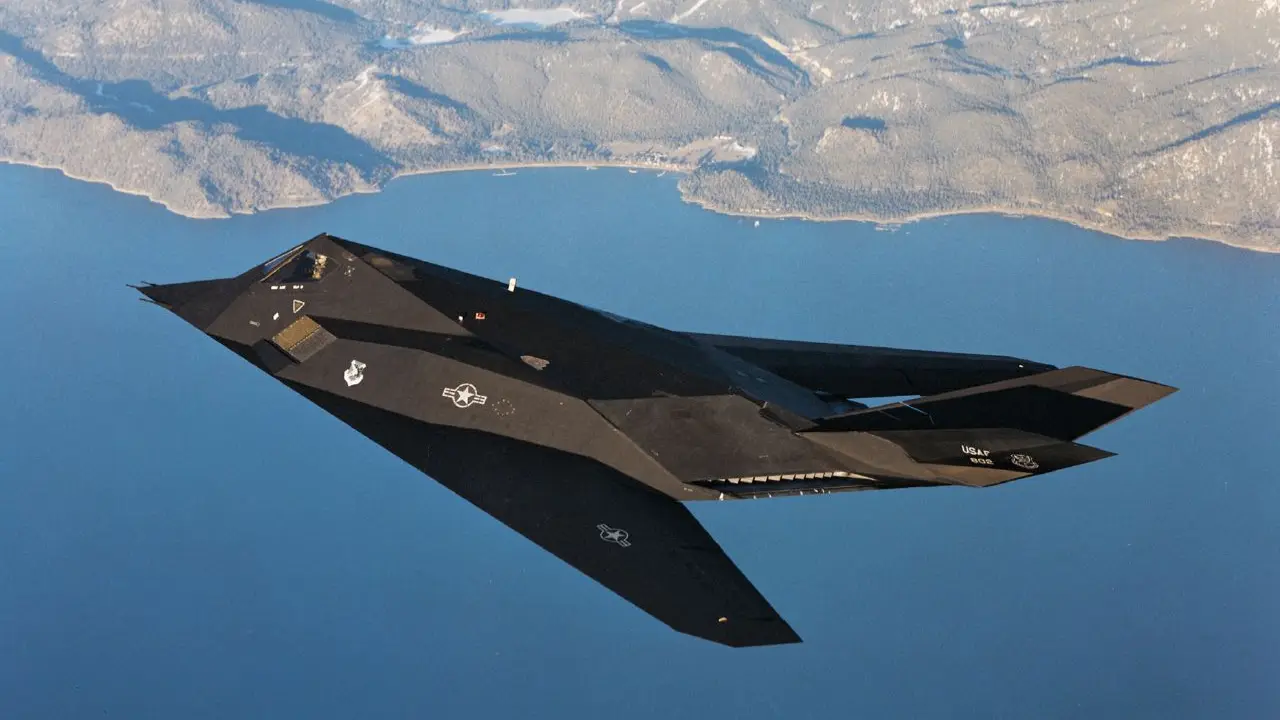
JP-8 costs more than civilian jet fuel due to its specially formulated additives and stricter production standards. It also requires careful storage because its anti-icing and anti-corrosion additives degrade faster over time. But the military accepts this cost because JP-8 offers higher safety margins, better engine reliability, and much lower risk of mid-air fuel-related failures.
Final Takeaway
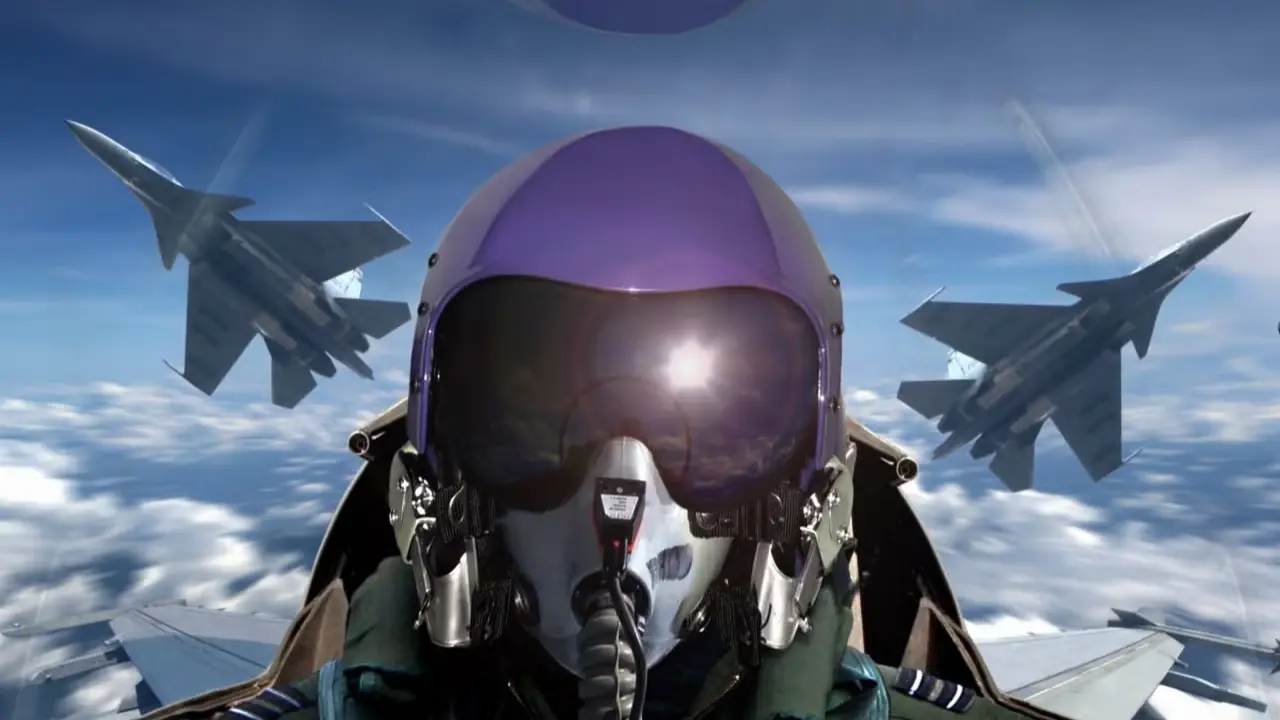
JP-8 isn’t “special fuel” because fighter jets are flashy, it’s special because fighter jets operate in some of the harshest, most demanding environments on Earth. From freezing altitudes to high-G combat manoeuvres, only a fuel engineered with precision can keep modern combat aircraft safe and effective.
)
)

)
)