'Faster than the F-35': Which is faster, F-35 jets or China’s J-20 jets?

China’s twin-engine J-20 stealth fighter reaches Mach 2.0, easily outrunning America’s single-engine F-35, which caps at Mach 1.6. While the US jet prioritises advanced sensors, the J-20 relies on raw speed and supercruise to dominate airspace.
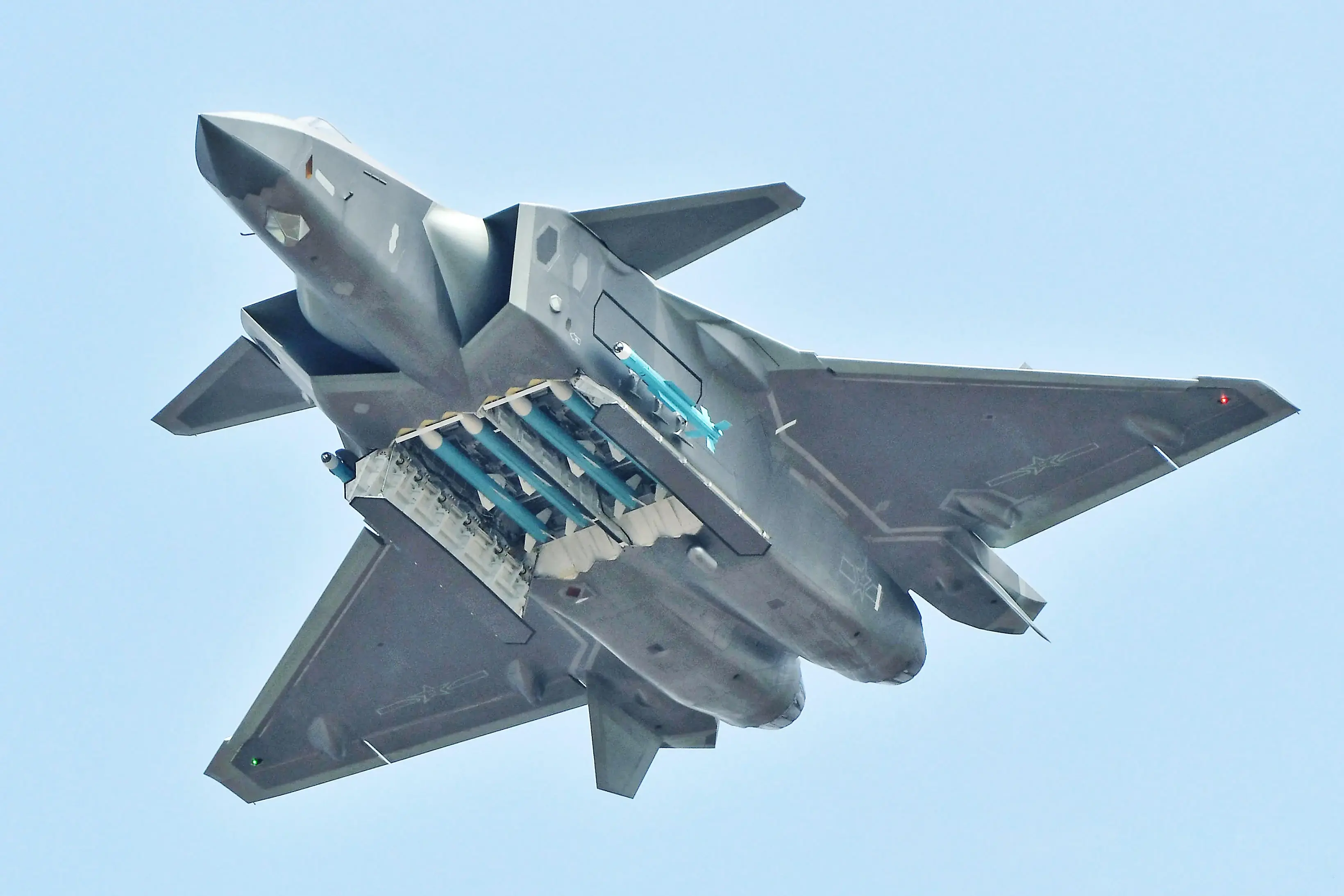
The F-35's Speed
America's USD 80 million F-35 Lightning II is officially capped at a top speed of Mach 1.6. Driven by a single Pratt & Whitney F135 engine, the jet prioritises sensor data, payload capacity, and stealth over raw aerodynamic thrust.
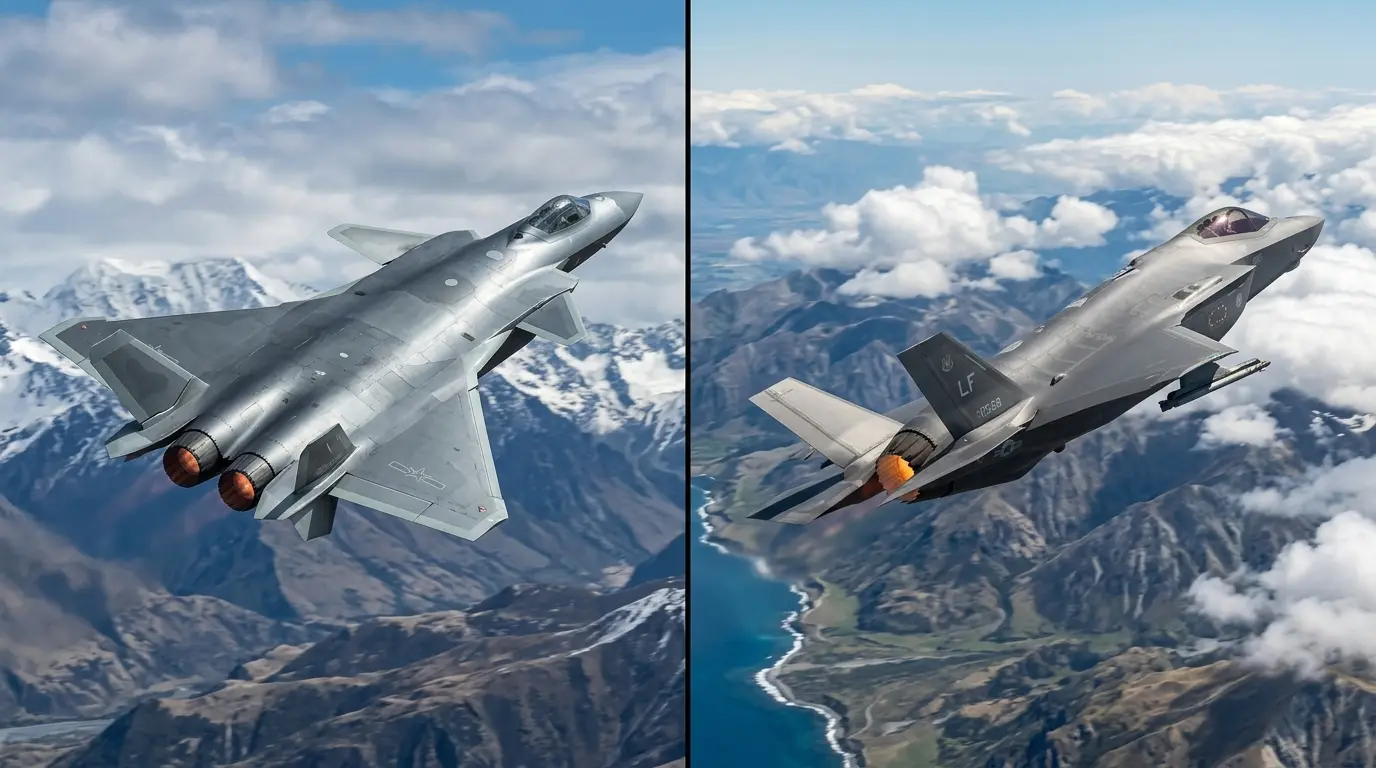
The J-20 Interceptor
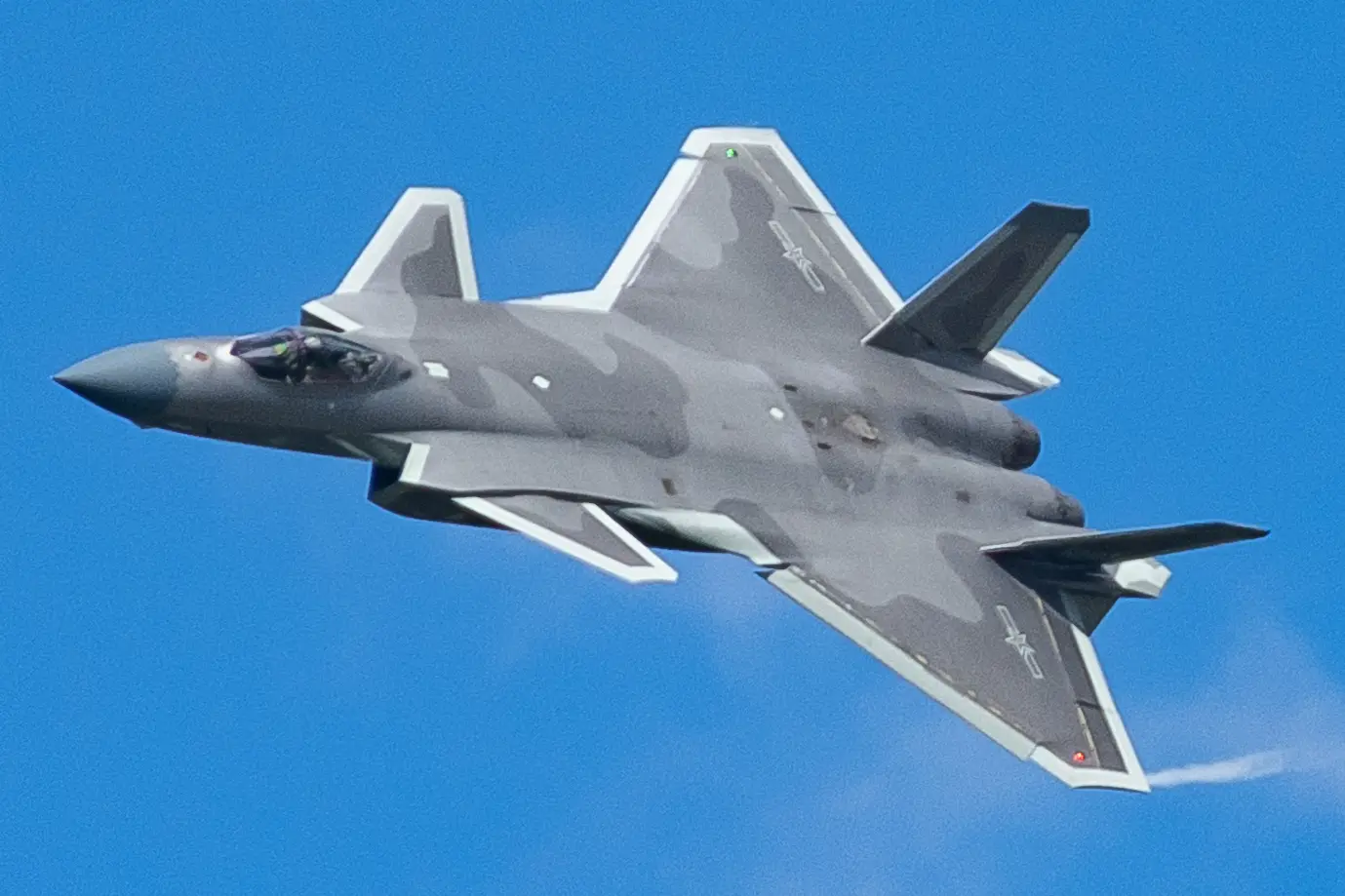
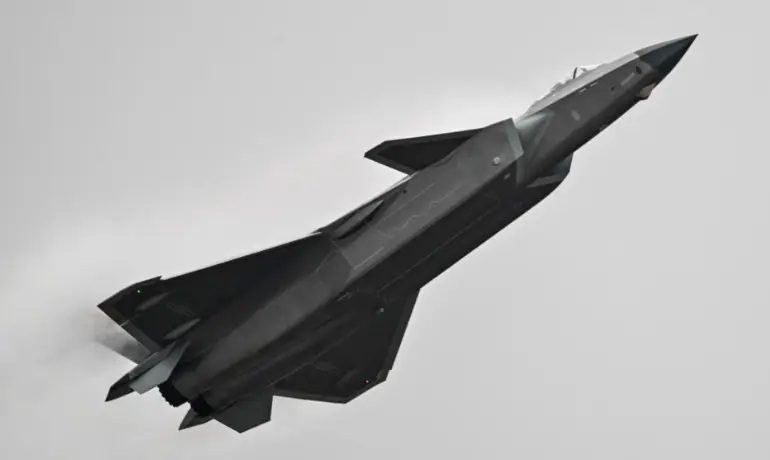
In stark contrast, China's Chengdu J-20 is a heavy, twin-engine interceptor built for rapid Pacific patrols. Defence analysts estimate the USD 120 million 'Mighty Dragon' can reach blistering speeds between Mach 2.0 and Mach 2.2.
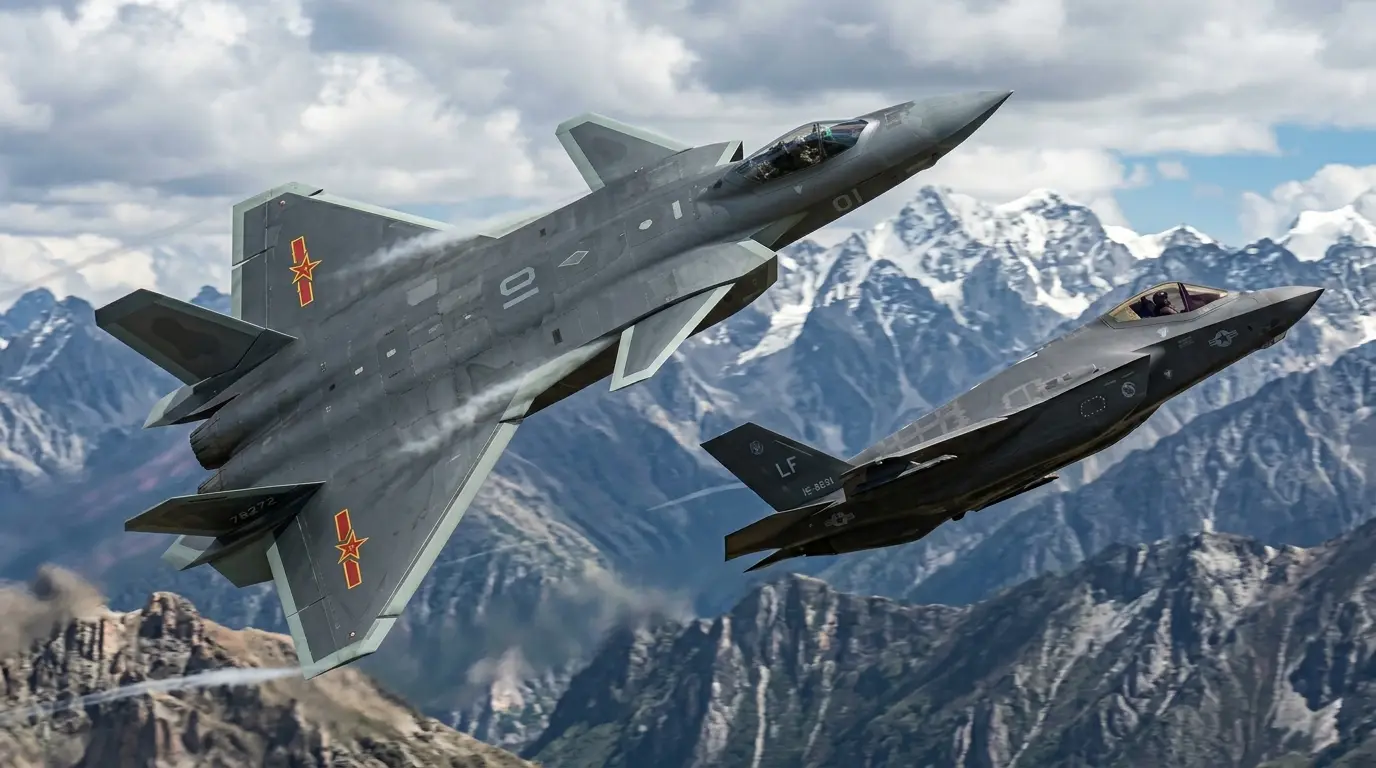
The Design
The massive speed gap exists because the two jets serve entirely different military doctrines. The F-35 is a multi-role strike aircraft designed to bomb ground targets, while the J-20 is built to rapidly hunt and destroy enemy aircraft over vast ocean distances.
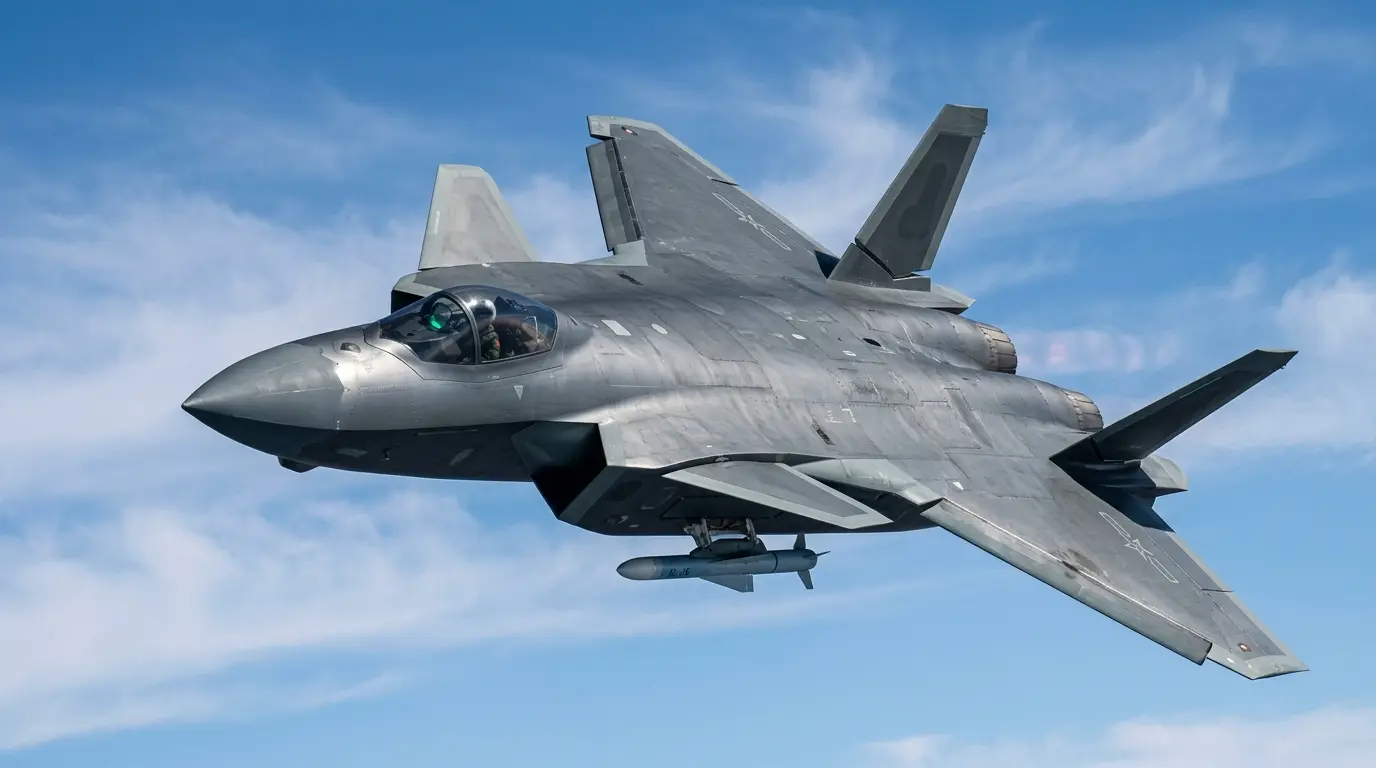
The Supercruise Advantage
Upgraded J-20s equipped with domestic WS-15 engines can now achieve 'supercruise' capability. This allows Chinese pilots to sustain supersonic flight without using fuel-guzzling afterburners, a critical aerodynamic feature the F-35 completely lacks.
The Thermal Penalty
When the F-35 attempts to push its speed limits, its single engine generates a massive thermal exhaust plume. This intense heat signature acts as a beacon for infrared tracking systems, heavily compromising the American aircraft's stealth profile.
Compressing the Kill Zone
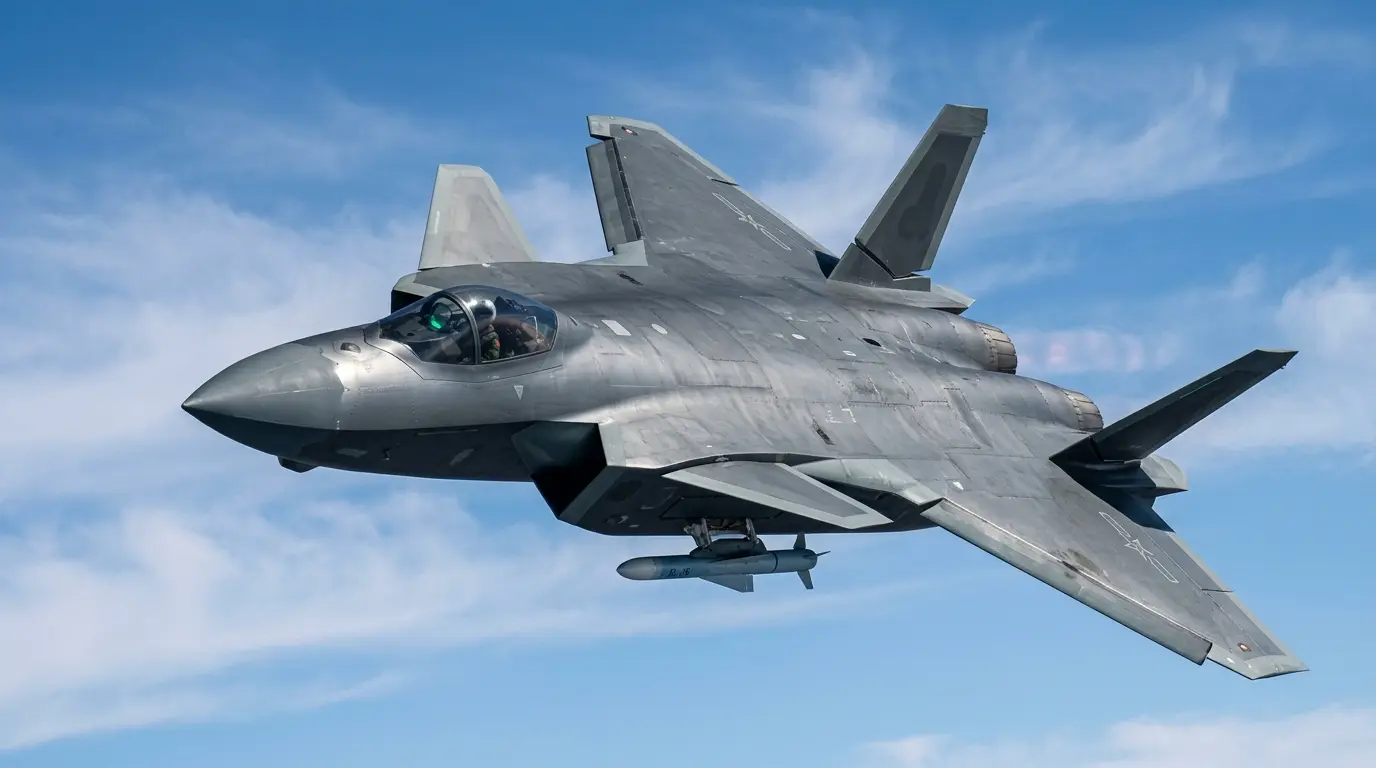
The J-20's Mach 2.0 speed allows it to launch long-range PL-15 air-to-air missiles with extreme kinetic energy. This massive velocity dramatically shrinks the response time for US Navy pilots attempting to evade an incoming Chinese strike.
Data vs Velocity
The Pentagon remains confident that the F-35 does not need to outrun the J-20 to defeat it. US military strategy relies on the F-35's superior radar and data-sharing networks to detect and destroy the Chinese jet before raw speed becomes a factor.
)
)
)
)
)