'Faster, smarter and impossible to stop': 7 deadliest weapons on earth in 2025

From systems that travel faster than sound to machines invisible to radar, warfare in 2025 has entered an era where speed, precision and intelligence outweigh sheer force.
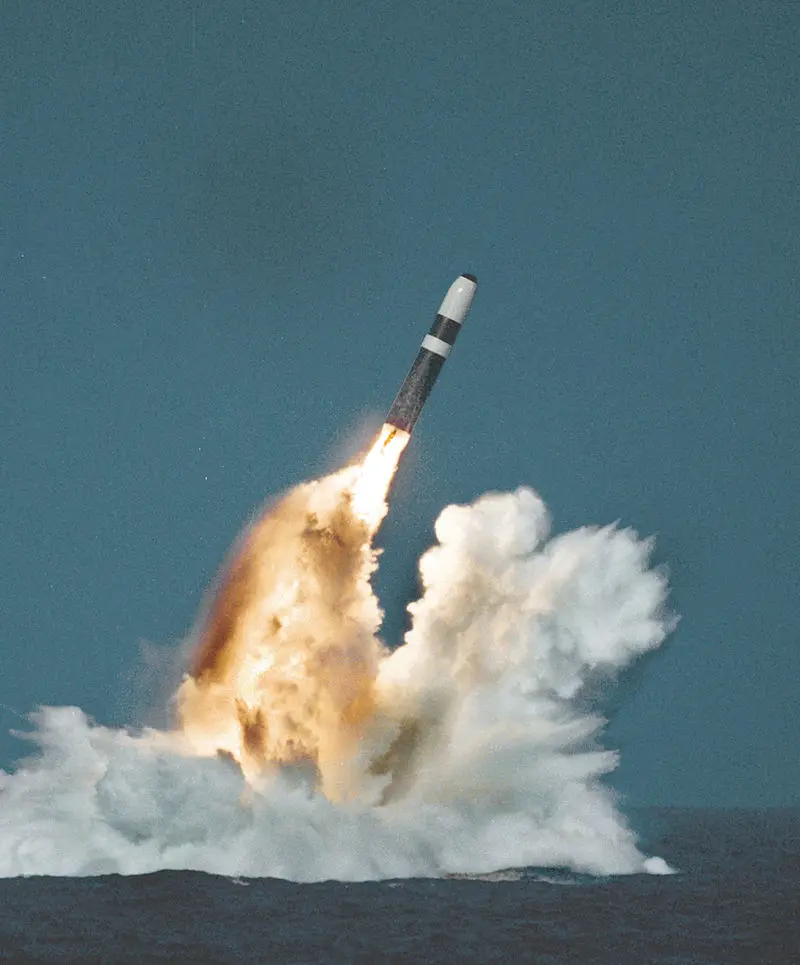
Introduction: Why ‘Power’ Matters
In military strategy, power is measured not only by destructive capacity but by reach, survivability, and the ability to alter an opponent’s decisions. By 2025, the world’s leading militaries have refined a select group of weapons that define deterrence and warfare. These cutting-edge developments are not just tools of war, they are instruments redefining deterrence, dominance and the fragile balance of global power. This list examines seven of the most powerful systems: nuclear, hypersonic, air, and sea-based, each representing the cutting edge of global defence technology.
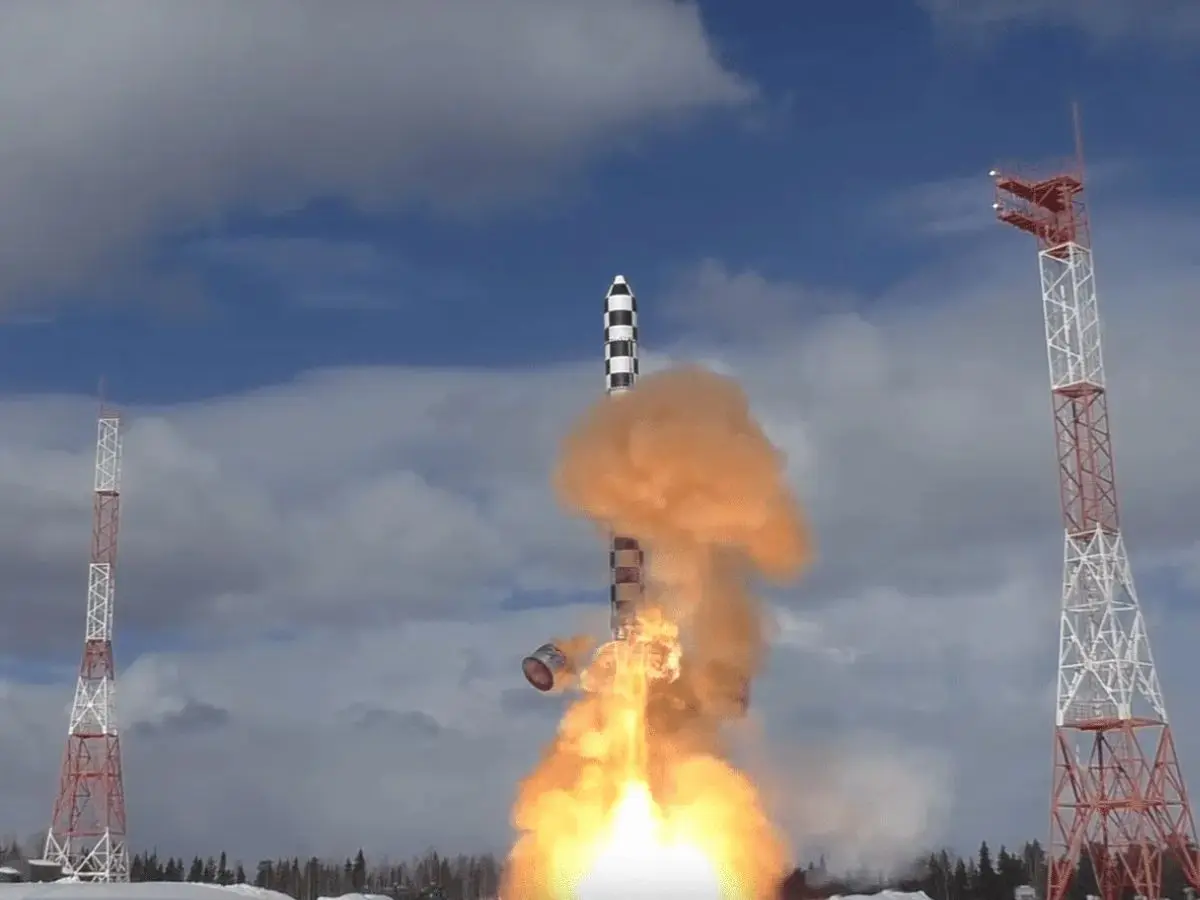
RS-28 Sarmat (Super-Heavy ICBM)
Russia’s RS-28 Sarmat is a super-heavy, silo-based intercontinental ballistic missile engineered for immense range and payload. Designed to carry multiple nuclear warheads and hypersonic glide vehicles, it can reportedly travel up to 18,000 kilometres, easily reaching any global target. Its unpredictable flight paths and sheer power make it nearly impossible to intercept. A single Sarmat can destroy an area the size of France, highlighting why it remains central to Russia’s nuclear deterrent.
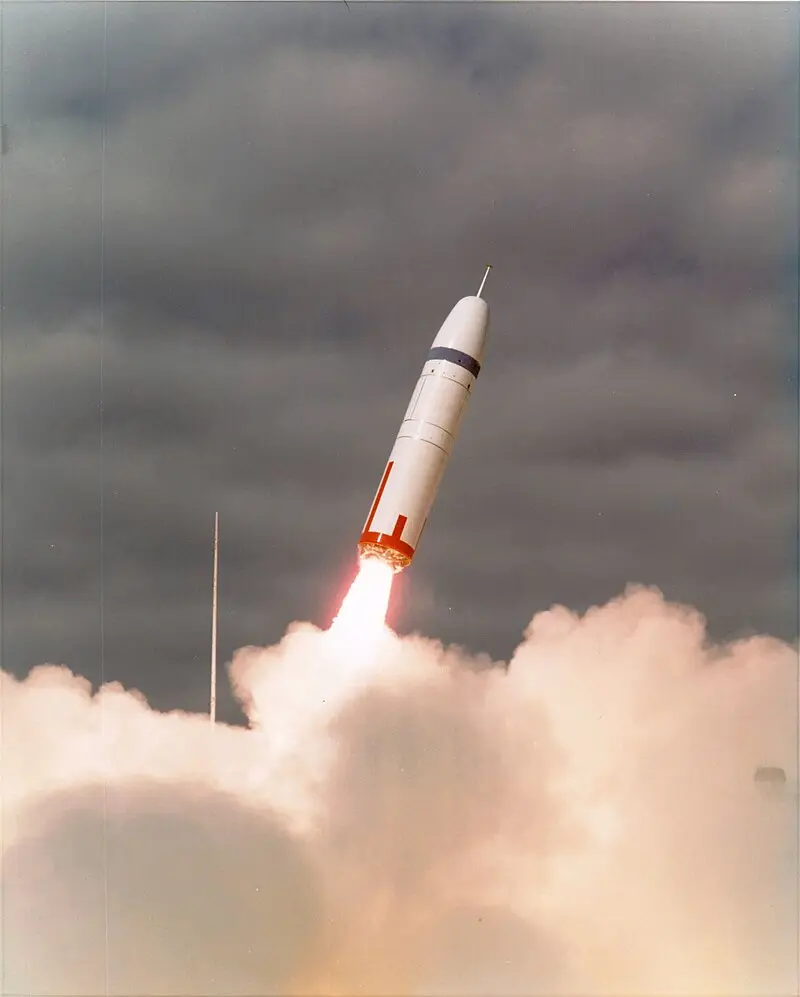
UGM-133 Trident II (Submarine-Launched Ballistic Missile)
The Trident II D5, used by the United States and the United Kingdom, is the cornerstone of sea-based nuclear deterrence. Each missile carries multiple independently targetable re-entry vehicles (MIRVs) capable of striking different targets with extreme precision over ranges exceeding 12,000 kilometres. Deployed on nuclear submarines that can remain hidden for months, Trident ensures a credible second-strike capability, an assurance of retaliation that underpins global nuclear stability.
Avangard (Hypersonic Glide Vehicle)
Russia’s Avangard is one of the first operational hypersonic glide vehicles, travelling at up to Mach 20 while manoeuvring unpredictably through the atmosphere. This combination of speed and agility renders traditional missile defence systems ineffective. Mounted atop an ICBM, Avangard can deliver either nuclear or conventional payloads, making it a weapon that blurs the line between strategic deterrence and tactical warfare.
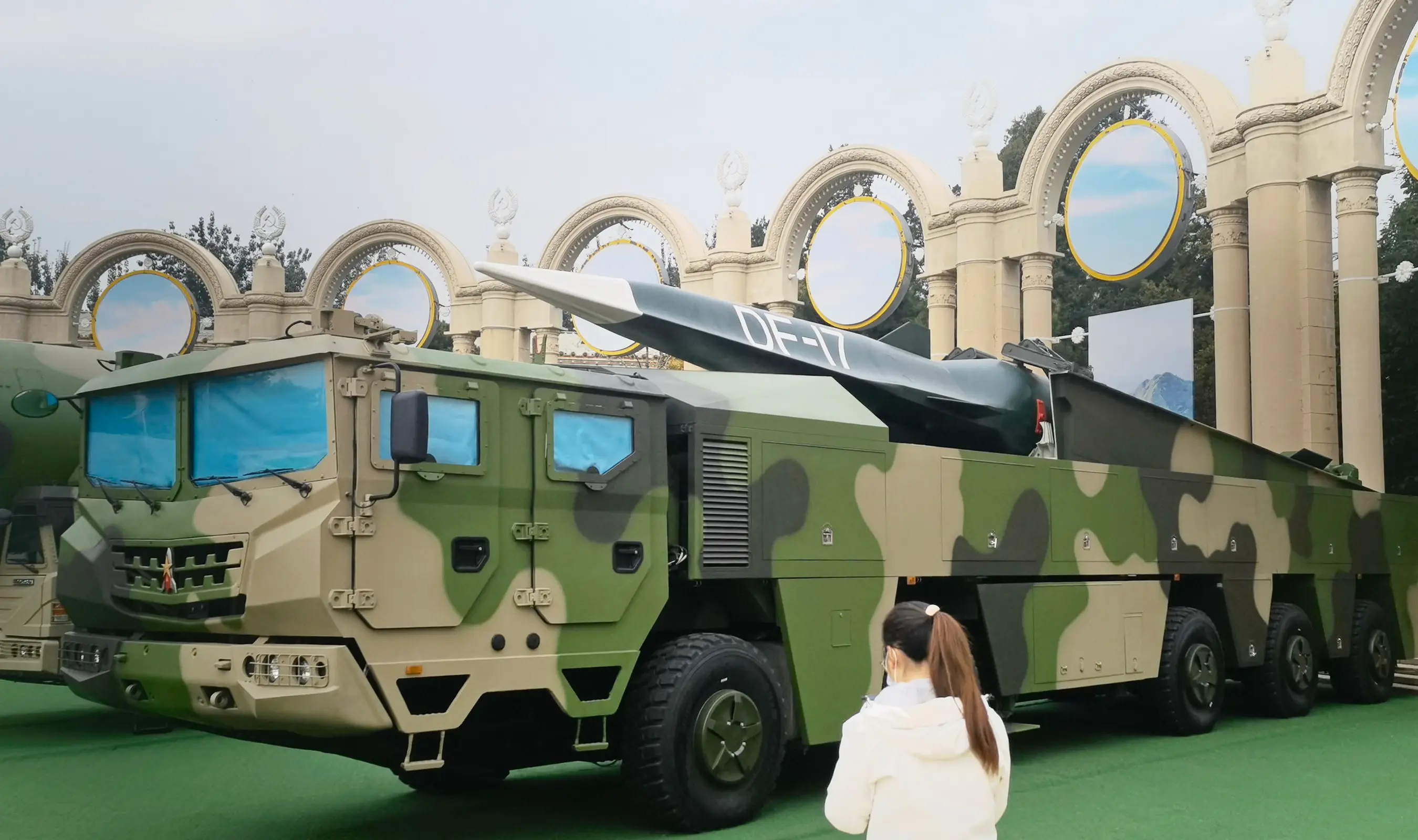
DF-ZF / DF-17 (China’s Hypersonic Glide System)
China’s DF-17 missile system, carrying the DF-ZF glide vehicle, marks a major step in hypersonic warfare. Capable of speeds over Mach 10, it can strike regional and distant targets with little warning. Designed primarily for anti-access and area-denial missions, the DF-17 challenges conventional air and missile defences in the Asia-Pacific region and reinforces China’s expanding strategic influence.
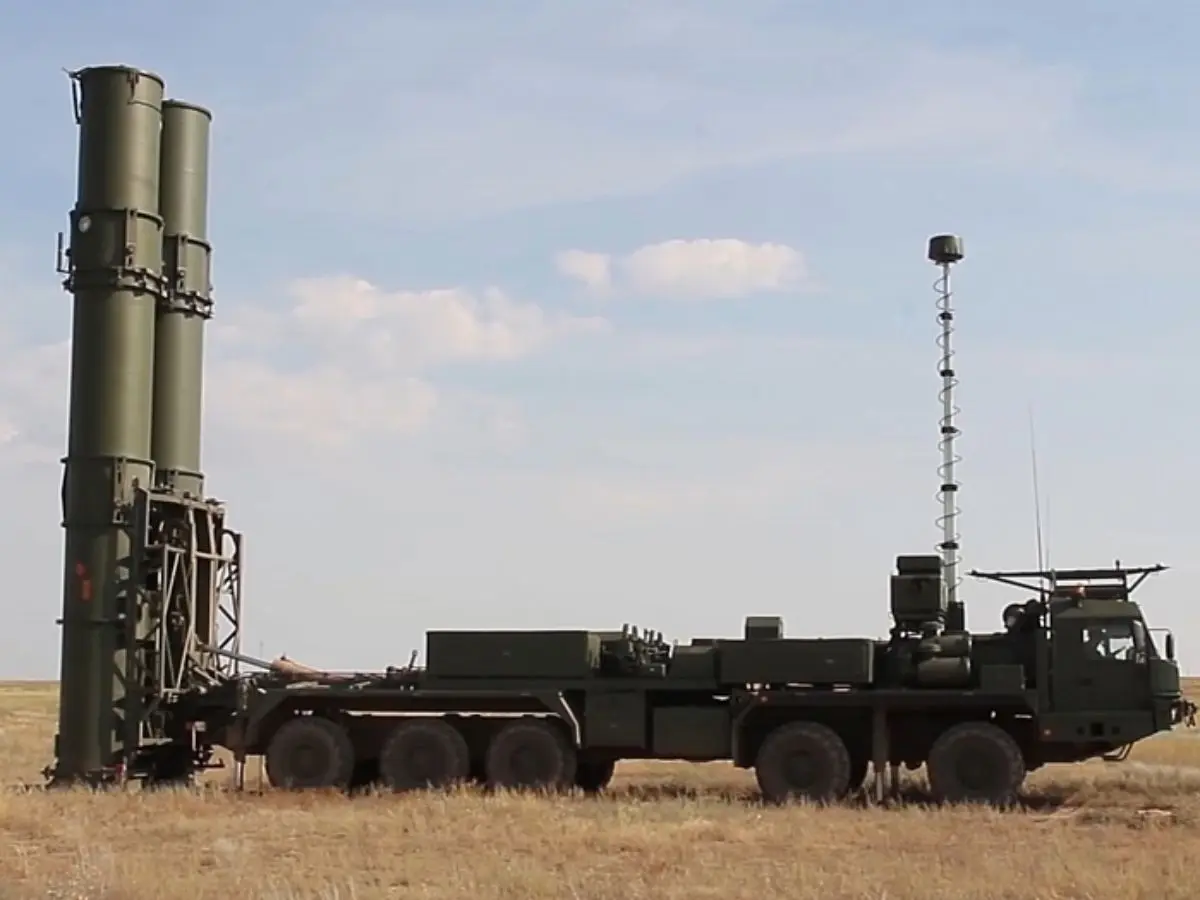
S-500 Prometey
The Russian S-500 Prometey represents the next evolution in missile defence. Claimed to engage targets at altitudes up to 200 kilometres, it can intercept ballistic missiles, aircraft, and even some hypersonic threats. Unlike earlier air-defence systems, the S-500 integrates space and missile defence capabilities, offering a layered protective shield around critical infrastructure and major cities.
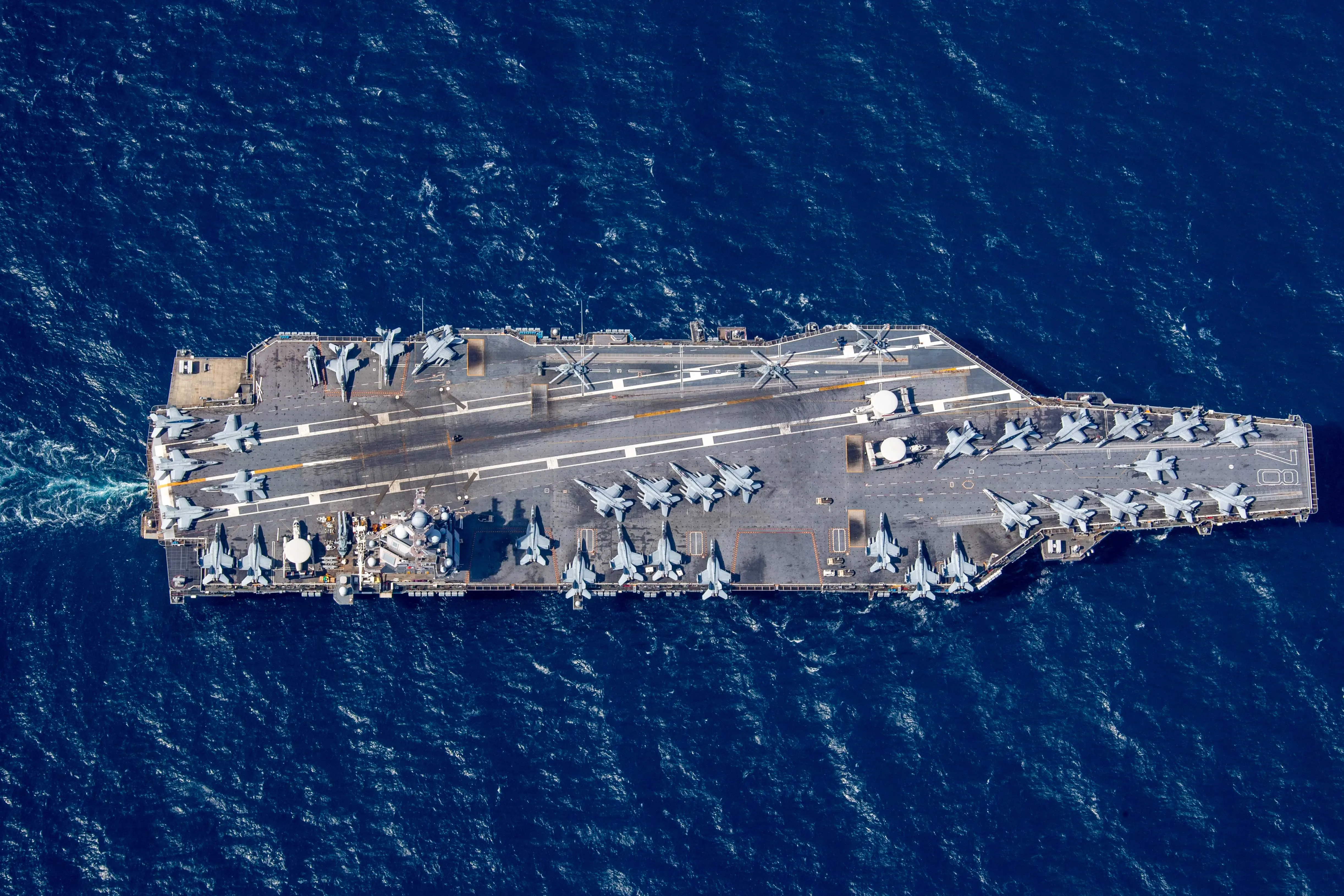
Gerald R. Ford-Class Aircraft Carriers
The Gerald R. Ford-class carriers are the most advanced warships ever built. Powered by nuclear reactors, they can operate for over 25 years without refuelling and launch up to 160 sorties per day using electromagnetic catapults. Each carrier can deploy around 90 aircraft, providing unmatched airpower anywhere on the globe. Despite the rise of long-range missiles, carriers remain vital for rapid response and sustained power projection.
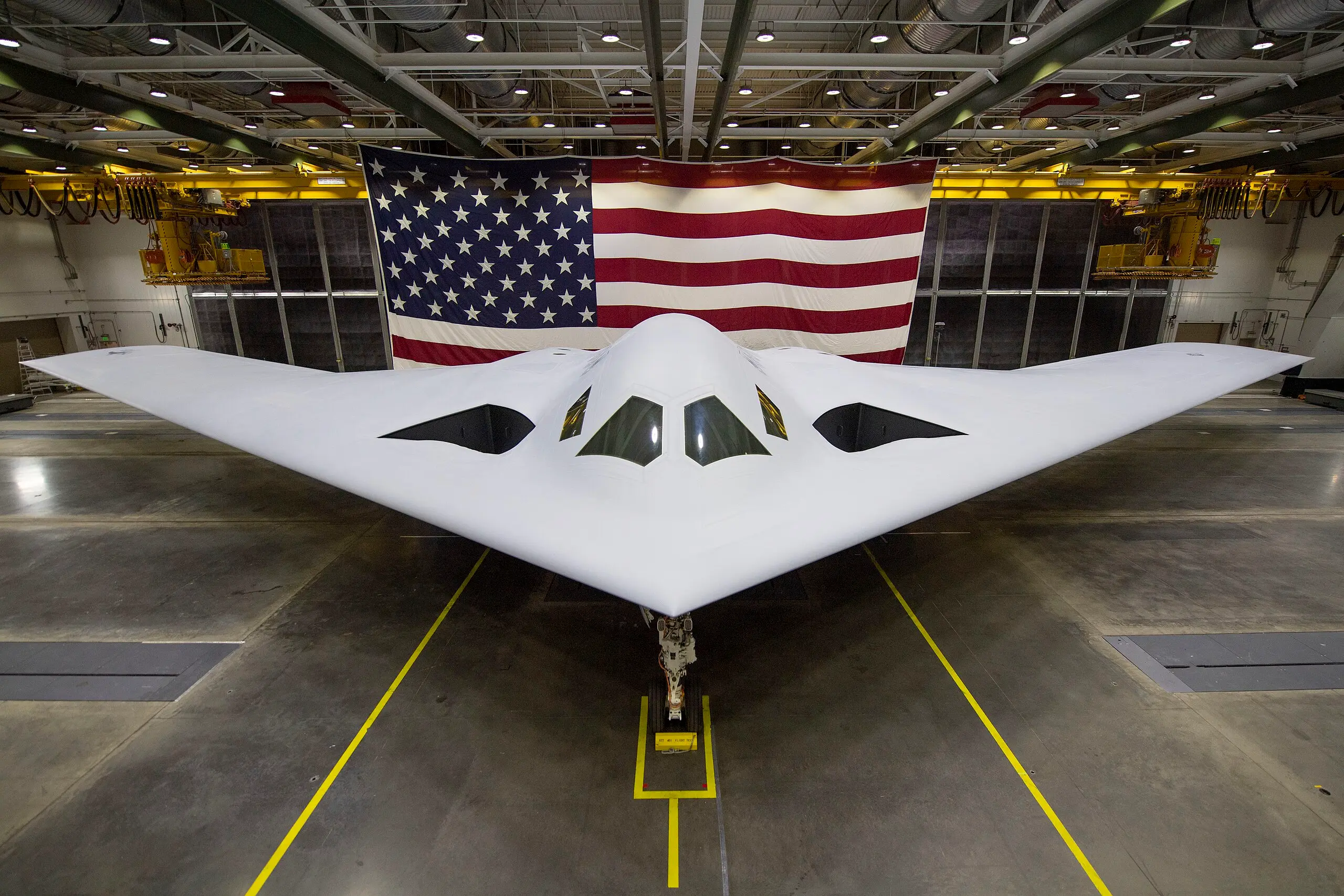
B-21 Raider (Next-Generation Stealth Bomber)
The US Air Force’s B-21 Raider is designed to be the most advanced stealth bomber in history. Built to evade sophisticated radar networks, it can carry both conventional and nuclear weapons deep into hostile territory. With global range and networked control systems, the B-21 represents a new generation of long-range strategic aviation, quiet, efficient, and nearly invisible.
)
)
)
)
)