'Faster, deadlier, and harder': How ramjet-powered missiles make enemy jets nearly impossible to escape

After the successful test, India has now entered an elite league of nations with ramjet-powered missile technology, a capability achieved by only a few countries globally, marking a critical enabler for developing next-generation, long-range air-to-air missiles.
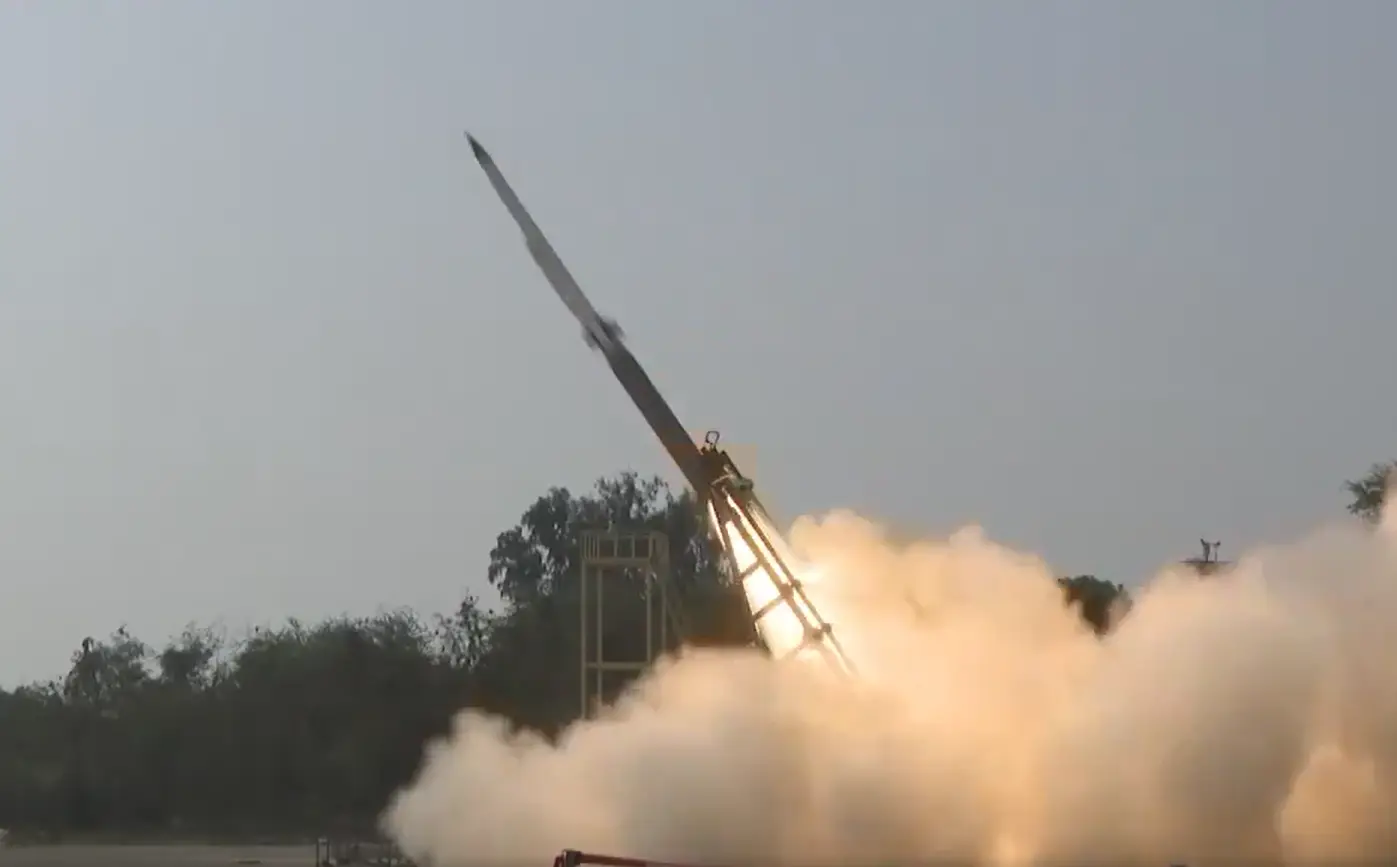
DRDO successfully test Ramjet technology
India has taken a significant step in advanced missile technology after the Defence Research & Development Organisation (DRDO) successfully tested Solid Fuel Ducted Ramjet (SFDR) technology. The test was conducted at the Integrated Test Range, Chandipur, off the coast of Odisha, at 10.45 am on February 3, 2026.
After the successful test, India has now entered an elite league of nations with ramjet-powered missile technology, a capability held by only a few countries globally, marking a critical enabler for developing next-generation, long-range air-to-air missiles.
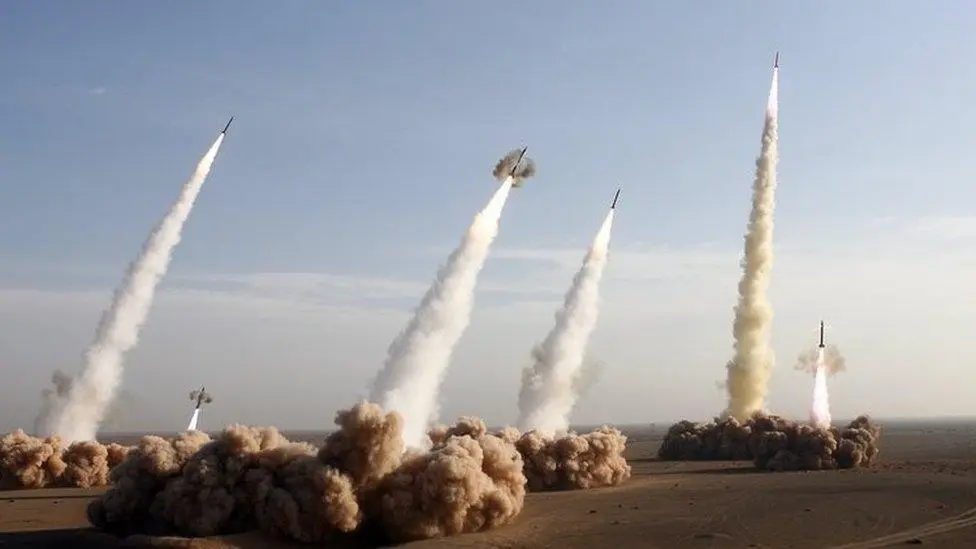
What is ramjet technology?
A ramjet is an air-breathing propulsion system that compresses incoming air to help the forward motion of the missile, eliminating the need for complex rotating components found in conventional jet engines. In a Solid Fuel Ducted Ramjet, solid propellant is burned in a regulated way as outside air passes through the engine, generating continuous thrust at very high speeds.
Unlike standard rocket motors that exhaust their fuel rapidly and then glide, ramjet-powered missiles sustain high velocity for extended periods, particularly during the terminal phase of flight. This allows them to be faster, more agile, and far more difficult for adversary aircraft to evade.
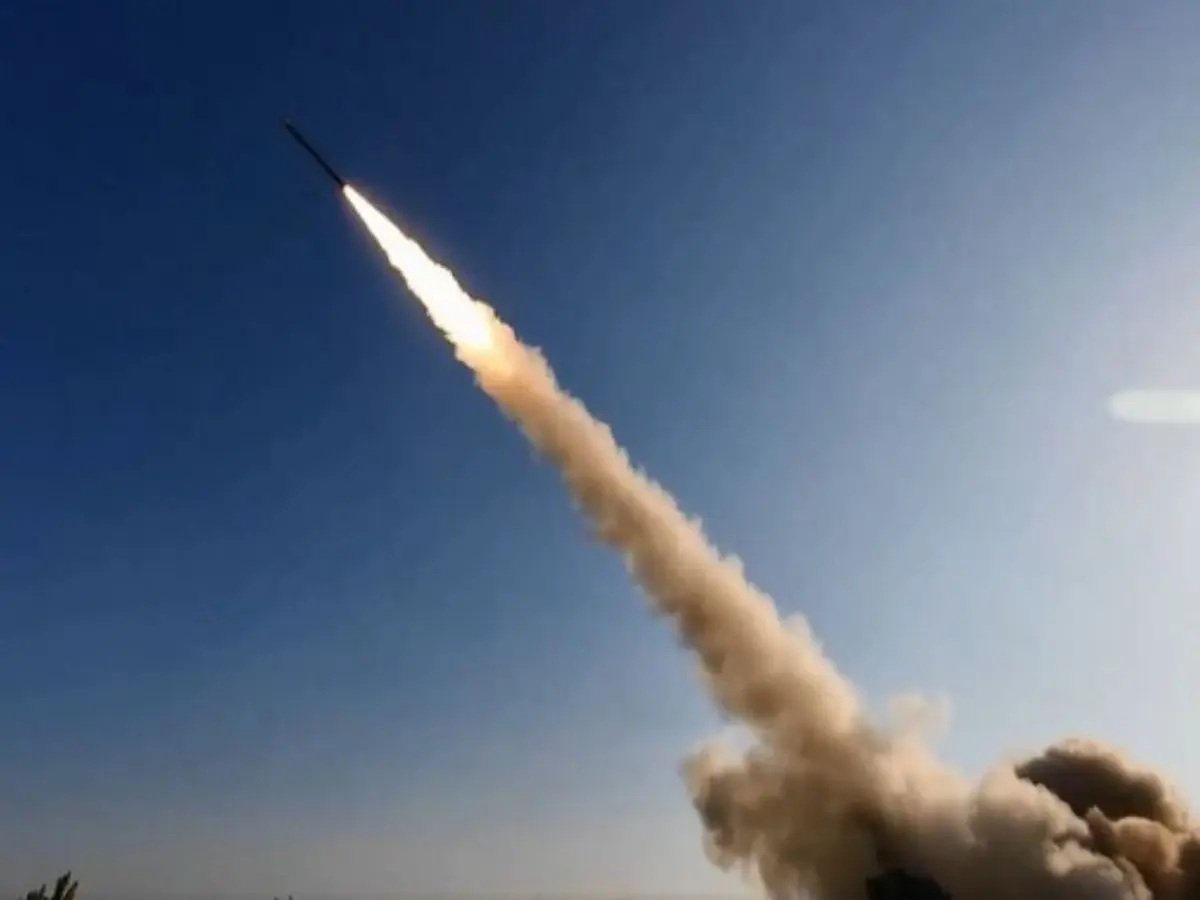
What ramjet technology makes missile powerful?
Ramjet engines enable missiles to achieve sustained supersonic or hypersonic speeds by compressing incoming air for combustion, eliminating bulky onboard oxidisers. This makes ramjet missiles lighter, longer‑ranged, and harder to intercept, making them ideal for air‑superiority and anti‑ship roles. India’s DRDO leads with indigenous designs like BrahMos and Astra variants.
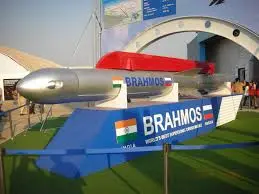
BrahMos Supersonic Cruise Missile
The Indo‑Russian BrahMos (Mach 2.8–3.0, 290–800 km range) uses a solid booster followed by a liquid ramjet for sea‑skimming or high‑altitude flight. DRDO’s DMSRDE developed “Brahmastra” indigenous ramjet fuel in 2024, enabling subzero operation (-50°C) and boosting self‑reliance to 95%. Exported to the Philippines, it’s deployed across IAF, Army, and Navy platforms.
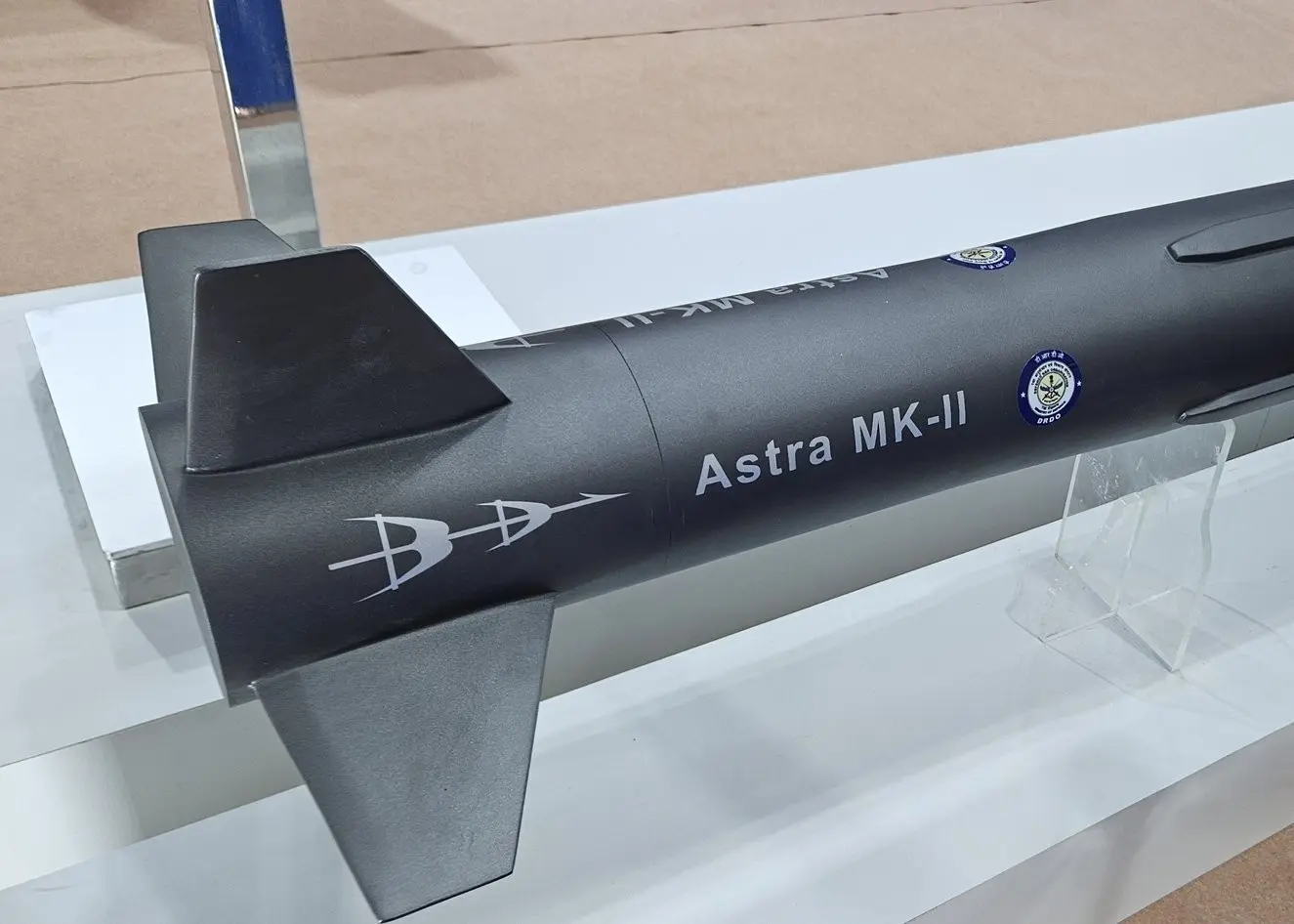
Astra Mk‑3 (Gandiva) VLRAAM
DRDO’s Astra Mk‑3, with a 350 km range, is a solid‑fuel ducted ramjet air‑to‑air missile that targets AWACS and tankers with supersonic endgame manoeuvres. Fast‑tracked for 2029 induction, it joins Astra Mk‑1/2 on Su‑30MKI/Tejas. Trials planned for 2026 validate ramjet for Mach 4+ speeds, ensuring IAF dominance over PLAAF J‑20s.
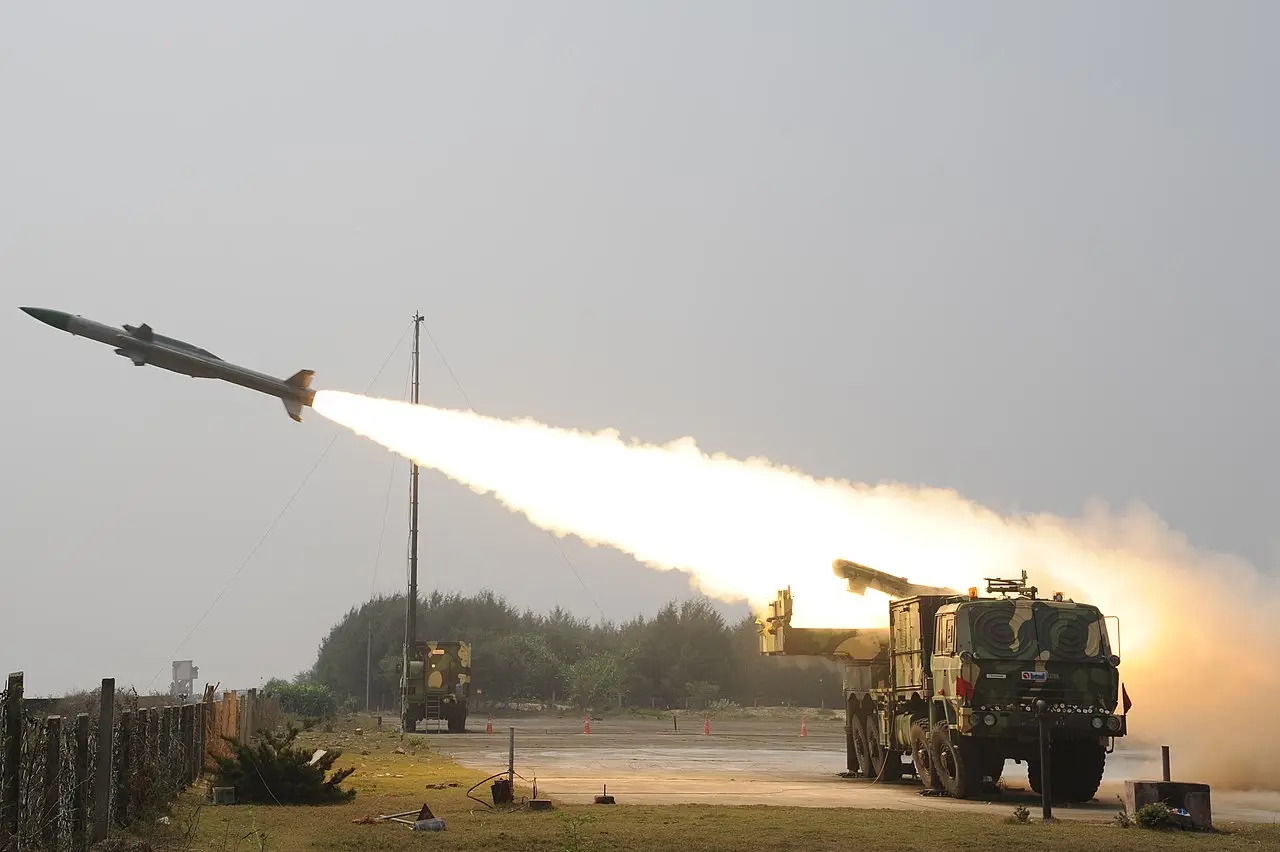
STAR Anti‑AWACS Missile
Repurposed from supersonic target drones, DRDO’s STAR is an air‑breathing ramjet missile with a 200 km range and a Mach 2.5 speed. Designed to neutralise enemy AWACS like China’s KJ‑500, it pairs with Astra Mk‑3 for layered defence. Indigenous ramjet marks India’s entry into elite BVR club.
)
)
)
)
)