'Fall of safe haven': Iran attacks most 'peaceful country' in middle east in retaliation against US-Israel strikes

The bombardment of the UAE solidifies the grim reality that the US-Israeli offensive has ignited a borderless, full-scale regional war.
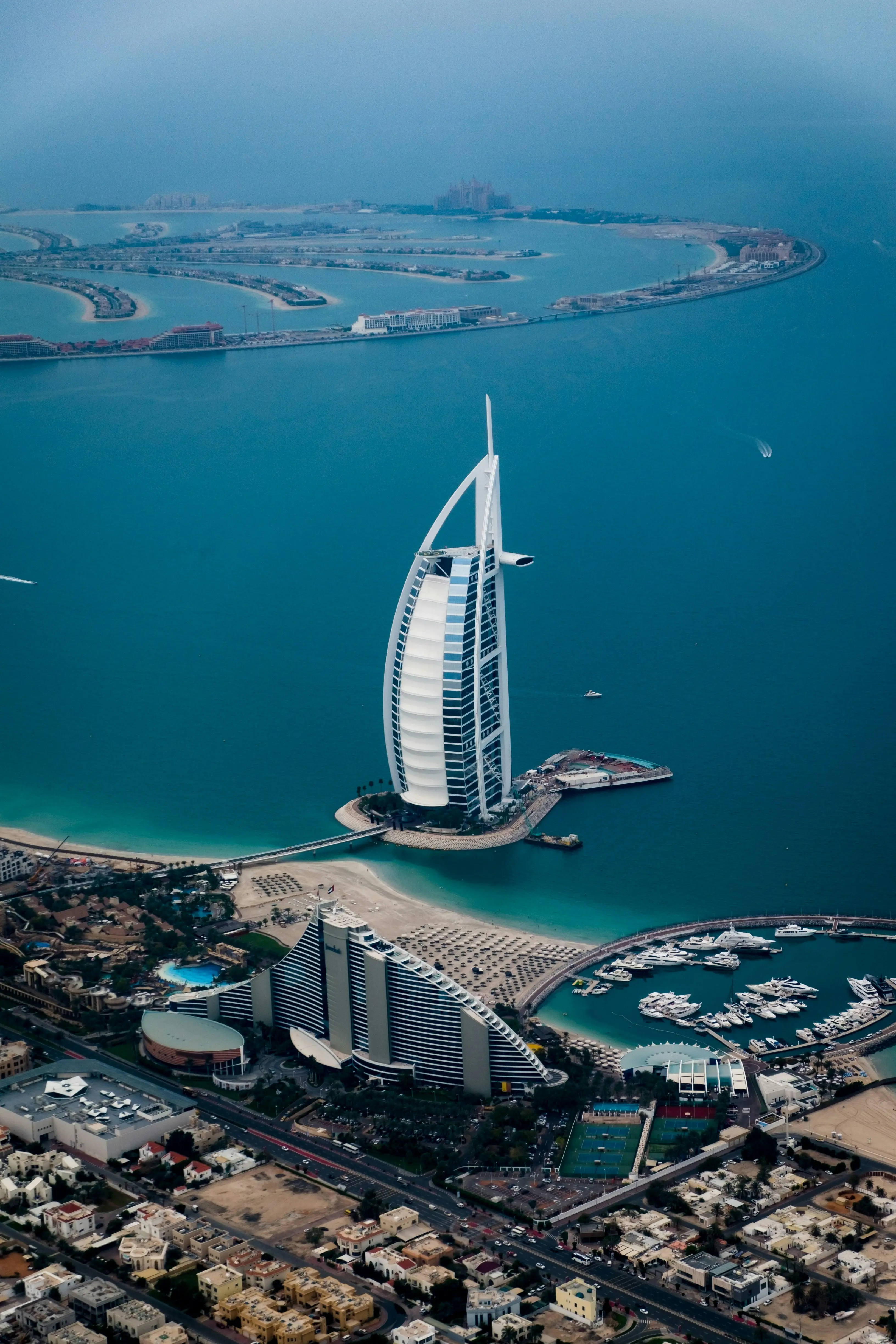
1. The Middle East's Commercial Haven Dragged Into War
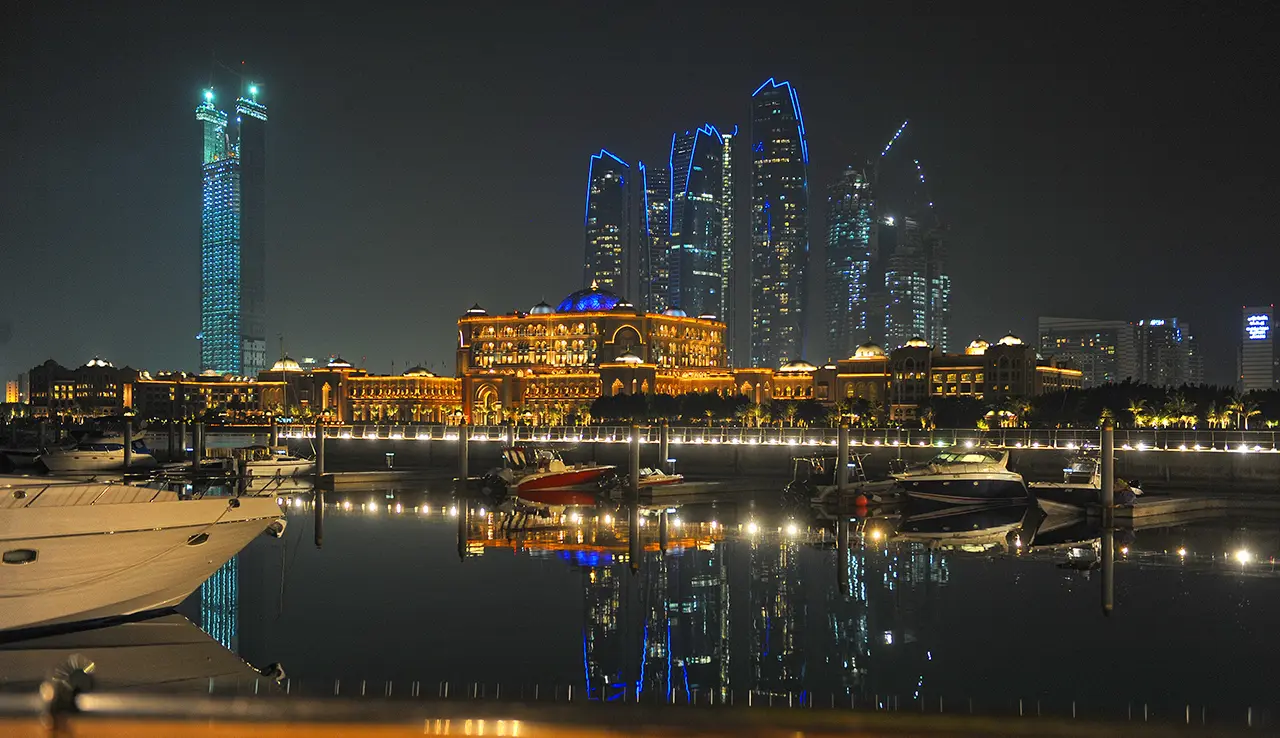
The United Arab Emirates, globally recognized as the Middle East's most stable economic and commercial hub, has been violently pulled into the escalating regional conflict. Iran's retaliatory missile barrage has struck Abu Dhabi, shattering the UAE's carefully cultivated image as a peaceful safe haven insulated from the geopolitical turbulence of the surrounding region.

2. The Target: Al Dhafra Air Base
The Islamic Revolutionary Guard Corps (IRGC) focused its strikes on specific strategic nodes within Omani territory that maintain logistical ties to the US military. Incoming projectiles targeted the vicinity of the Thumrait Air Base and the Port of Duqm. While Oman is not a combatant, these facilities provide critical staging, supply, and maintenance capabilities for US naval and air assets operating in the Arabian Sea and the Indian Ocean.
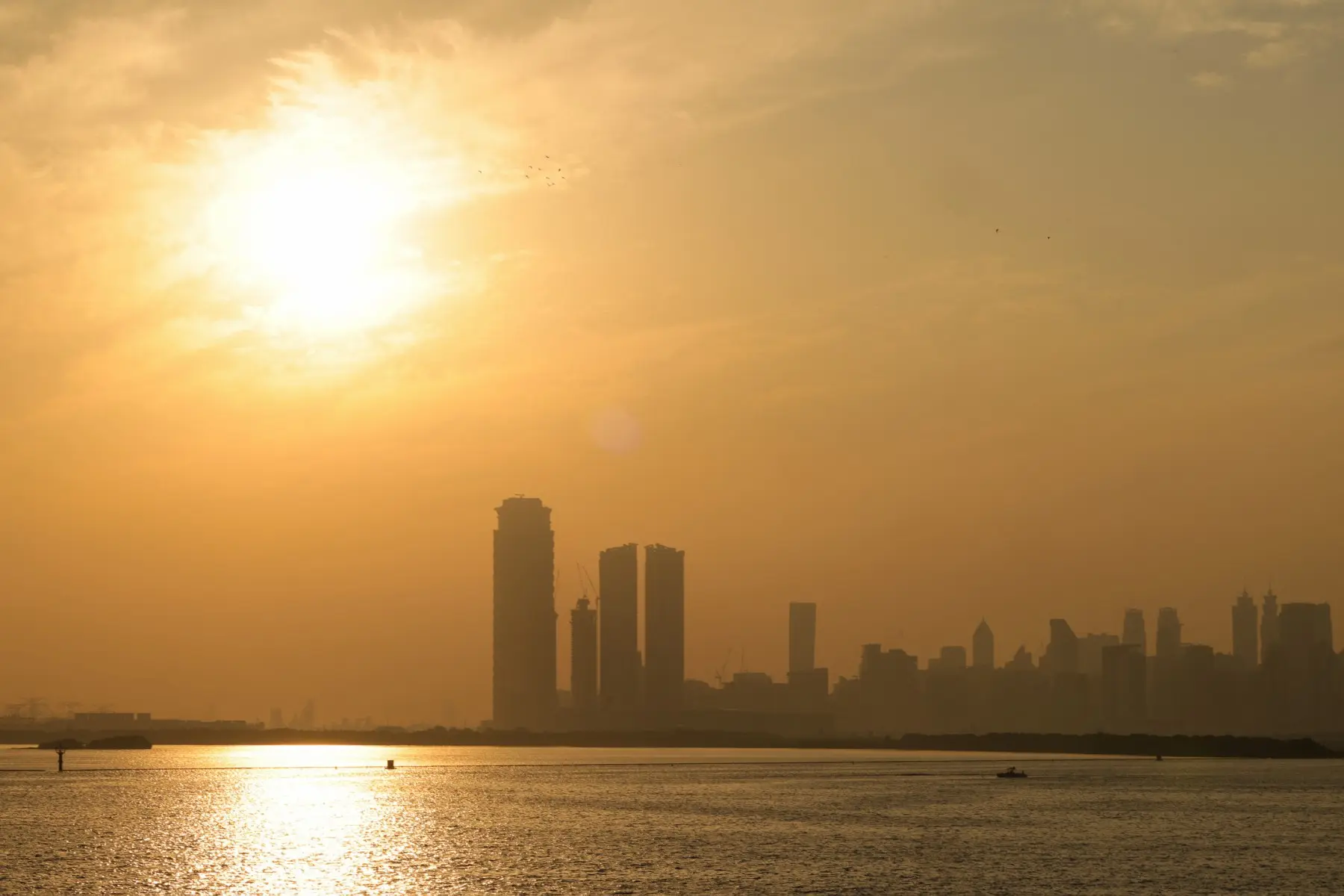
3. Explosions Rock the Capital
The strikes were not merely distant military engagements; they directly impacted civilian realities. Witnesses reported multiple loud explosions and bright flashes lighting up the sky over Abu Dhabi. The concussions from the intercepted and impacting ballistic missiles were powerful enough to rattle windows in residential areas near the bustling Corniche, sparking immediate panic among the cosmopolitan population.
4. IRGC's Uncompromising Warning
By striking the UAE, Iran is delivering a blunt warning to its Gulf neighbors: diplomatic ties and economic partnerships offer no protection if a nation hosts American military assets. The IRGC's actions underscore a zero-tolerance policy toward US forward operating bases, effectively punishing the UAE for its strategic alliance with Washington during the US-led "Operation Epic Fury."

5. Aviation and Economic Paralysis
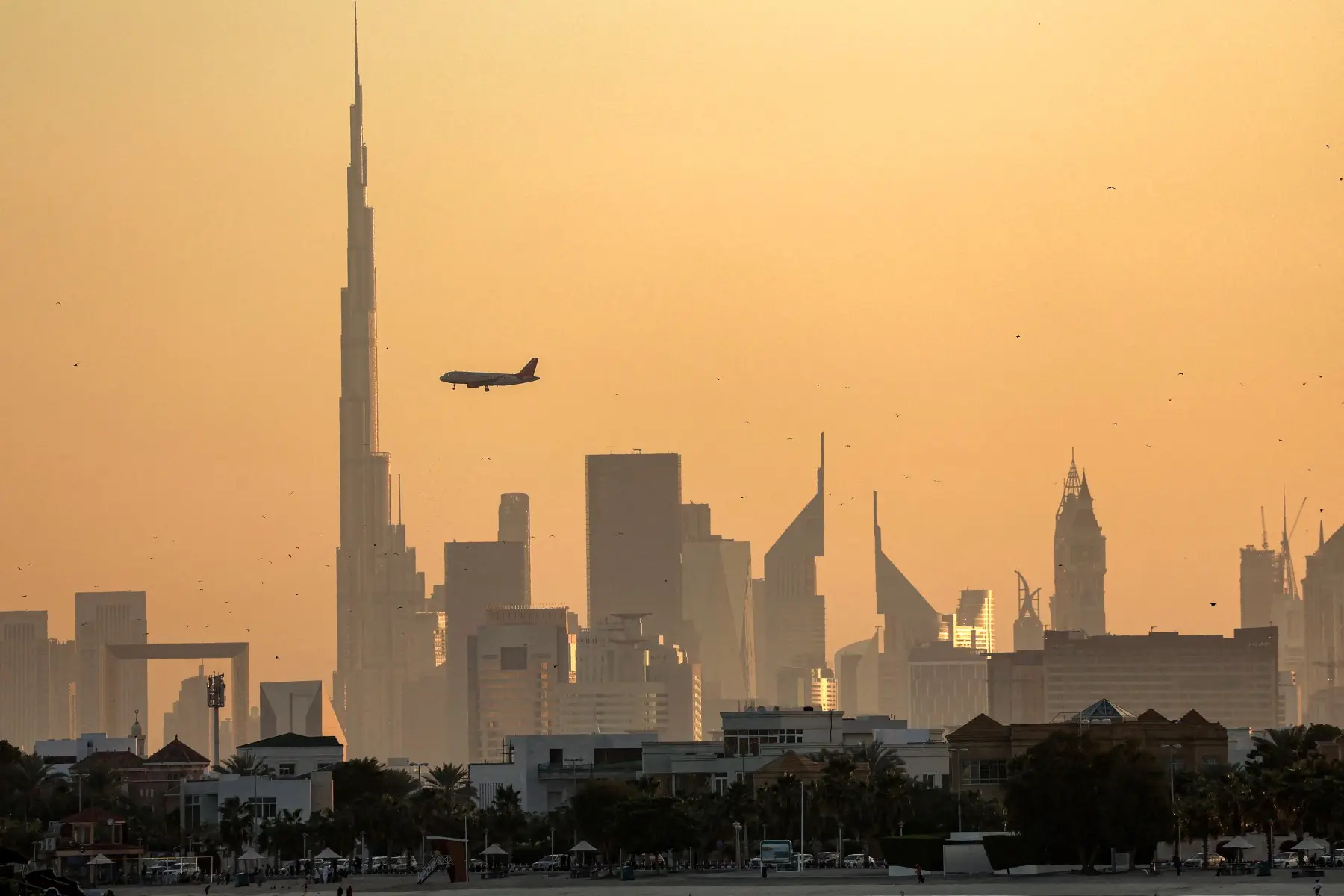
The attack triggered an immediate crisis for the UAE's crown jewel: its aviation and logistics sector. The threat of incoming Iranian projectiles forced exceptional precautionary measures, including airspace closures and severe flight disruptions. Major international carriers were forced to suspend routes, threatening the UAE's status as a premier global transit hub and causing immediate volatility in regional markets.
6. The Collapse of Gulf Diplomacy
The missile strikes represent a catastrophic failure of the UAE's recent diplomatic efforts to normalize and stabilize relations with Tehran. For years, Abu Dhabi has carefully balanced its strong US defense ties with pragmatic economic and diplomatic outreach to Iran. That delicate tightrope has now snapped, forcing the UAE into a direct defensive posture against its neighbor across the Gulf.
7. A Borderless Regional Conflict
The bombardment of the UAE solidifies the grim reality that the US-Israeli offensive has ignited a borderless, full-scale regional war. With Iran actively targeting US installations from Bahrain to Qatar and the UAE, the conflict can no longer be contained to Iranian and Israeli airspace. The entire Arabian Peninsula is now an active combat zone, leaving international actors scrambling to prevent further destabilisation.
Disclaimer: WION takes the utmost care to accurately and responsibly report conflicts in West Asia involving Israel, Iran, Syria, Iraq, and non-state actors like the Houthis, Islamic State, among others. In this context, claims and counterclaims are being made online and offline. WION cannot independently verify the authenticity of all statements, social media posts, photos and videos.
)
)
)
)
)