'Fake missiles, propaganda for Iran & more': Why 19 Indians were just arrested by UAE for deepfaking the strikes

Under UAE cybercrime laws, these acts of disseminating misinformation to undermine national security are punishable by a minimum of one year in prison and a mandatory fine of at least 100,000 AED (roughly $27,000 USD).
1. The Disinformation Syndicate
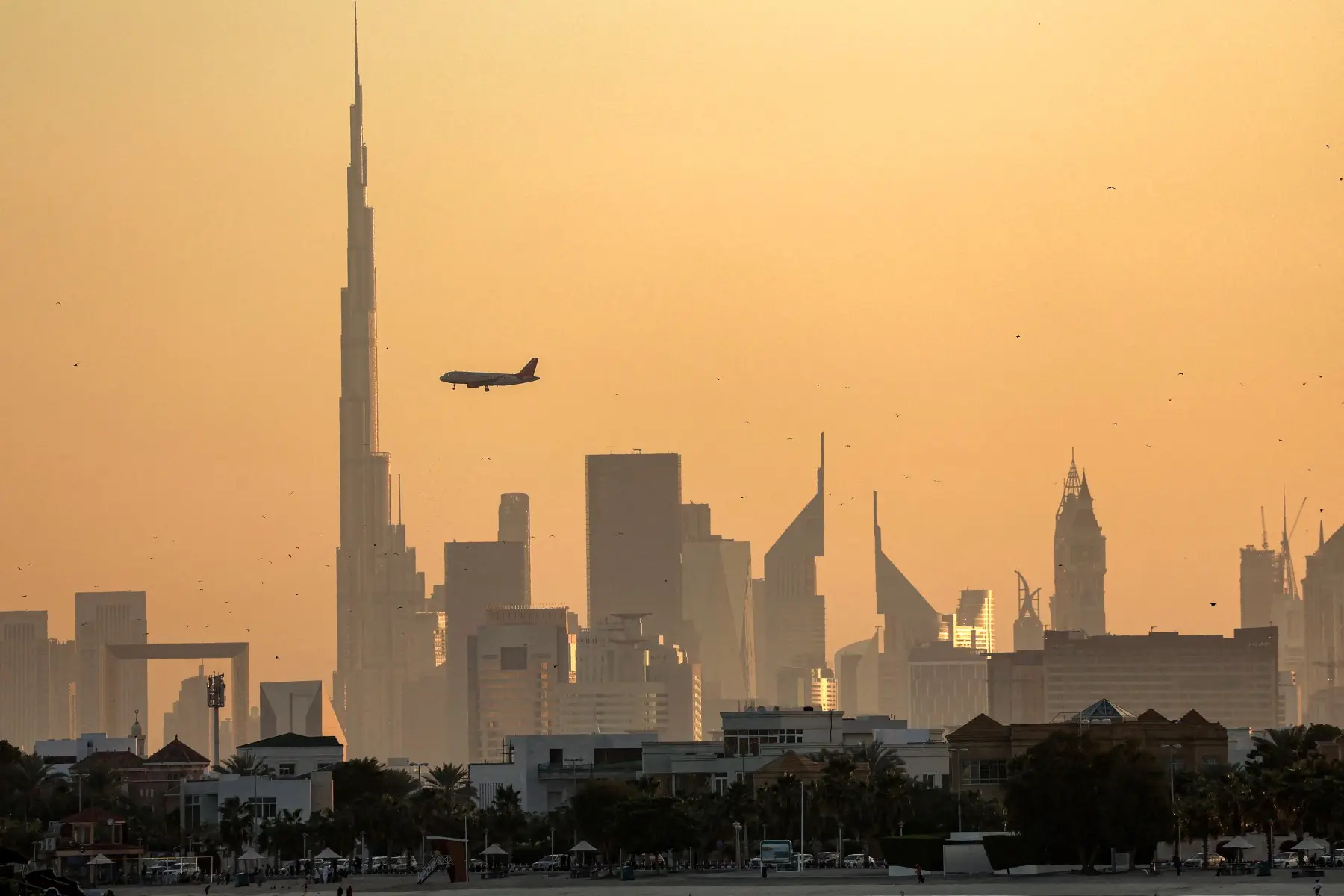
The UAE Attorney General, Hamad Saif Al Shamsi, confirmed that an intensive electronic monitoring operation uncovered a coordinated network divided into three distinct groups, said a report Times of India. These individuals were actively fabricating and distributing digital content on social media to create the illusion that the UAE was under catastrophic, apocalyptic attack from Iranian strikes, intentionally inciting mass public anxiety.
2. Weaponizing Authentic Footage
The first group (which included another 5 Indians) didn't use AI, but instead weaponised real footage. They filmed authentic clips of incoming missiles being intercepted by UAE air defences. However, before posting, they heavily edited the videos, adding fake, terrifying sound effects and commentary to suggest the defence systems had failed and active aggression was striking the ground. Authorities noted this footage also severely risked exposing the classified locations of the UAE's defensive shield.

3. The Deepfake "Synthetic Explosions"
The second group in this syndicate (which included 5 Indians) was heavily utilising AI image and video generators. According to the investigation, they published completely fabricated visual content depicting synthetic scenes of massive explosions and drone strikes hitting prominent UAE landmarks. To make the deepfakes appear credible, the creators specifically overlaid UAE national flags and current timestamps onto the AI-generated destruction.

4. Glorifying the Warlords
The third cell (consisting of 6 people, 5 of them Indians) was functioning as a direct propaganda arm for a "hostile state" (widely understood to be Iran). They were actively publishing content that glorified the regional military aggression of the hostile leadership, framing the ongoing ballistic missile strikes against neighboring Arab nations as heroic achievements and amplifying narratives harmful to the UAE's national security.

5. The Harsh Penalties
Dubai and Abu Dhabi do not tolerate threats to their internal stability, especially during a regional war. The accused have been remanded into custody and referred for an expedited trial. Under UAE cybercrime laws, these acts of disseminating misinformation to undermine national security are punishable by a minimum of one year in prison and a mandatory fine of at least 100,000 AED (roughly $27,000 USD).

6. The Threat is Real
The UAE's zero-tolerance policy right now is driven by absolute necessity. The country is grappling with massive regional instability. Real drones and missiles have already targeted infrastructure, including recent reports of fires at the Fujairah oil terminal and disruptions at Dubai International Airport. The government cannot afford to let AI-generated panic trigger a mass exodus of foreign capital and expatriate workers from its major cities.
7. The New Rules of Engagement
This sweep is a massive wake-up call for the global creator economy and expatriates living in the Gulf. It proves that in modern warfare, the digital front is monitored just as aggressively as the physical airspace. Fabricating AI content for social media clout or political trolling during an active geopolitical crisis is no longer just a platform violation—it is being prosecuted as an act of state subversion.
)
)
)
)
)