'F-35C vs F/A-18 Hornet’: Why 5th-gen fighter jets haven’t replaced Super Hornet aboard USS Abraham Lincoln

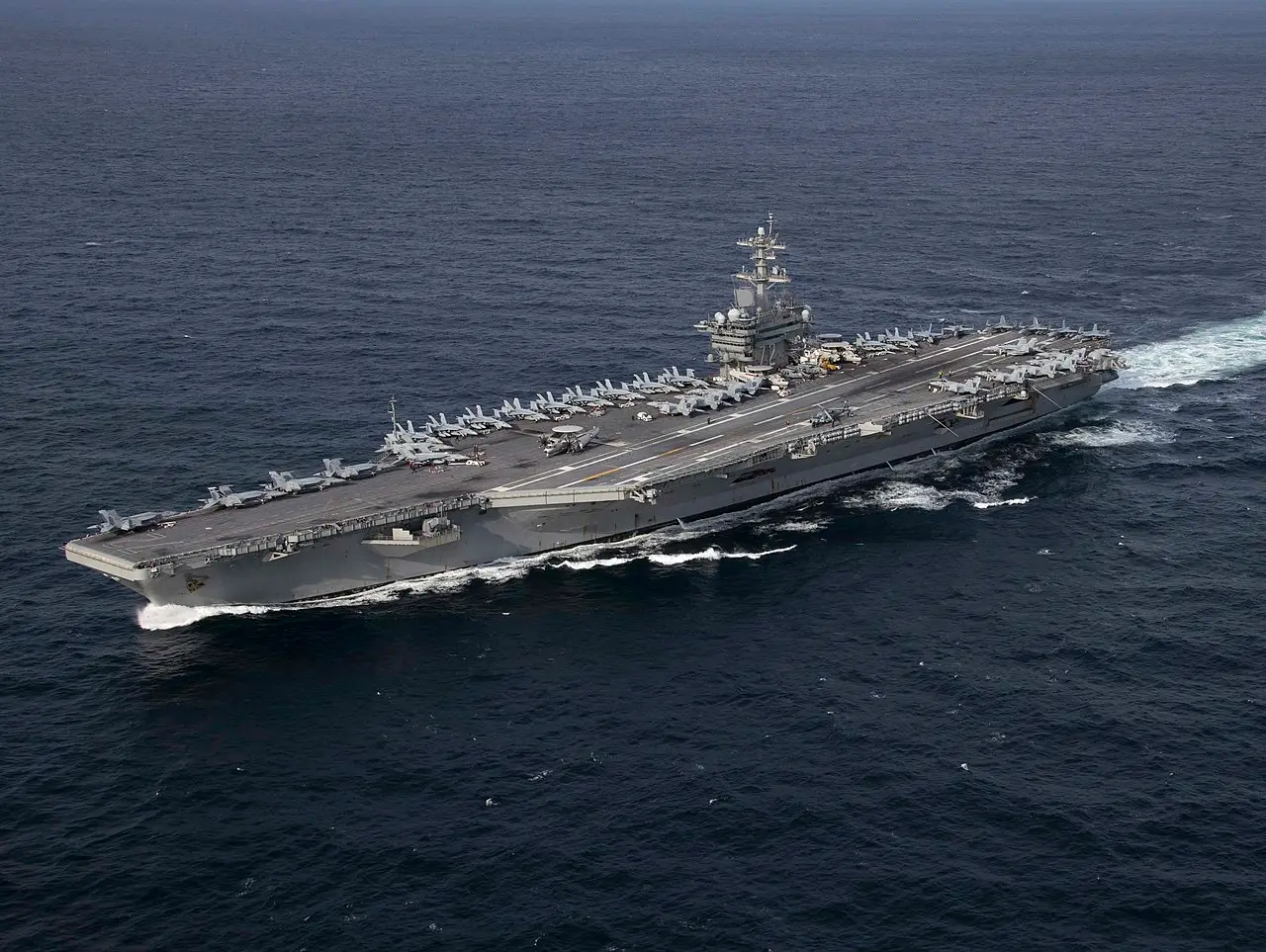
At the heart of this fifth Nimitz-class aircraft carrier posture is the F/A-18E/F Super Hornet, which continues to anchor US naval strike capability despite the arrival of fifth-generation fighters.
A fighter still central amid rising Middle East tensions
As the United States reinforces its military presence in the Middle East amid heightened tensions with Iran, aircraft carrier USS Abraham Lincoln and its's air wings remain at the centre of Washington’s deterrence posture. According to the Associated Press, the Pentagon has deployed fighter jets, an aircraft carrier strike group and supporting warships to the region. At the heart of this fifth Nimitz-class aircraft carrier posture is the F/A-18E/F Super Hornet, which continues to anchor US naval strike capability despite the arrival of fifth-generation fighters.
The backbone of carrier aviation
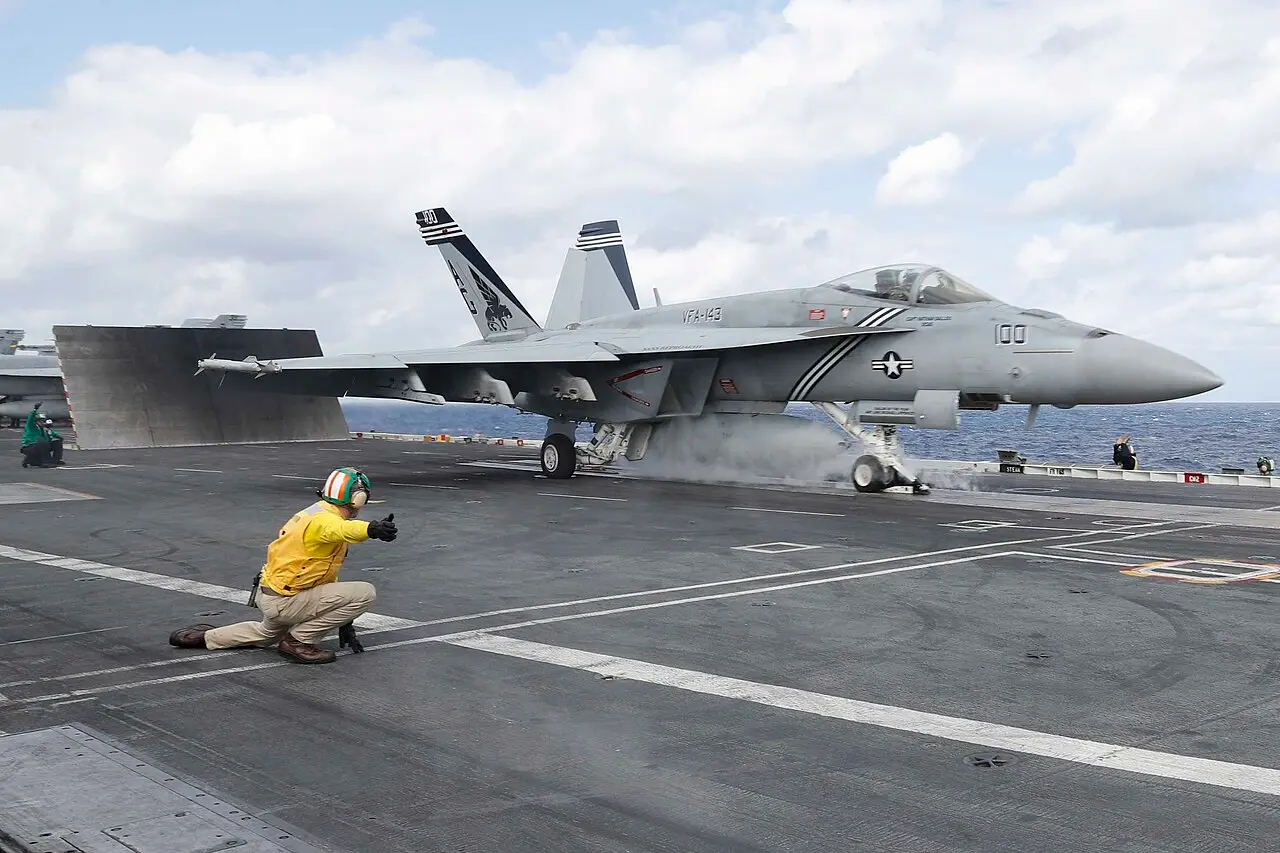
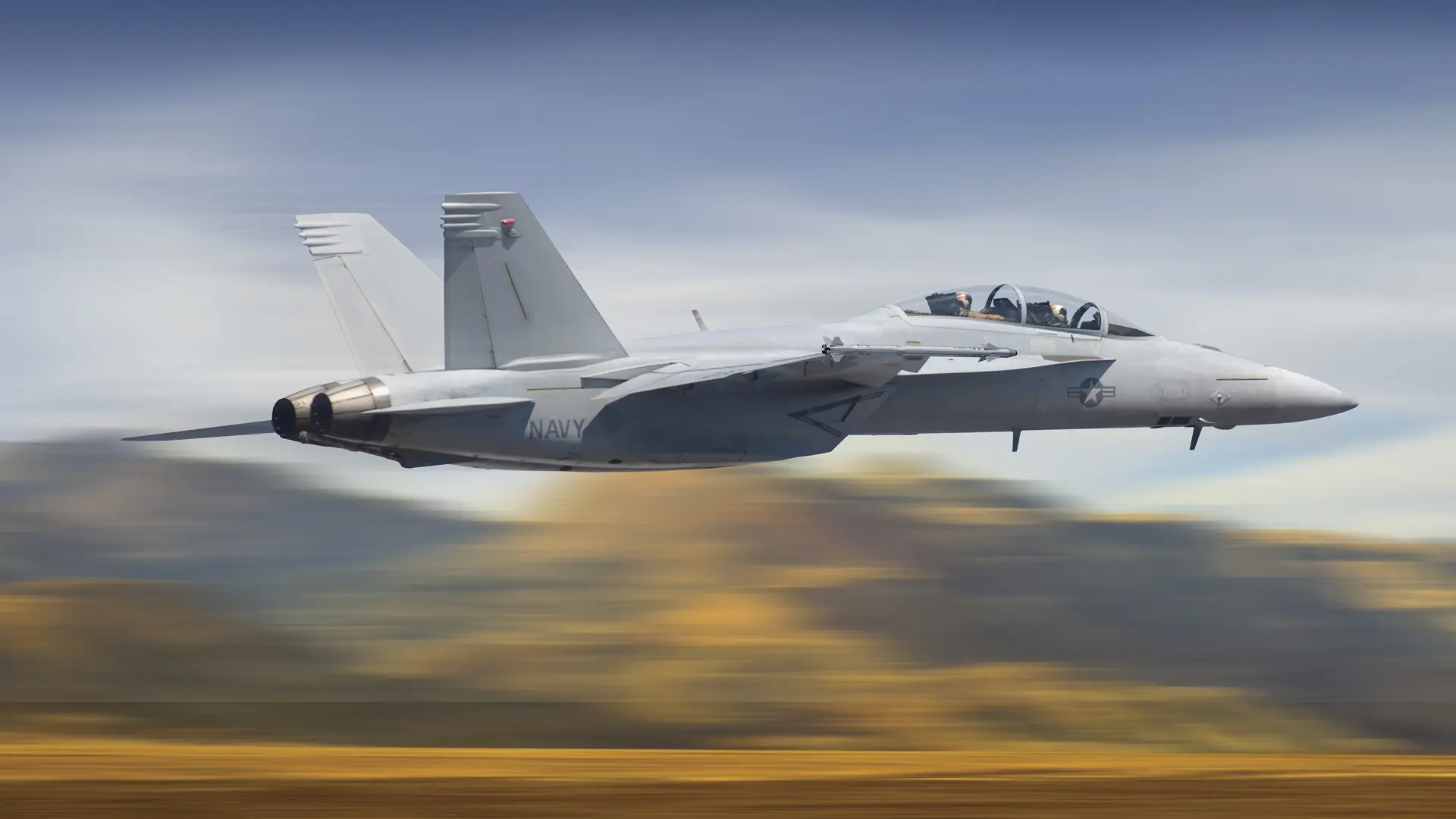
The Super Hornet remains the most widely deployed combat aircraft aboard US aircraft carriers. On the USS Abraham Lincoln (CVN-72), Carrier Air Wing Nine (CVW-9) relies heavily on F/A-18E/F squadrons to deliver air superiority, strike and maritime attack missions. Designed as a twin-engine multirole aircraft, the Super Hornet replaced several older platforms, simplifying carrier air wing composition while expanding operational flexibility.
Complementarity with F-35C
The F-35C brings stealth, advanced sensor fusion and long-range detection to CVW-9, qualities the Super Hornet lacks. However, the Super Hornet complements the F-35 C Lightening II. While F-35Cs penetrate defended airspace and gather intelligence, Super Hornets follow to deliver volume, sortie numbers and follow-on firepower.
Payload and reach that still matter
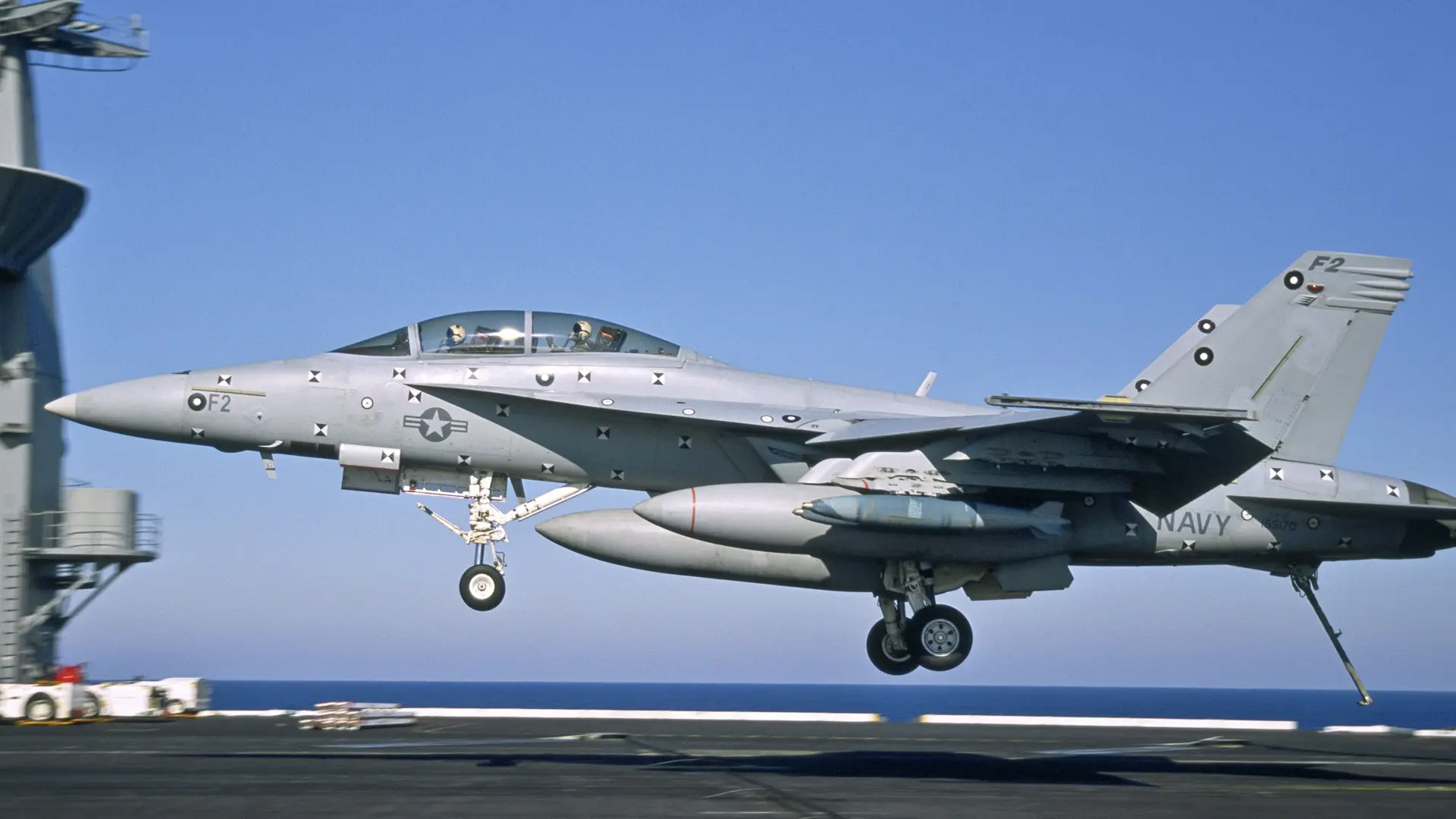
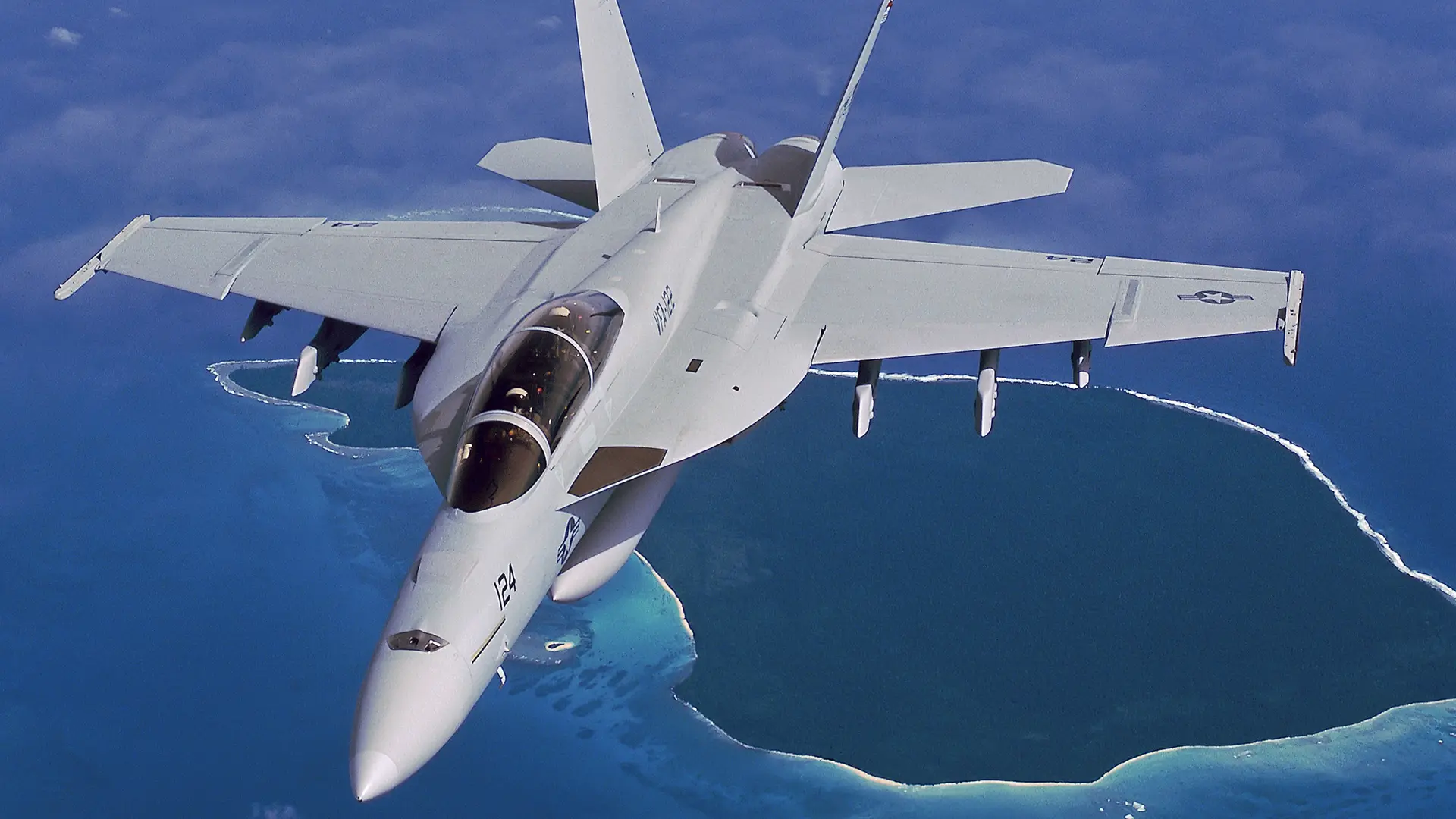
One of the aircraft’s most decisive advantages is its payload. The Super Hornet can carry more than 17,700 pounds of ordnance, including AIM-120 air-to-air missiles, Joint Direct Attack Munitions, and anti-ship weapons. With aerial refuelling, it can strike targets hundreds of miles inland, sustaining operations that demand persistence rather than stealth alone.
Strength in Numbers and Sortie Generation
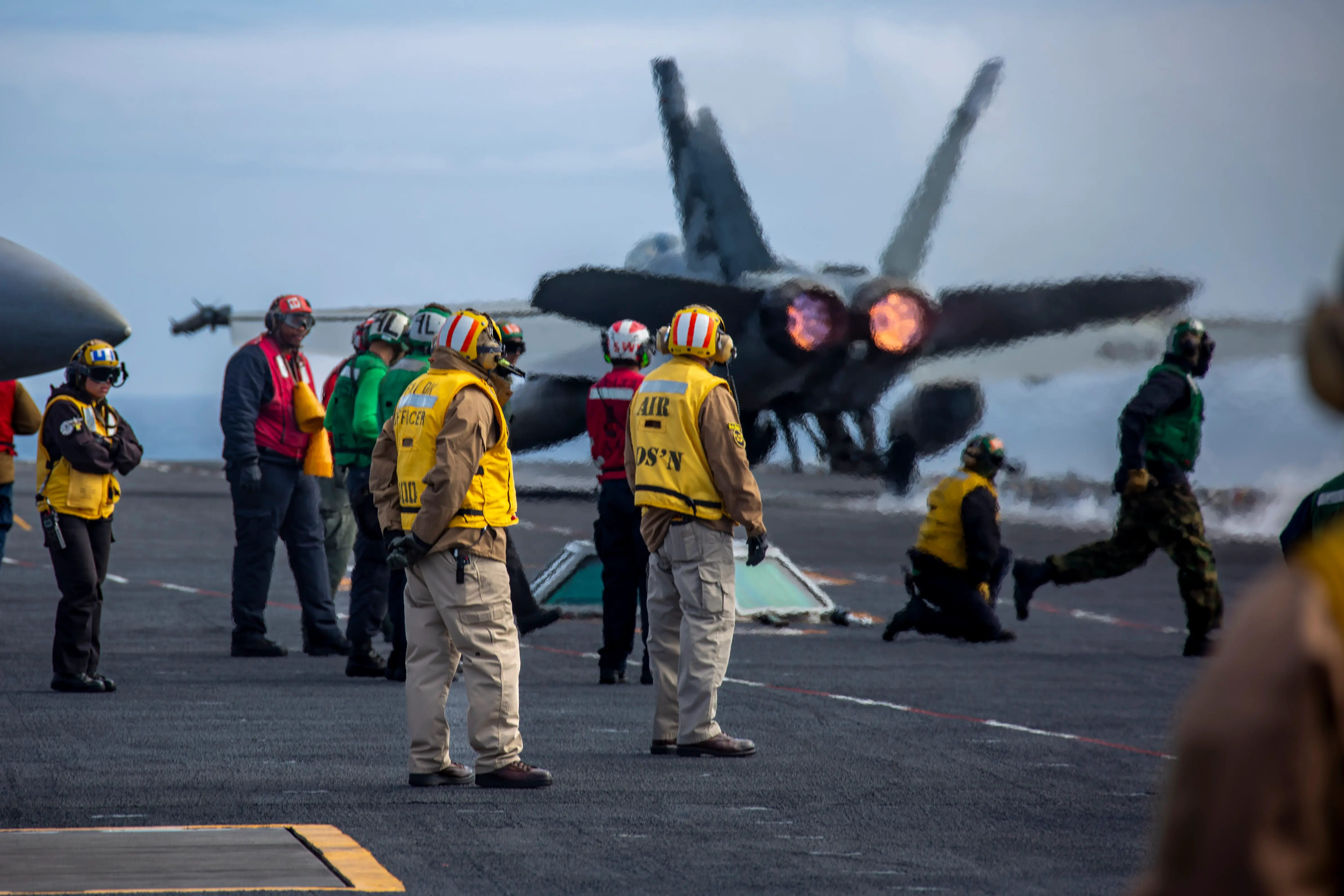
Unlike aircraft optimised for limited mission profiles, the Super Hornet is designed for repeated, high-tempo sorties from the deck of a carrier. Super Hornets can generate more sorties per day than fifth-generation jets, partly because they are less maintenance-intensive and built on a decades-long logistics and support ecosystem. Its reinforced landing gear, folding wings and proven reliability allow it to operate continuously in demanding maritime conditions, a critical factor during extended deployments.
Integration with electronic warfare
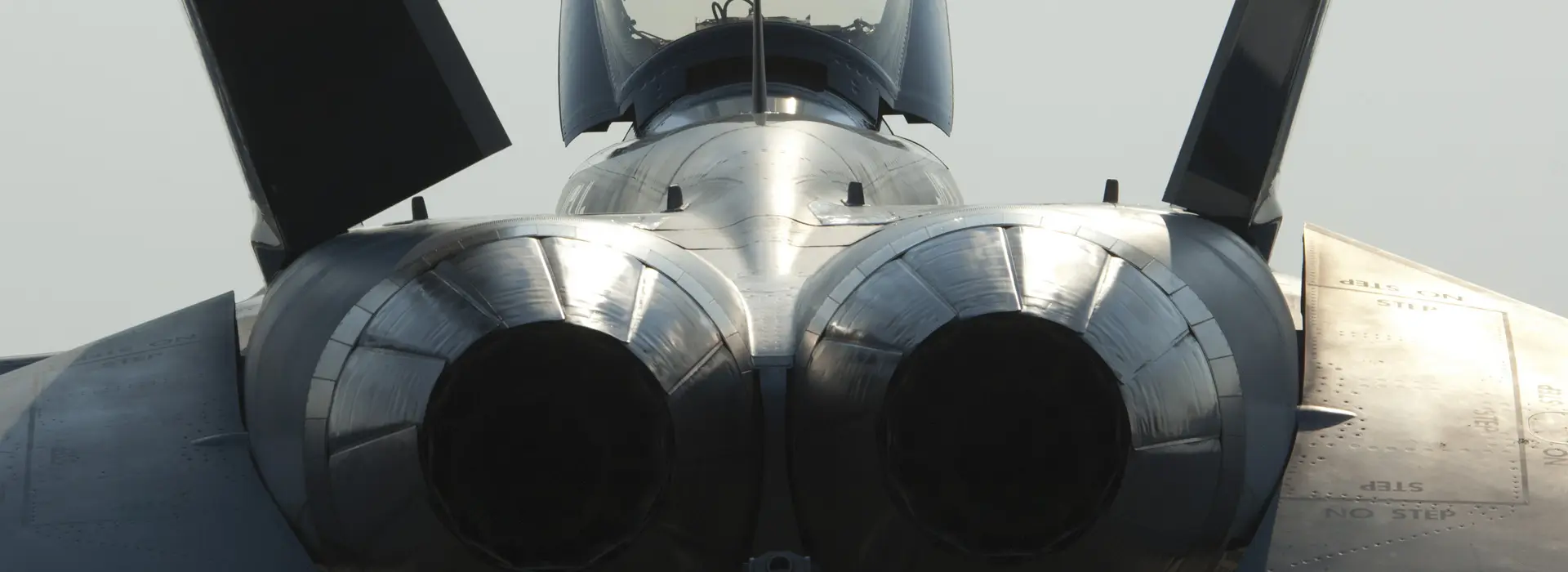
The Super Hornet’s effectiveness is amplified by its close integration with the EA-18G Growler. Operating together, they suppress enemy air defences, jam radar systems and clear the way for strike aircraft. This pairing ensures carriers can operate even against sophisticated missile and radar networks.
A combat-tested record
Aircraft from USS Abraham Lincoln, including Super Hornets, have flown combat missions over Iraq and Afghanistan in support of Operation Iraqi Freedom and later operations. Their ability to deliver sustained close air support and precision strikes has reinforced their value in real-world conflict, not just theoretical warfare. Thus, rather than being replaced by stealth aircraft, the Super Hornet complements them.
)

)
)
)