'F-35 vs Drug Cartels': Why America’s most advanced jet is entering a 'Narco War'

Using a $90 million jet to monitor cartel aircraft raises questions about cost-effectiveness. Critics argue that drones and smaller patrol planes can perform the same missions at lower expense.
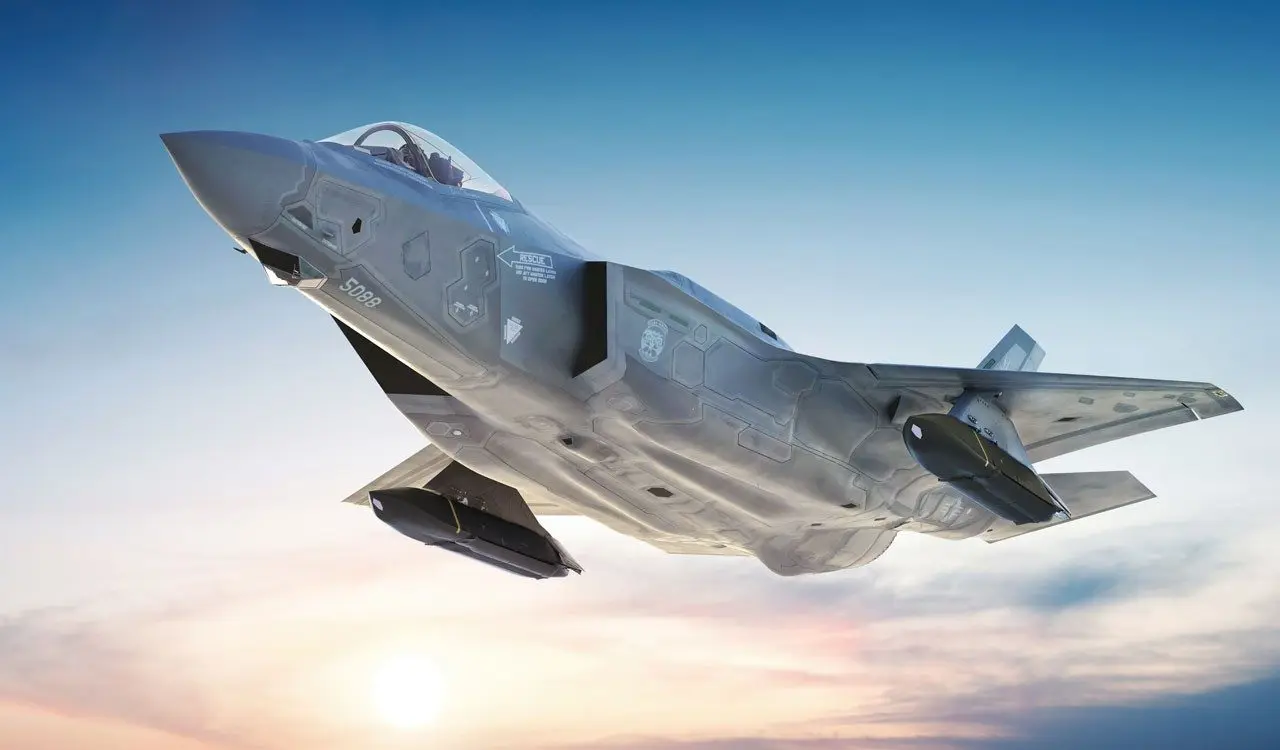
The Unlikely Matchup
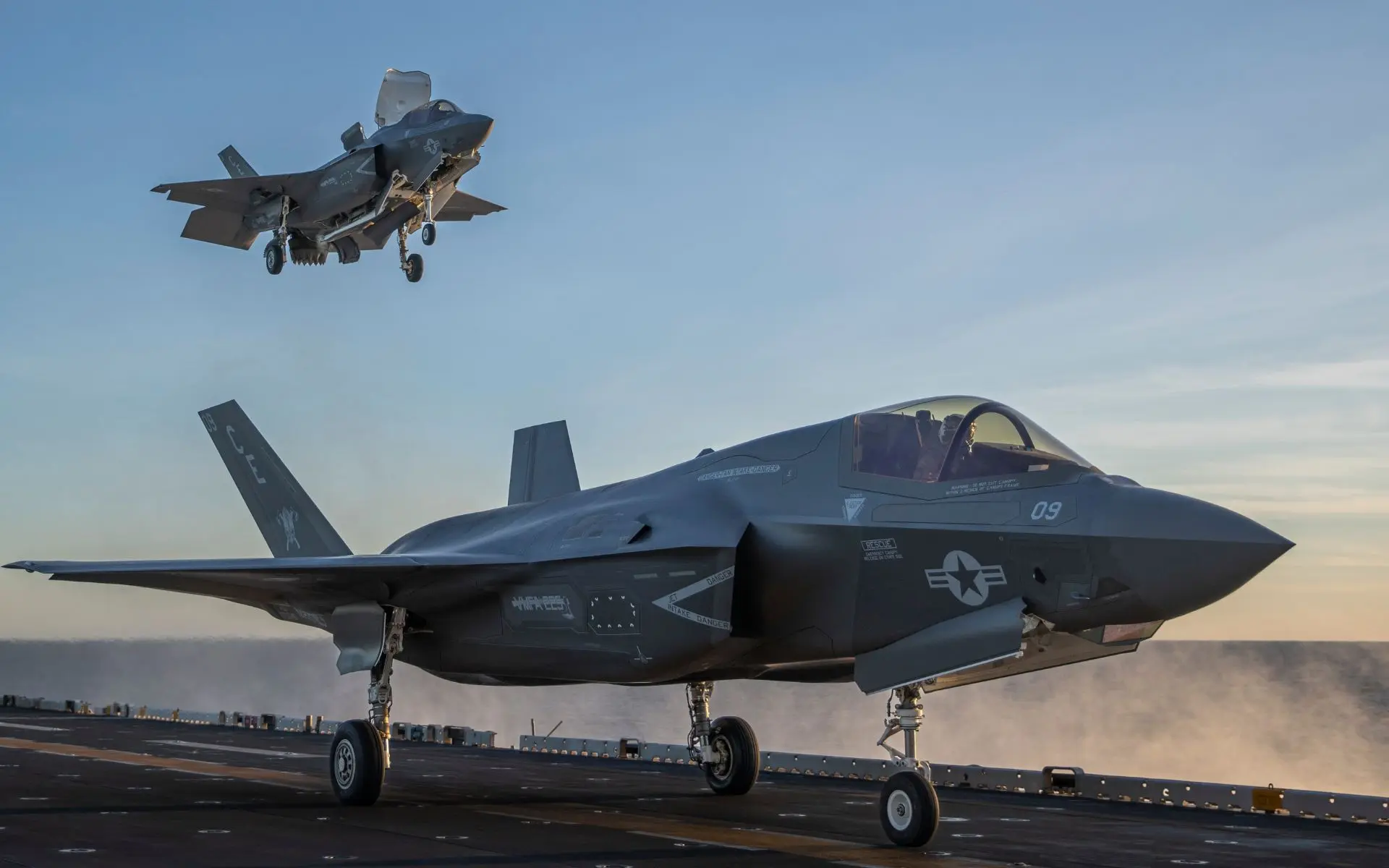
The F-35 Lightning II is designed for high-end conflicts against advanced militaries. Yet reports suggest its use is being considered in counter-narcotics missions along smuggling routes.
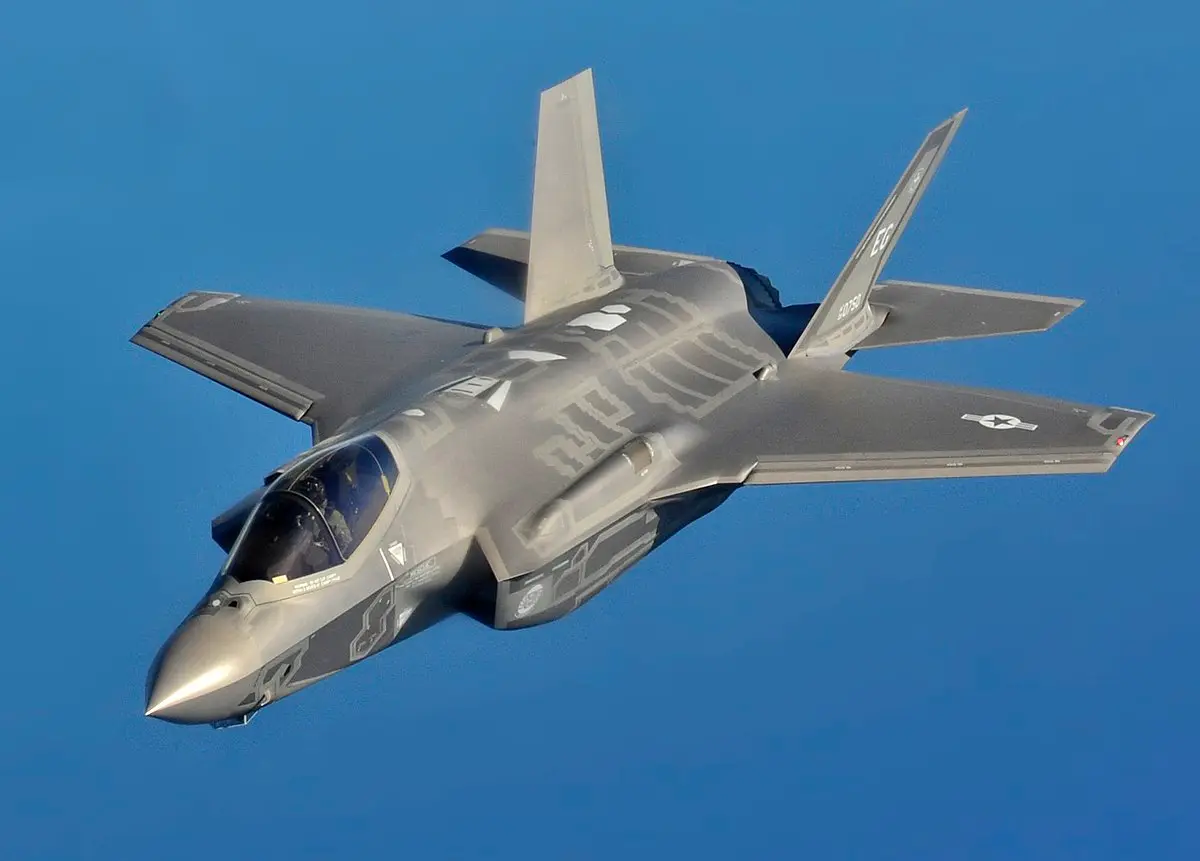
Why Use a Stealth Fighter?
Cartels increasingly employ fast aircraft, drones, and sophisticated radar-evading methods. An F-35’s surveillance and detection capabilities could outmatch these tools, providing a strategic edge.

Intelligence Gathering First
The F-35 is not just a fighter jet; it carries some of the world’s most advanced sensors. Rather than combat, its role in cartel operations would likely focus on locating and tracking smugglers.
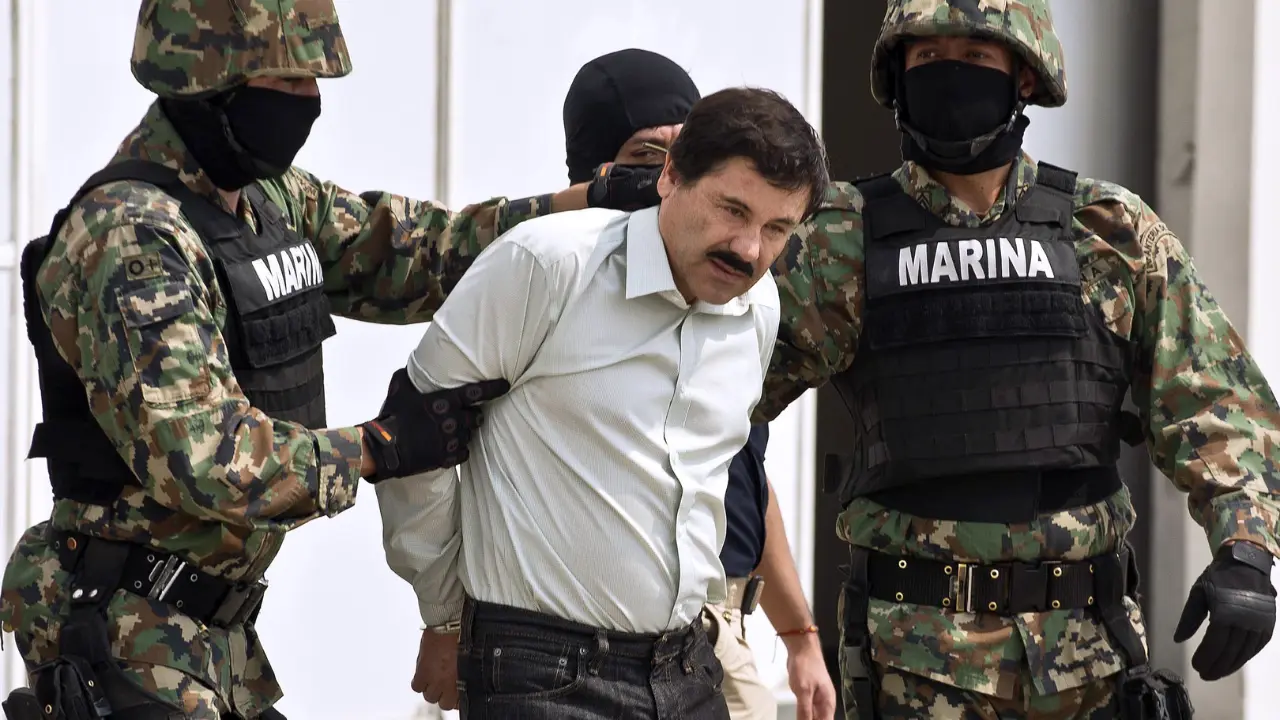
Cost vs. Effectiveness Debate
Using a $90 million jet to monitor cartel aircraft raises questions about cost-effectiveness. Critics argue that drones and smaller patrol planes can perform the same missions at lower expense.

Political and Legal Considerations
Deploying frontline combat aircraft in domestic or border enforcement roles blurs the line between military and law enforcement responsibilities. This creates debate over whether the move is appropriate.
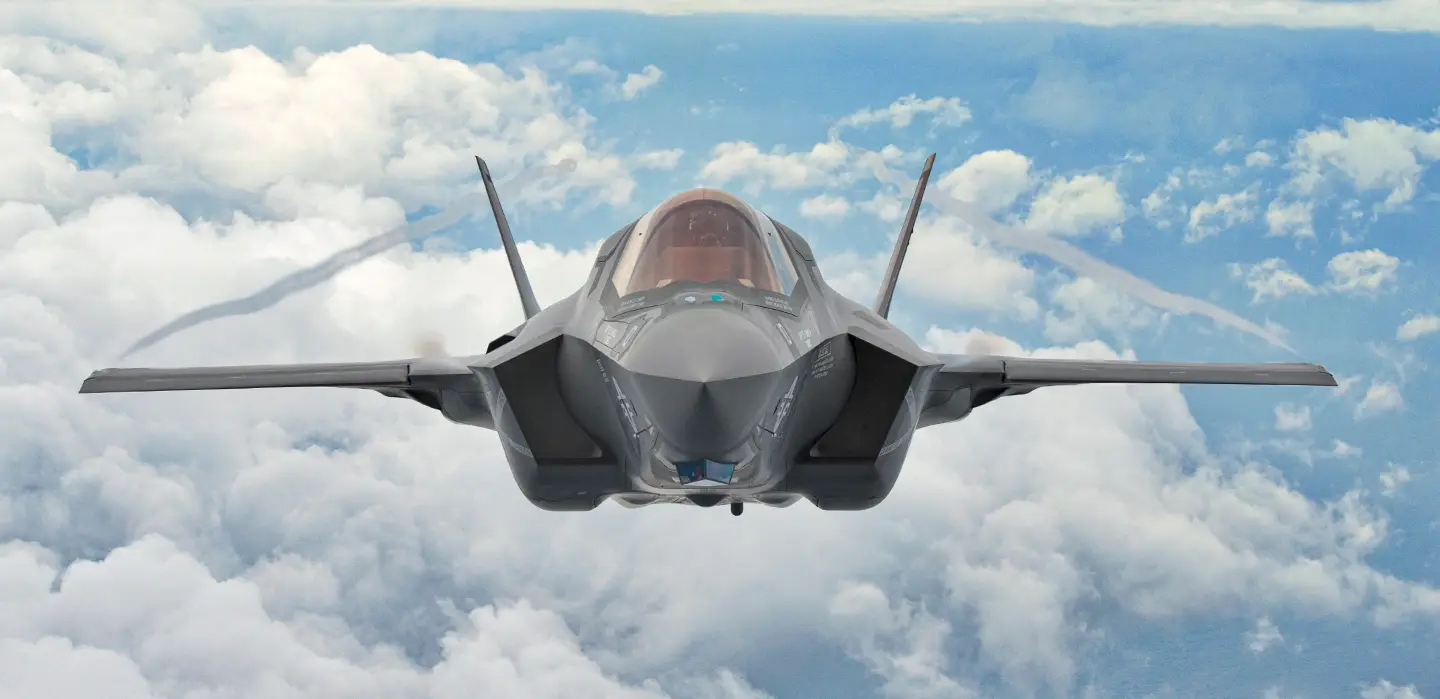
A Message of Deterrence
Beyond operational use, the presence of F-35s could act as a deterrent, signalling that the United States is willing to commit its most advanced platforms to counter organised crime.
Implications for Future Operations
If successful, the F-35’s role in counter-narcotics missions may reshape perceptions of how stealth fighters can be applied, extending their use from global conflict to unconventional security challenges.
)
)
)
)
)