‘F-22 killer’: How much of China’s J-20 stealth fighter jet was actually copied from America’s?

China’s Chengdu J-20 stealth fighter development was massively accelerated by cyber espionage. By stealing terabytes of classified F-35 and F-22 data from US contractors, Beijing successfully bypassed decades of costly aerospace research.
The 'Mighty Dragon's' Origins
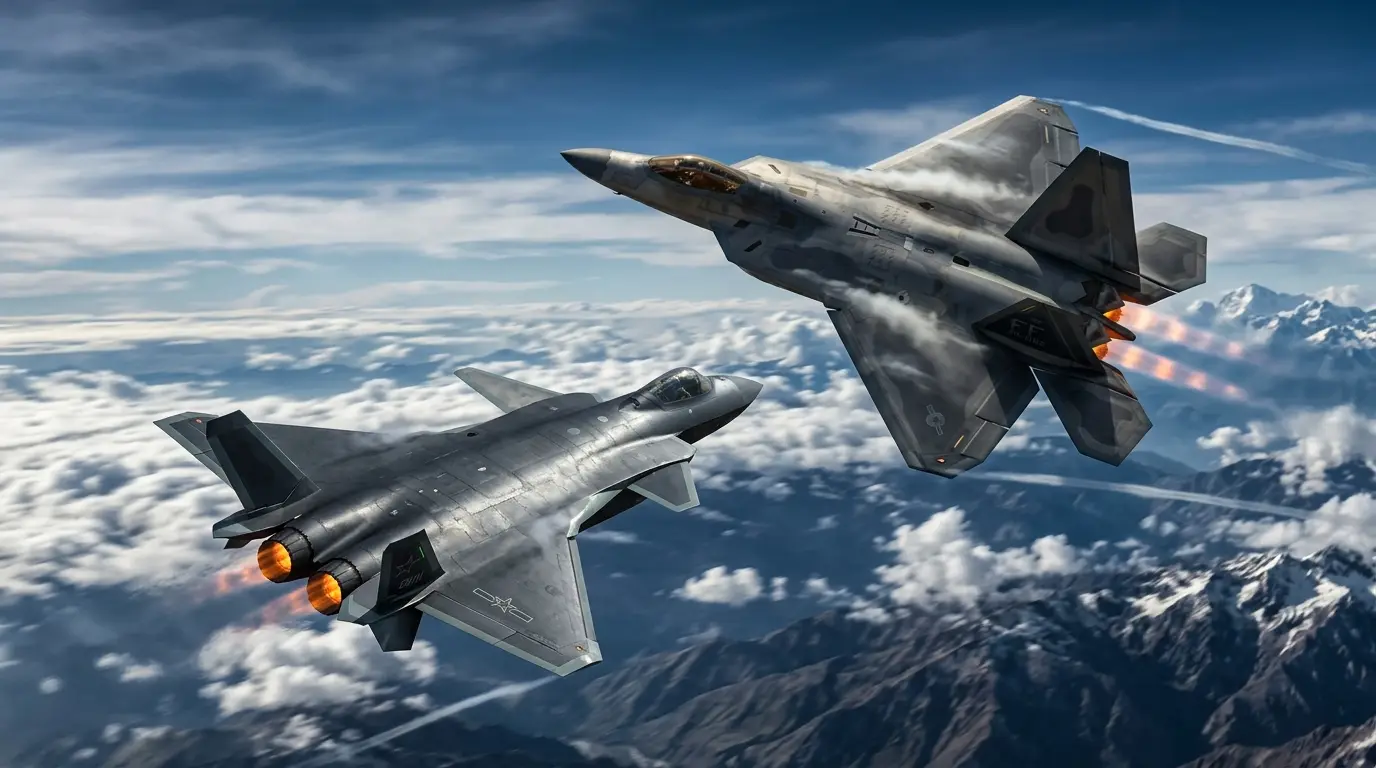
China debuted the Chengdu J-20 in 2011, shocking Western defence analysts with its rapid development timeline. Intelligence reports later revealed that Beijing likely accelerated this programme by bypassing decades of research through aggressive state-sponsored cyber espionage.
Operation Byzantine Hades
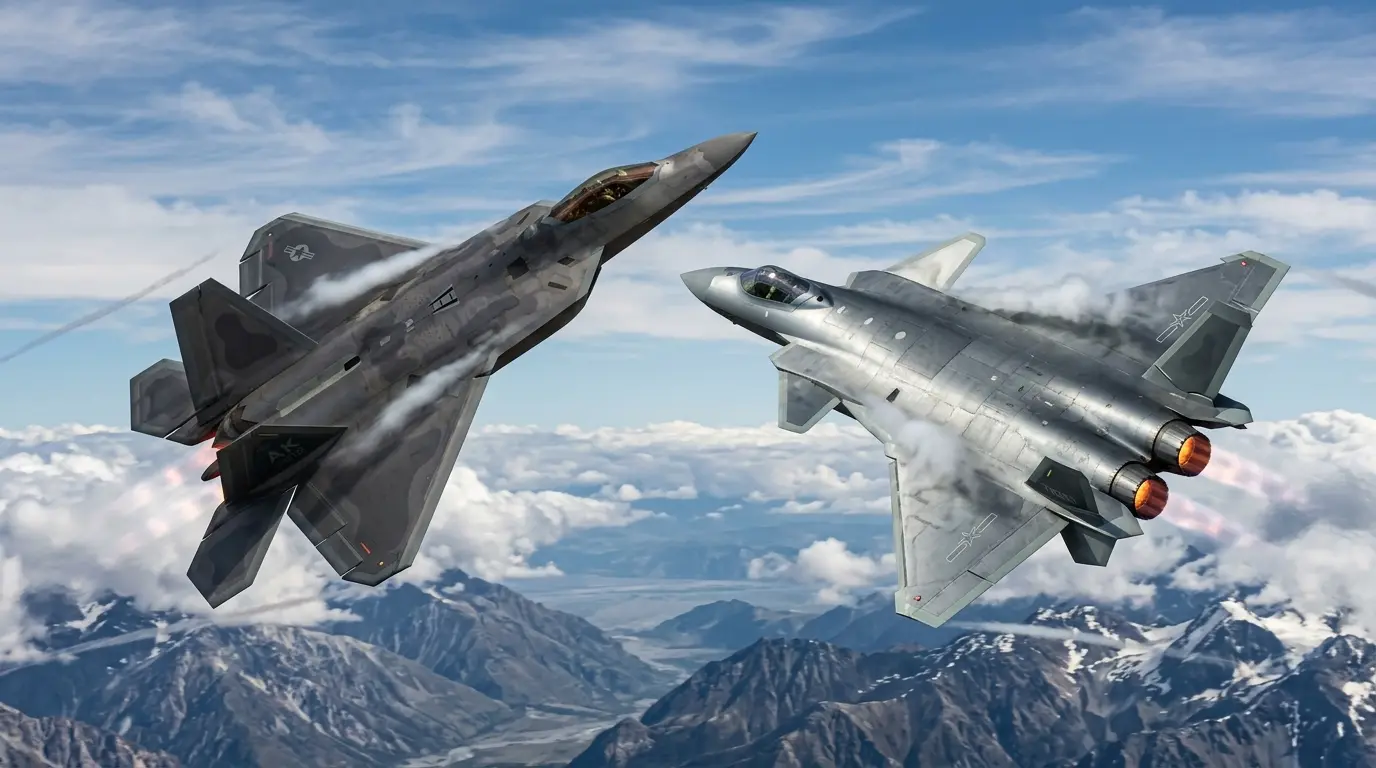
In the late 2000s, Chinese hackers executed 'Operation Byzantine Hades', a massive cyber breach targeting US defence contractors. The Pentagon confirmed that terabytes of classified data regarding the F-35 Lightning II and F-22 Raptor were successfully exfiltrated to Beijing.
Copying the Electro-Optics
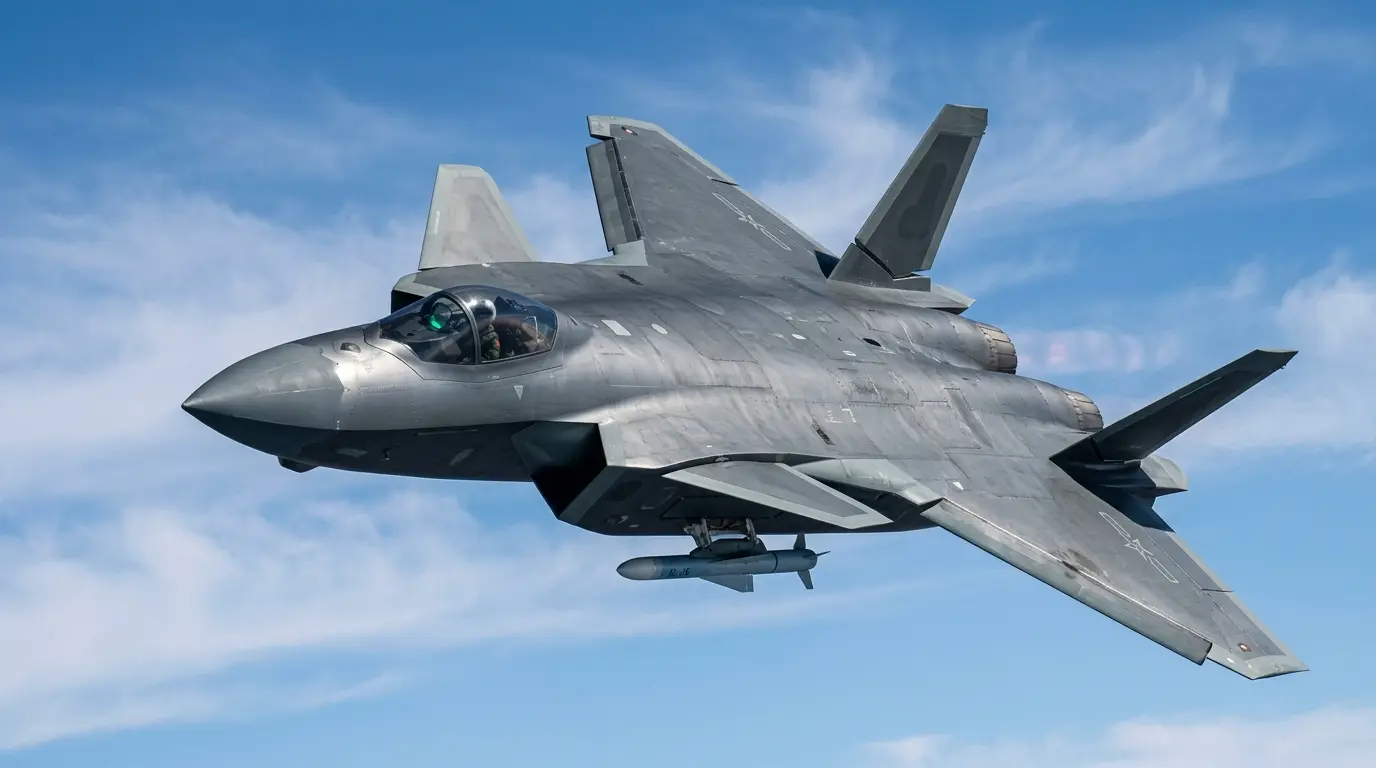
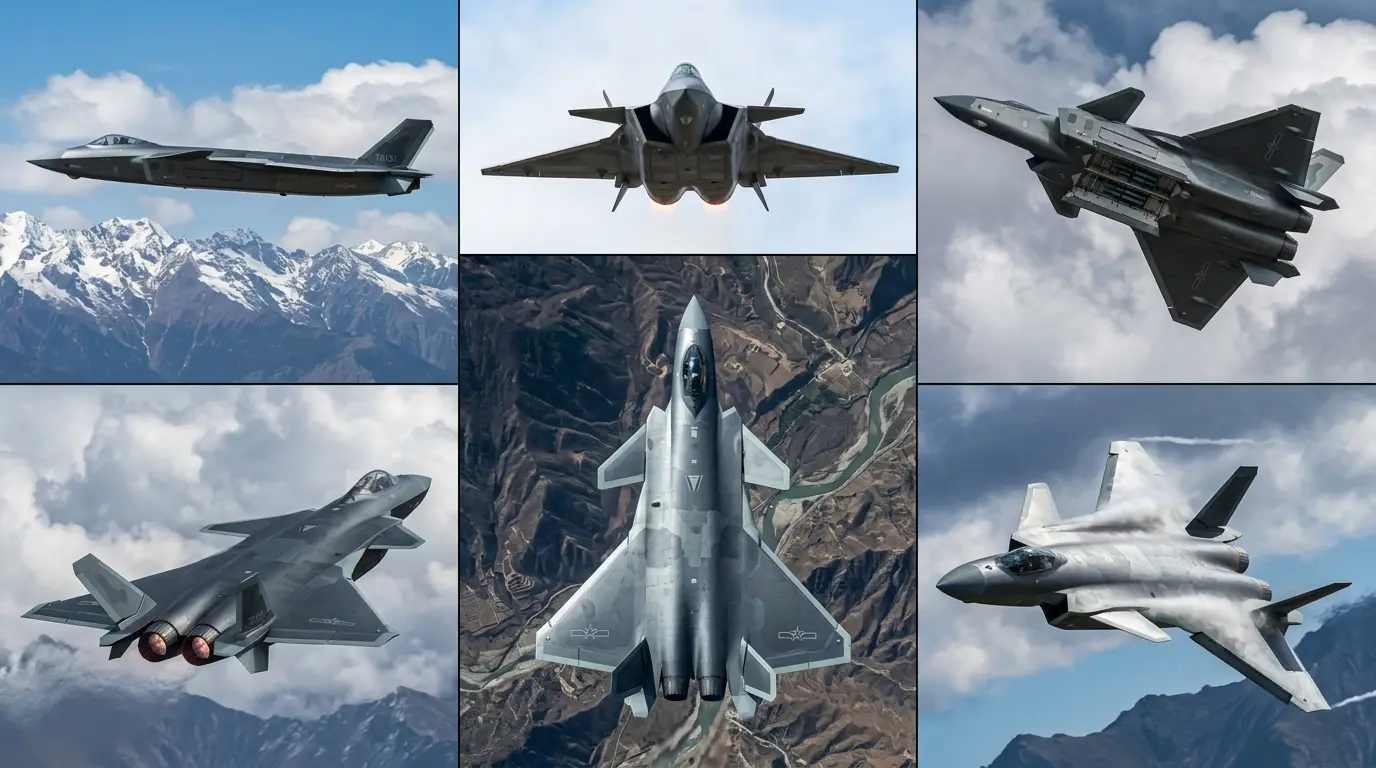
Analysts point to the J-20’s Electro-Optical Targeting System (EOTS) as a direct copy of the F-35’s chin-mounted sensor. Both systems utilise identical faceted stealth geometry to track adversaries without emitting detectable radar signals.
The Stealth Coating Secret
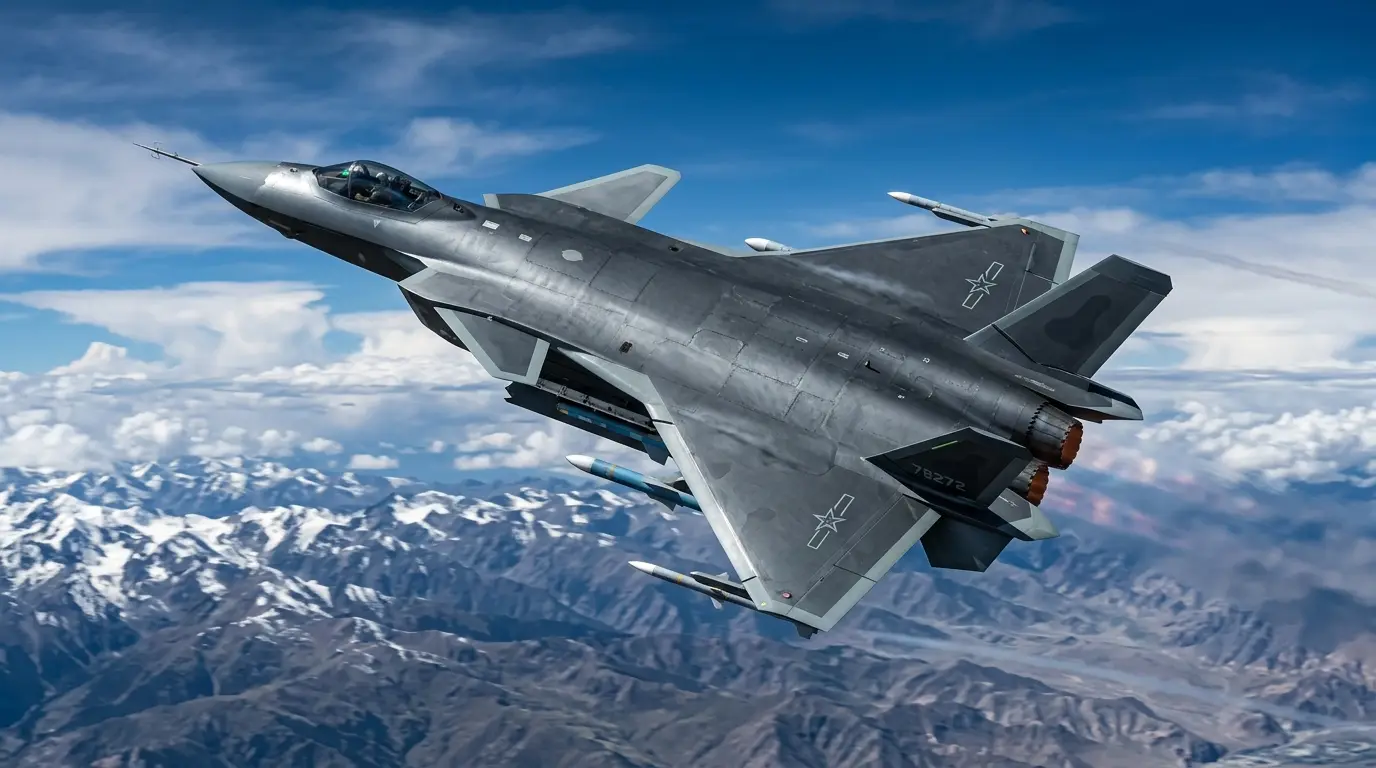
Developing radar-absorbent materials is a billion-dollar hurdle for any aerospace programme. US intelligence officials suspect China utilised stolen Lockheed Martin data to replicate the specialised radar-evading skin used on American fifth-generation fighters.
Indigenous Design Elements
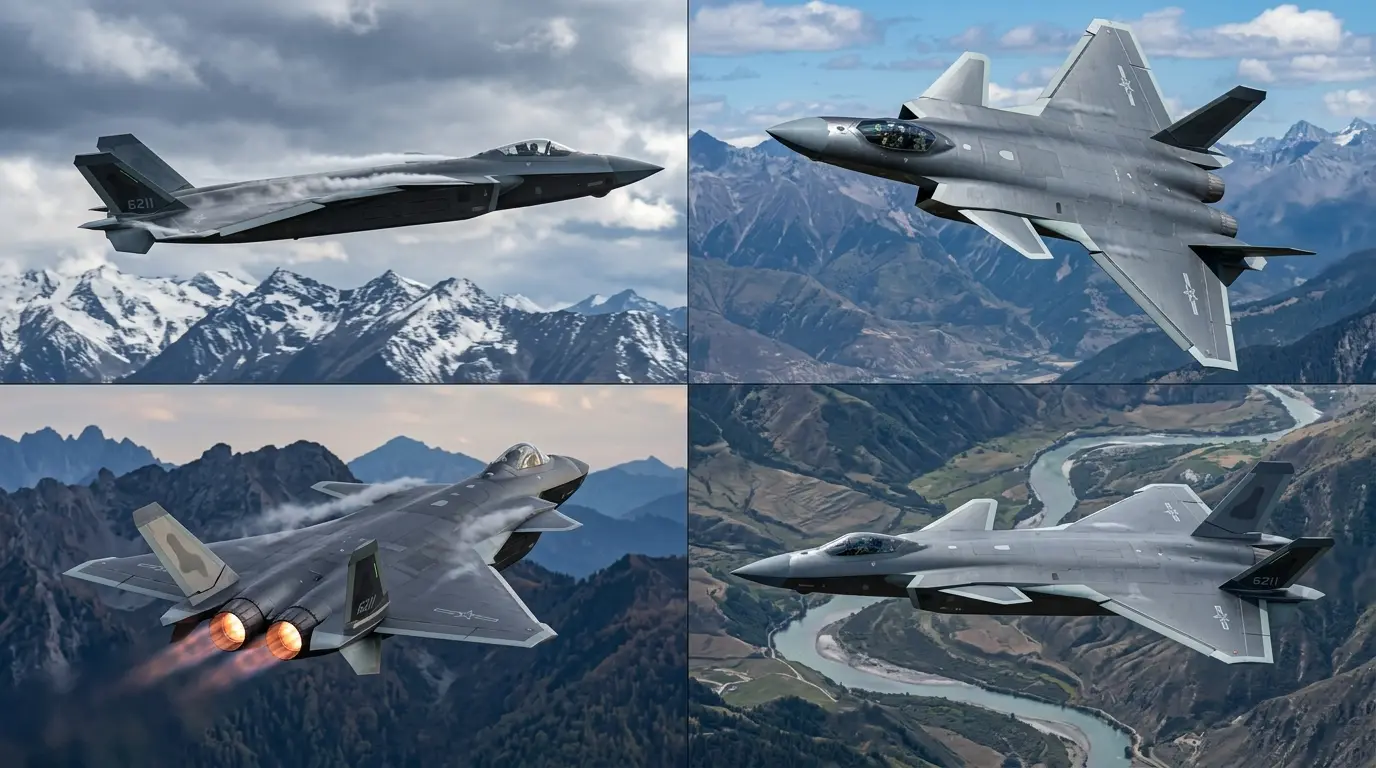
Despite the stolen technology, the J-20 is not a direct visual clone of any American jet. The aircraft uniquely features forward canards and a large, twin-engine delta wing configuration designed specifically for high-speed intercepts over the South China Sea.
The Engine Bottleneck
While China successfully copied avionics and sensors, reverse-engineering advanced jet engines proved incredibly difficult. Early J-20s relied on Russian AL-31 engines before Beijing finally perfected its indigenous WS-15 turbofans after decades of costly trial and error.
Closing the Capability Gap
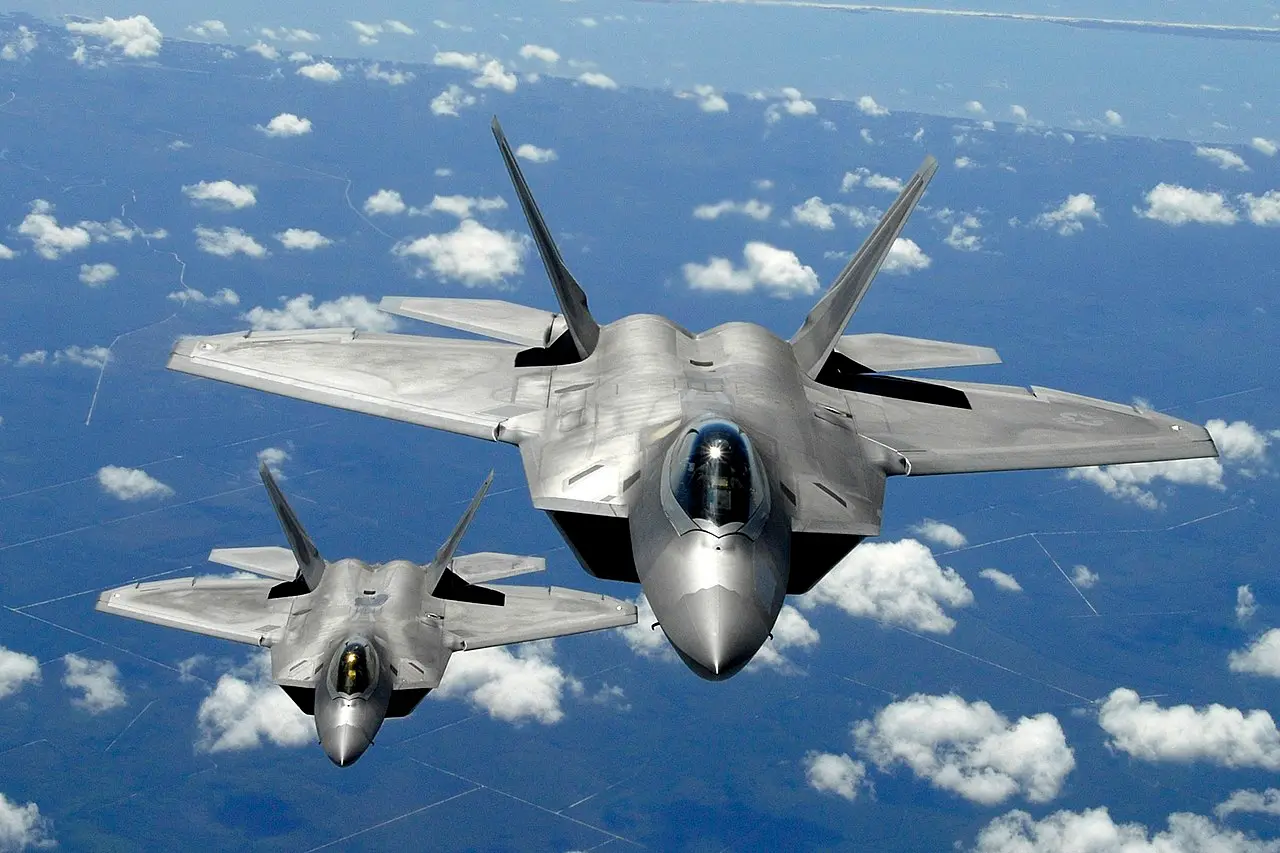
Today, the USD 120 million J-20 stands as a legitimate peer to the F-22 Raptor, boasting an impressive combat radius of 2,000 kilometres. By combining stolen American data with domestic engineering, China successfully erased a 20-year technological advantage in less than a decade.
)
)
)
)
)