‘Equal to four times around the globe’: How the USS Abraham Lincoln traveled over 100,000 miles without refueling

During a 290-day deployment, the USS Abraham Lincoln travelled over 100,000 miles equal to circling the globe four times. Powered by two nuclear reactors, the ship operates for 20 years without refuelling, ensuring unmatched global reach.
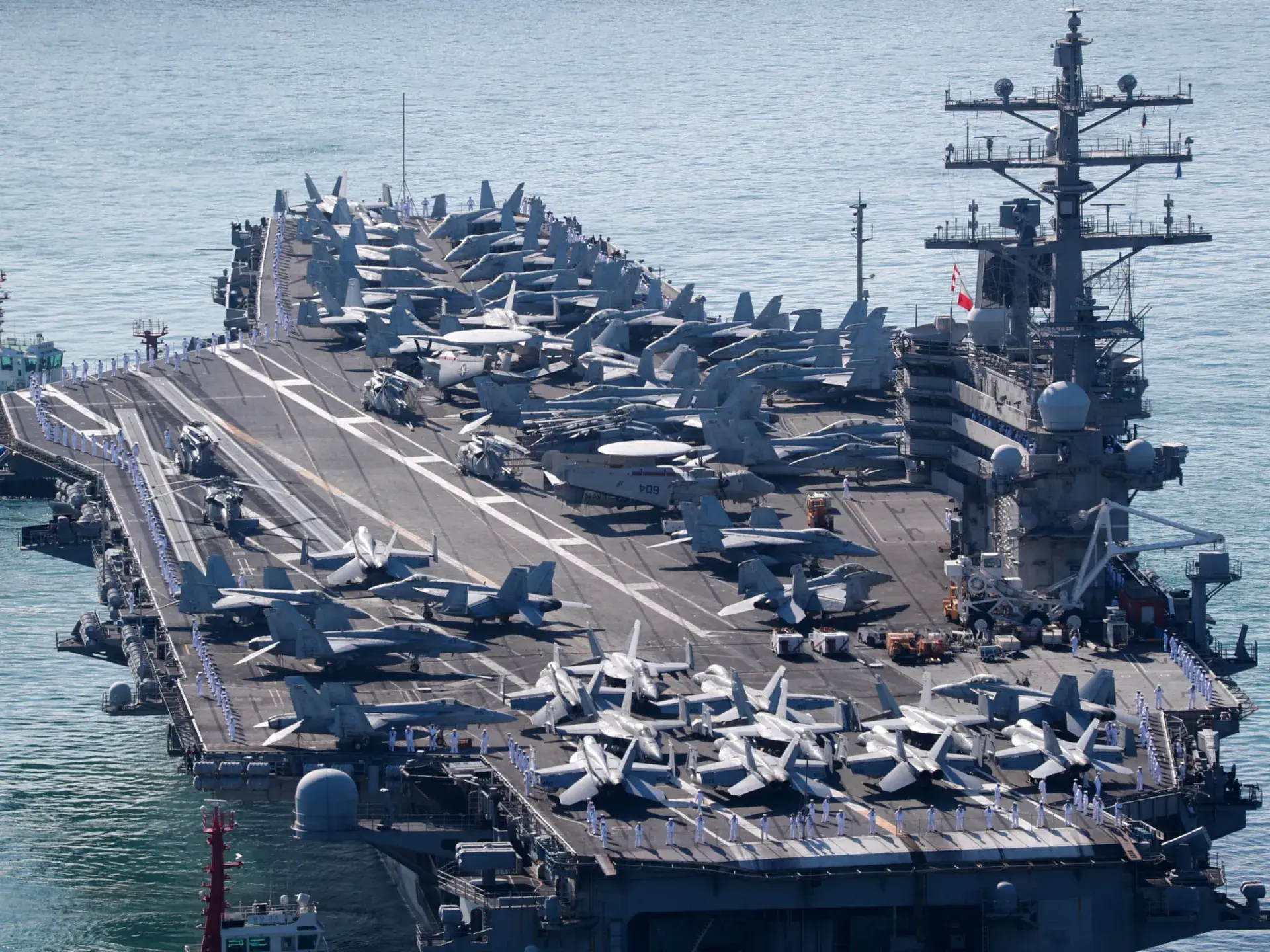
A 290-day historic deployment
In 2003, the USS Abraham Lincoln completed a record-breaking 290-day deployment to support military operations in the Middle East. According to US Senate records, the ship remained at sea without ever needing to refuel its own engines.
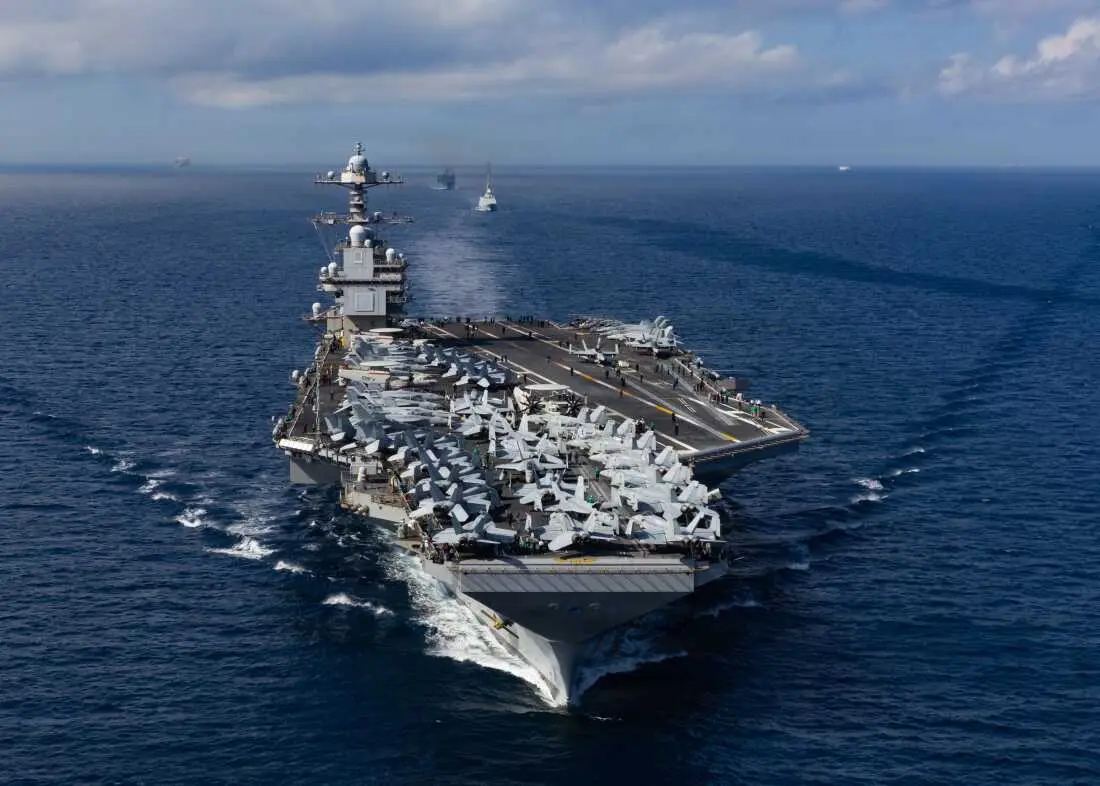
Travelling over 100,000 miles
During this extended mission, the Nimitz-class carrier sailed more than 100,000 miles across the world's oceans. A US Senate press release notes this immense physical distance is roughly equivalent to circling the Earth four times.
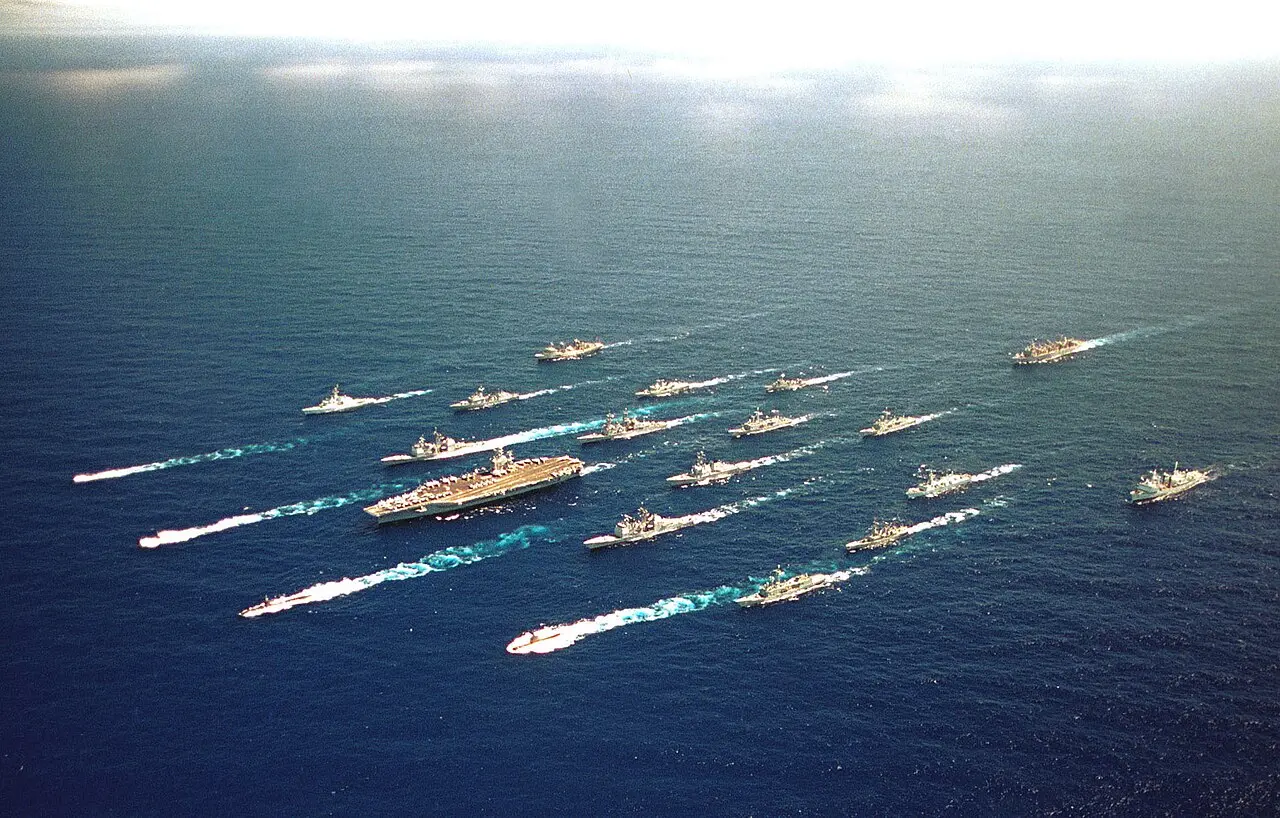
Powered by 2 nuclear reactors
The secret behind this endurance is the ship's propulsion system, which relies on two Westinghouse A4W nuclear reactors. The US Navy confirms these reactors generate enough heat to create steam, driving the carrier's four massive propeller shafts.
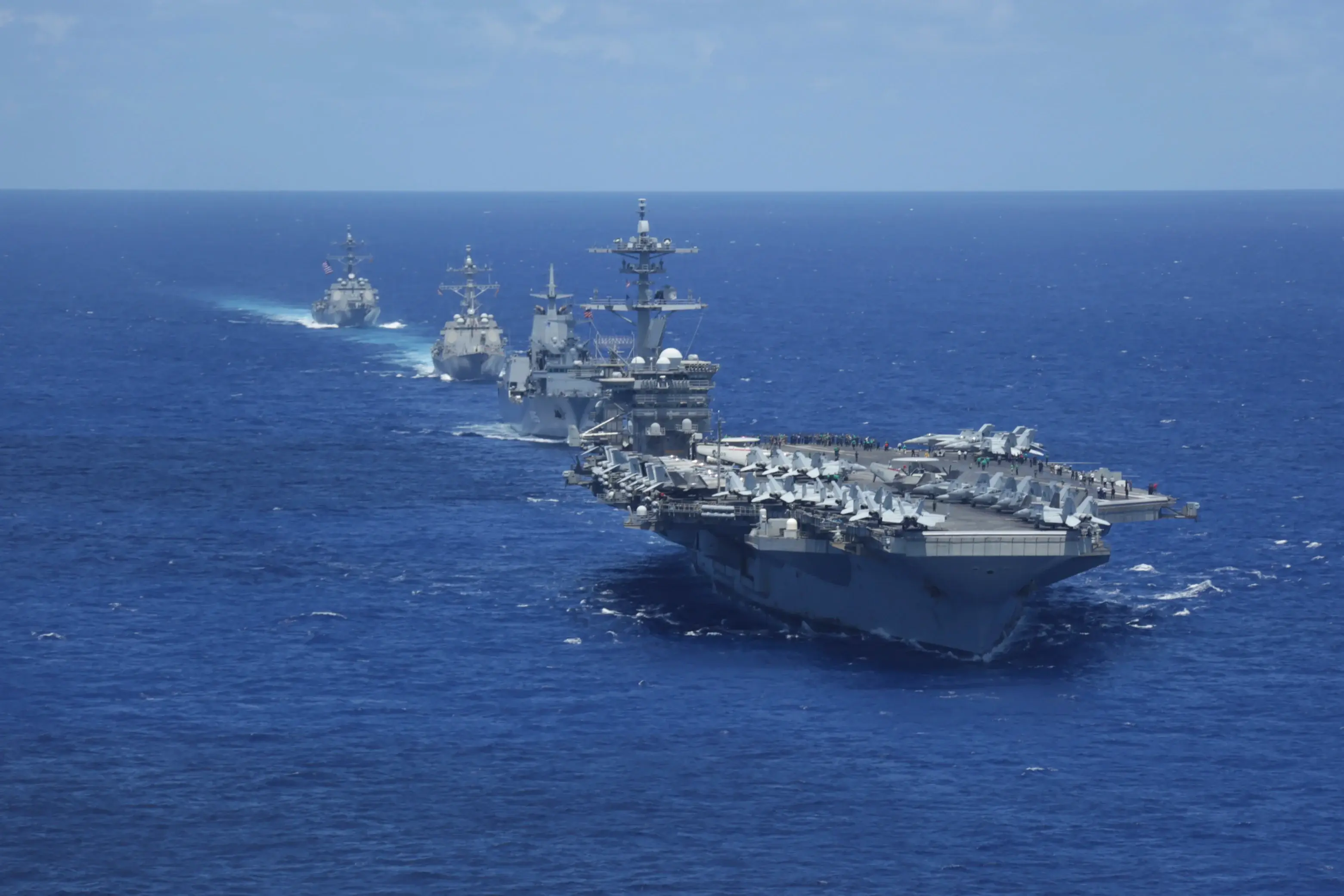
Can operate more than 20 years without refuelling
Unlike conventional ships that burn diesel or gas, Nimitz-class carriers carry highly enriched uranium. Naval specifications show this nuclear core allows the ship to operate continuously for 20 to 25 years before requiring a complex refuelling overhaul.
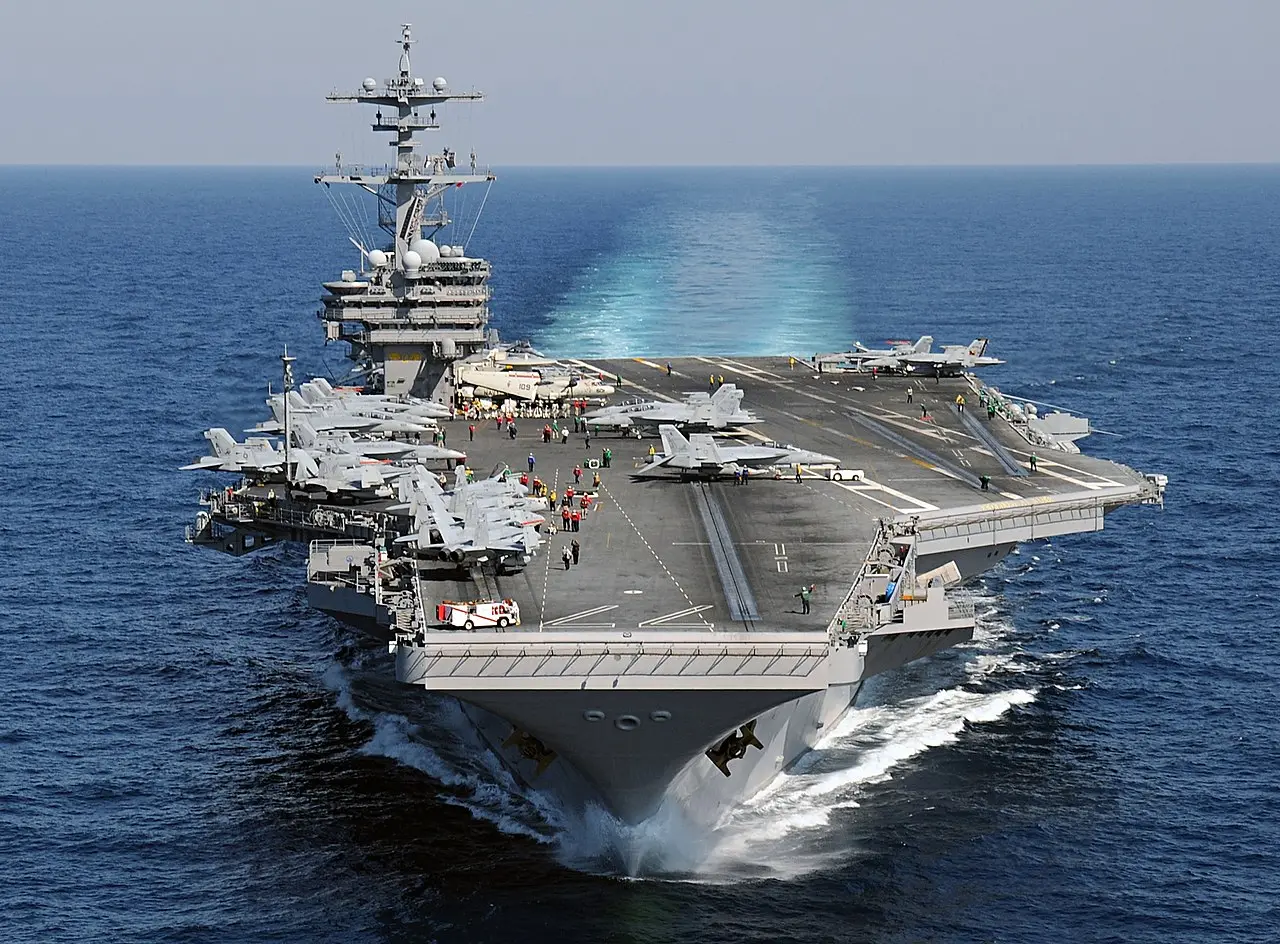
Top speeds?
This nuclear power plant does not just offer range; it provides incredible speed for the 100,000-tonne vessel. Official US Navy data states the carrier can maintain speeds above 30 knots (56 km/h) indefinitely without worrying about fuel conservation.
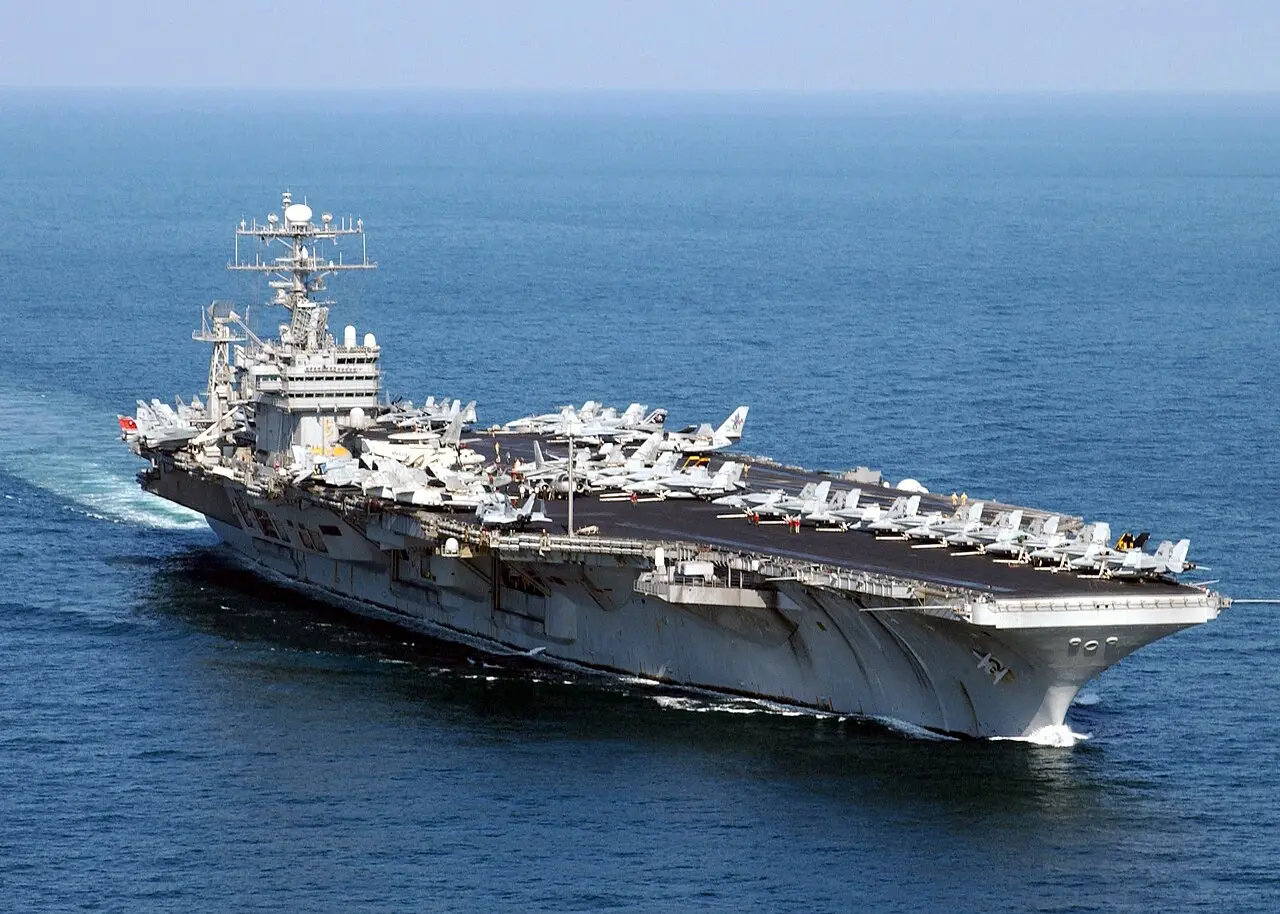
Aviation fuel is still required
While the ship itself does not need fossil fuels, it must carry millions of litres of aviation fuel for its aircraft. According to military logistics reports, supply ships regularly replenish the carrier with jet fuel to keep its combat aircraft flying.
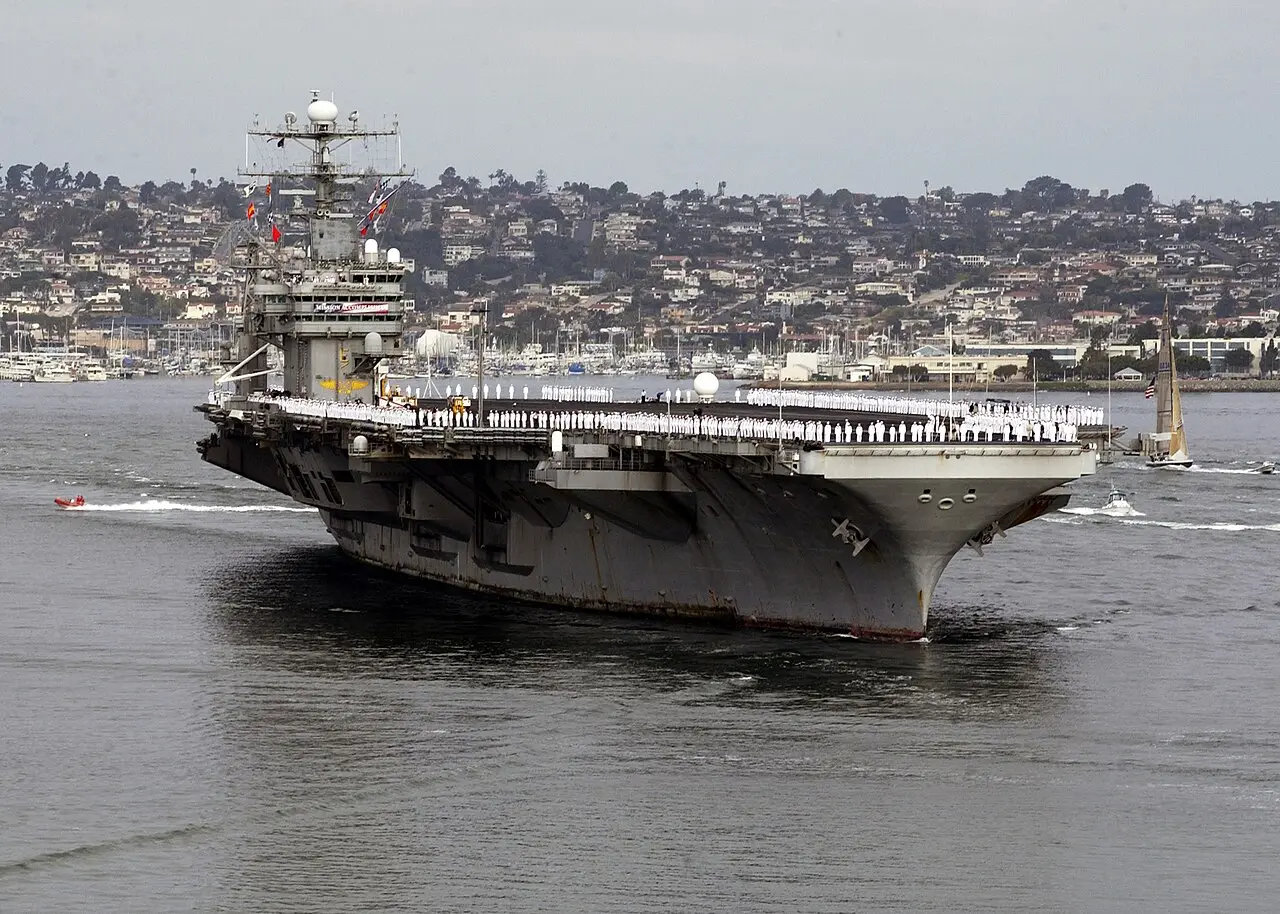
Sustaining around crew of 5,000
The nuclear reactors also provide critical electricity and fresh water for the 5,000 sailors aboard. The system powers shipboard desalination plants that produce over 1.5 million litres of fresh water daily, ensuring the crew's survival at sea.
)
)
)
)
)