'Enough to power city of 100,000 people': How A1B reactor is heart of Gerald R. Ford-Class Supercarrier

The A1B reactor powers the Gerald R. Ford-class aircraft carrier using two advanced nuclear reactors that deliver 25% more power and triple electrical output than older designs. Let's try to understand more details about the A1B reactor that powers the aircraft carrier.
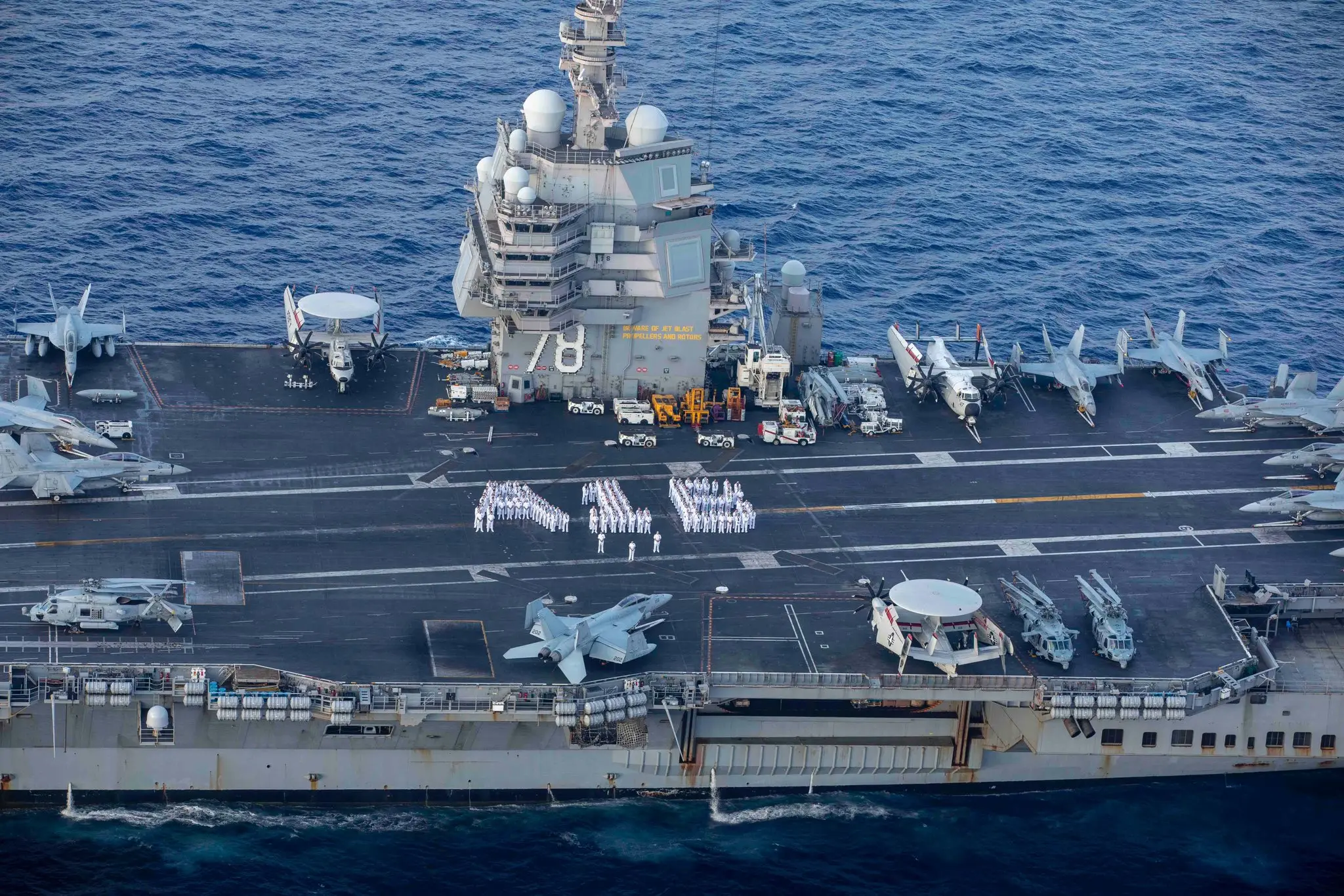
What is A1B reactor in Gerald R. Ford-class aircraft carriers?
The A1B reactor is a third-generation nuclear power plant developed for the US Navy's Gerald R Ford-class aircraft carriers. This carrier uses two A1B reactors, which provide 25 per cent more power compared to the previous Nimitz-class A4W reactors. In addition, it also requires 50 per cent less personnel to operate. These pressurised water reactors (PWRs) are designed to increase the efficiency of aircraft carriers, producing roughly three times the electrical power of their predecessors.
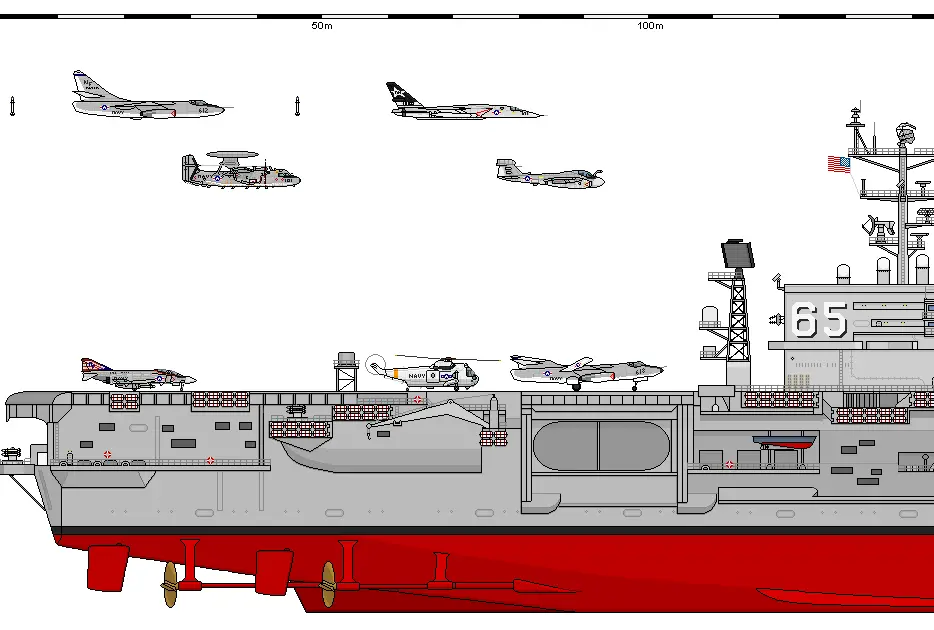
Designator Breakdown
The A1B reactor designation follows US Navy naval-reactor naming conventions. “A” indicates an aircraft carrier reactor, “1” denotes the first generation of this reactor core designed for its platform, and “B” identifies Bechtel as the prime contractor. It represents a generational shift from Cold War–era reactor architecture to modernised nuclear propulsion systems.
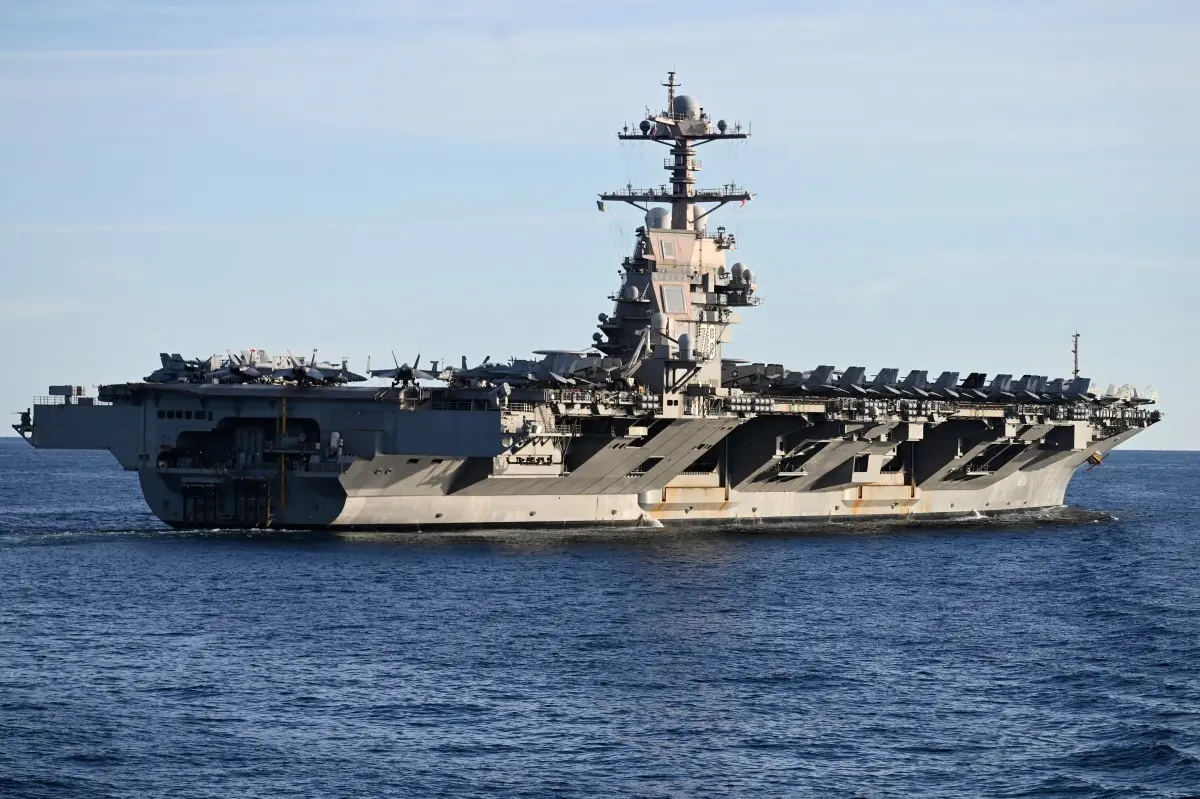
Power Output and Energy Generation
The two A1B nuclear reactors in the carriers generate dramatically more power than the legacy A4W reactors used on Nimitz-class ships. Estimates indicate up to 700 MW of additional electrical capacity, enabling advanced systems such as EMALS, advanced radar, and future directed-energy weapons. This output is often compared to the electricity required to support a city of roughly 100,000 residents.
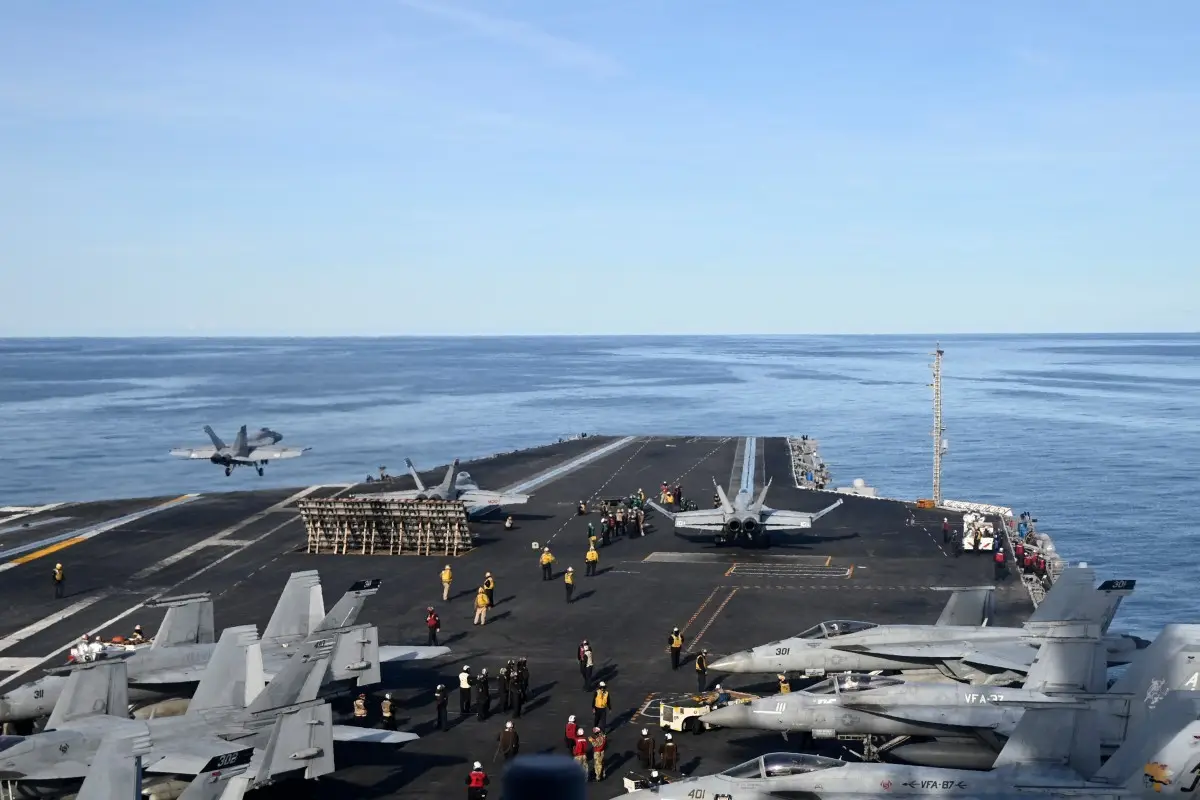
Efficiency, Availability, and Refueling Cycle
The major advantage of this reactor is its 20-year core life, that eliminate the need for mid-life refuelling over long operational periods. Combined with simplified mechanical systems and automation, the design delivers approximately 25 per cent higher operational availability than earlier reactors. Fewer refuelling overhauls reduce lifecycle costs, shipyard downtime, and long-term manpower demands.
Technological Advancements and Automation
As compared to the analogue-heavy reactor plants, the A1B employs modern digital controls, automated diagnostics, and advanced electronic displays. These upgrades reduce manual monitoring requirements, leading to a two-thirds reduction in watchstanding personnel compared with Nimitz-class reactors. This automation improves safety, reduces crew fatigue, and aligns with the Navy’s goal of smaller, more efficient carrier crews.
Application on Gerald R. Ford-Class Carriers
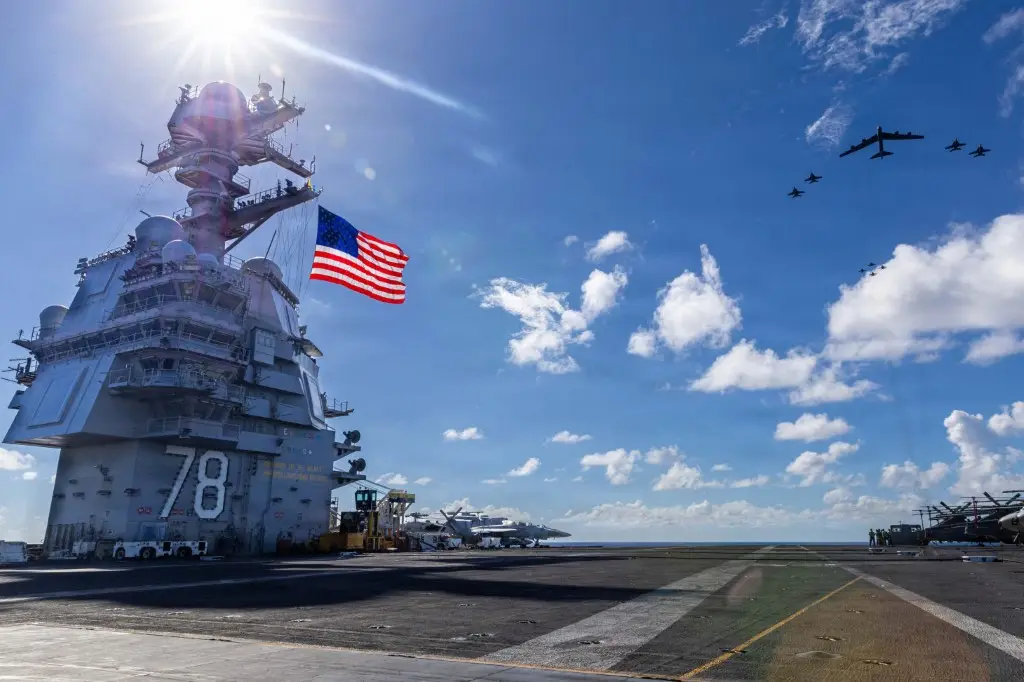
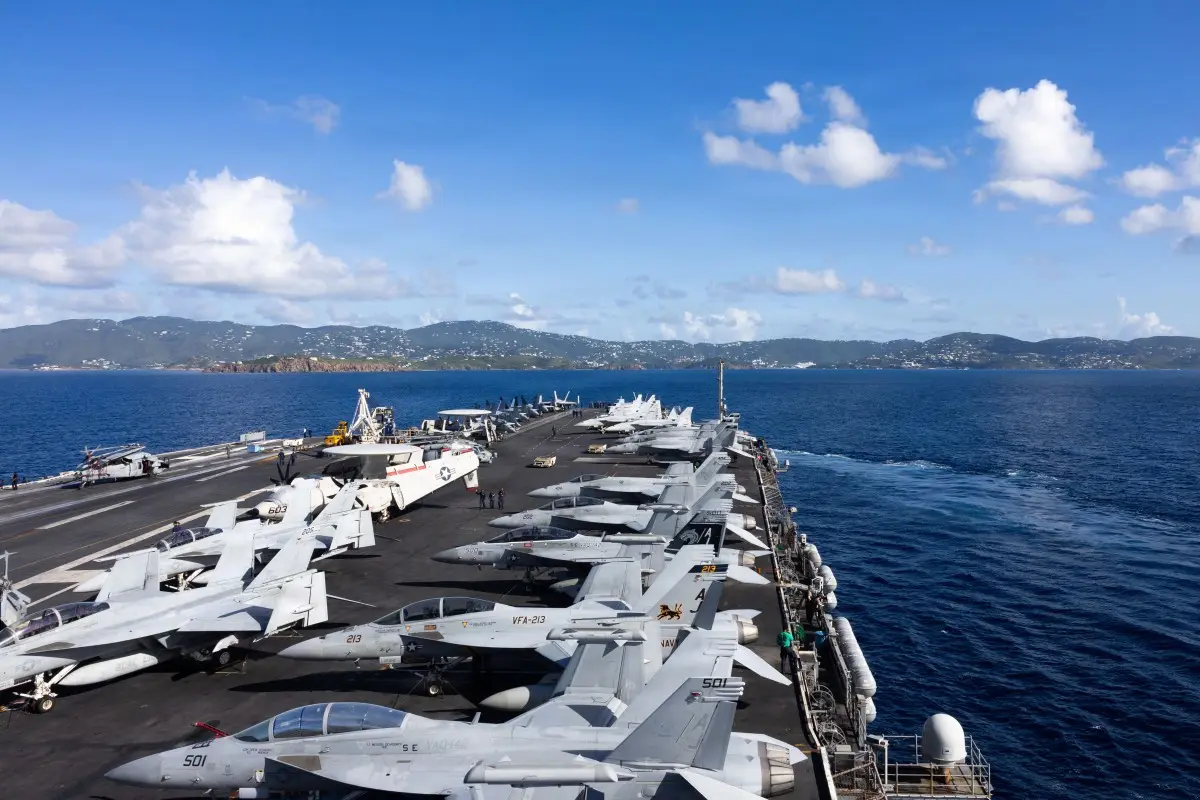
The A1B reactor is used exclusively on the Gerald R. Ford-class aircraft carrier, beginning with CVN-78. It replaces the older four-reactor configuration with a more compact two-reactor layout, freeing internal space and supporting higher electrical demands. This design underpins the Ford class’s ability to integrate future weapons, sensors, and aircraft systems over its projected 90-year service life.
)
)
)
)
)