‘Electronic wall’: How US Growler jets jam Iranian radar to protect the USS Abraham Lincoln in the Strait of Hormuz

US Navy EA-18G Growler jets from the USS Abraham Lincoln use advanced electronic warfare pods to jam Iranian radar. These aircraft protect the carrier strike group and secure the Strait of Hormuz.
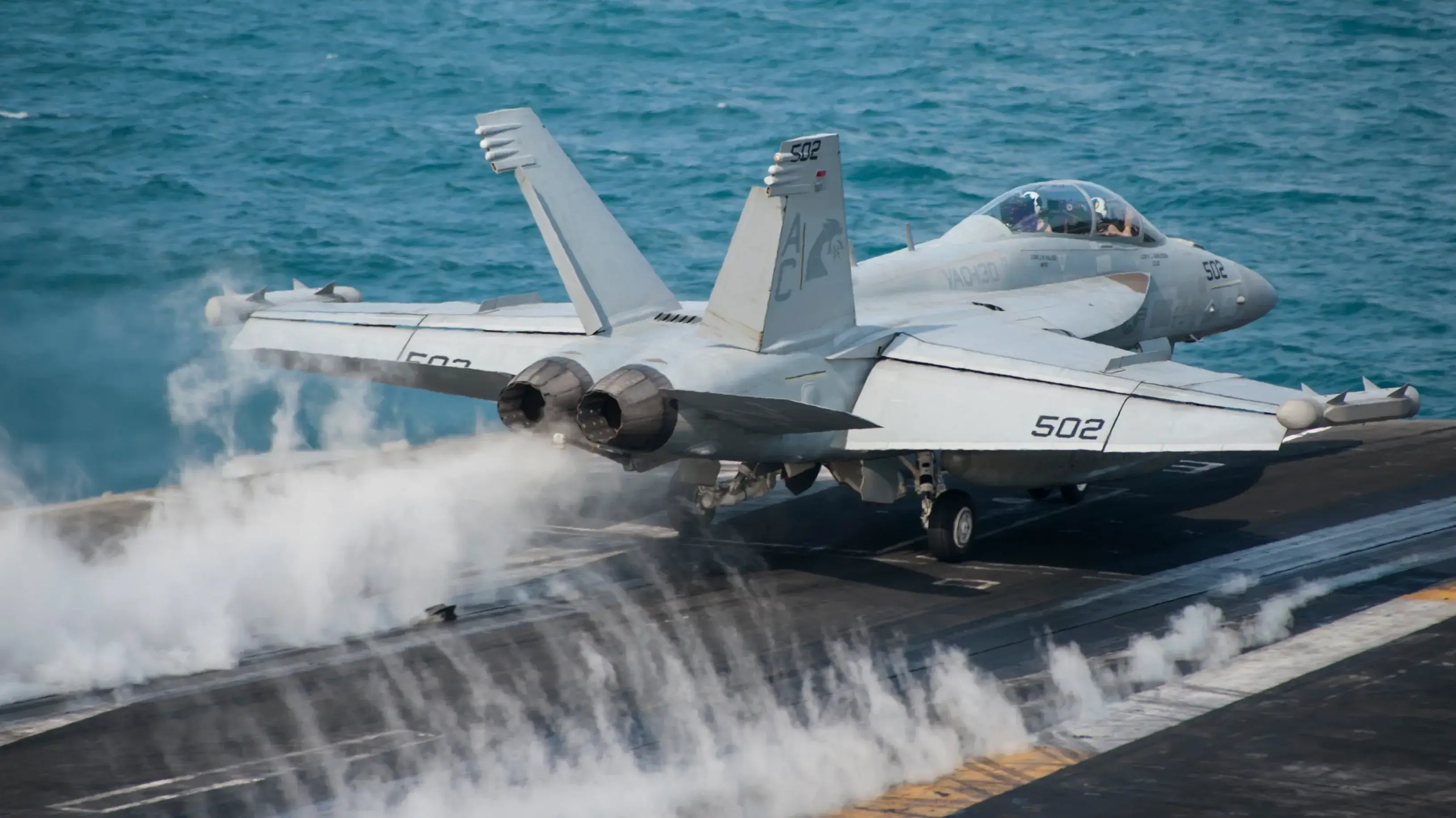
100,000-tonne supercarrier deployed
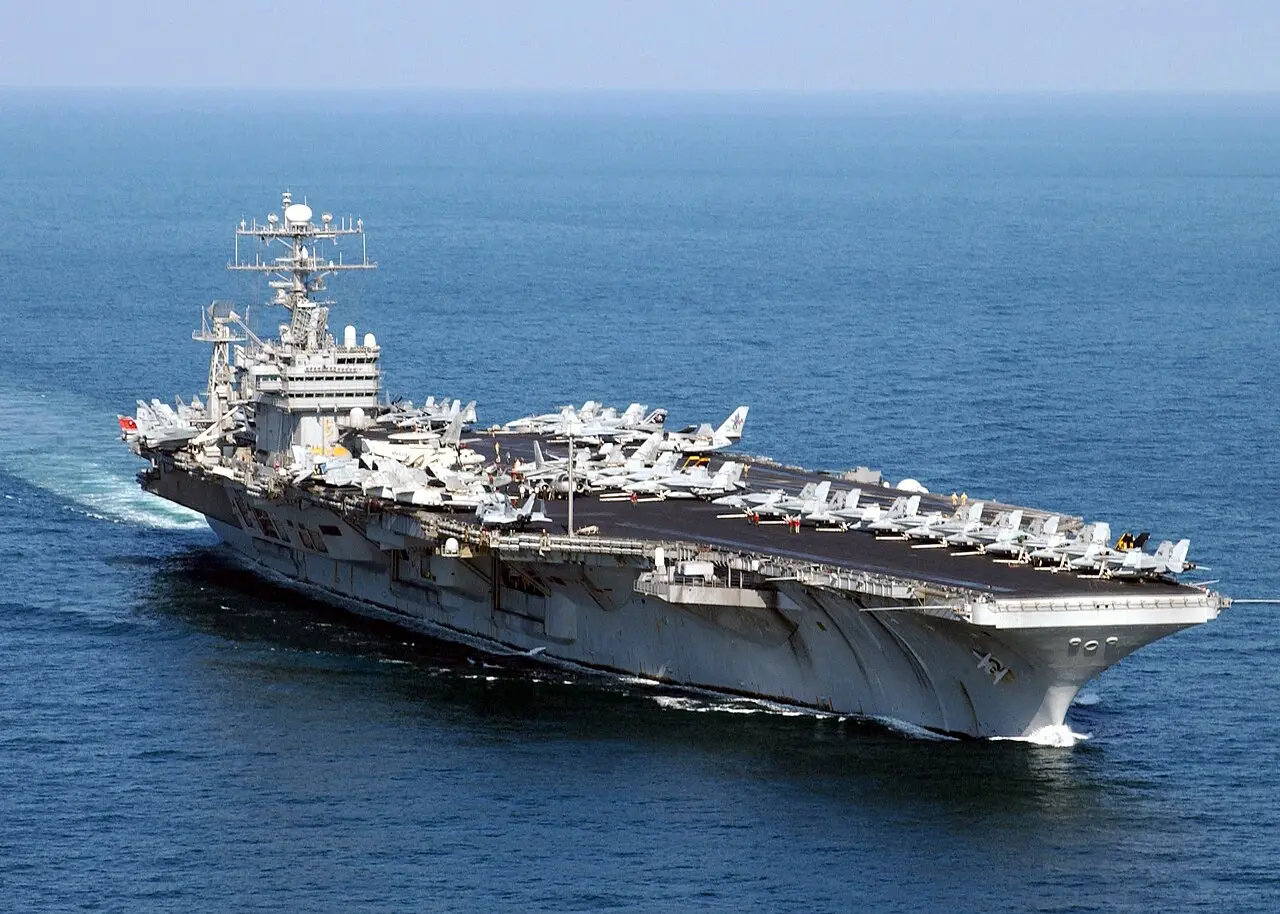
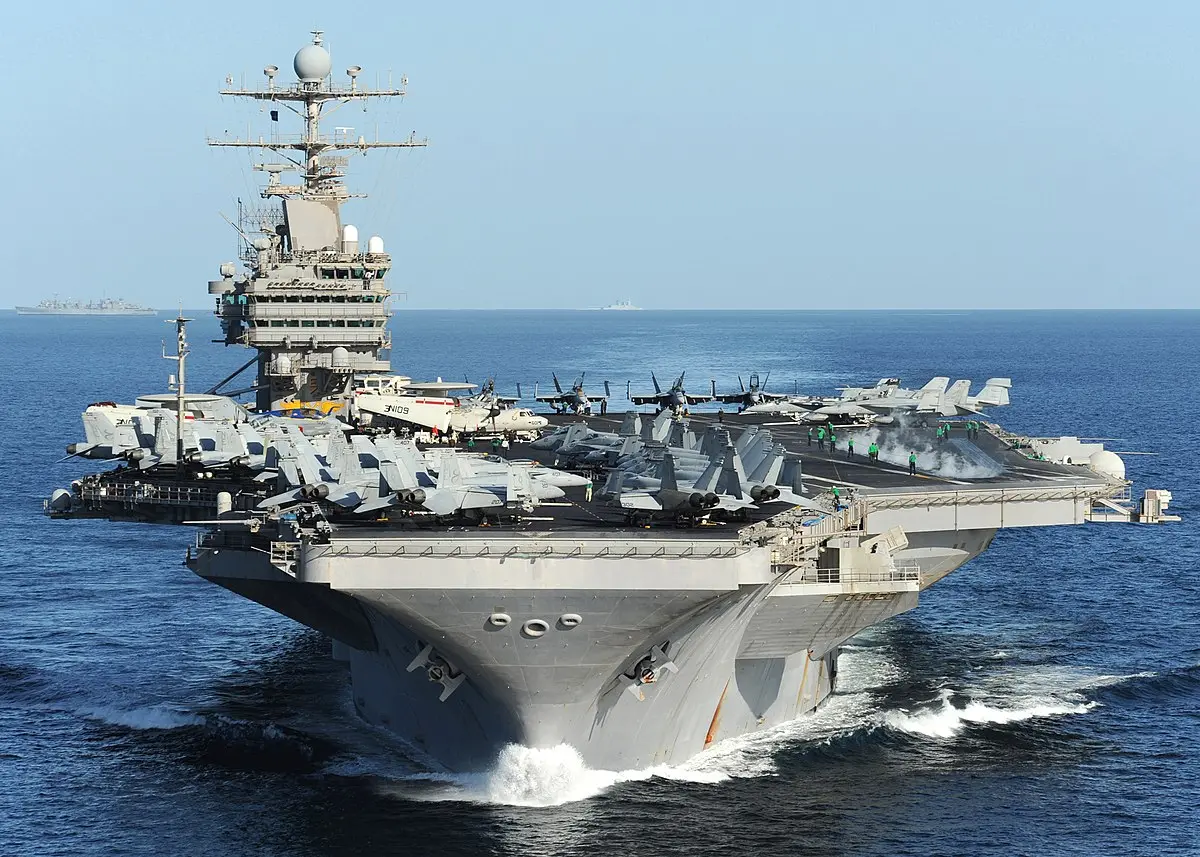
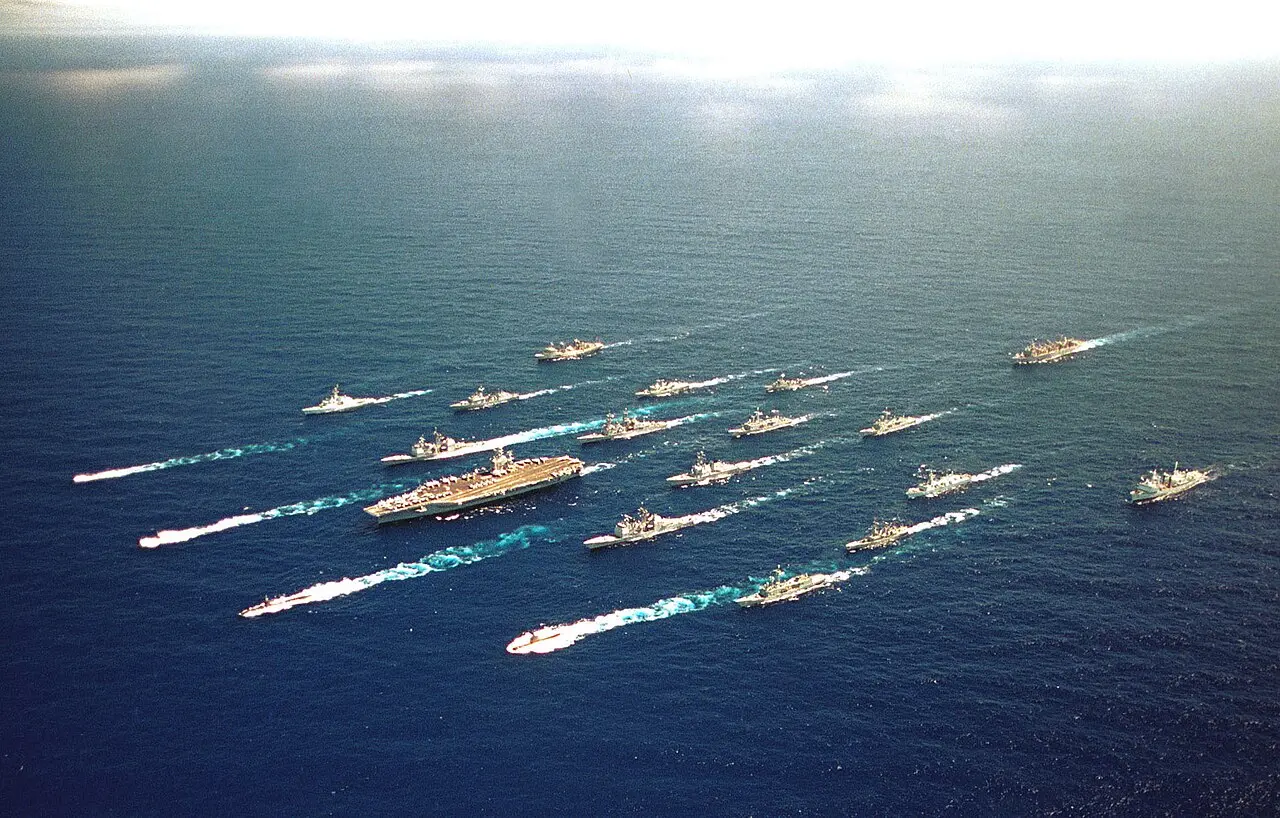
The USS Abraham Lincoln, a Nimitz-class supercarrier displacing over 100,000 tonnes, is currently navigating Middle Eastern waters. It serves as a mobile military base deployed to deter threats and ensure safe passage through the strategic Strait of Hormuz.
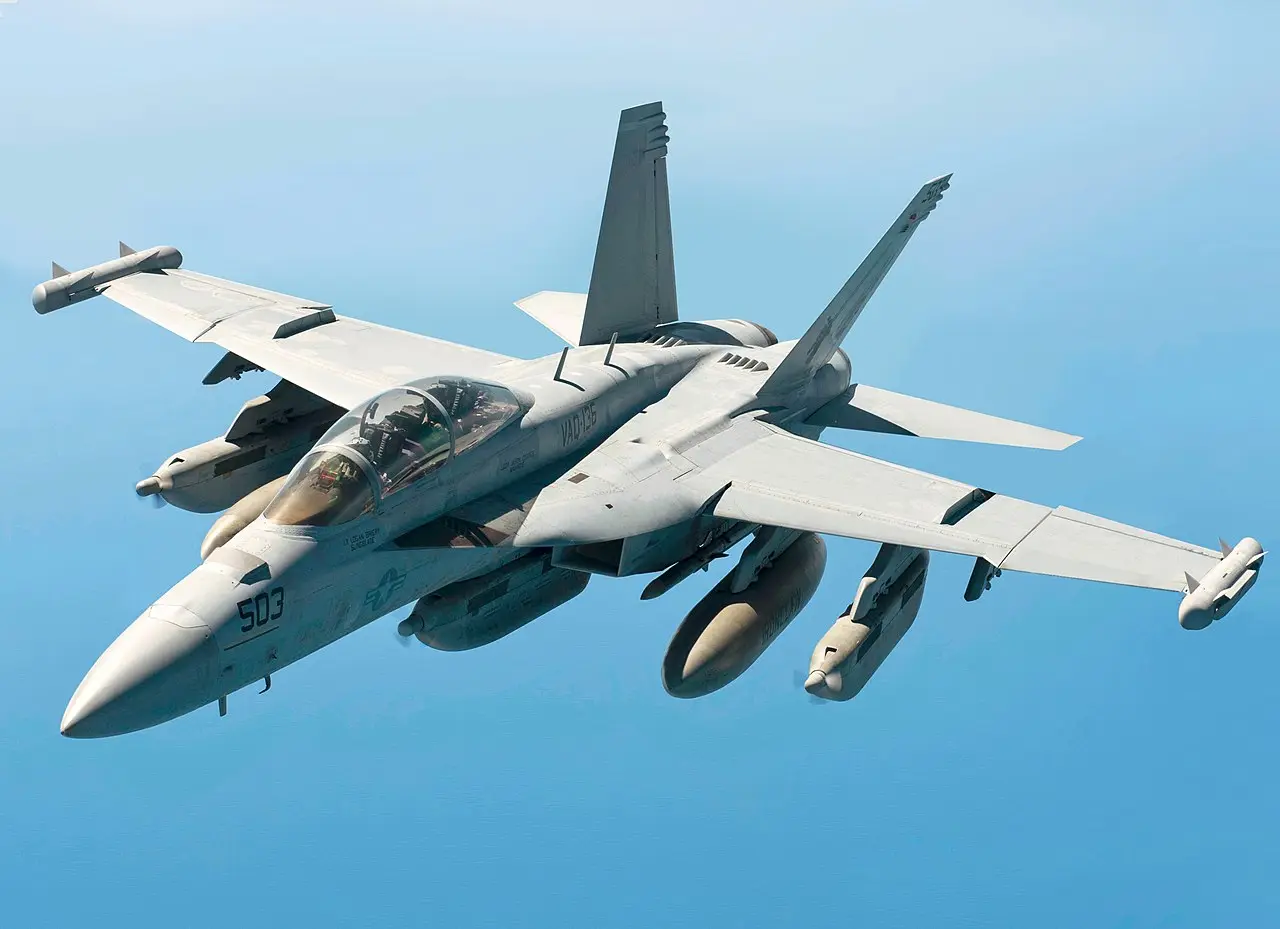
21-mile critical oil chokepoint
The Strait of Hormuz remains a critical global shipping route where commercial vessels frequently face security risks. The US Navy maintains a strong presence here to keep the narrow chokepoint open and shield maritime traffic from potential attacks.
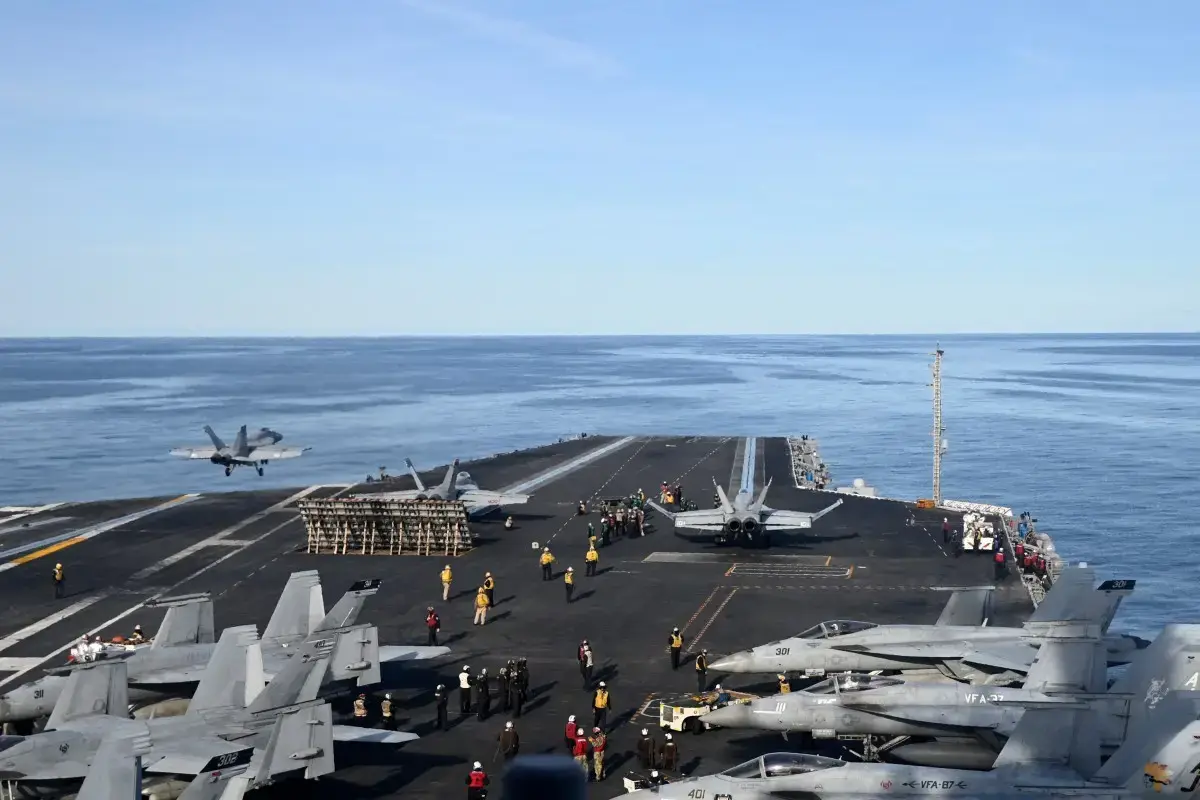
44,000 pounds of thrust
To protect the aircraft carrier and its strike group, the US Navy relies heavily on the EA-18G Growler. Powered by 44,000 pounds of thrust, this aircraft is designed to dominate the electromagnetic spectrum and disrupt enemy surface-to-air systems.
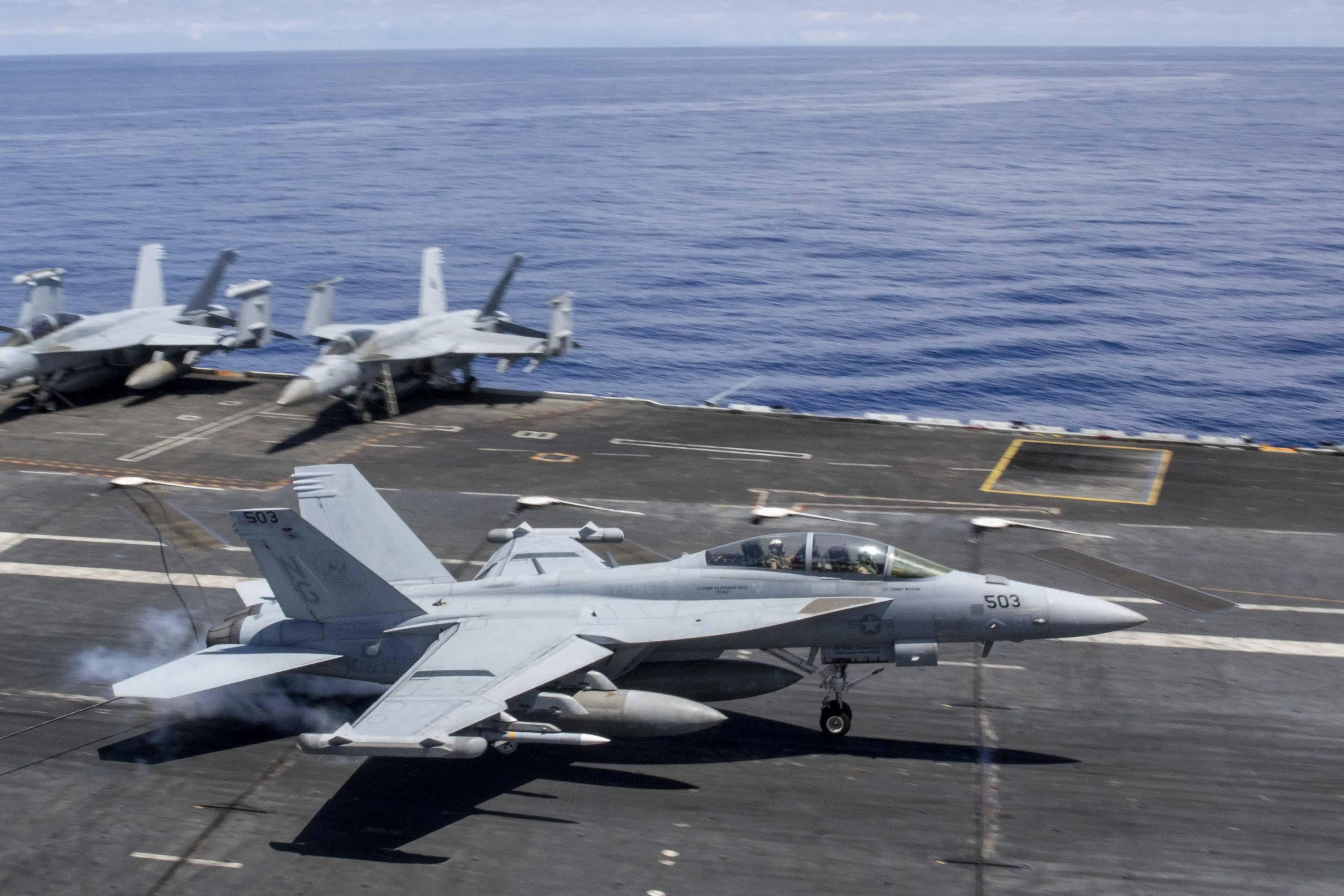
360-degree radar signal jamming
The Growler uses advanced jamming pods to listen for hostile radar emissions and analyse them in real time. It immediately sends back tailored electronic noise, which floods enemy radar screens with false targets and prevents missile locks.

Multiple tactical jamming pods
These electronic warfare jets carry tactical jamming systems like the legacy ALQ-99 and the Next Generation Jammer. Typically configured with three to five physical pods under their wings and fuselage, these highly sophisticated systems intercept, process, and jam signals, effectively blinding adversarial air defence networks from a distance.
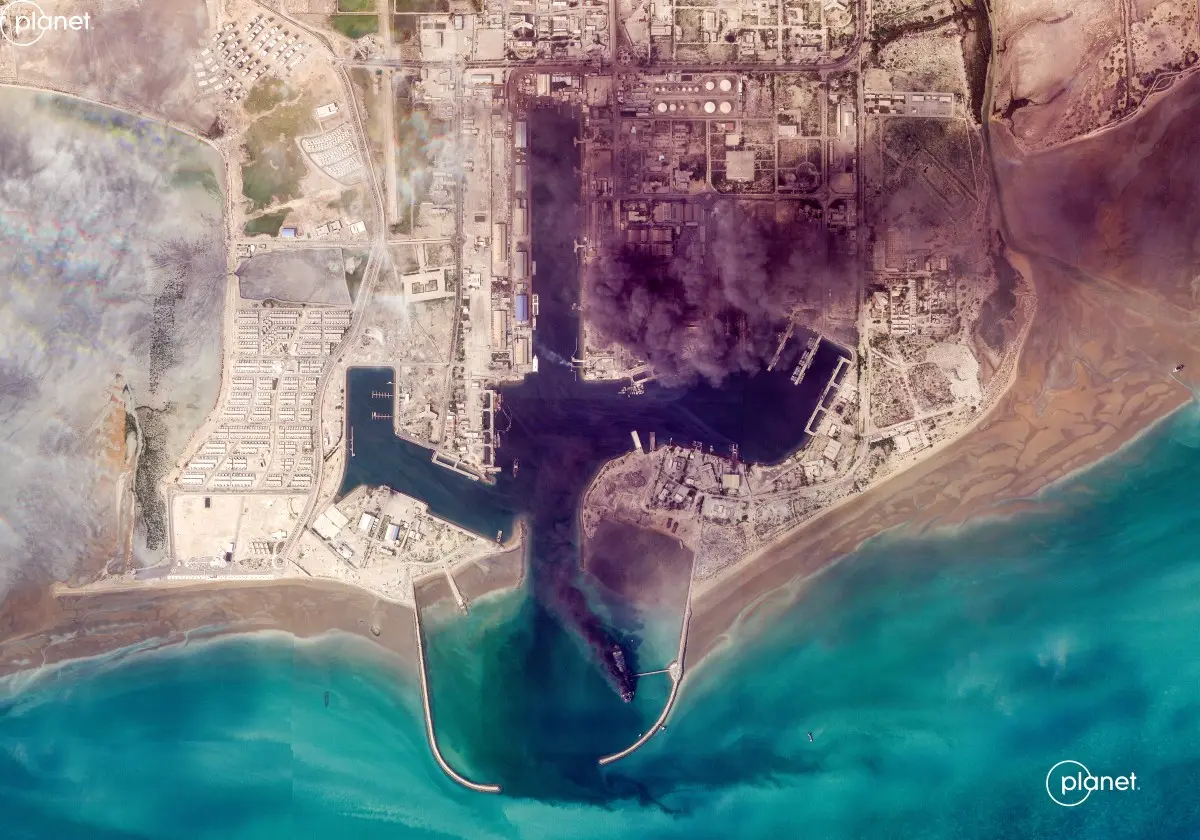
Speeds reaching Mach 1.6
Unlike older electronic warfare planes, the EA-18G brings true fighter jet speed to its missions, reaching a maximum speed of Mach 1.6, or nearly 1,960 kilometres per hour. It shares more than 90 per cent of its design with the F/A-18F Super Hornet.
4 anti-radiation missiles equipped
When non-lethal jamming is not enough, the Growler can actively destroy hostile radar sites. The aircraft can be equipped with up to four AGM-88 anti-radiation missiles that specifically track, target, and eliminate the sources of enemy radar emissions.

Shielding 5th-generation stealth fighters
By neutralising radar threats, the Growler acts as an electronic shield for the rest of the carrier strike group. This cover allows stealth fighters like the 5th-generation F-35C to safely penetrate contested airspace and conduct operations without being detected.
3 jets triangulate targets
When three Growlers fly and network together, they can share data links to instantly pinpoint the exact origin of a hostile radio frequency. This triangulation method allows the strike group to accurately target signal sources, such as mobile missile launchers.
Fleet of 170 advanced Growlers
With a total production run of over 170 units, the EA-18G Growler remains a cornerstone of US electronic warfare. While manufacturing of the airframe has concluded, its continuously upgraded radar-blinding capabilities are a decisive factor in modern conflicts and the key to operating safely near contested environments like Iranian airspace.
)
)
)
)
)