'Echo's of Iraq War': Trump deploys largest middle east armada in 23 years against Iran with USS Abraham Lincoln leading the charge

For the first time since the prelude to the 2003 invasion of Iraq, the United States has amassed an overwhelming, multi-domain military force in the Middle East. This is no longer standard geopolitical posturing or a routine rotational deployment.
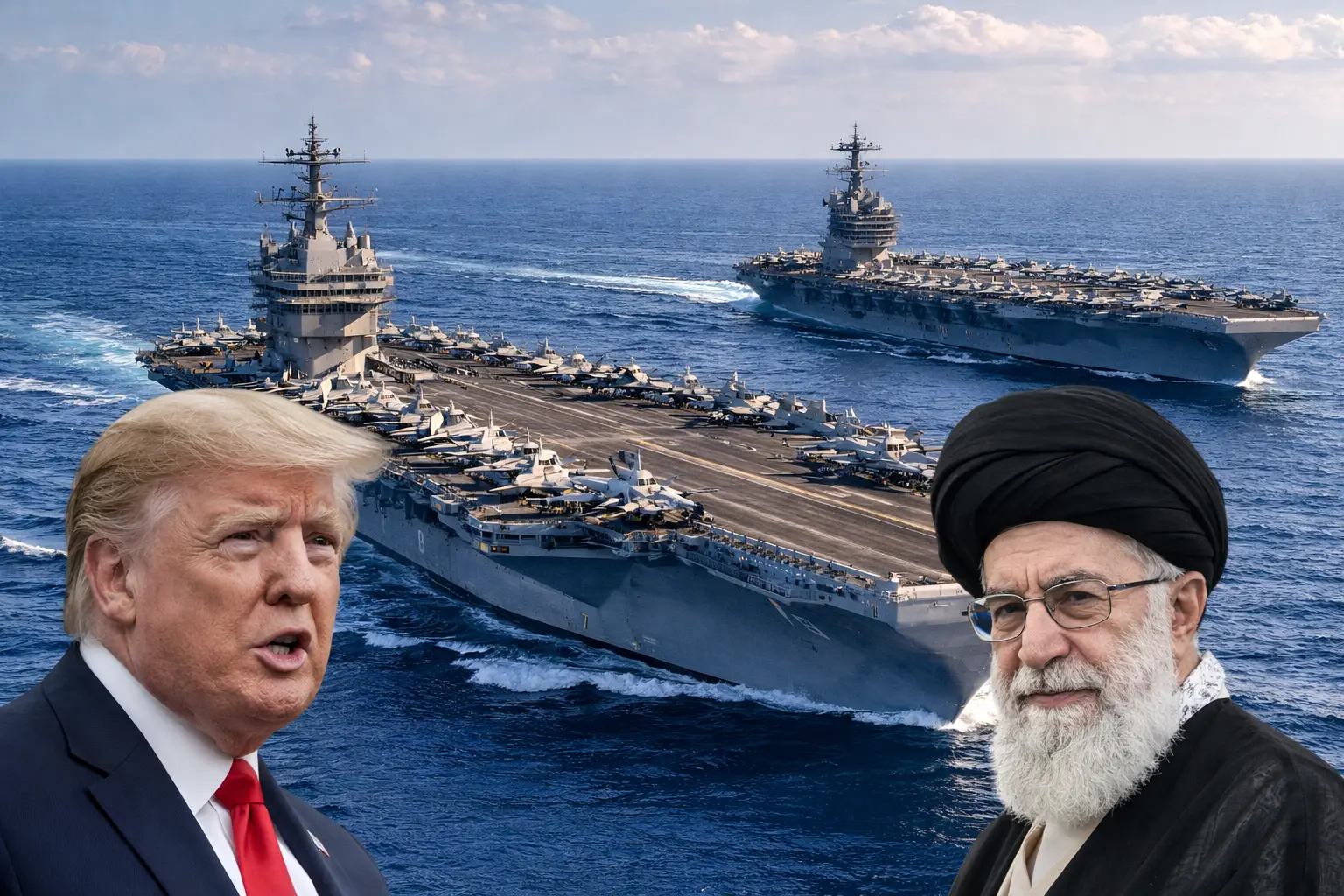
1. A Historic Concentration of Firepower
For the first time since the prelude to the 2003 invasion of Iraq, the United States has amassed an overwhelming, multi-domain military force in the Middle East. This is no longer standard geopolitical posturing or a routine rotational deployment. By flooding the US Central Command (CENTCOM) area of responsibility with tens of thousands of troops, advanced stealth fighters, and naval armadas, Washington has assembled a force capable of not just executing surgical strikes, but sustaining a massive, prolonged regional war.
2. The Dual-Carrier Pincer Movement
The centerpiece of this buildup is the deployment of two nuclear-powered supercarriers operating in tandem. The USS Abraham Lincoln is already locked into position in the Arabian Sea, serving as a floating airbase heavily armed with F-35C strike fighters and escorted by destroyers loaded with Tomahawk cruise missiles. Meanwhile, the USS Gerald R. Ford, the US Navy's newest and most advanced carrier, has been abruptly rerouted from the Caribbean and is steaming toward the eastern Mediterranean. Together, they create a massive pincer of naval aviation capable of striking Iranian targets from multiple vectors simultaneously.
3. The Stealth Fighter Surge
The Pentagon is systematically dismantling Iran's sense of airspace security by surging fifth-generation stealth aircraft to forward-operating bases across the Gulf. Aviation trackers have watched waves of F-22 Raptors, the world's premier air dominance fighter, touch down in allied nations like Jordan and the UAE. These specific jets are designed for "Wild Weasel" missions: suppressing and destroying enemy air defences. Their presence means the US is preparing to blind Iran’s radar and anti-aircraft missile networks, clearing a safe corridor for heavy bombers to follow.
4. The C-17 Logistics Air Bridge
Amateurs study tactics; professionals study logistics. Over the past few weeks, the US has executed an unprecedented "air bridge," utilising dozens of C-17 Globemaster III cargo planes and KC-46 aerial refuelling tankers to move thousands of tons of munitions, field hospitals, and support equipment into the region. You do not mobilise this staggering level of logistical infrastructure, which costs billions of dollars and stresses the global transport fleet, just to send a political message. This air bridge is built to sustain weeks of relentless combat operations.
5. Fortifying the Regional Shield
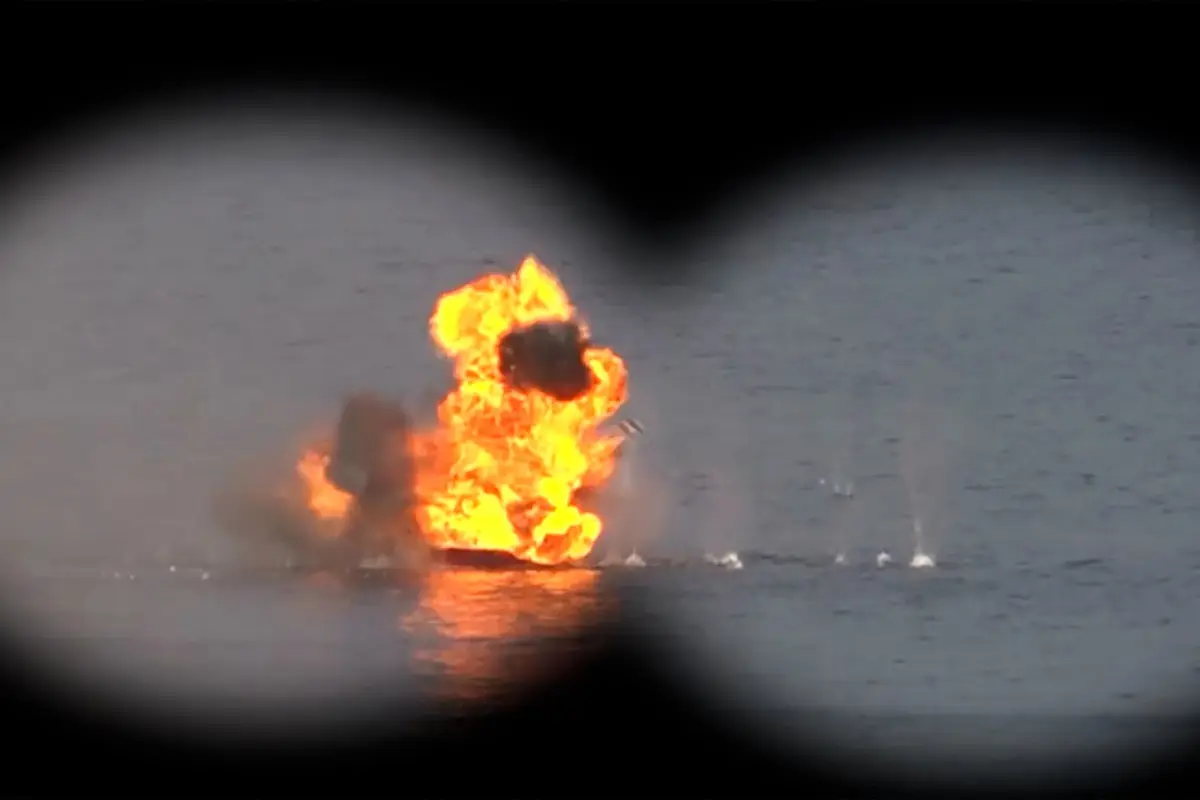
Washington knows that any strike on Iranian soil will trigger a massive, desperate retaliation from the Islamic Revolutionary Guard Corps (IRGC) using swarms of ballistic missiles and suicide drones. To protect American troops and allied Gulf nations from the fallout, the US has quietly deployed additional Patriot and THAAD (Terminal High Altitude Area Defense) missile batteries across the region. Wrapping bases in Saudi Arabia, Qatar, and Jordan in this protective radar and interceptor net proves the US is preparing for the imminent blowback of an attack.
6. Trump’s Tightening Ultimatum
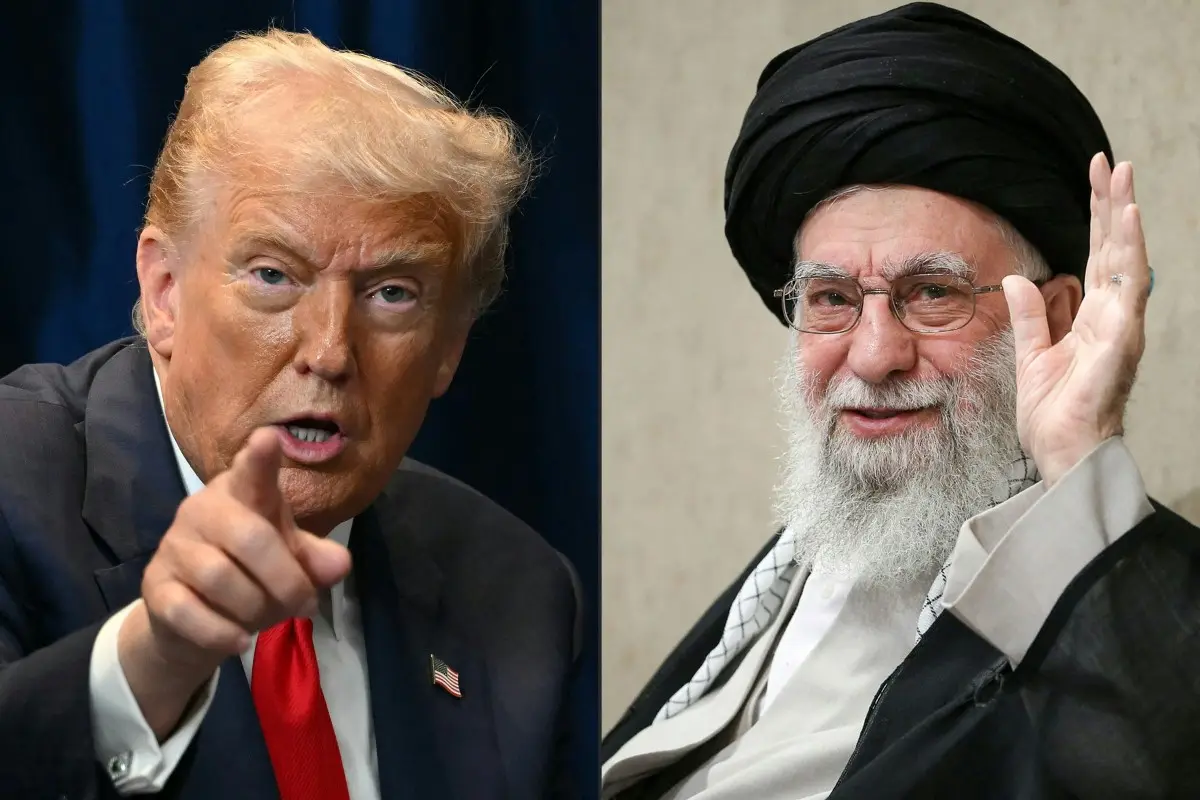
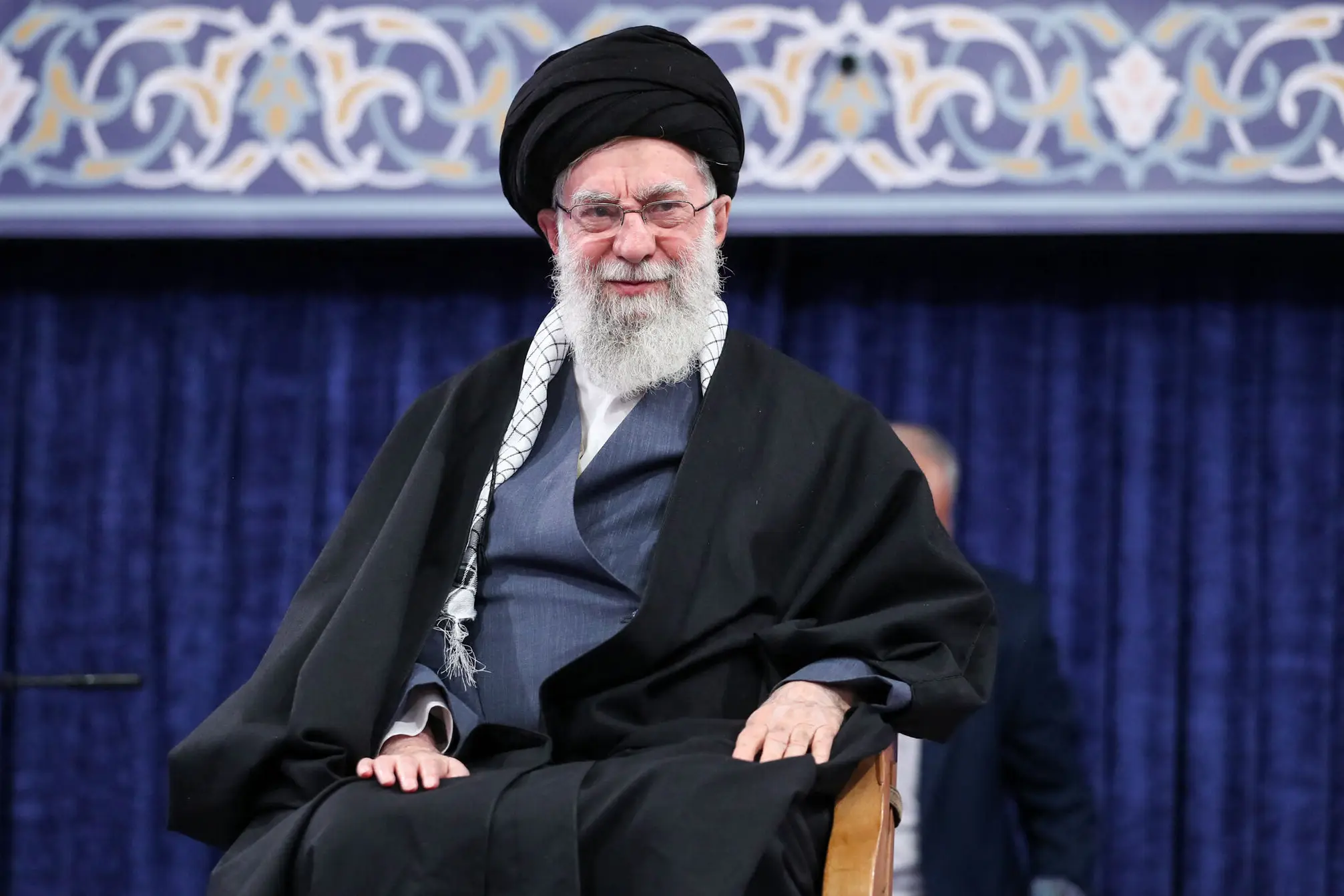
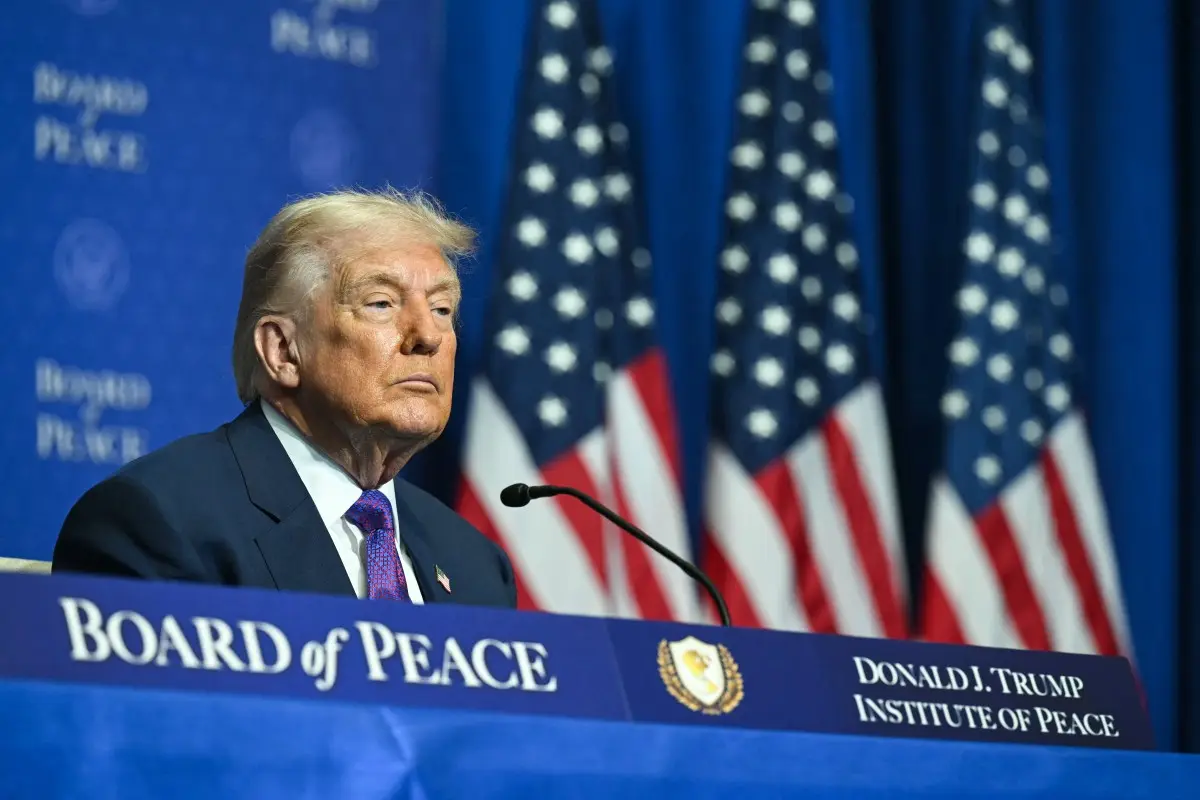
The military mobilization is paired with a rapidly closing diplomatic window. President Trump has publicly abandoned the concept of prolonged negotiations, slapping a strict 10-to-15-day ultimatum on Tehran to completely capitulate on its nuclear enrichment program. By attaching a specific, short-term ticking clock to the presence of two carrier strike groups, the administration has backed Iran into a corner: dismantle the underground nuclear sites immediately, or watch the US military do it by force.
7. Moving Beyond Simple Deterrence
The ultimate takeaway from this historic buildup is that the objective has shifted. In previous years, US forces in the region were sized for “deterrence”, keeping shipping lanes open and preventing the escalation of proxy wars. The sheer scale of the Lincoln and Ford carrier groups, combined with the stealth air armada and heavy logistics, suggests the Pentagon's new directive goes much further. This force is sized to systematically dismantle the Iranian military apparatus and potentially trigger the collapse of the regime itself.
)
)
)
)
)