'Dust, radiation and low gravity': Why living on the Moon is so difficult?

Moon dust, or lunar regolith, is one of the most persistent threats. Formed by billions of years of meteorite impacts, it consists of glass like sharp, fine particles that behave unlike dust on Earth.
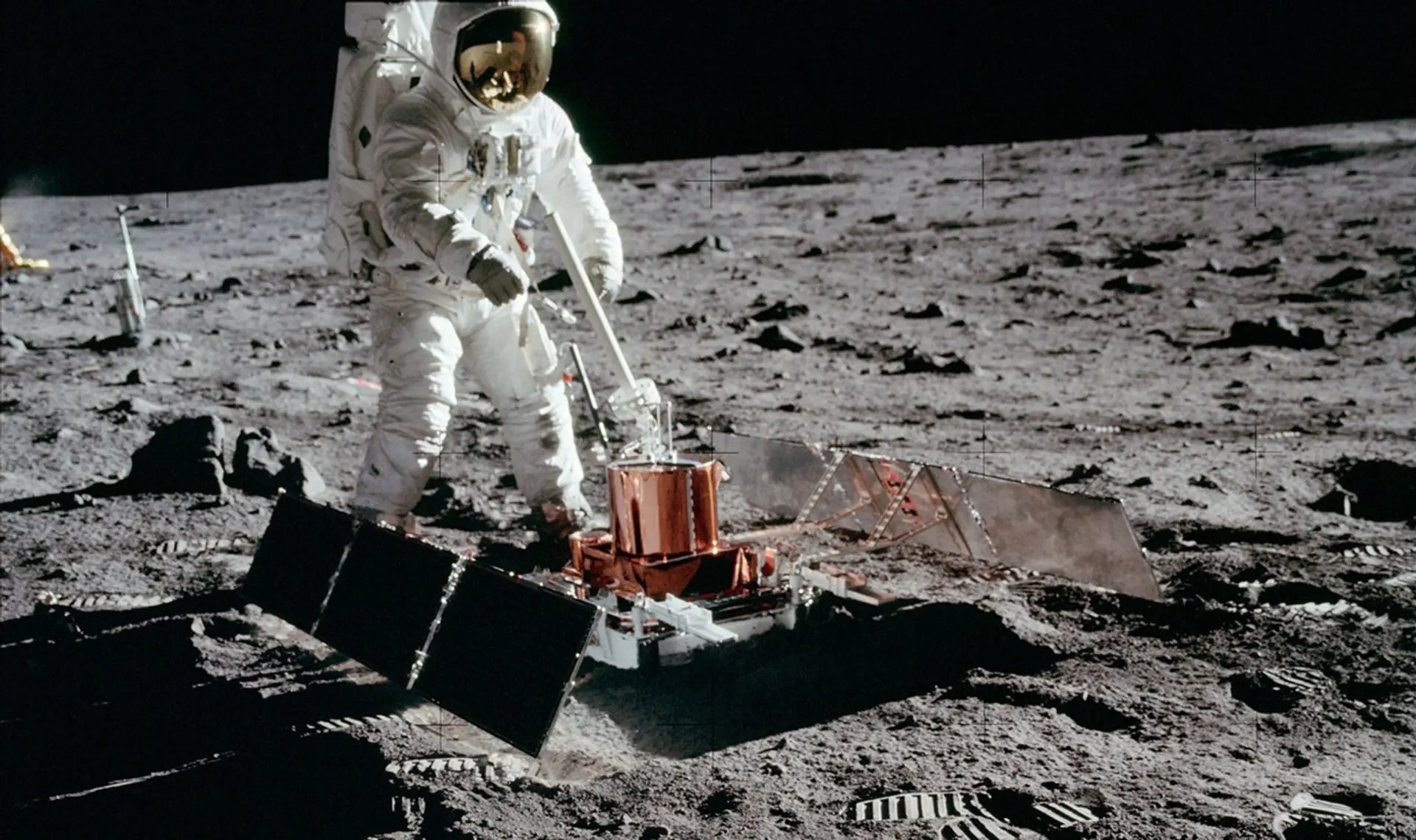
A harsh return to a familiar world
NASA is preparing for the crewed Artemis II mission, scheduled for launch in February 2026, which will carry astronauts around the Moon. Unlike the brief Apollo-era landings, upcoming missions aim to establish longer human stays on and around the Moon. This shift brings renewed attention to an environment that is far more hostile than it first appears. Prolonged exposure to lunar dust, radiation and reduced gravity transforms long-known challenges into serious health risks that must be addressed if humans are to live and work safely on the Moon.
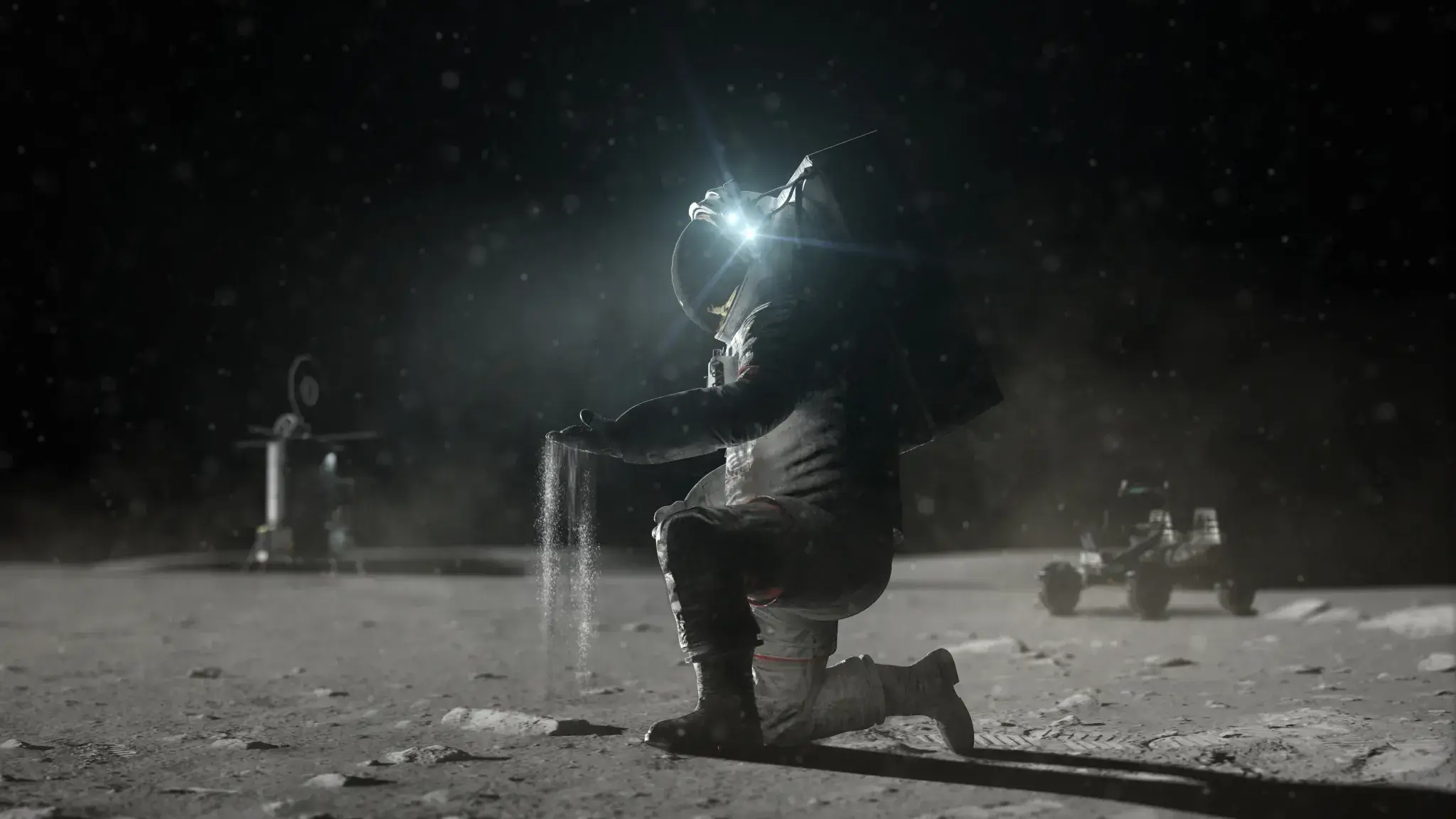
The problem with lunar dust
Moon dust, or lunar regolith, is one of the most persistent threats. Formed by billions of years of meteorite impacts, it consists of glass like sharp, fine particles that behave unlike dust on Earth. With no atmosphere or weathering, the grains remain jagged and chemically reactive. They cling electrostatically to spacesuits, tools and habitat interiors, making exposure difficult to avoid.
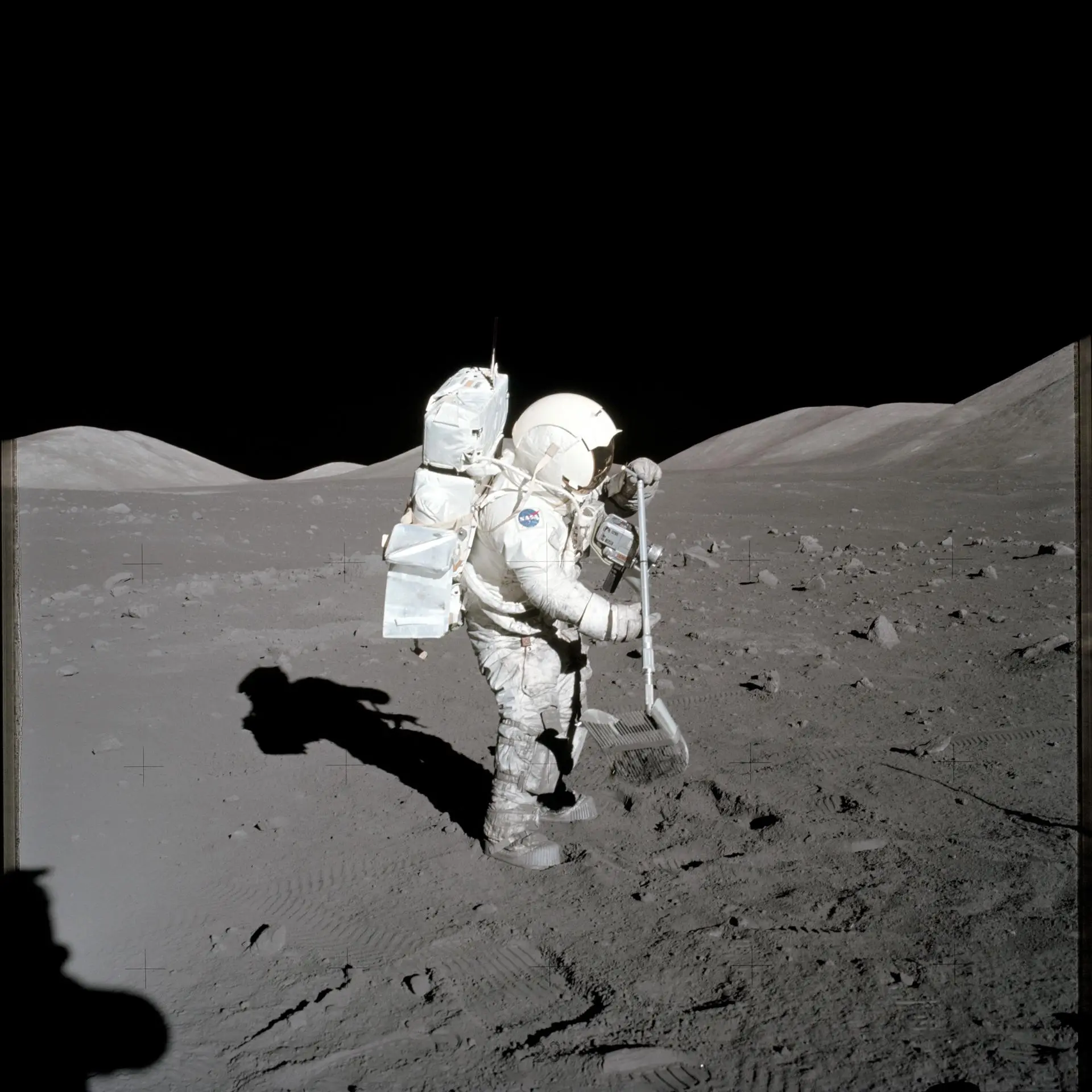
Health effects of inhaling regolith
NASA studies show that inhaled lunar dust can irritate the eyes, skin and lungs. Apollo astronauts who got themselves exposed to it, reported coughing, sneezing and throat discomfort after returning to the lunar module, these symptoms sometimes described as ‘lunar hay fever’.
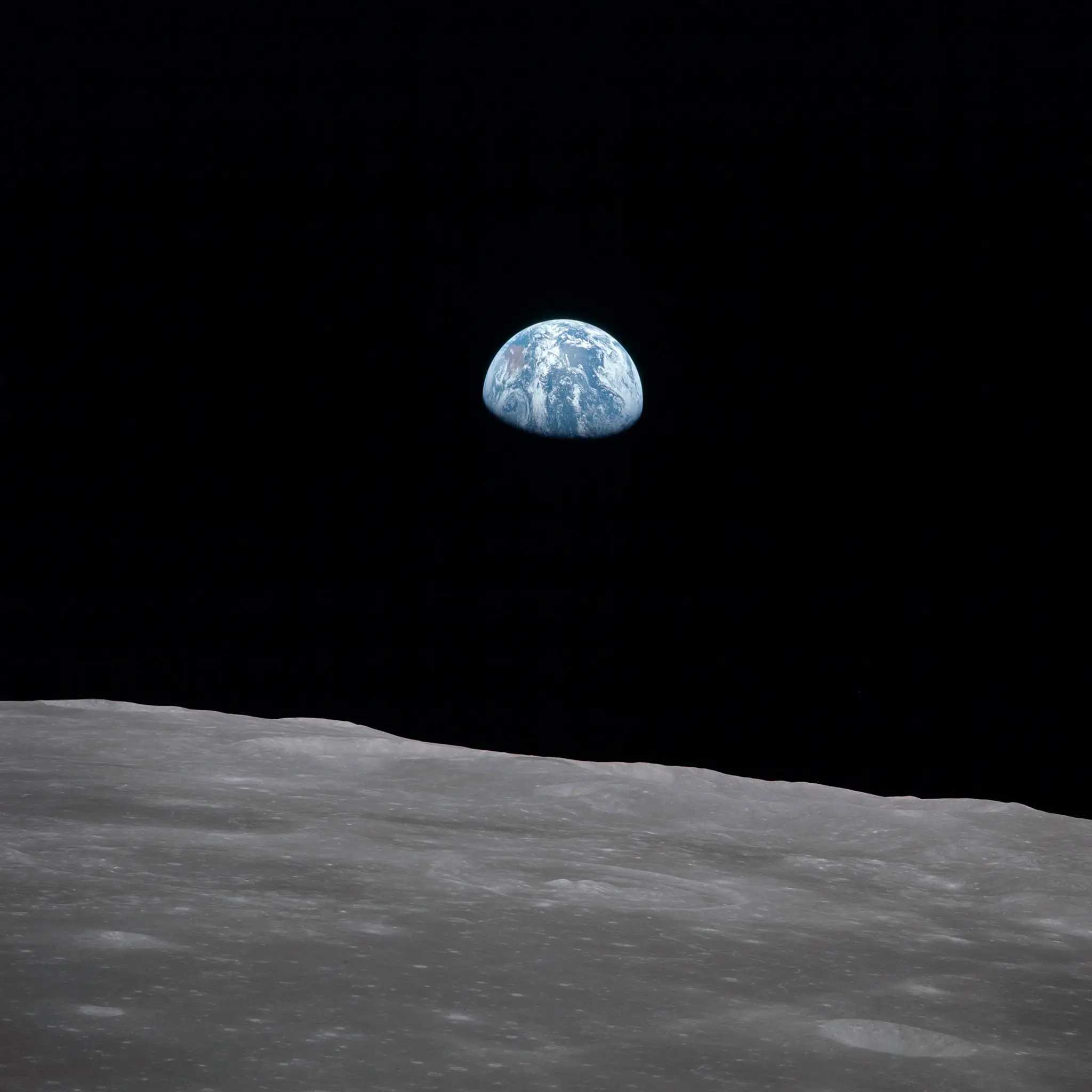
Radiation: an invisible danger
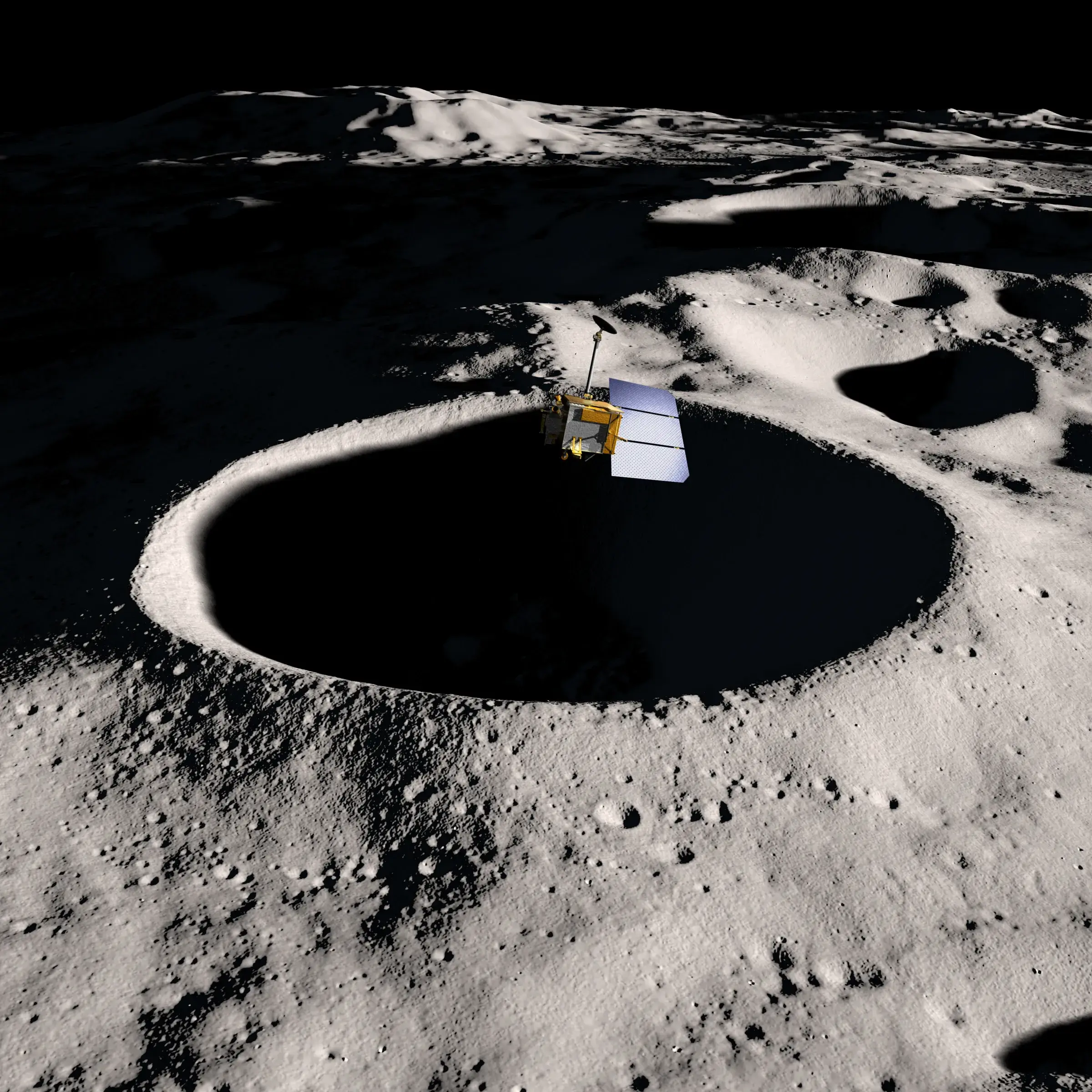
The Moon lacks a protective magnetic field and thick atmosphere, leaving astronauts exposed to cosmic rays and solar radiation. Prolonged exposure can increase the risk of cancer, nervous system damage and cardiovascular disease. Solar storms can also deliver sudden bursts of radiation, requiring reliable forecasting and shielding to protect crews.
Living with low gravity
Lunar gravity is just one-sixth of Earth’s, and while it feels liberating, it comes with costs. Extended stays in low gravity can lead to muscle loss, bone density reduction and changes in blood circulation. These effects are well documented aboard the International Space Station and may persist even after astronauts return to Earth. Additionally, the temperature on the Moon reaches about 260 degrees Fahrenheit (127 degrees Celsius) when in full Sun, but in darkness, the temperatures plummet to about -280 degrees Fahrenheit (-173 degrees Celsius).
Strain on systems and equipment
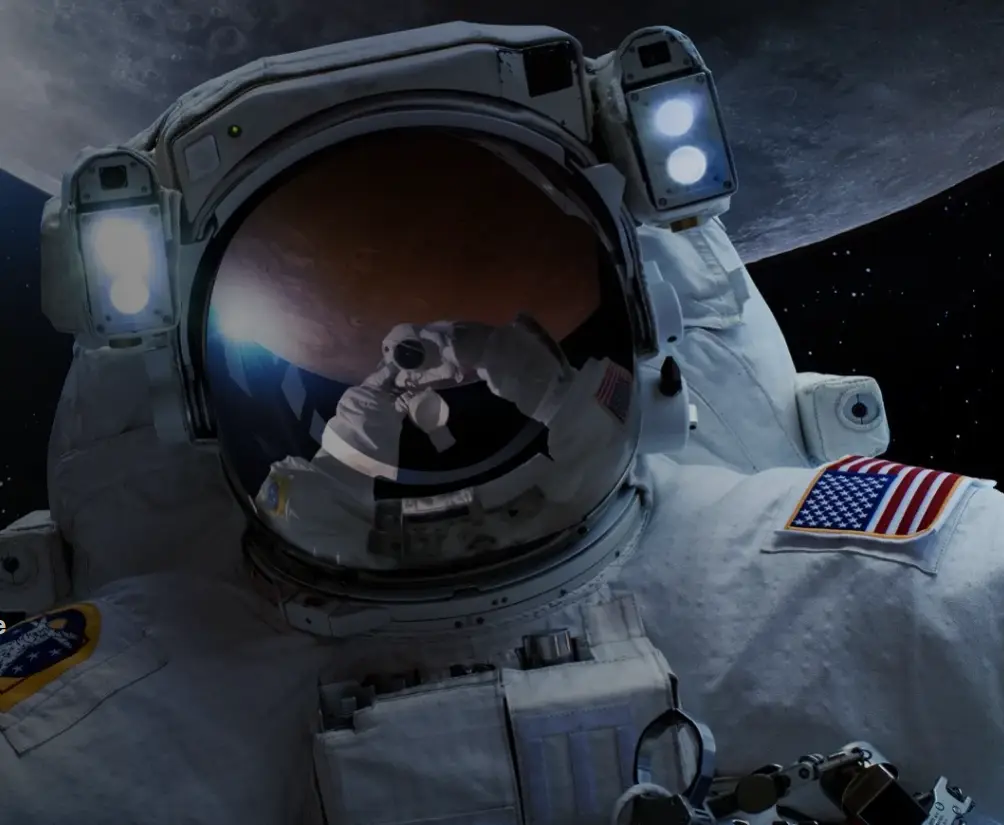
Dust and radiation also threaten life-support systems, electronics and habitats. Abrasive regolith can damage seals, clog filters and degrade solar panels, while radiation shortens the lifespan of sensitive components. Keeping equipment functional is directly linked to crew health and survival.
Preparing for long-term lunar life
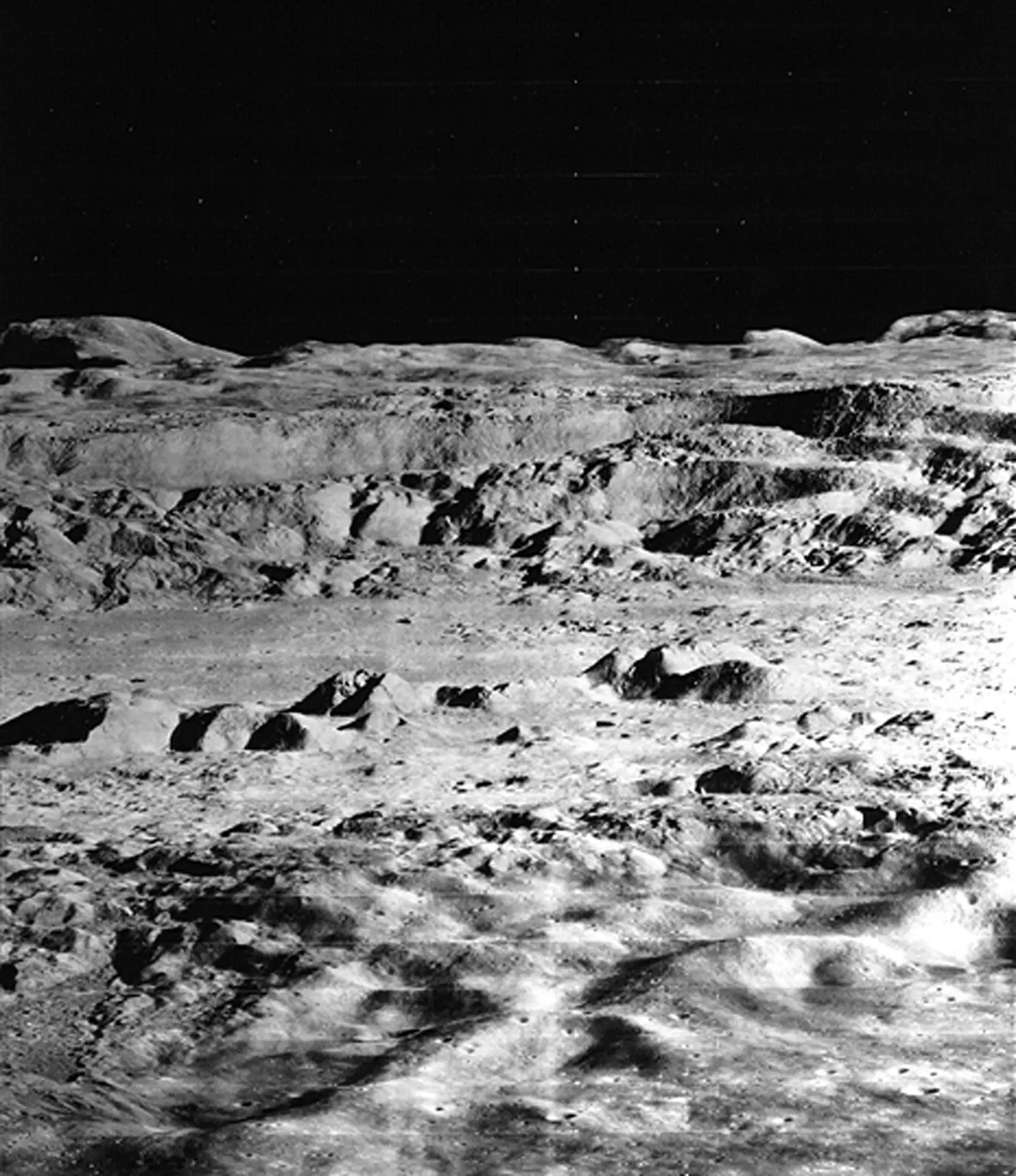
To counter these risks, agencies are developing dust-tolerant materials, improved filtration, surface stabilisation techniques and better radiation shielding. Habitat designs aim to limit dust entry and provide safer living spaces.
)
)
)
)
)