'Dry Air Systems': How the USS Abraham Lincoln prevents steel rot deep inside the ship

Dry air pumps on the USS Abraham Lincoln keep internal humidity strictly below 50 per cent. This advanced dehumidification stops hidden steel rot, securing the 100,000-tonne warship's lifespan.
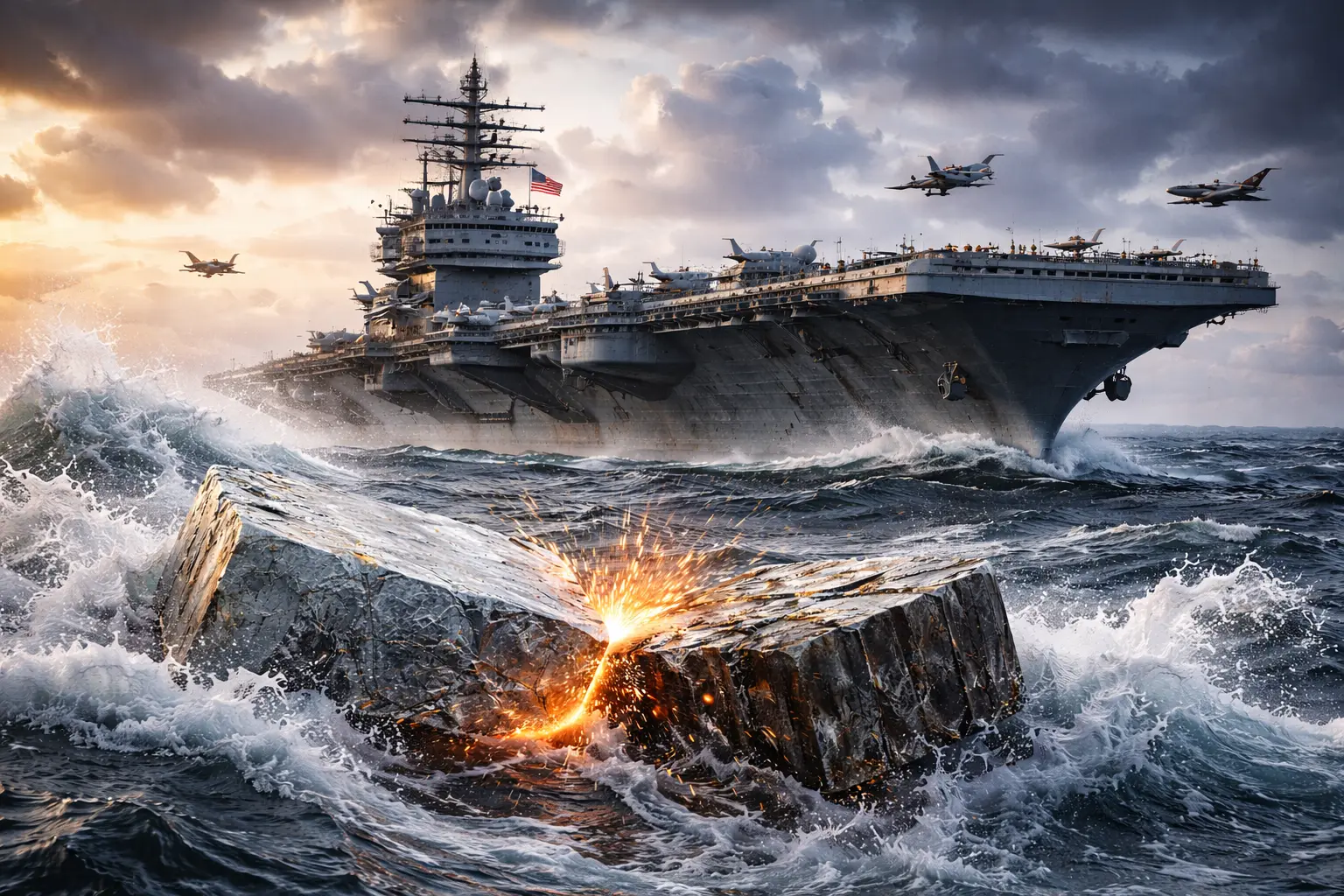
Keeping humidity under 50%
Scientific research demonstrates that steel corrosion rates shift from linear to exponential when relative humidity exceeds 50 per cent. To counter this, dynamic dehumidification systems continuously extract moisture from sealed internal compartments. This stops rust before it forms on the bulkheads.
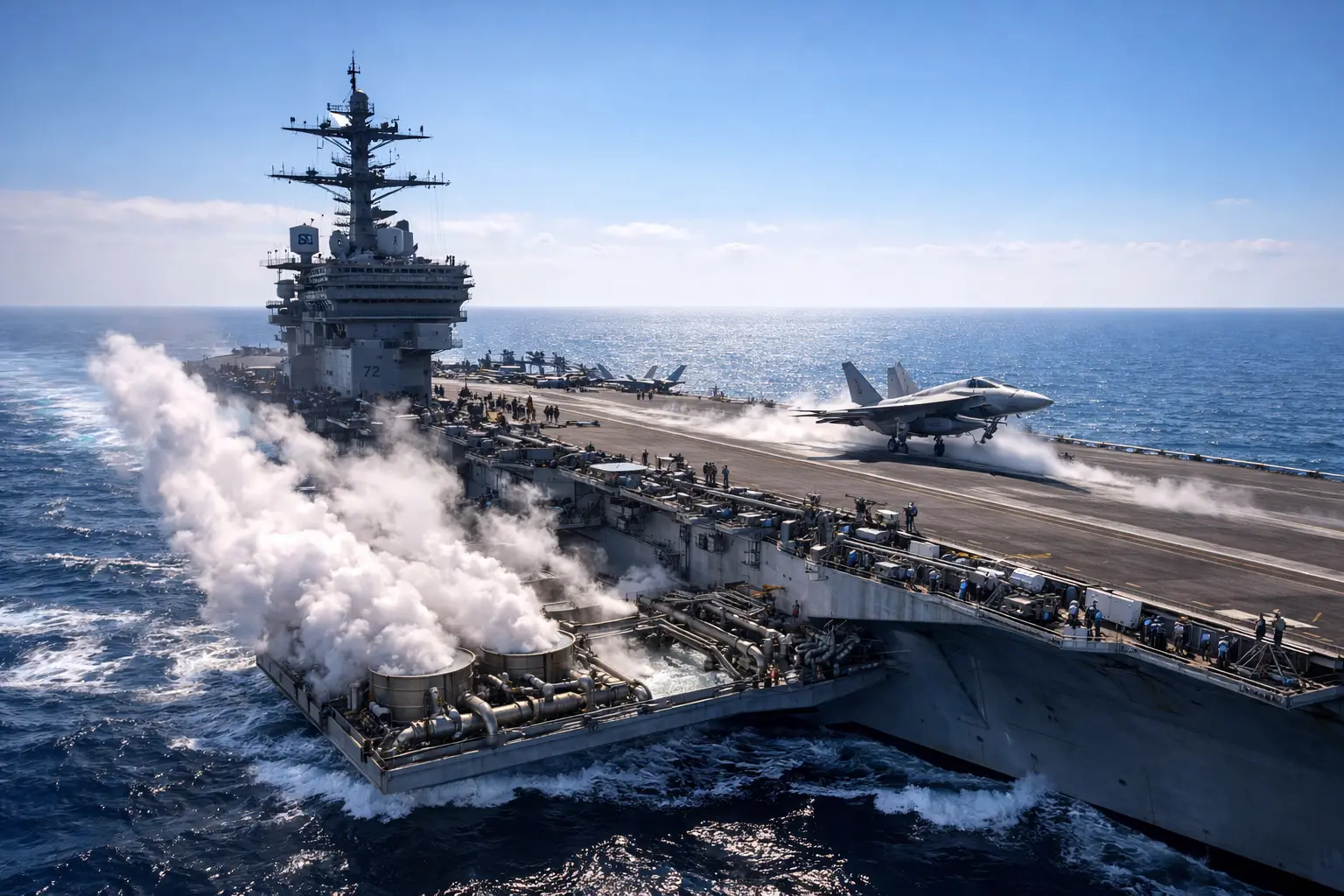
Protecting 100,000-tonne hulls
The US Navy deploys advanced dry air systems to protect Nimitz-class aircraft carriers from harsh maritime environments. These high-capacity pumps operate deep inside the warship to prevent hidden structural decay. The technology acts as a silent defence mechanism against saltwater moisture.
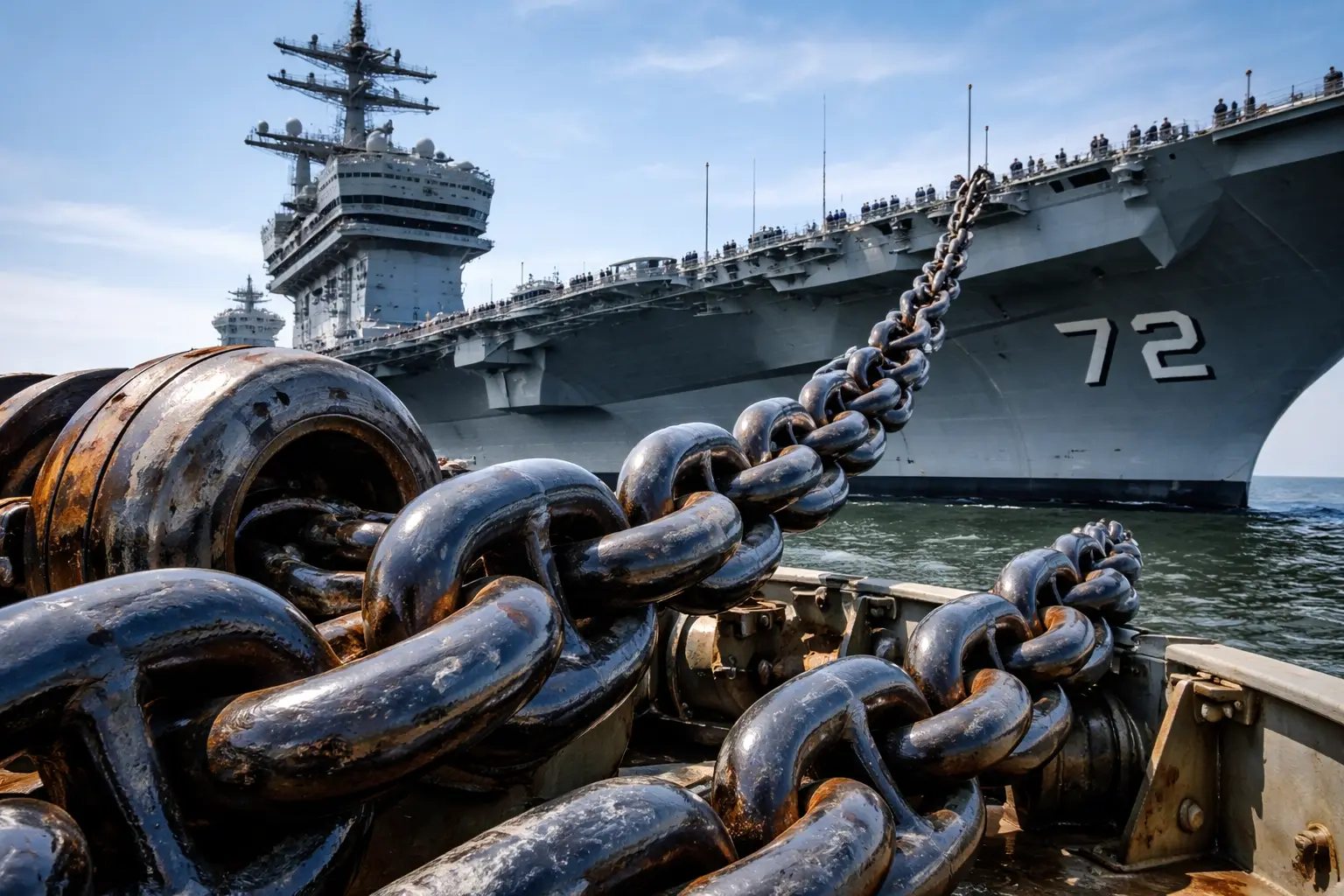
Securing 50-year lifespans
Supercarriers are engineered for up to 50 years of active global deployment. Uncontrolled moisture trapped in dark, enclosed spaces can severely degrade the structural integrity over these decades. Continuous desiccant dehumidification eliminates this threat to preserve the vessel's framework.
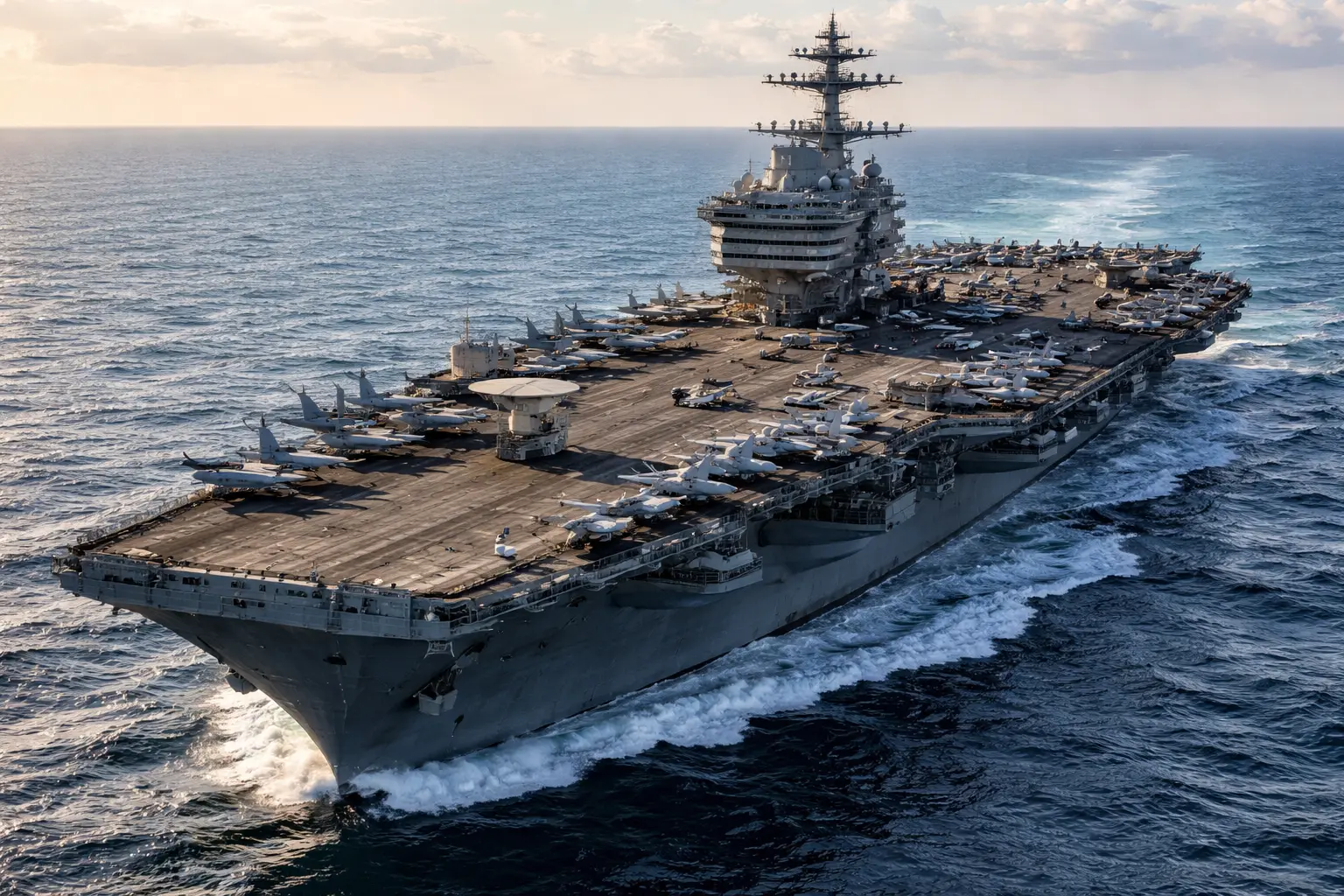
Defending 2 nuclear reactors
Moisture poses a severe risk to sensitive internal machinery, especially around the carrier's two nuclear power plants. Dry air pumps push desiccated air into critical void spaces to maintain optimal environmental conditions. This prevents moisture-induced electrical failures and safeguards the propulsion systems.
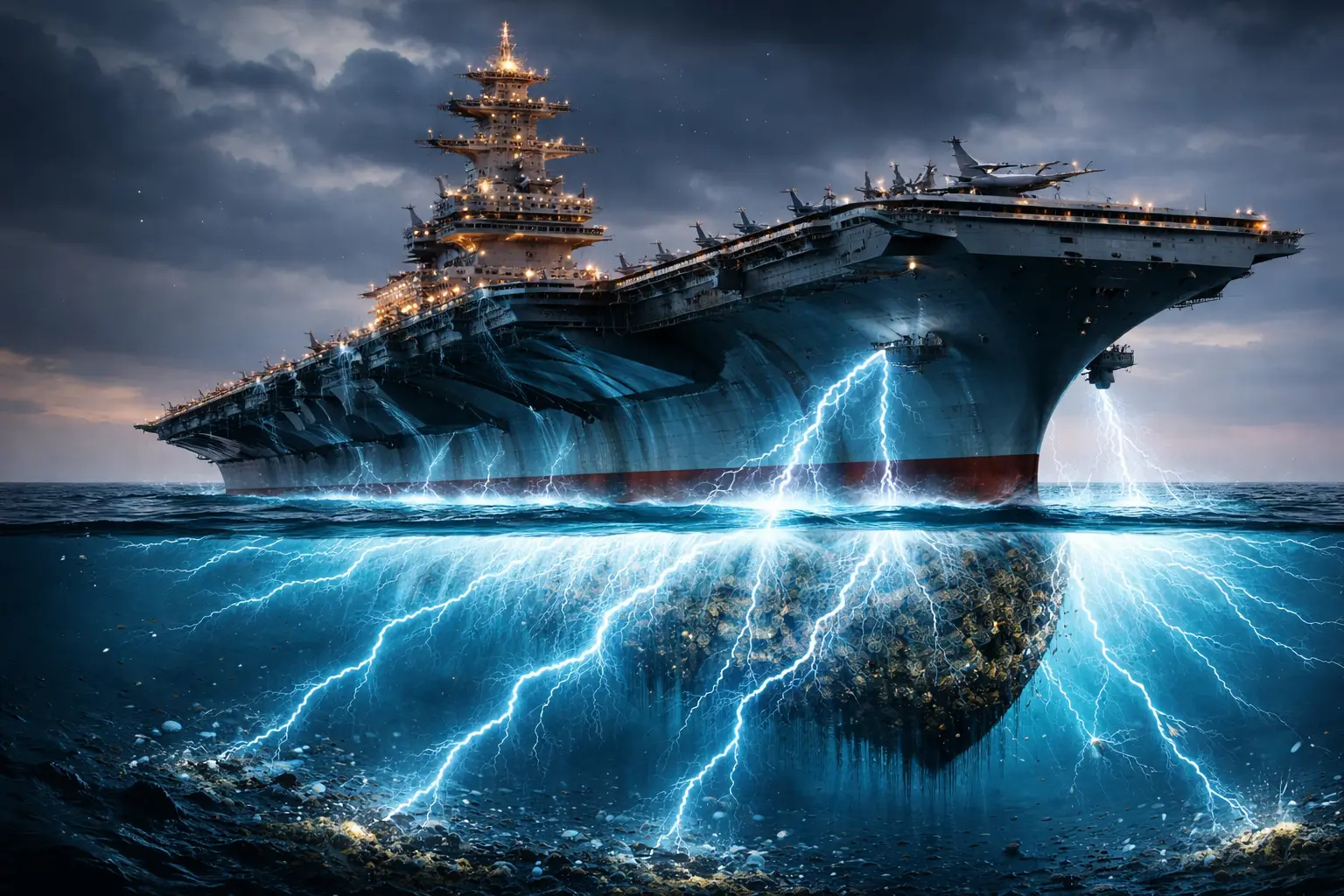
Using desiccant wheel tech
Modern naval dehumidifiers often utilise self-rejuvenating desiccant wheels to absorb airborne water vapour. This cost-effective technology requires minimal power and features few moving parts, increasing overall reliability. It efficiently removes the moisture that fuels exponential rust growth.
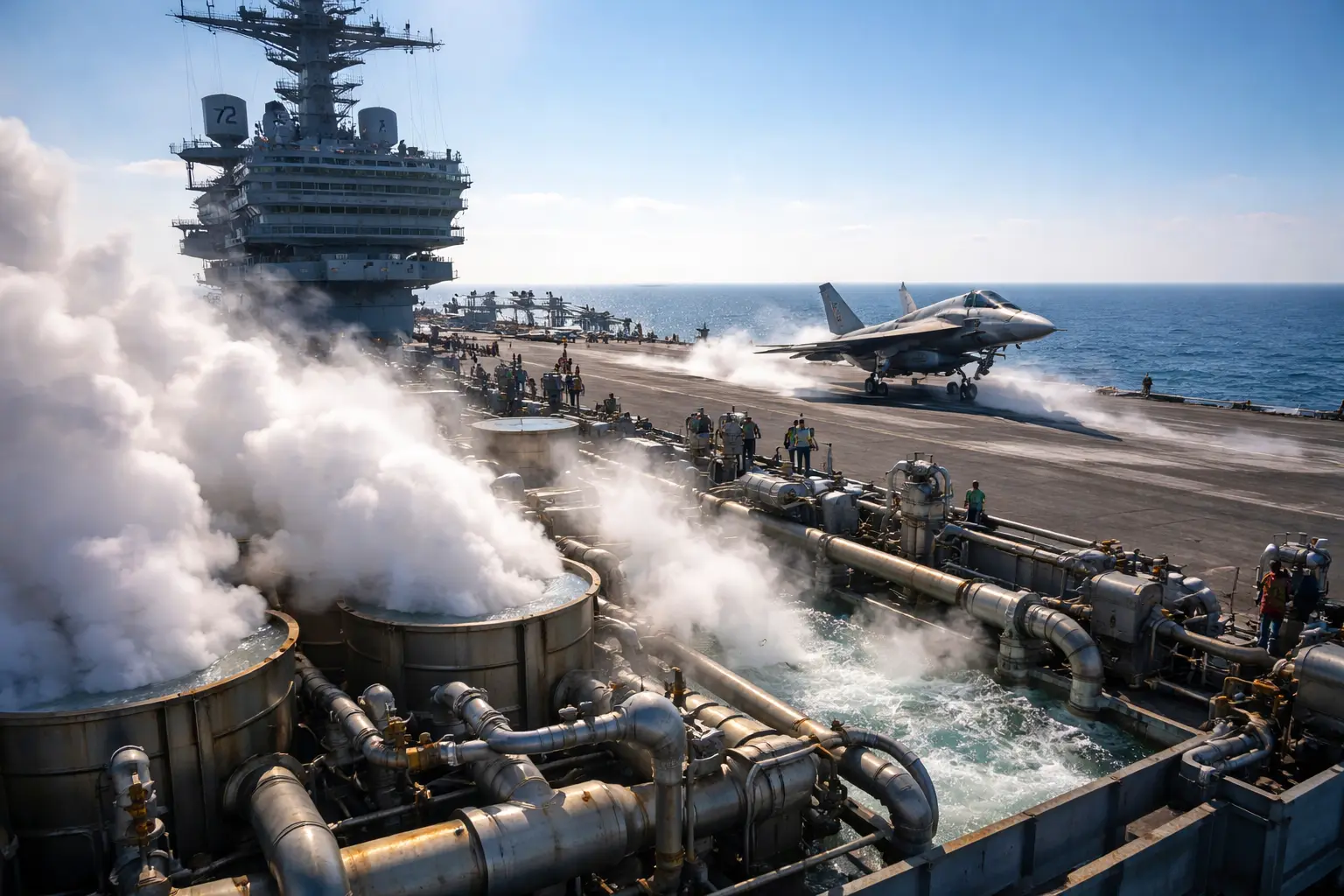
Preventing costly structural repairs
High humidity inside a warship leads to mould, deteriorating air quality, and severely weakened steel frameworks. By deploying these preventative systems, the navy avoids millions in expensive structural overhauls. This ensures the carrier spends its time deployed at sea rather than in dry docks.
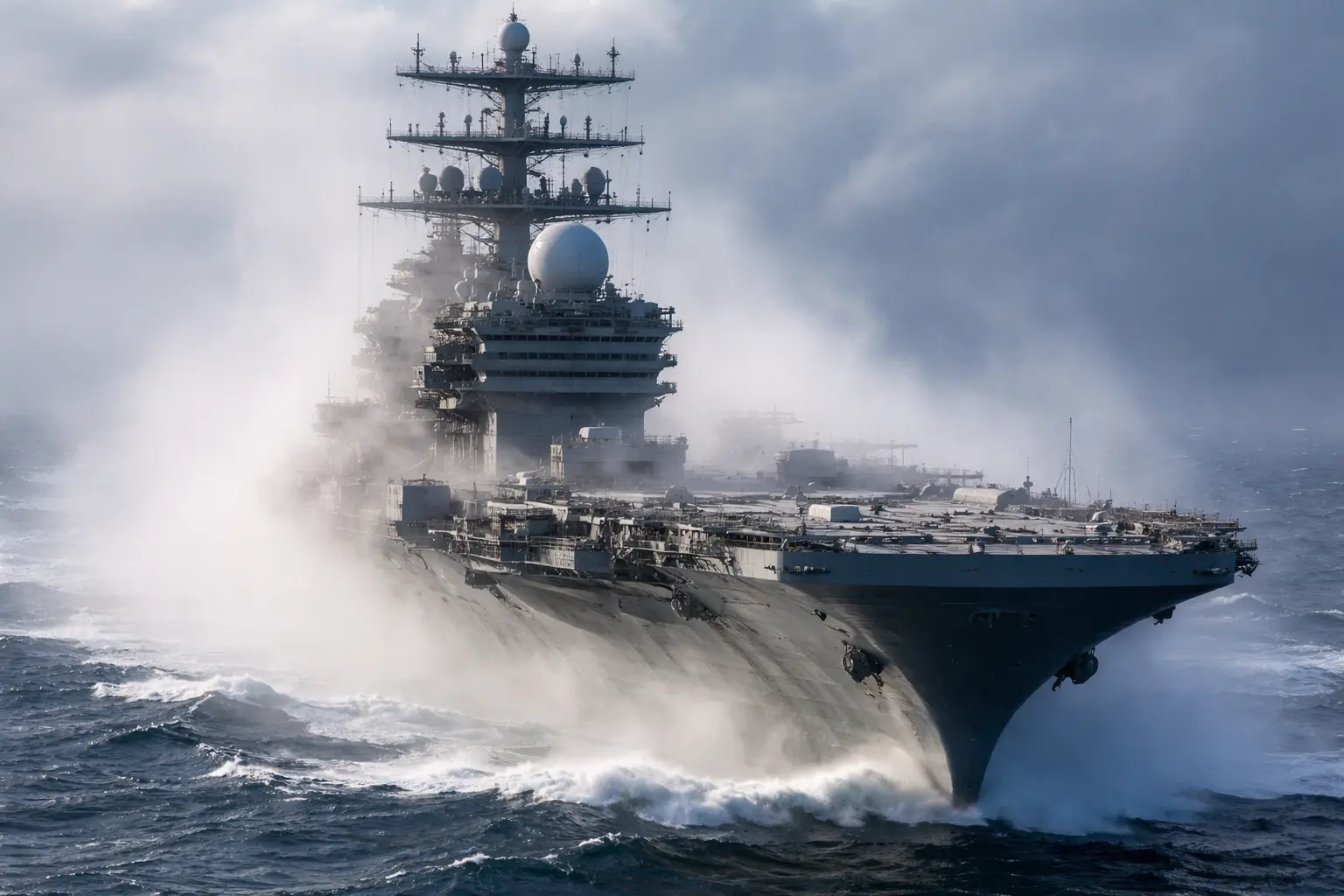
Ensuring 100% combat readiness
A vessel weakened by internal rot cannot safely launch aircraft or sustain intense operations. The constant circulation of dry air guarantees that internal structures, radars, and weapons systems remain fully intact. It is an essential capability for maintaining long-term operational strength.
)
)
)
)
)