'Drills announced': Will Russia help Iran defend against a US invasion?

By practicing coordinated strikes and electronic warfare with the Russian Navy, Iran is demonstrating its ability to keep the Strait of Hormuz open for its "shadow fleet" and energy exports, even under the threat of Trump’s "Maximum Pressure 2.0" sanctions.
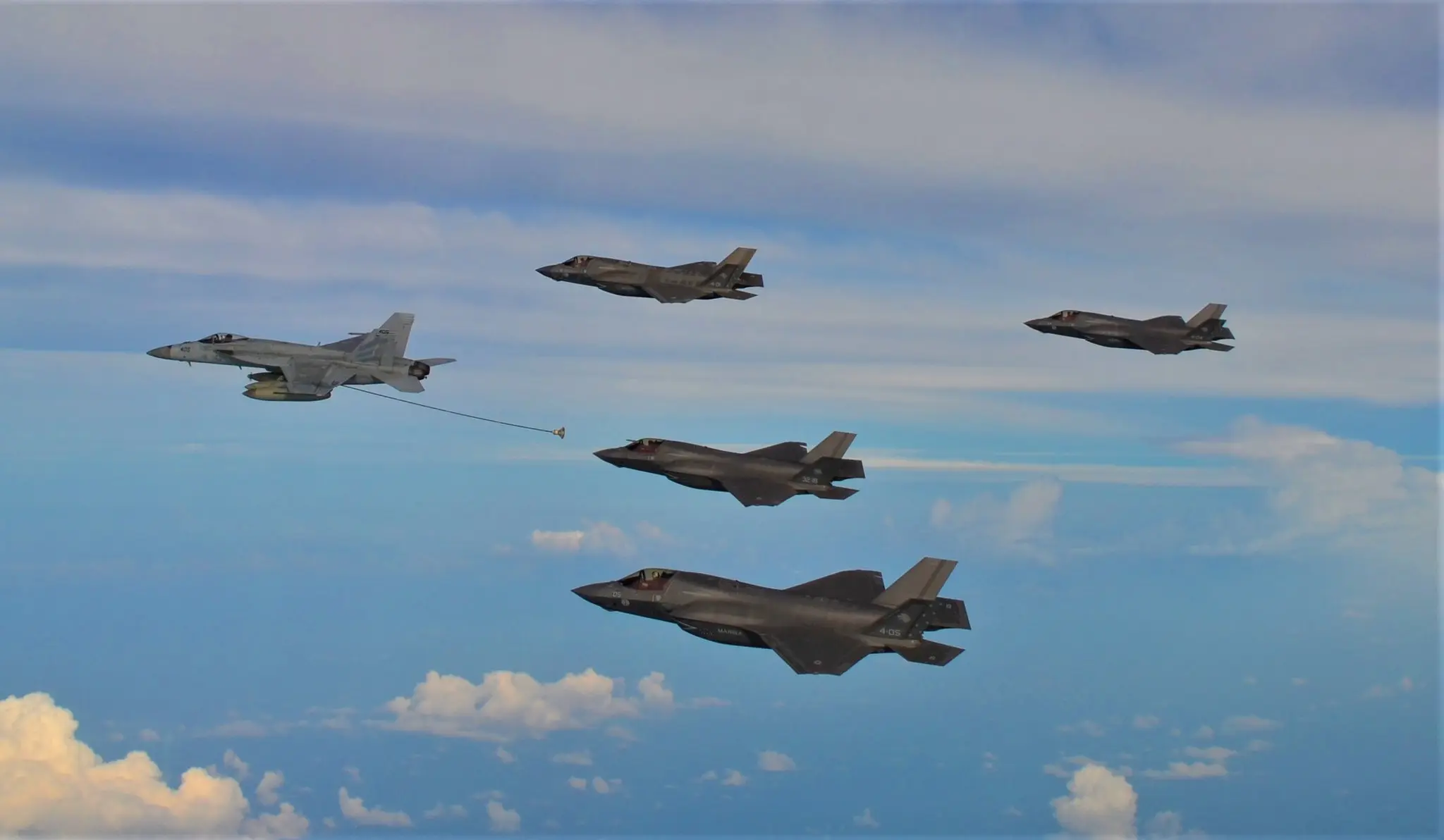
1. The "Maritime Security Belt 2026": A Show of Force
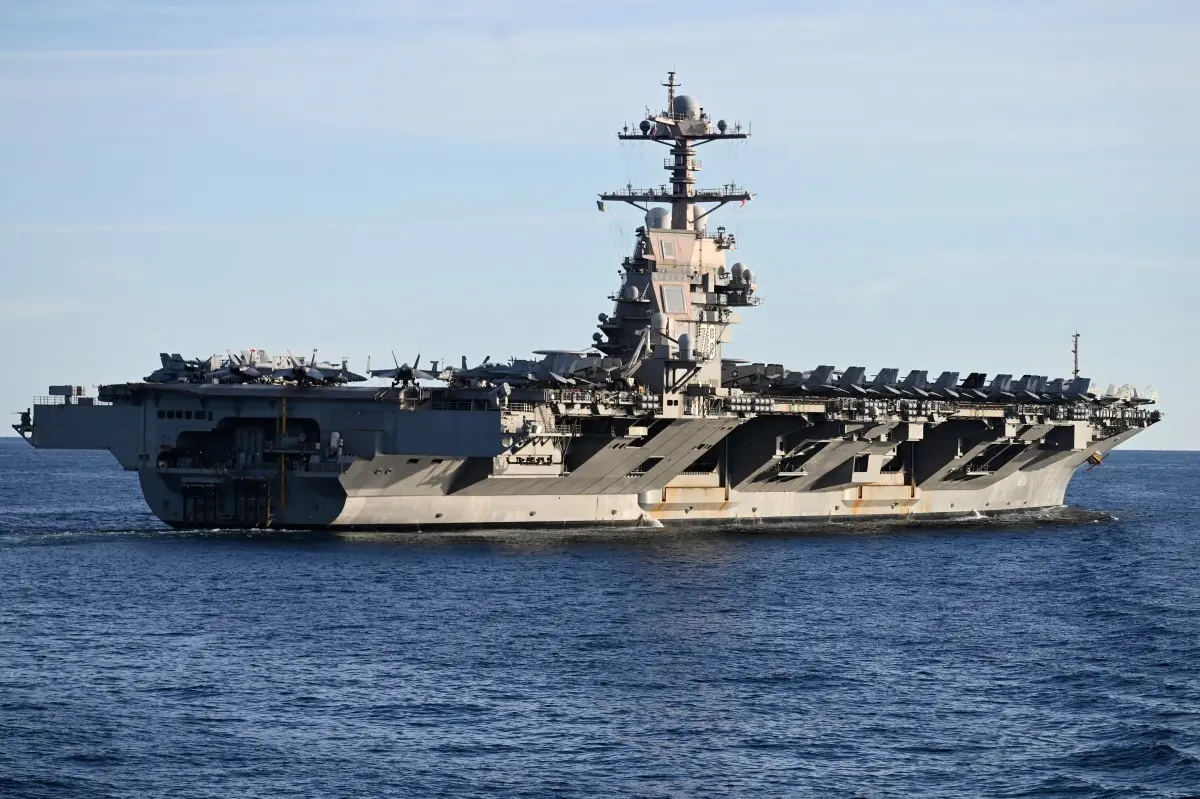
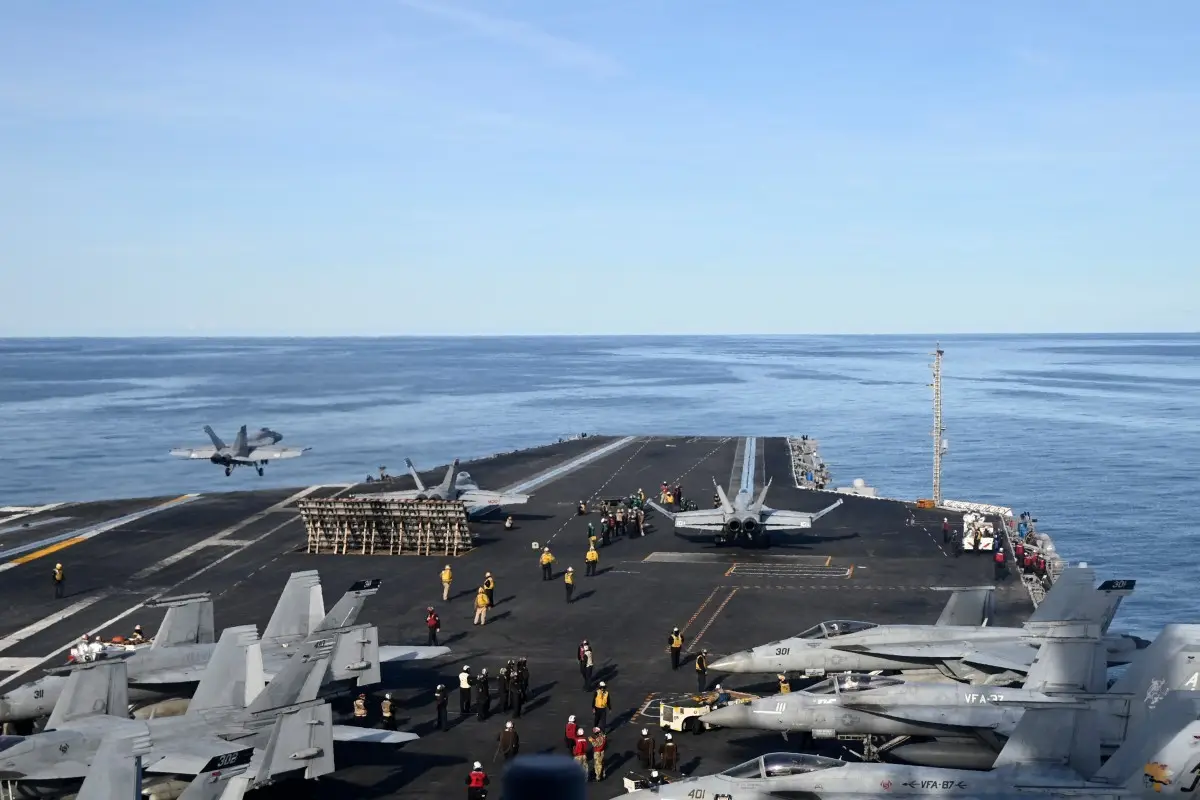
As of today, Russia and Iran have officially announced joint naval maneuvers in the Sea of Oman and the northern Indian Ocean. Scheduled to begin tomorrow, these drills titled “Maritime Security Belt 2026” feature Russian frigates and Iranian missile boats operating in the same waters where the USS Gerald R. Ford and USS Abraham Lincoln are currently stationed. The timing is a deliberate signal to the Trump administration that Tehran is not strategically isolated.
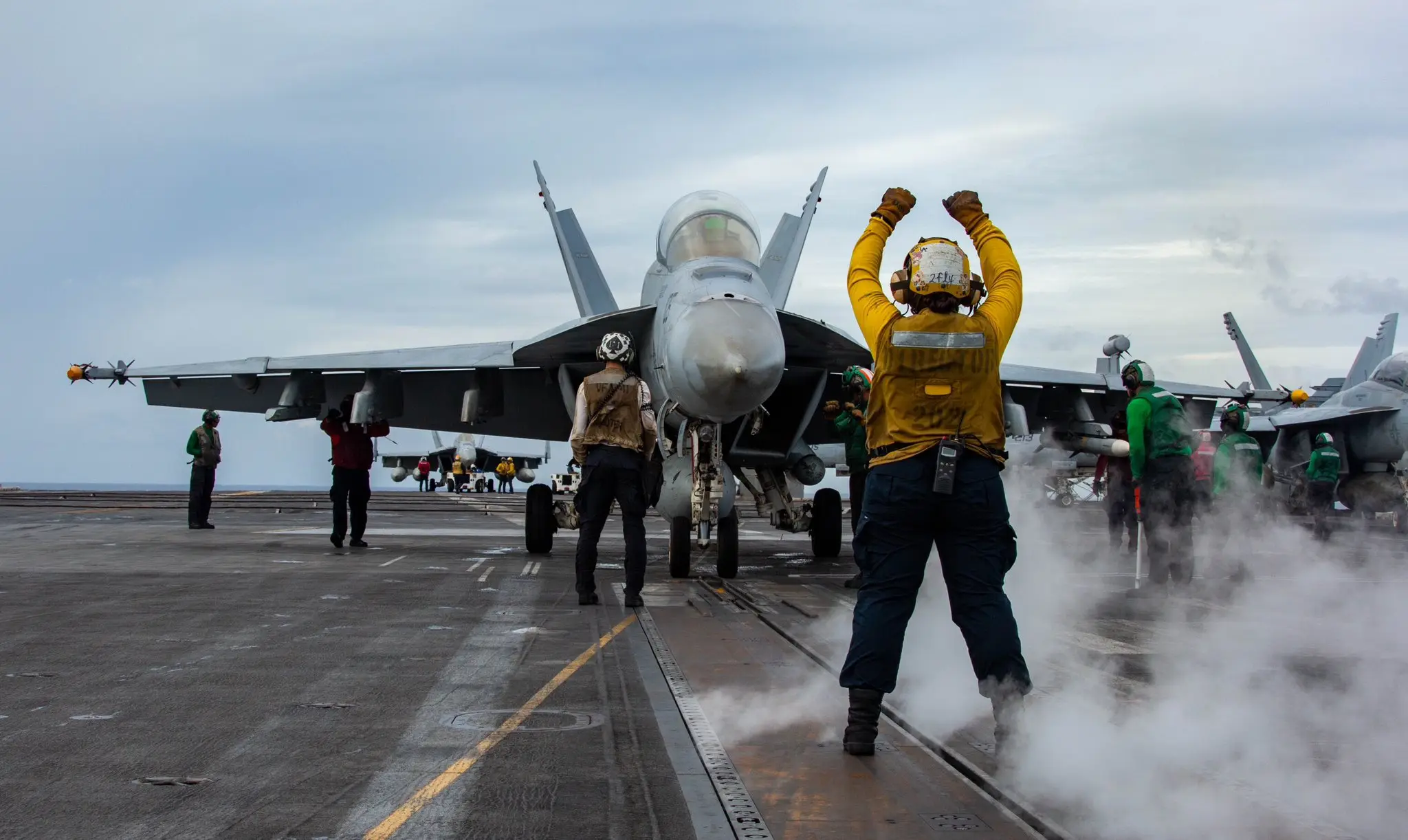
2. The "Article 3" Security Guarantee
Under the Comprehensive Strategic Partnership Treaty signed in early 2025, Moscow and Tehran have entered a new era of "privileged" cooperation. Article 3 of the treaty explicitly states that in the event of aggression against either party, the other will provide assistance to settle the conflict and refrain from helping the aggressor. While not a full "mutual defense pact" like NATO’s Article 5, it creates a massive "Russian tripwire" that US planners must account for before launching any kinetic invasion.
3. Countering the "Maritime Stranglehold"
The primary focus of the joint drills is "combating maritime terrorism" and "securing trade routes." Practically, this is a rehearsal for breaking a potential U.S. naval blockade. By practicing coordinated strikes and electronic warfare with the Russian Navy, Iran is demonstrating its ability to keep the Strait of Hormuz open for its "shadow fleet" and energy exports, even under the threat of Trump’s "Maximum Pressure 2.0" sanctions.
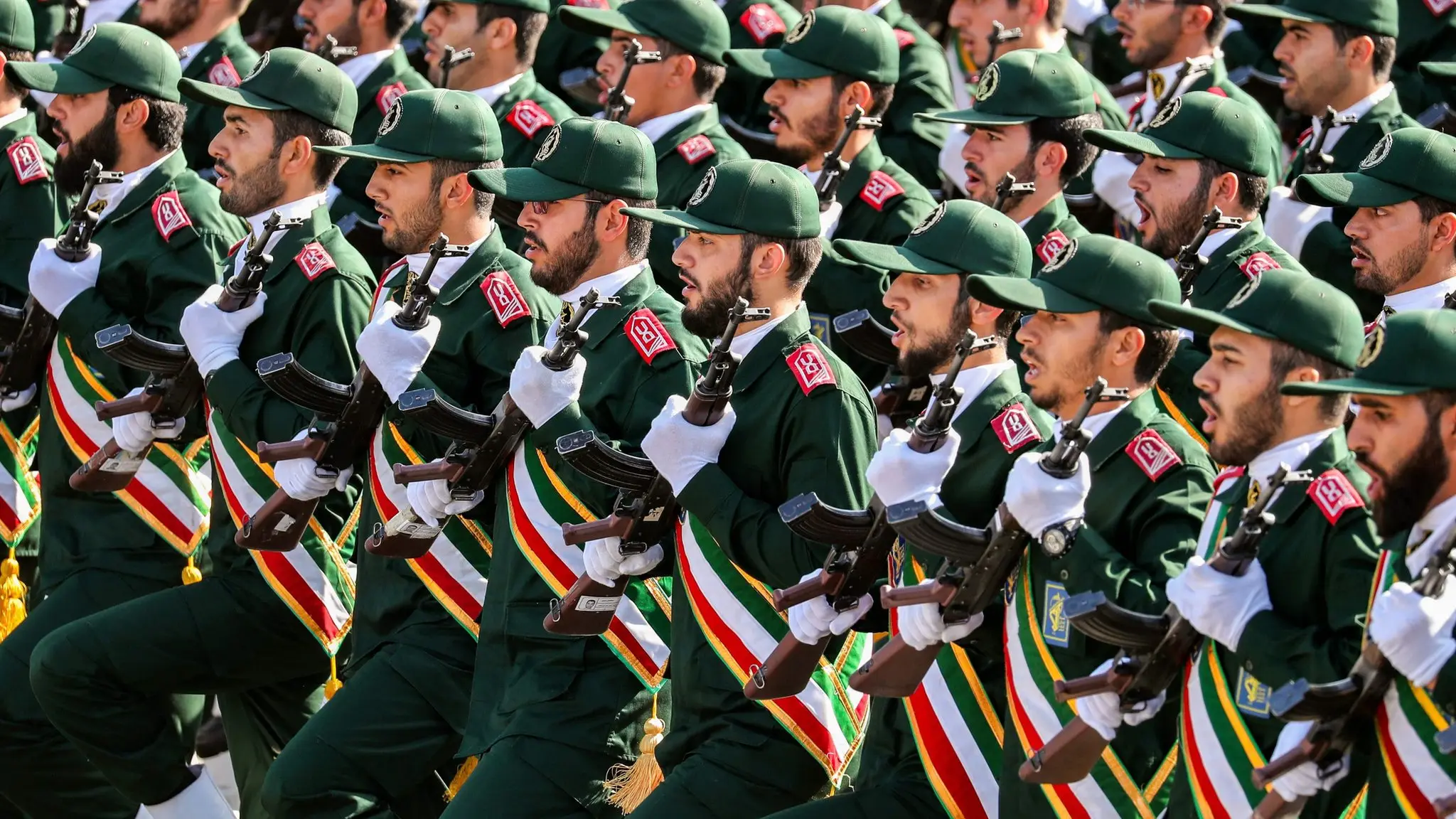
4. Russian Intelligence: The "Eyes" of the IRGC
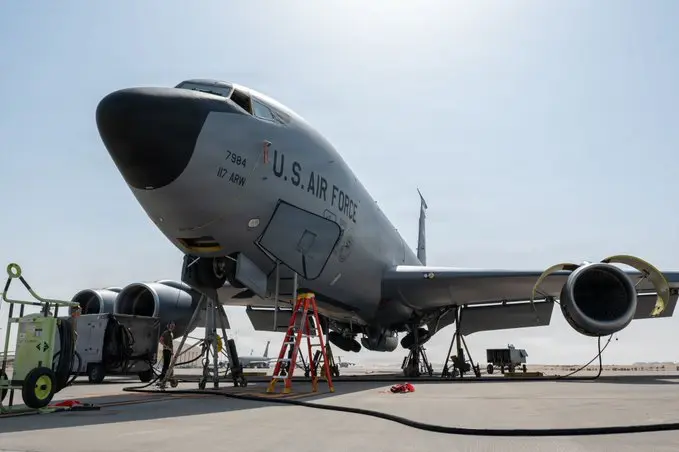
Beyond ships and missiles, Russia’s greatest help may be invisible. Analysts suggest that Russia is sharing real-time satellite intelligence and signal data with the IRGC to track the movements of the U.S. armada. This high-level "situational awareness" allows Iran to hide its mobile missile launchers and move its S-400 batteries effectively, neutralizing the "Operation Silicon Siege" tactics the U.S. might use to blind Iranian defenses.
5. The "Geneva Shadow": Diplomacy Under Duress
The drills are taking place simultaneously with the second round of indirect talks in Geneva, mediated by Oman. Russia’s naval presence gives the Iranian negotiators leverage, showing Washington that a failed diplomatic path doesn't just lead to war with Iran, but to a confrontation with a nuclear-armed Russia. Moscow is effectively acting as Iran's "security guarantor" to ensure the US stays at the negotiating table.
6. Russia's Own "Battlefield Momentum"
Moscow's willingness to help Iran is bolstered by its perceived upper hand in Europe. With the Ukraine conflict having shifted in Russia's favor by early 2026, Putin is more willing to project power in the Middle East to distract the US from Eastern Europe. By pinning down American carrier groups in the Persian Gulf, Russia gains breathing room on its own frontiers, making its support for Iran a win-win strategic move.
7. The Threshold of "Direct Involvement"
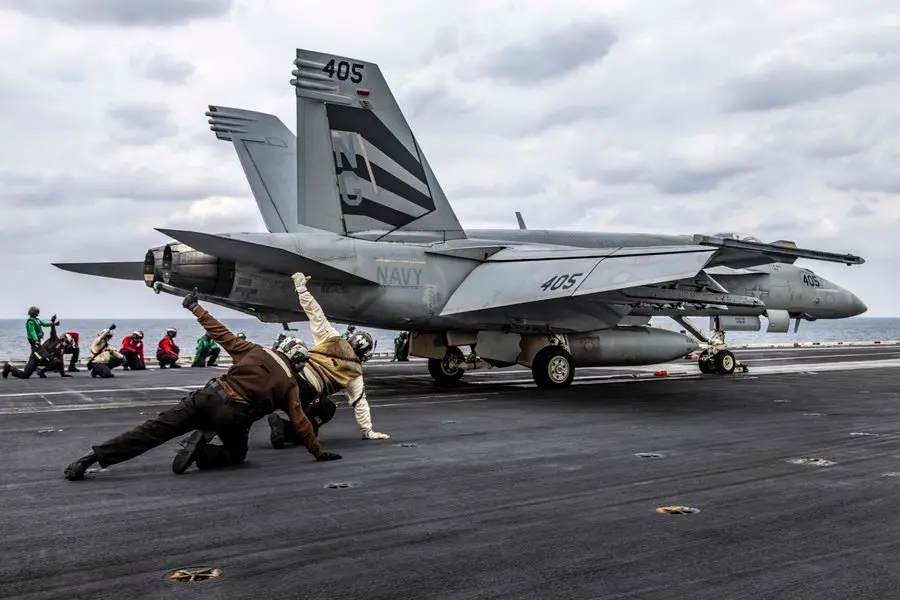
The big question remains: would Russia actually fire on US ships during an invasion? While Moscow is unlikely to start World War III over Tehran, its "hybrid" support, providing advanced S-400 Triumf air defences, electronic jamming tech, and intelligence, could make a US invasion so costly in terms of "blood and treasure" that the Trump administration might be forced to settle for a deal rather than a "regime change" war.
)
)
)
)
)