'Draft Limits': Why the USS Abraham Lincoln cannot enter most ports

The 100,000-tonne USS Abraham Lincoln cannot dock at standard ports due to its 12.5-metre draft. It requires 15-metre deep channels, forcing it to anchor offshore and rely on small transport boats.
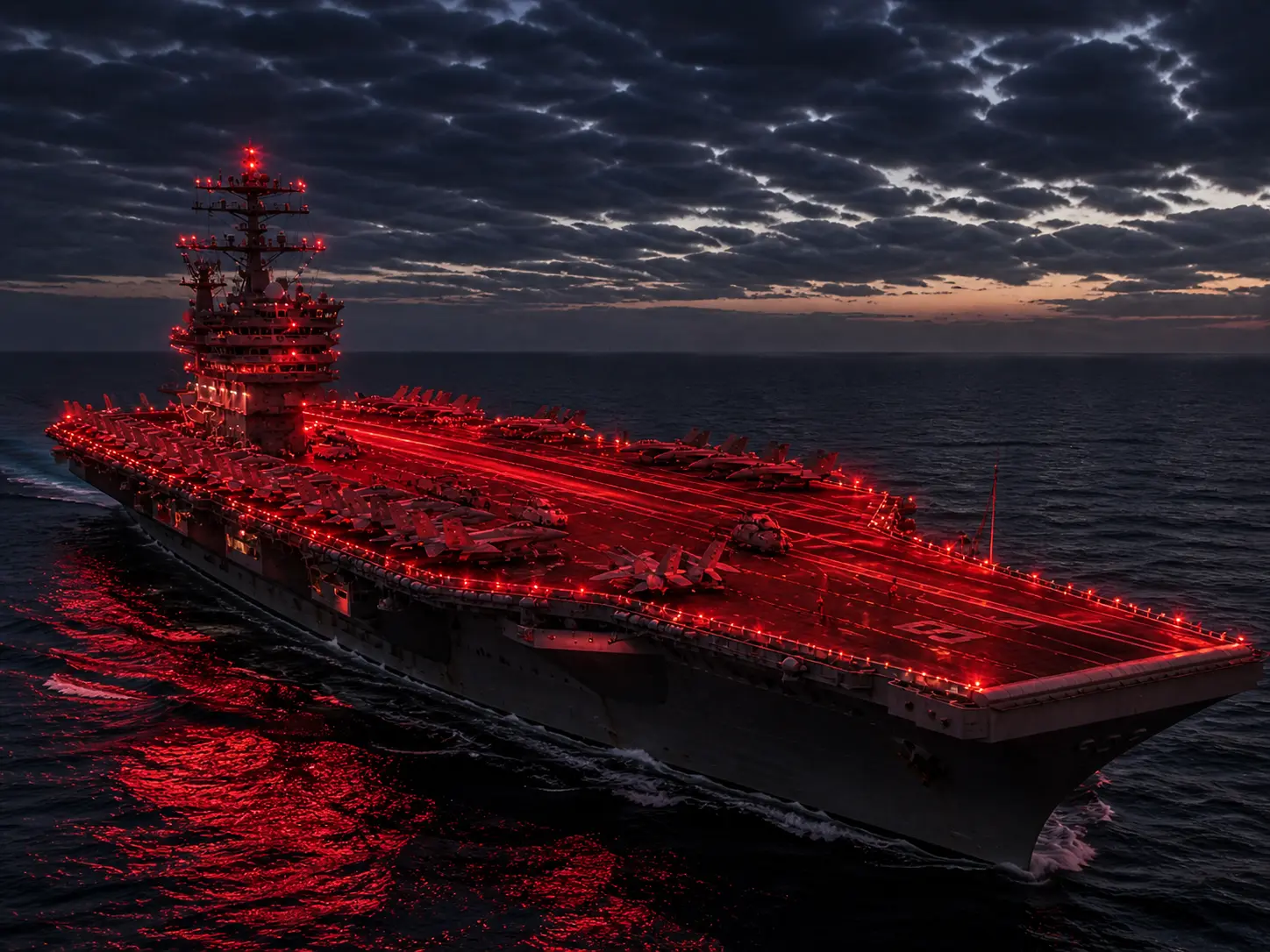
12.5-metre hull depth
The USS Abraham Lincoln is a Nimitz-class carrier with a maximum navigational draft that reaches 12.5 metres. This deep underwater profile restricts the 100,000-tonne vessel from entering shallow coastal harbours worldwide. Standard ports simply lack the clearance to safely accommodate the ship.
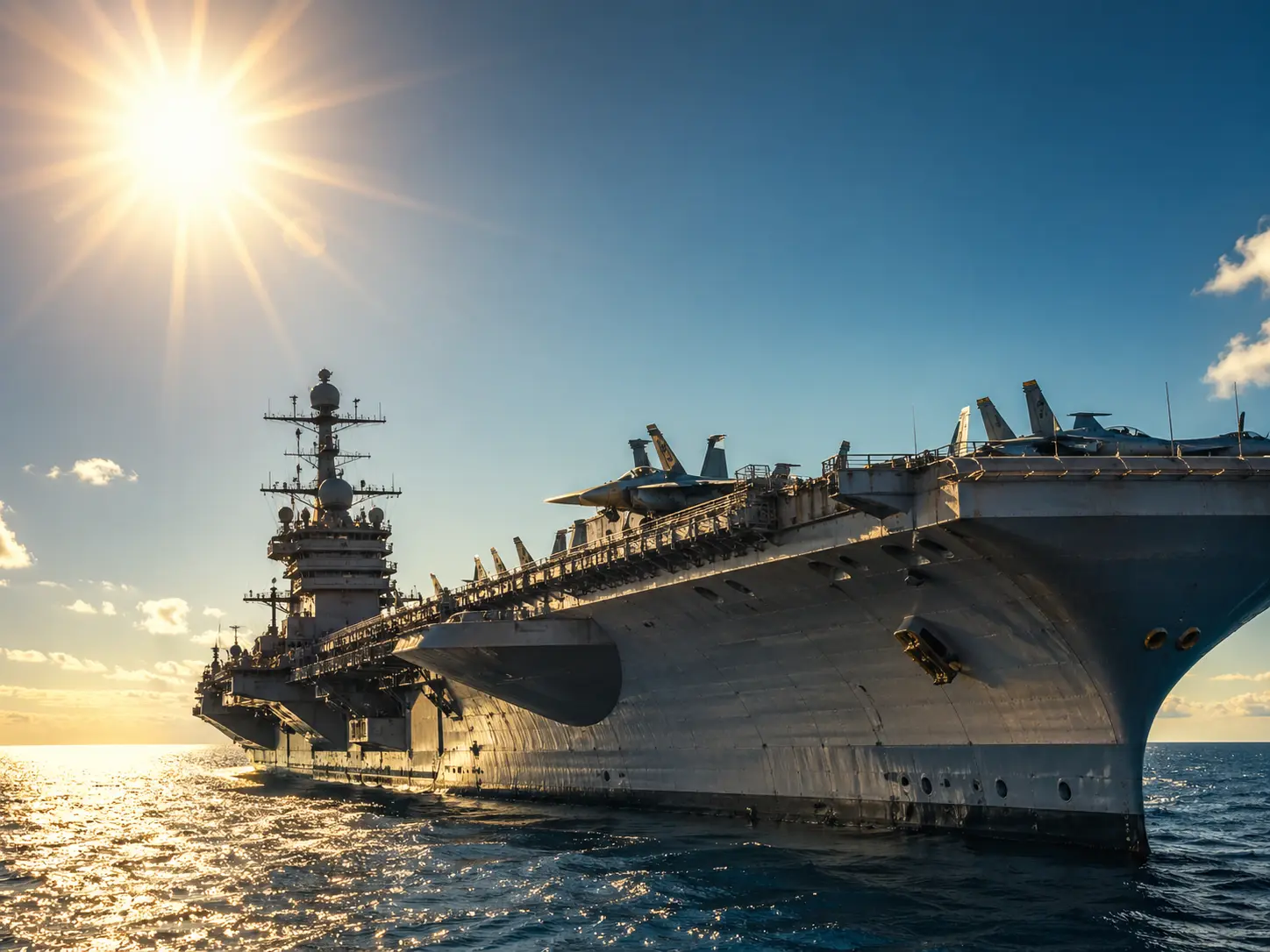
Needs 15-metre channels
Nuclear-powered carriers require a minimum water depth of 15 metres to operate safely under all tidal conditions. This extra clearance prevents mud and seafloor debris from clogging the warship's critical cooling systems. Very few global maritime facilities are dredged to maintain this specific depth.
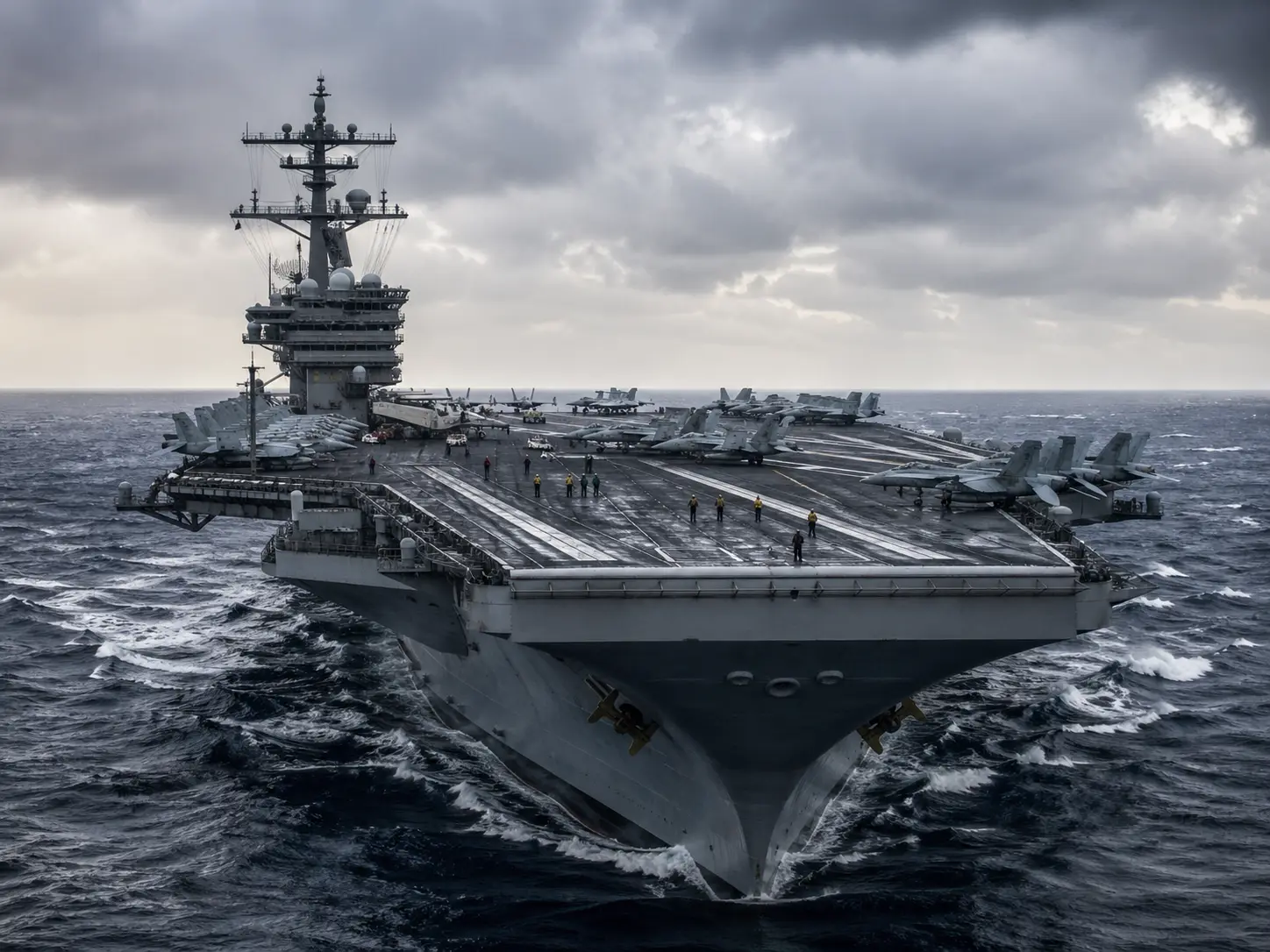
332 metres in length
Beyond its deep draft, the warship stretches 332.8 metres in length and features a 76.8-metre wide flight deck. These massive dimensions make turning basins in standard harbours too narrow for the vessel to manoeuvre. The ship needs vast open water to safely rotate and align for mooring.
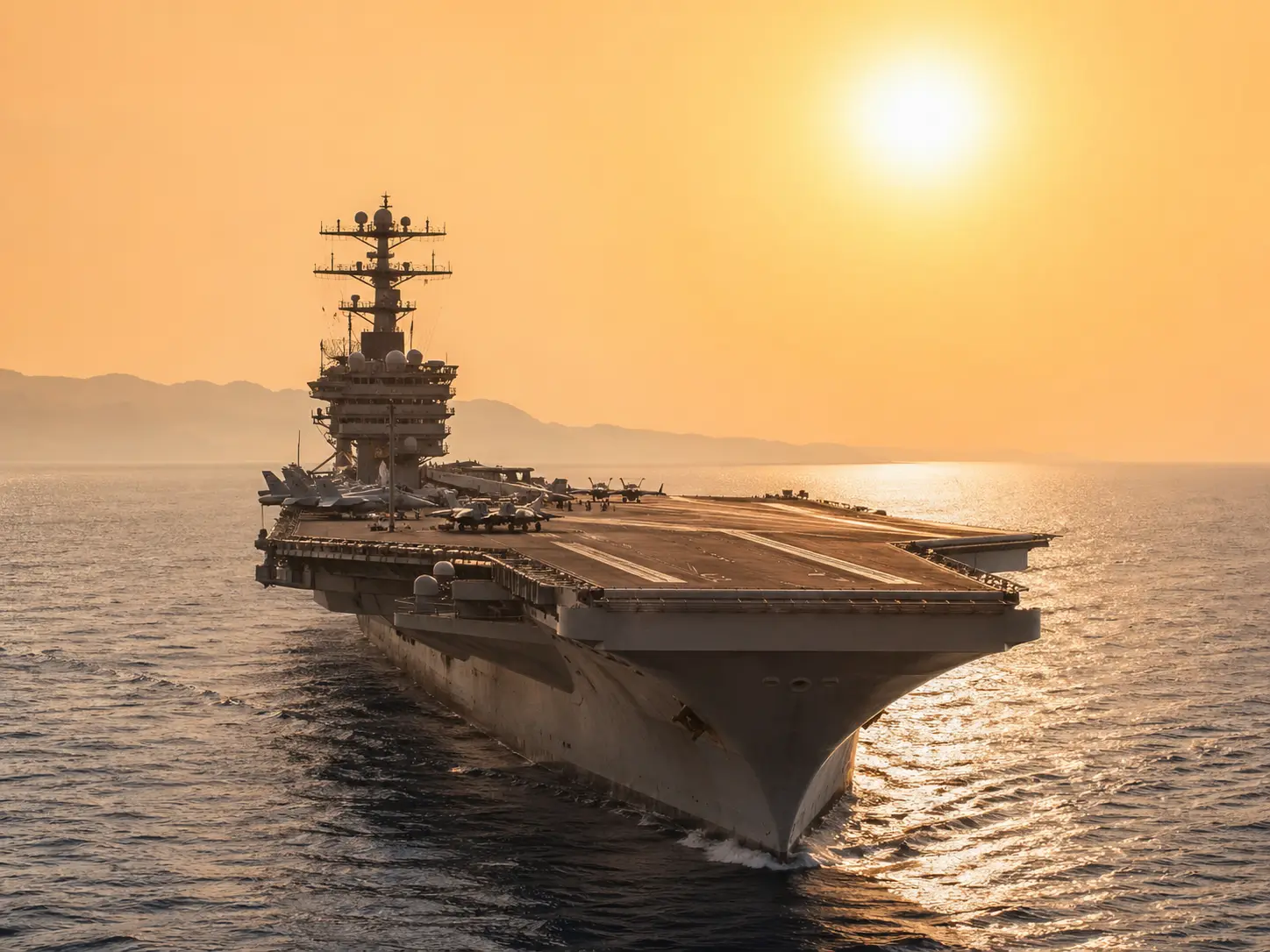
60,000-pound anchor drops
When visiting restricted maritime locations, the carrier drops its 60,000-pound anchor miles away from the coastline. The crew operates from this offshore holding position instead of tying up at a standard dock. This ensures the massive warship remains in safe, deep waters.
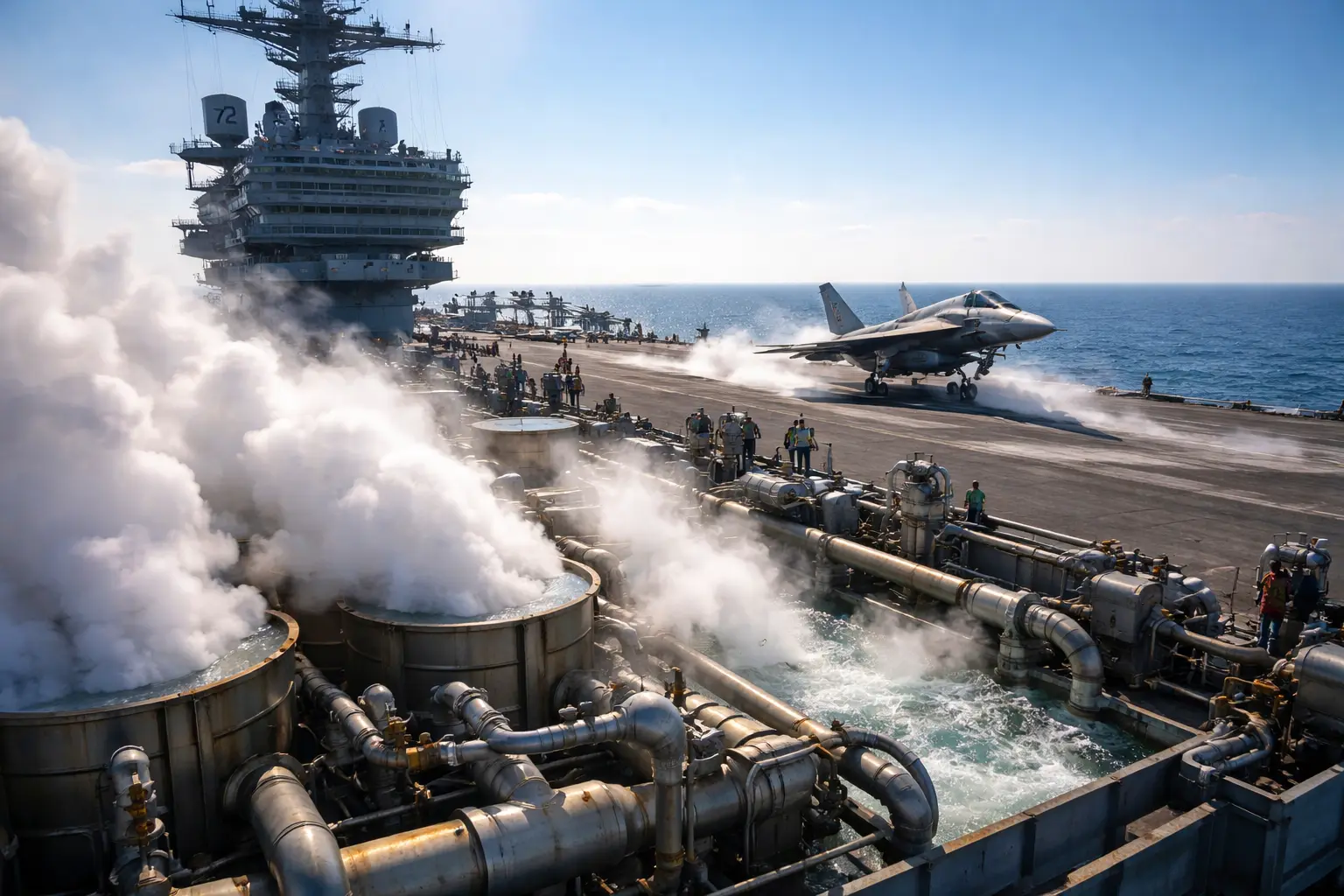
Transports 5,000 crew
Moving the 5,000-strong crew from an anchored carrier to the shore requires a continuous ferry system. The navy deploys small transport vessels to carry personnel across shallow waters where the carrier cannot navigate. This logistical workaround successfully bridges the gap between the ship and the port.
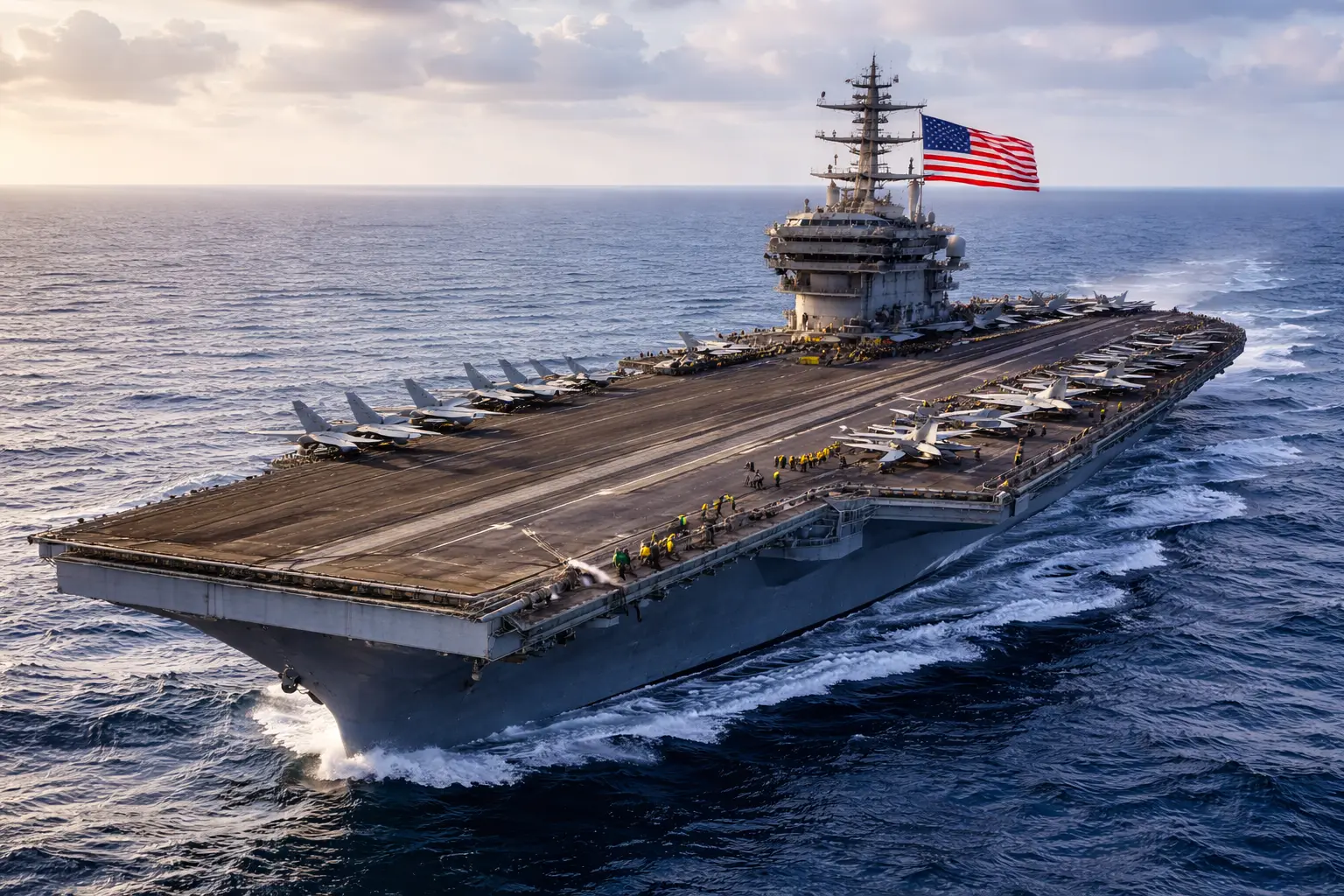
Uses MH-60S helicopters
The warship relies heavily on helicopters for cargo transfers when anchored offshore. Through a process called vertical resupply, MH-60S Seahawk helicopters continuously airlift essential supplies directly onto the flight deck. This aerial bridge bypasses the shallow water limitations completely.
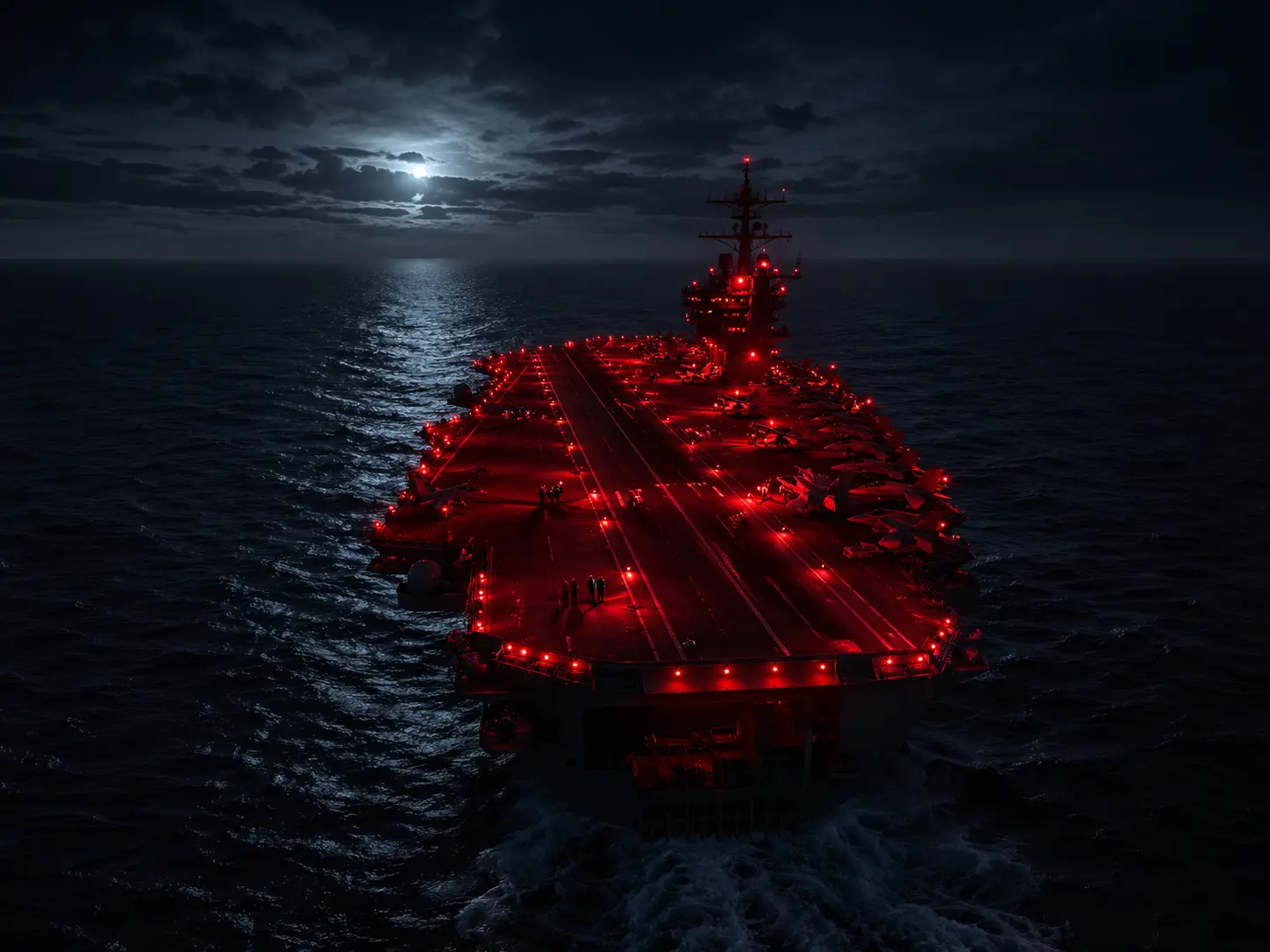
100,000-tonne ship docks
The United States Navy maintains a select few global facilities capable of handling the carrier's massive displacement. Bases like Naval Base Kitsap in Washington and Yokosuka Naval Base in Japan offer the necessary depth and infrastructure. These hubs undergo constant maintenance to keep the channels clear.
)
)
)
)
)