'Doomsday warning': Why US just fired a nuclear-capable Minuteman III ICBM from California?

The Minuteman III is the cornerstone of the land-based leg of the US nuclear triad. Capable of traveling at speeds of roughly 15,000 miles per hour (24,000 km/h) with a range exceeding 6,000 miles (9,650 km).
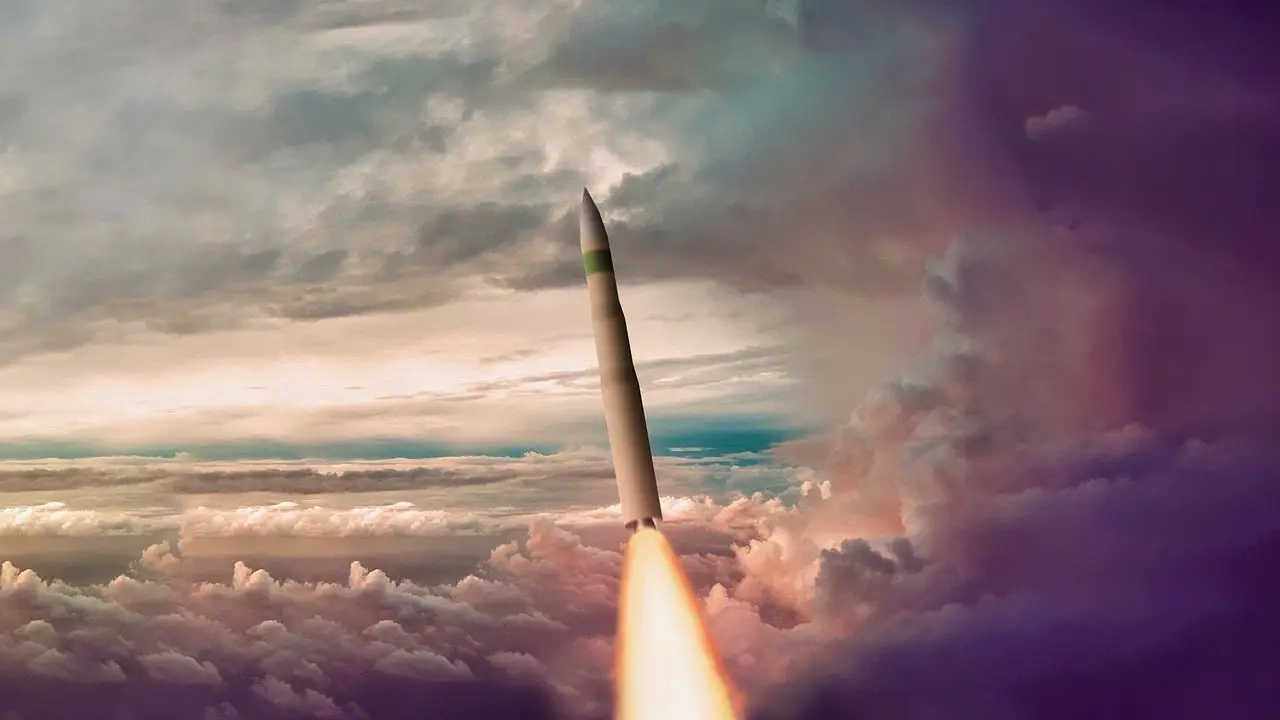
1. The Midnight Launch (GT 255)
At exactly 11:01 p.m. Pacific Time on Tuesday, March 3, the night sky over California was lit up by the launch of an unarmed Minuteman III ICBM from Vandenberg Space Force Base. The operational test, officially designated as GT 255, was initiated by operators from across three different missile wings.
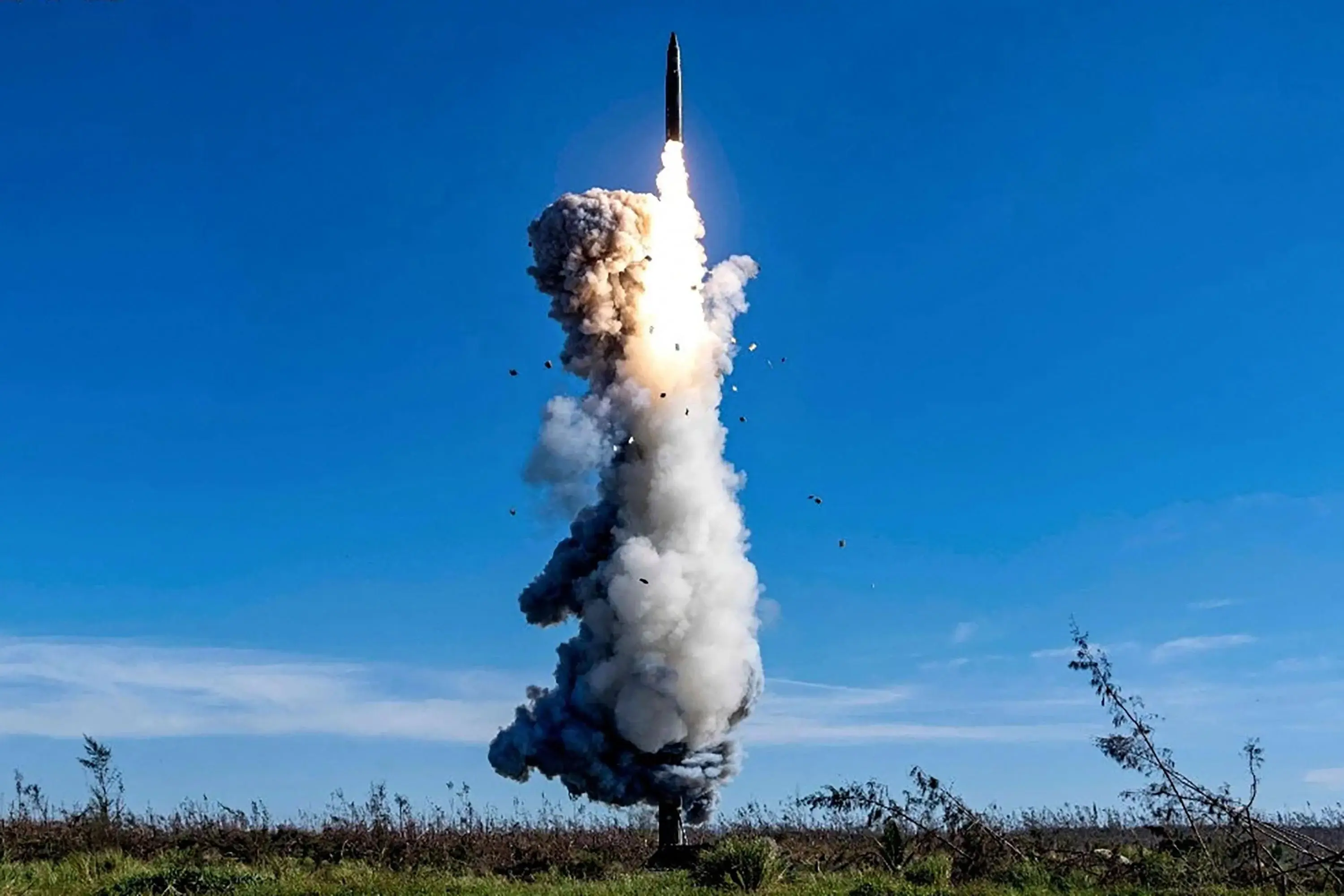
2. The 'Doomsday' Capabilities
The Minuteman III is the cornerstone of the land-based leg of the US nuclear triad. Capable of traveling at speeds of roughly 15,000 miles per hour (24,000 km/h) with a range exceeding 6,000 miles (9,650 km), it is designed to deliver a nuclear payload to virtually any point on the globe in roughly 30 minutes, earning it the grim "doomsday" moniker.

3. Testing Multiple Warheads (MIRVs)
What makes GT 255 particularly significant is that the missile was equipped with two test re-entry vehicles. This was a specific test of the missile's MIRV (Multiple Independently-targetable Reentry Vehicle) capabilities, verifying that a single American ICBM can flawlessly detach and guide multiple nuclear warheads to completely separate targets simultaneously.

4. The 4,200-Mile Pacific Strike
After leaving the Earth's atmosphere, the two re-entry vehicles traveled approximately 4,200 miles across the Pacific Ocean. Engineers and weapons experts from the 377th Test and Evaluation Group confirmed they successfully struck their pre-determined target zones at the Kwajalein Atoll in the Marshall Islands.

5. The Pentagon's 'Routine' Defense
The Air Force Global Strike Command (AFGSC) immediately issued statements insisting the timing of the launch is purely coincidental. The official press release stressed that the launch was scheduled "years in advance" and was "not in response to world events," citing it as part of a long-standing program involving over 300 similar tests to validate fleet reliability.

6. A 'Lethal Force' Warning
Despite the routine classification, the military's language served as a stark warning to geopolitical rivals. Gen. S.L. Davis, commander of AFGSC, stated the test proves America's long-range strike capability is "not just a theoretical concept, but a proven, reliable, and lethal force, ready to defend the nation at a moment's notice."

7. Covering the 'Sentinel' Delay
Beyond the immediate geopolitical flex, the test serves a critical internal purpose for the U.S. military. The aging Minuteman III fleet, in service since 1970, was supposed to be replaced by the next-generation LGM-35A Sentinel ICBM. With the Sentinel program facing severe budget overruns and timeline delays, this week's launch proved the Air Force can keep the legacy Minuteman III operational and lethal through 2050 if necessary.
)
)
)
)
)