‘Digital superpower’: Can Iran’s SAM network survive a US cyber-electronic storm?

The US military possesses advanced jamming and hacking capabilities designed to blind radar systems and sever command links before a single missile is fired. While Iran operates advanced S-300 and Bavar-373 systems, US electronic warfare can blind them instantly.
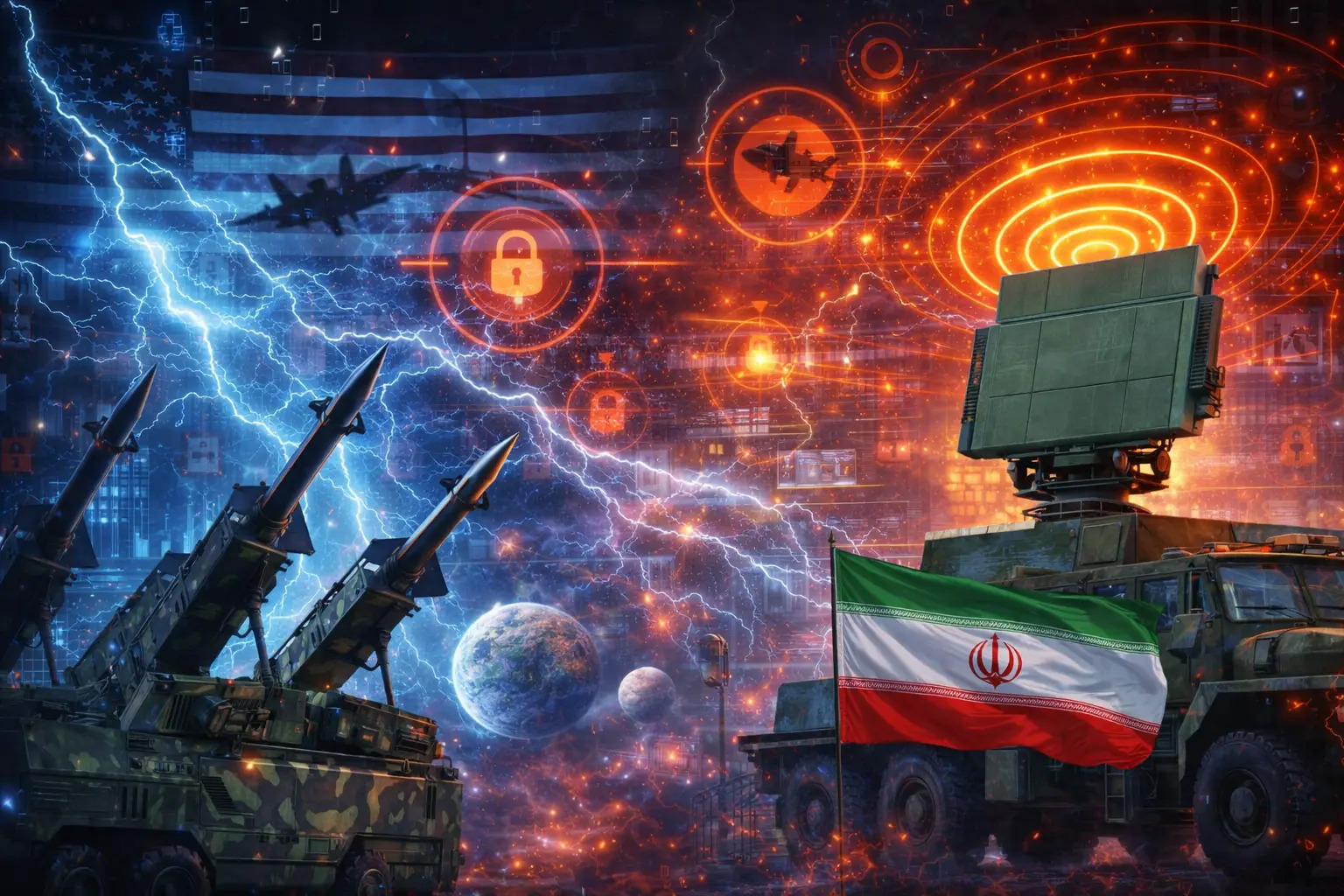
Electronic attack?
Before physical airstrikes, the US would likely launch a massive cyber and electronic attack to blind Iran's radar network. This 'non-kinetic' first phase aims to disrupt the enemy's ability to see or target incoming aircraft without dropping a single bomb.
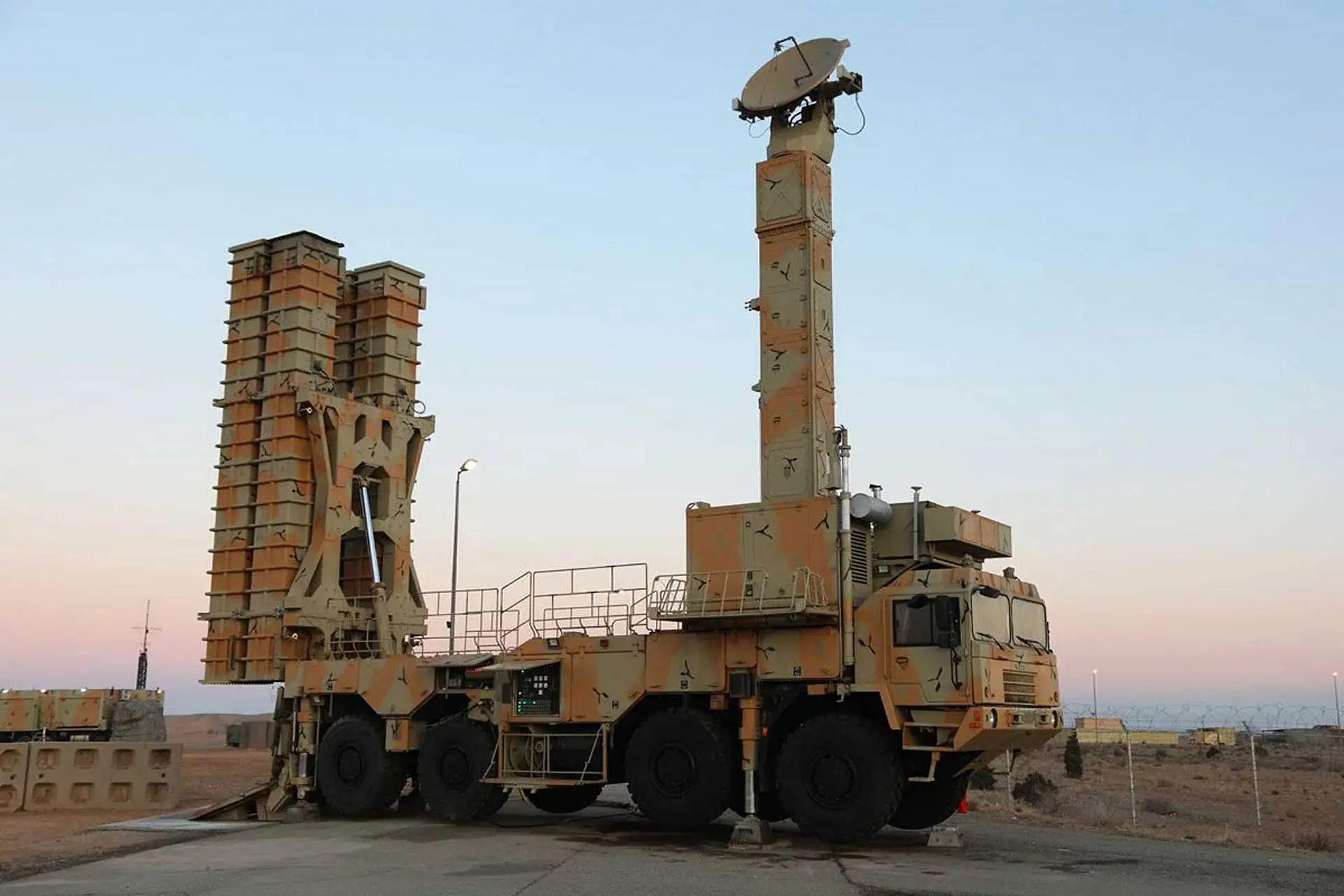
Iran’s Bavar-373 vs Electronic Jamming
Iran’s Bavar-373 system claims to track targets over 300 kilometres away, but US jamming pods can flood these radars with noise. Advanced US platforms like the EA-18G Growler are specifically designed to overpower and confuse such air defence frequencies.

The S-300
Iran operates the S-300PMU2, a potent system, but one the US has studied extensively for years. Intelligence gathered from other S-300 operators may allow US cyber units to exploit specific software backdoors or frequency weaknesses.
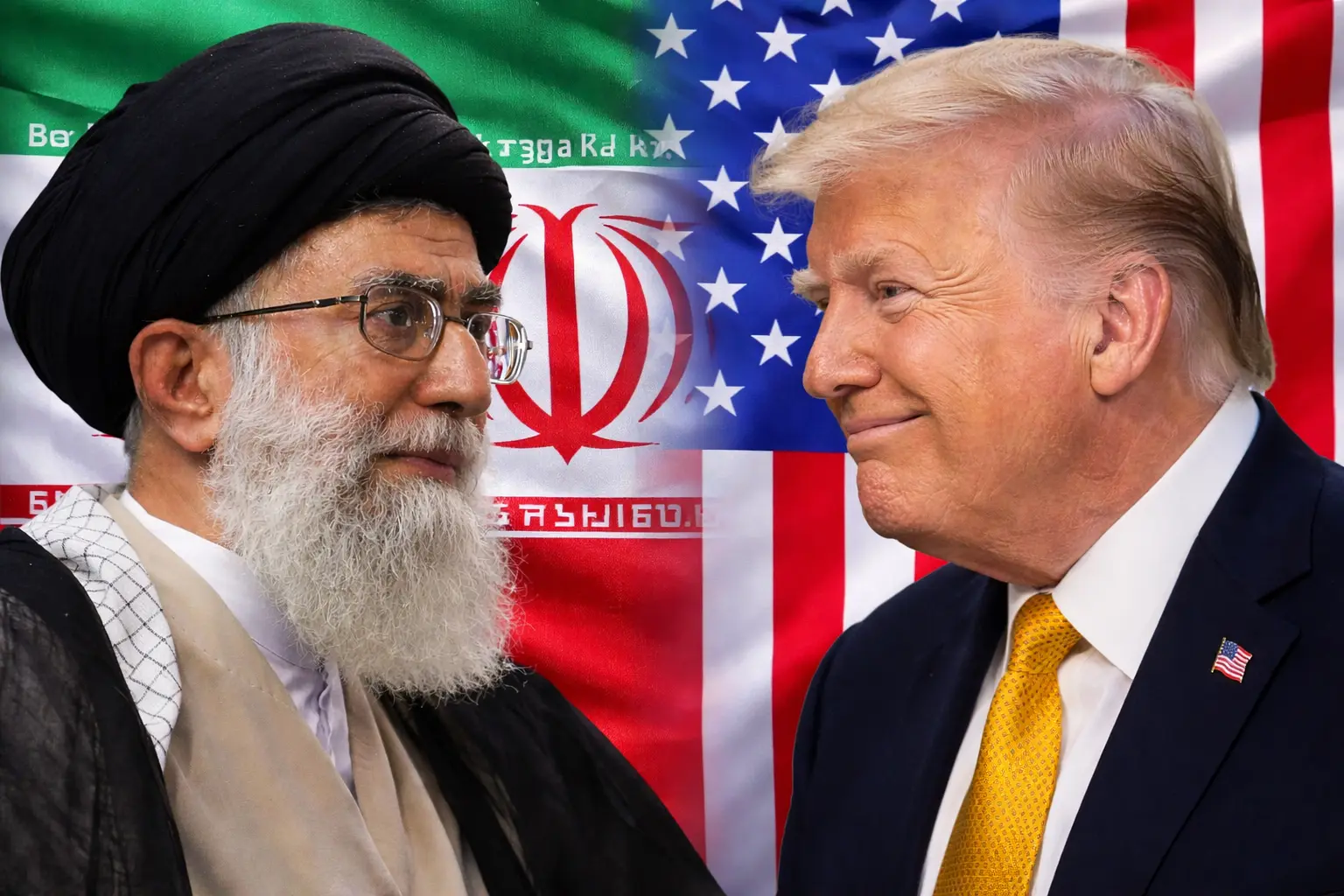
US cyber operations
Modern air defences rely on constant data sharing between radar stations and missile batteries. US cyber operations, like those from US Cyber Command, focus on hacking these communication nodes to isolate individual batteries, making them easy targets.
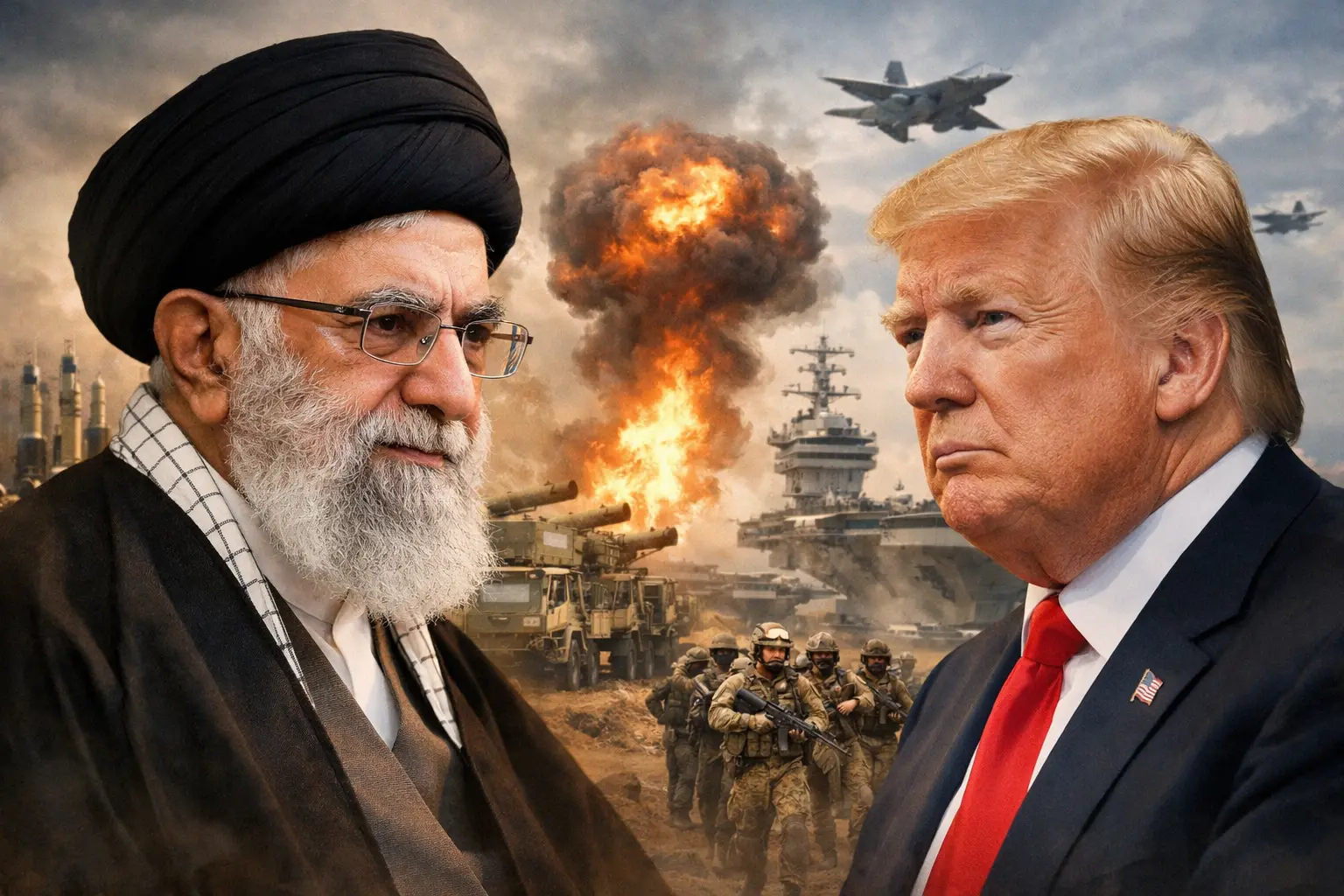
The Threat of Anti-Radiation Missiles
If cyber attacks fail to fully blind the radars, the US deploys missiles that home in on the radar's own signal. Weapons like the AARGM-ER force Iranian operators to turn off their radars to survive, effectively shutting down their own air defence.

Iran’s 'Passive' Radar Strategy
To counter jamming, Iran has invested in passive radars that do not emit their own signals but detect reflections from radio waves. This technology is harder to jam, offering a potential survival layer against the US electronic storm.
Iranian encryption
In case of war: The conflict will not be just about missiles but a constant race between Iranian encryption upgrades and US decryption capabilities.
)
)
)
)
)