‘Different from any fighter jet’: How the B-2 bomber turns in the air

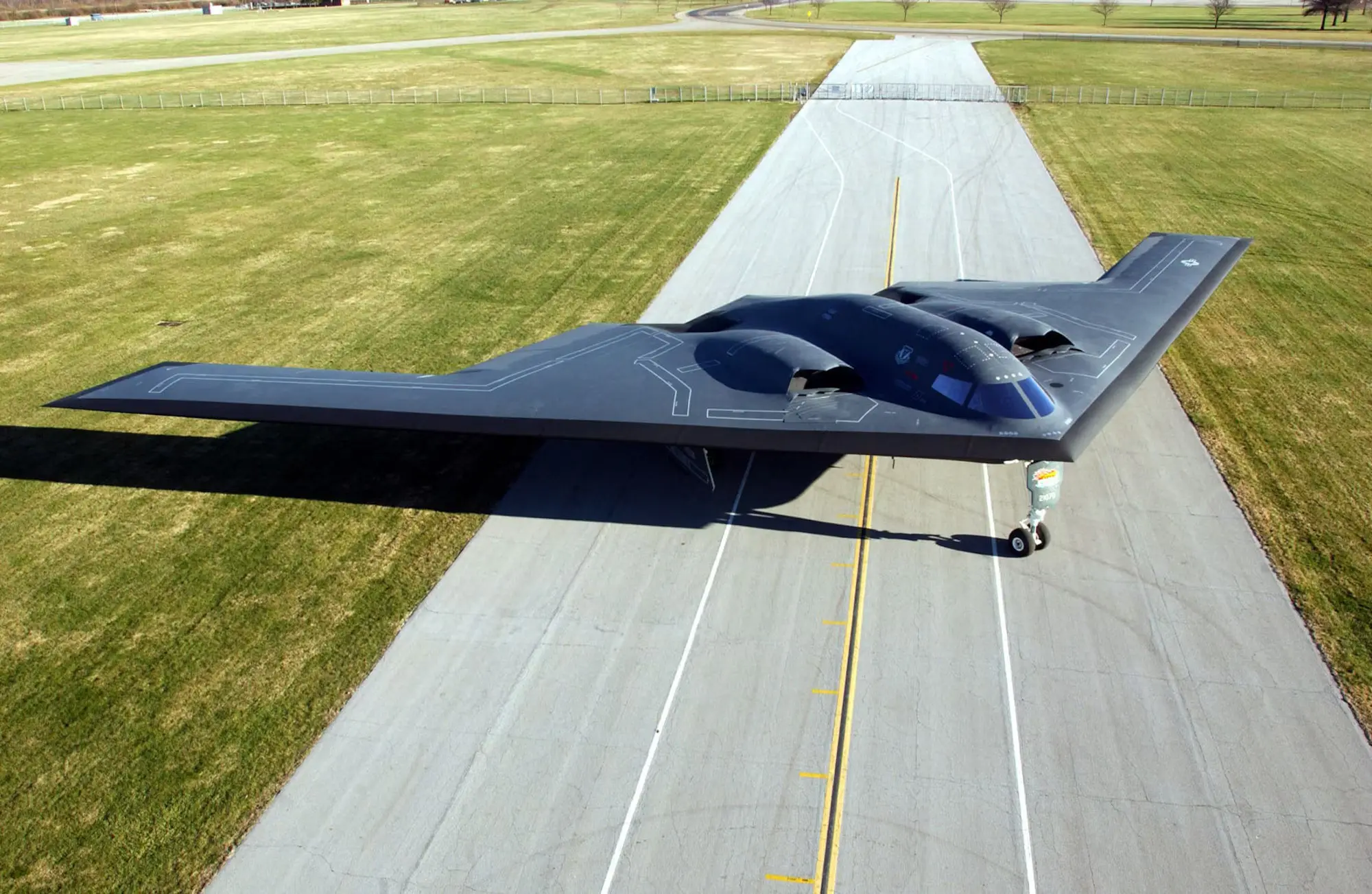
Unlike fighter jets that use a vertical tail and rudder to turn, the B-2 bomber is a 'flying wing' with no vertical stabiliser. To change direction, it relies on a complex system of split wingtips and advanced computers to manage drag and stability, ensuring it remains invisible to radar.
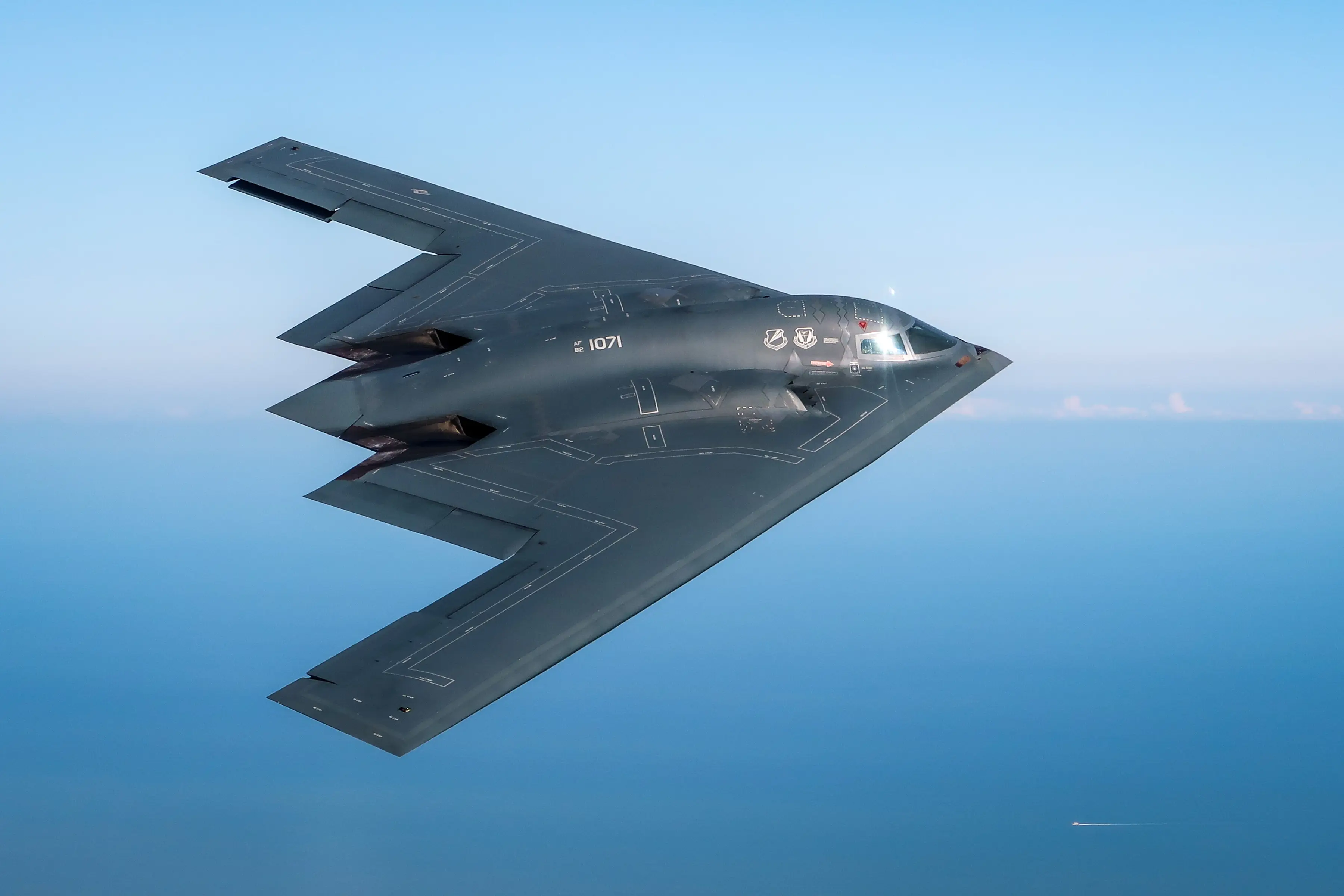
Missing the Vertical Tail
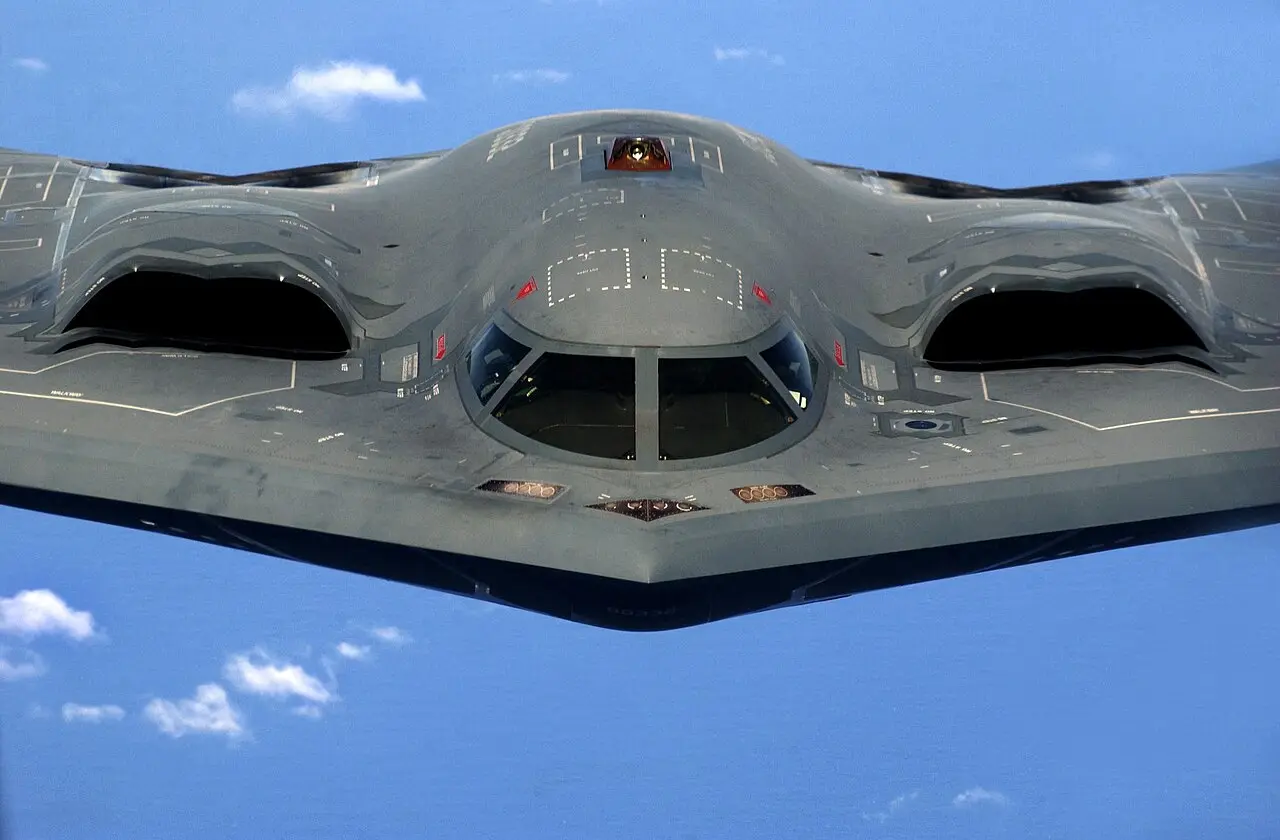
The most striking feature of the B-2 Spirit is its complete lack of a vertical tail fin, which acts as a rudder on standard planes. Without this surface to push against the air, the bomber requires an entirely different engineering solution to steer left or right.
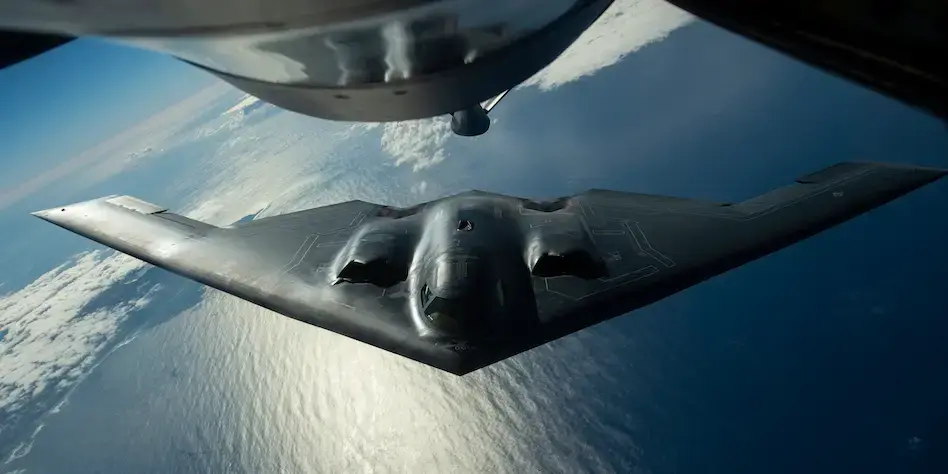
The Secret 'Split Rudders'
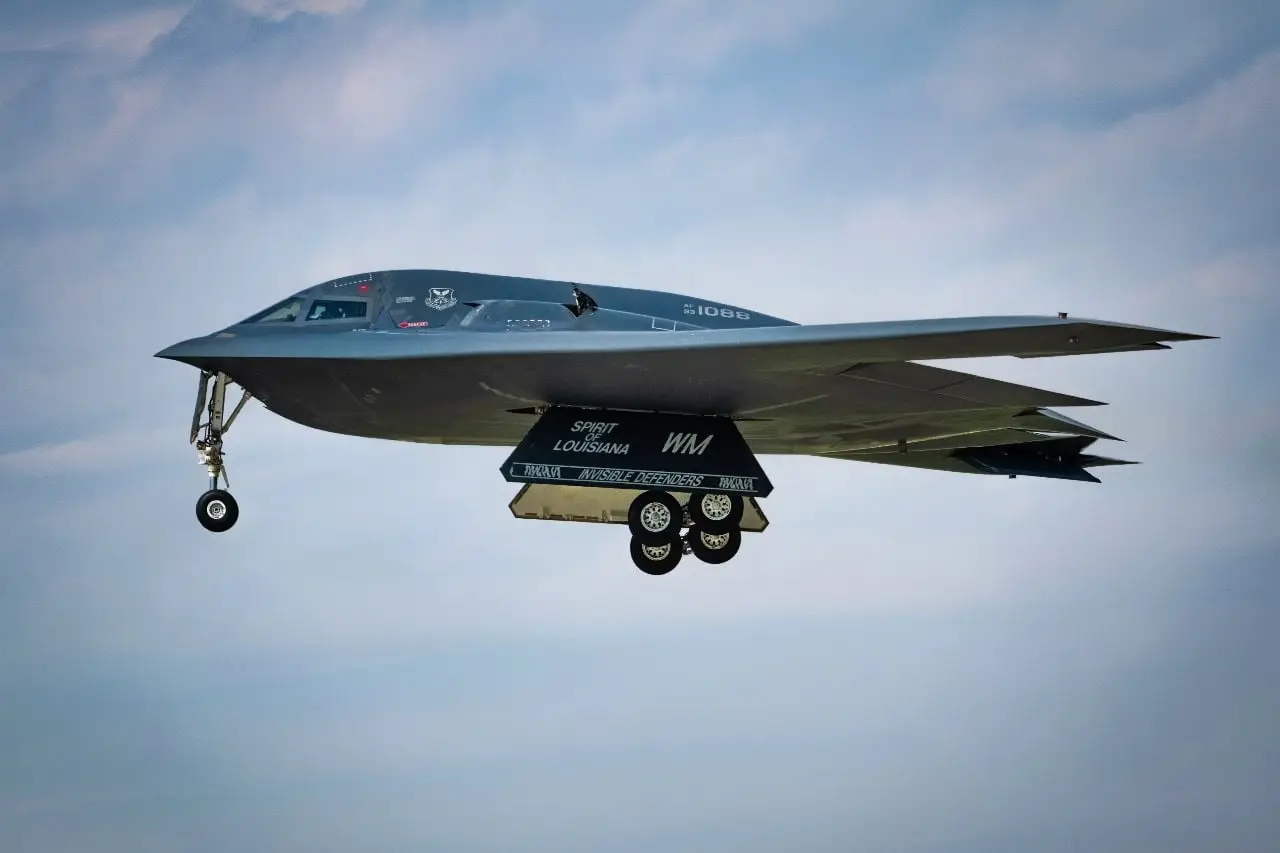
Instead of a single tail, the B-2 uses 'drag rudders' located at the very tips of its massive wings. These are split flaps that can open like a clamshell—one side moving up and the other down simultaneously.
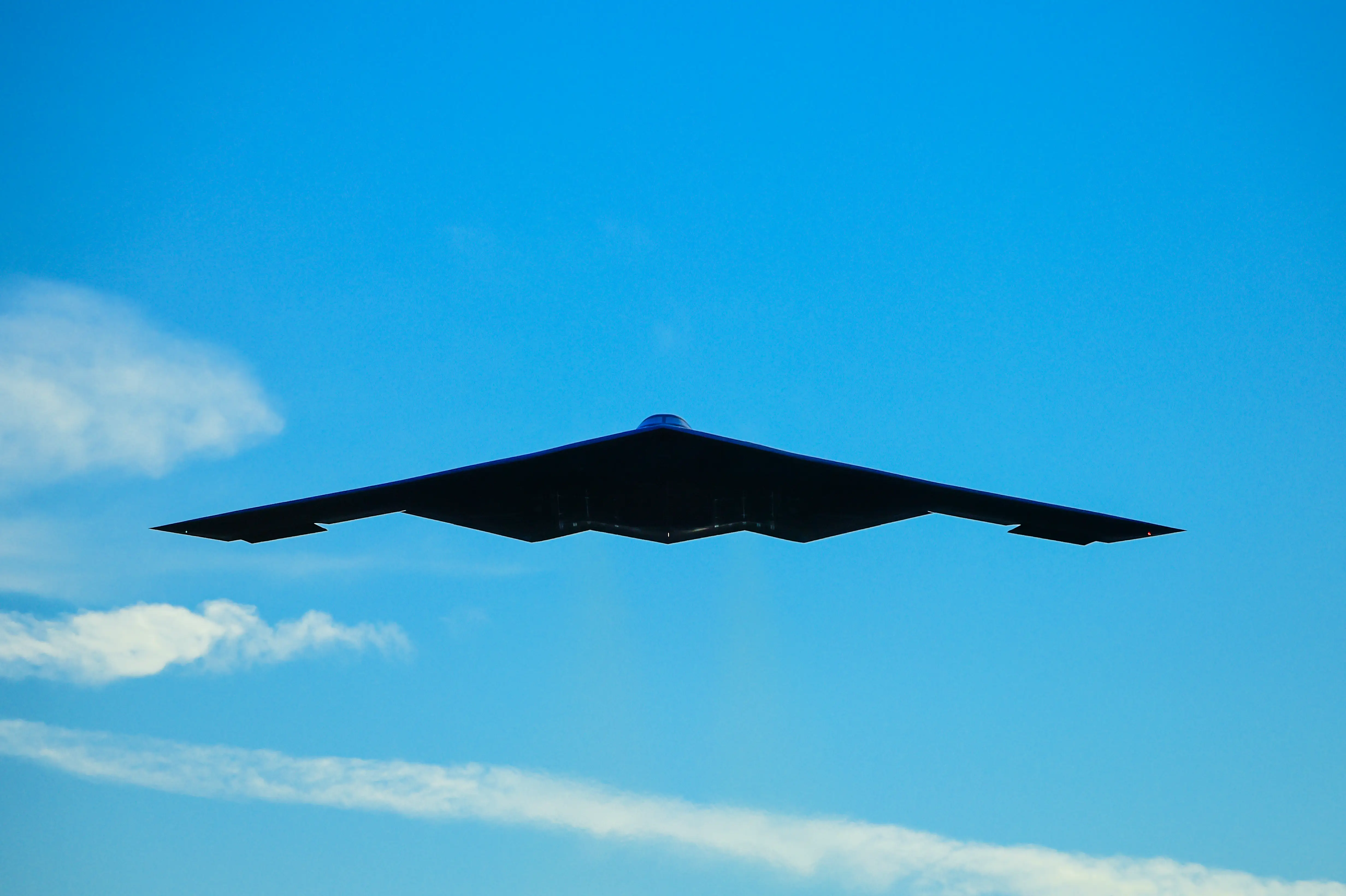
Creating Drag to Yaw
To turn the aircraft, the pilot opens the split rudder on just one wingtip, creating immense air resistance (drag) on that side. This drag pulls the wing back, causing the aircraft’s nose to swing (yaw) in the direction of the open flap.
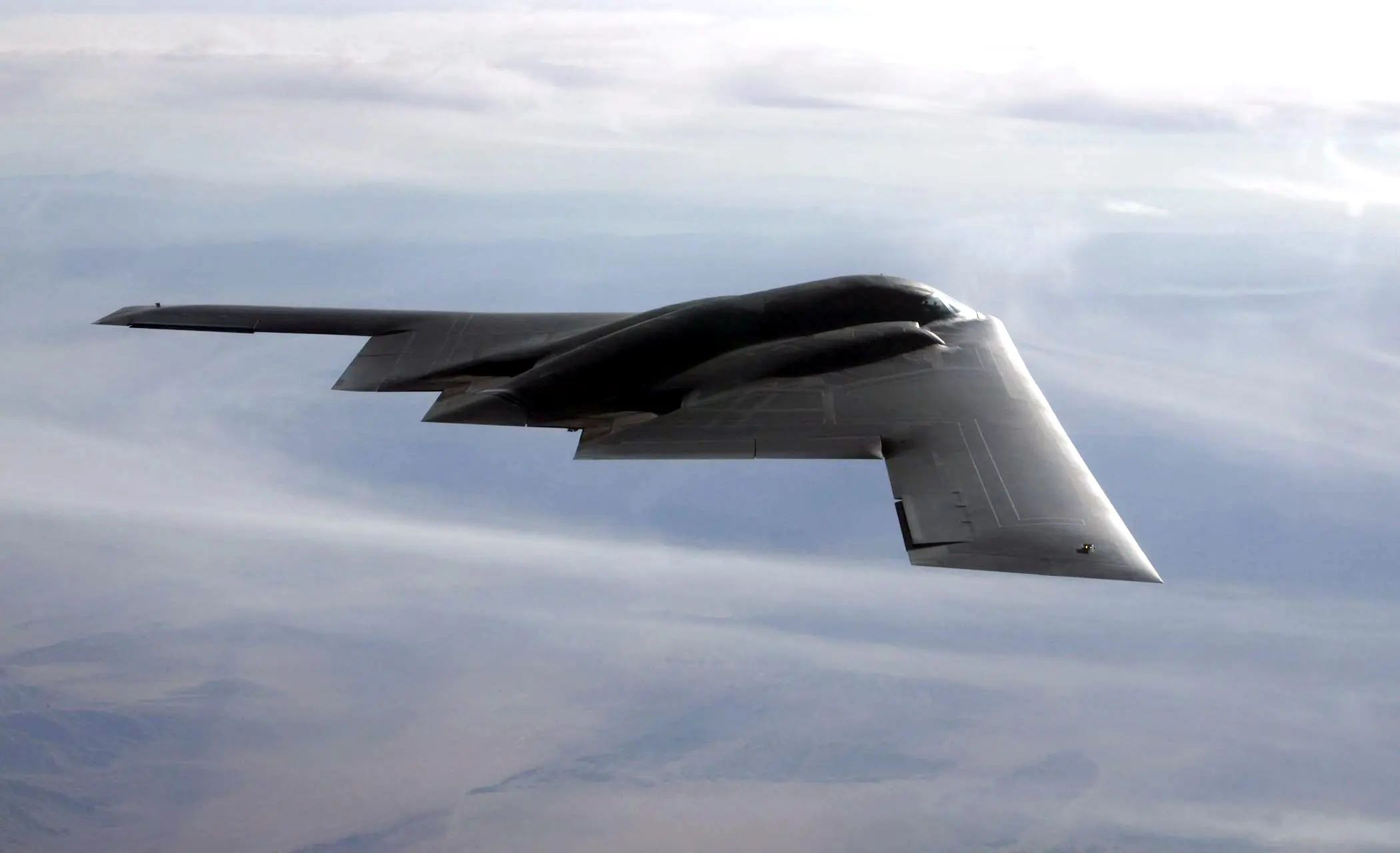
Elevons for Pitch and Roll
Along the trailing edge of the wing, the B-2 has nine separate control surfaces called 'elevons'. These move up or down to control the aircraft's pitch (nose up/down) and roll (banking), replacing the elevators and ailerons of normal jets.
The 'Beaver Tail' Stabiliser
In the centre of the aircraft’s tail is a wedge-shaped flap known as the Gust Load Alleviation System (GLAS). This acts like a trim tab, automatically adjusting to smooth out turbulence and keep the bomber stable during flight.
Fly-by-wire computer
The B-2’s design is aerodynamically unstable, meaning a human pilot could not keep it level manually. A quad-redundant fly-by-wire computer system makes thousands of adjustments per second to the split rudders to prevent the jet from spinning out of control.
Turning Risks Stealth
Opening the split rudders breaks the B-2's smooth, radar-absorbing shape, potentially revealing it to enemy sensors. Therefore, in high-threat combat zones, pilots minimise turns and rely on the flight computer to maintain a near-perfect straight line.
)
)
)
)
)