'Deep sea predator': What is INS Aridhaman, India’s 7,000‑tonne 3rd nuclear ballistic submarine with K‑15 & K‑4 missiles?

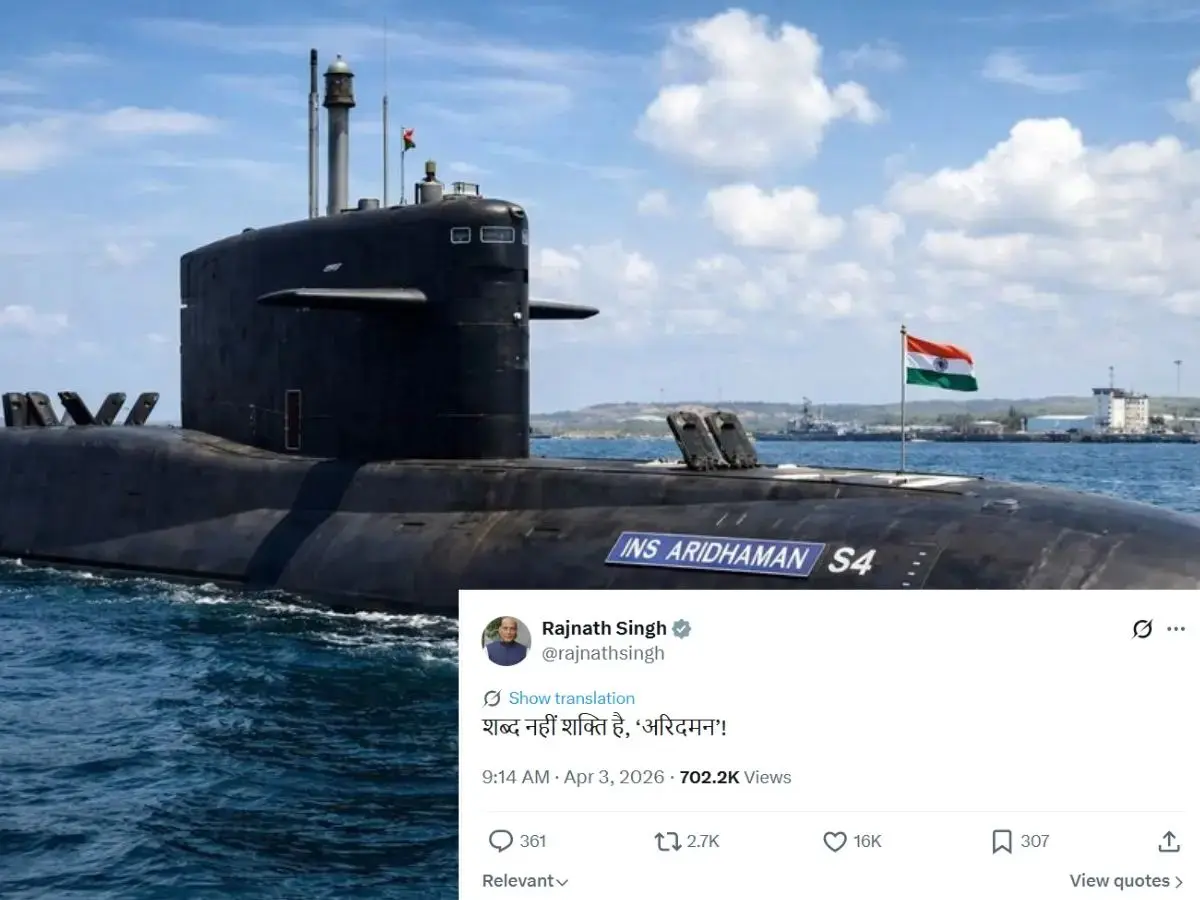
The ceremony underscores a further strengthening of India’s strategic deterrence. In a post on X, the minister said, “Not just a word, ‘Aridhaman’ is power!”, signalling the vessel’s role as a potent element of India’s defence architecture.
A milestone in India’s strategic maritime capabilities
Defence Minister Rajnath Singh on Friday formally commissioned INS Aridhaman, the Indian Navy’s third indigenous nuclear‑powered ballistic missile submarine, at Visakhapatnam. The ceremony underscores a further strengthening of India’s strategic deterrence. In a post on X, the minister said, “Shabd nahi, Shakti hai ‘Aridhaman’” which translated to: “Not just a word, ‘Aridhaman’ is power!”, signalling the vessel’s role as a potent element of India’s defence architecture.
What INS Aridhaman is and its lineage
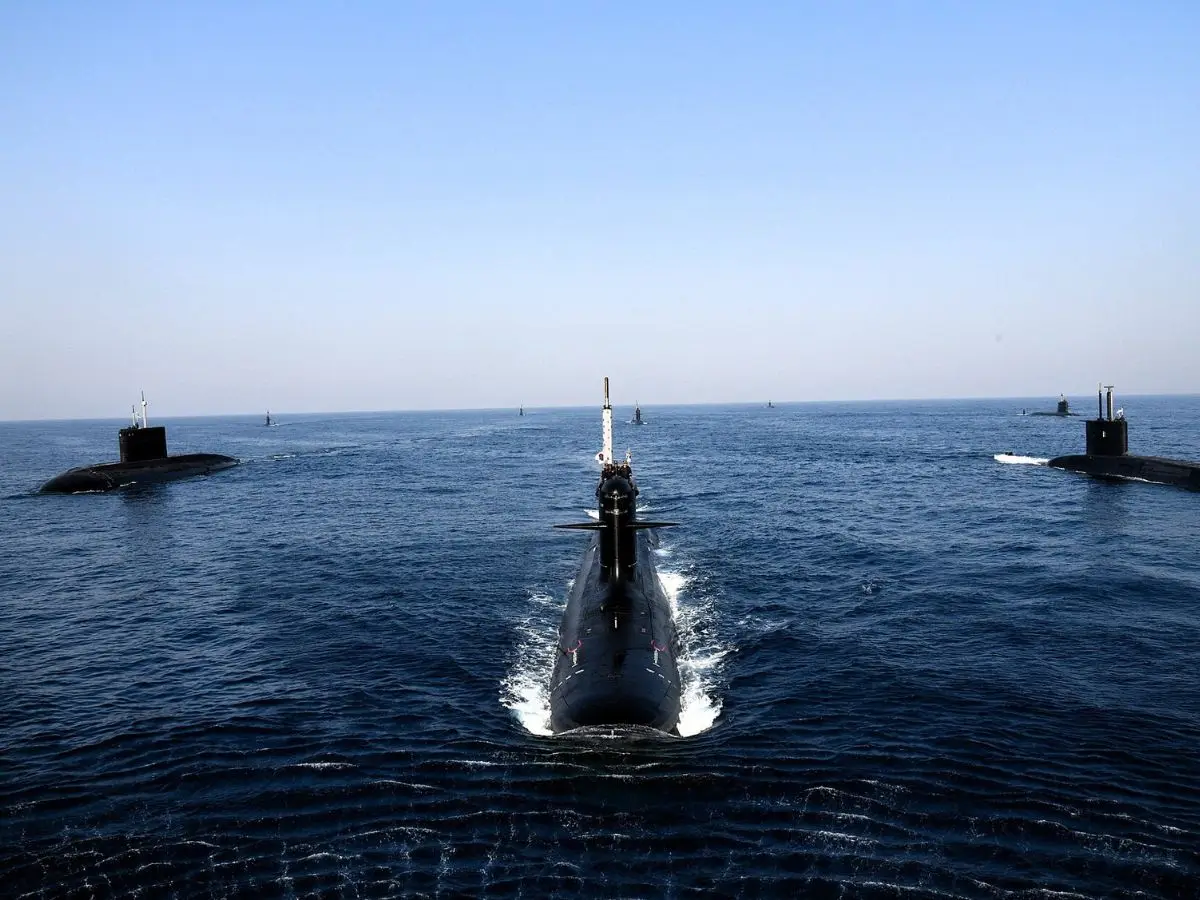
INS Aridhaman is part of the Arihant‑class of submarines built under the Advanced Technology Vessel (ATV) programme. It follows the earlier inductions of INS Arihant in 2016 and INS Arighaat in August 2024, and forms a crucial part of India’s sea‑based nuclear deterrent. As a nuclear‑powered ballistic missile submarine (SSBN), it contributes to the maritime leg of the country’s nuclear triad. INS Aridhaman is India’s third domestically built nuclear-powered ballistic missile submarine. The fourth submarine in the series, reportedly designated S4* or SSBN 82, has yet to receive its official name, according to Armyrecognition.com.

Design and technical specifications
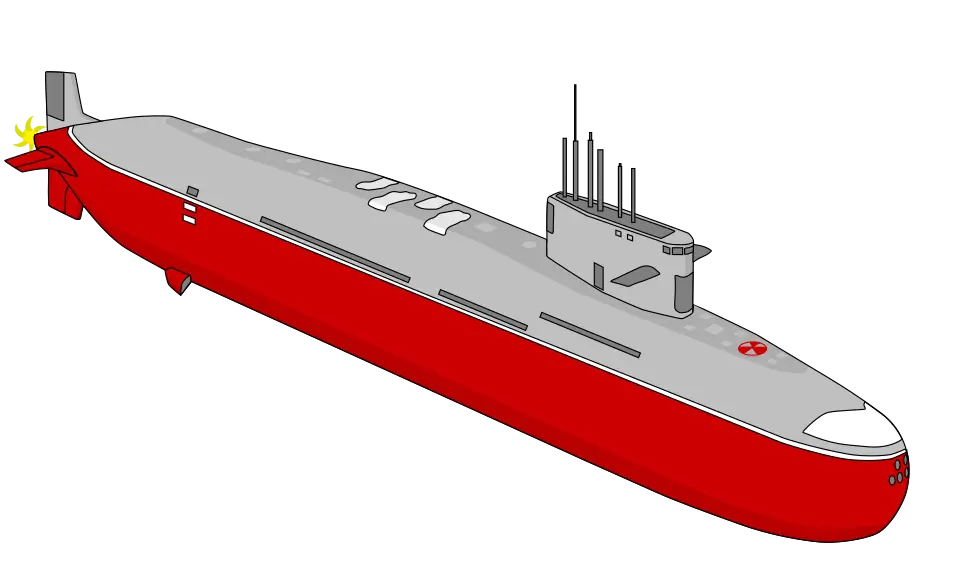
Weighing around 7,000 tonnes, INS Aridhaman is larger than its predecessors and incorporates enhancements in stealth, endurance and operational capability. The submarine is powered by an 83 MW Compact Light Water Reactor, enabling prolonged underwater patrols. It also features advanced indigenous sonar systems and acoustic suppression technologies to improve detection and survivability.
Missile capacity and deterrence capability
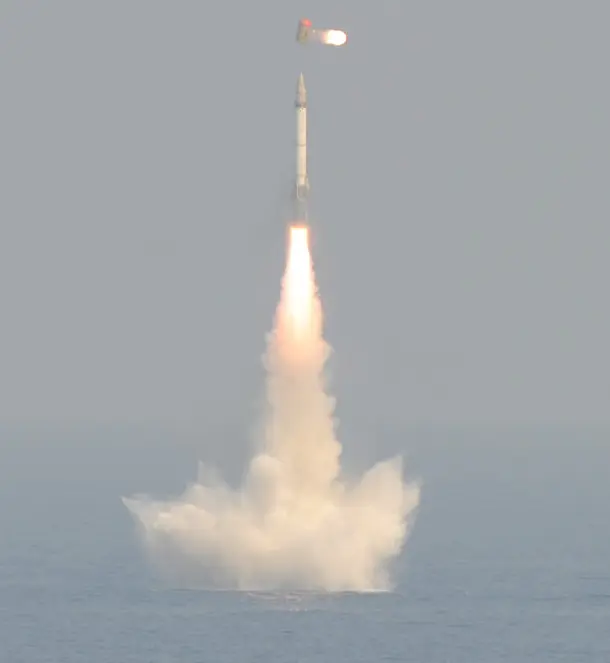
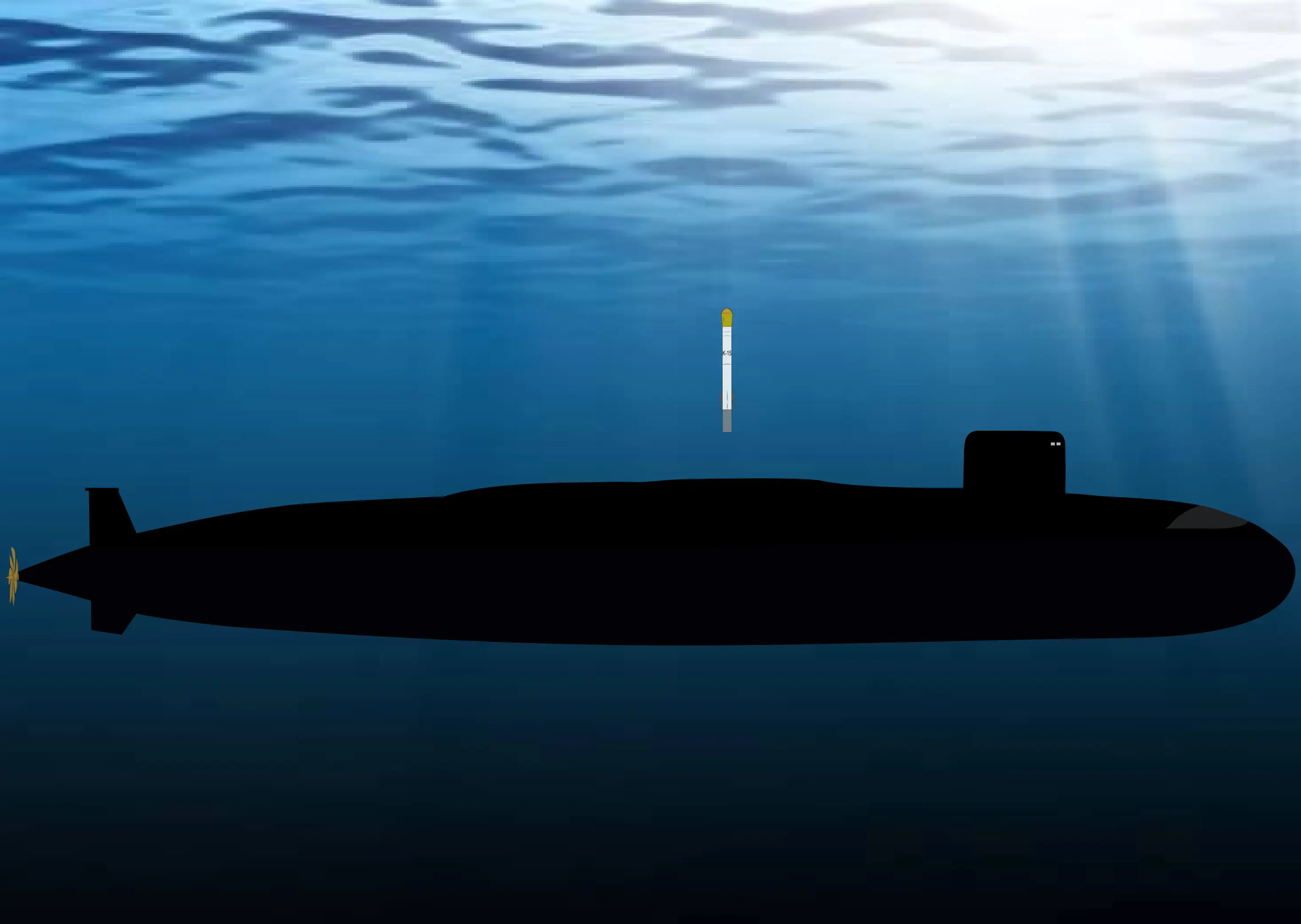
A significant upgrade in Aridhaman is its missile capacity. The submarine is fitted with eight vertical launch system tubes, double that of earlier Arihant‑class boats. It can carry K‑15 Sagarika missiles, each with a range of about 750 km, or longer-range K-4 nuclear-capable submarine-launched ballistic missiles (SLBM) which has a range of around 3,500 km. This expanded missile load enhances India’s second‑strike capability.
Concurrent induction of INS Taragiri
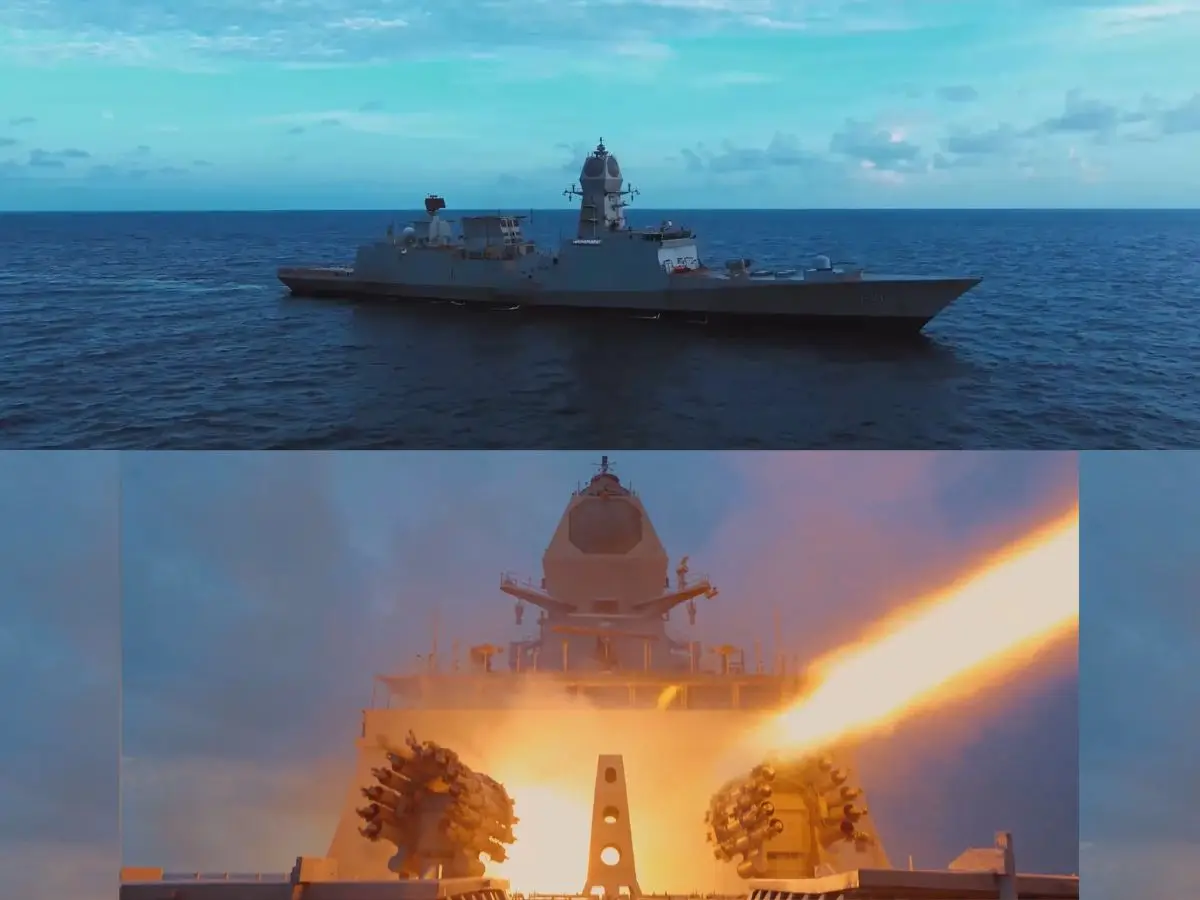
The commissioning of INS Aridhaman coincided with the induction of the stealth frigate INS Taragiri, highlighting the Navy’s dual focus on strategic deterrence and conventional power. Taragiri, the fourth platform under Project 17A, displaces about 6,670 tonnes and features a reduced radar cross‑section and integrated weapons suite.
Strategic implications for India’s maritime posture
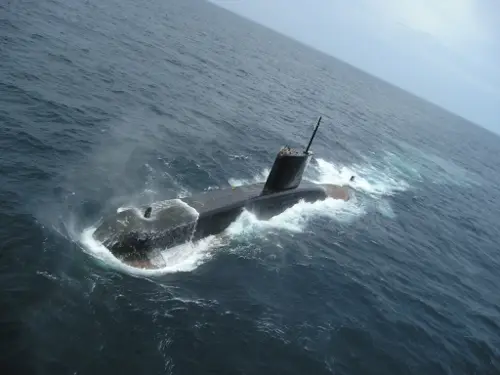
The induction of Aridhaman enables India to sustain a continuous at‑sea deterrent with its SSBN fleet, a key marker of credible nuclear strategy. Its larger size, improved reactor and missile capability provide greater operational flexibility across the Indian Ocean Region.
Broader context of naval modernisation
The Indian Navy’s growth forms part of a wider effort to enhance operational readiness and fleet strength. With the commissioning of both INS Aridhaman and INS Taragiri, India continues to advance its naval reach, supporting both strategic deterrence and conventional maritime security in an evolving regional landscape.
Predecessors in India’s SSBN Fleet
India’s sea‑based nuclear deterrent began with INS Arihant, the first indigenous nuclear‑powered ballistic missile submarine, commissioned in August 2016 after decades of development under the Advanced Technology Vessel programme. Arihant displaces about 6,000 tonnes, is powered by an 83 MW pressurised light‑water reactor, and can carry submarine‑launched ballistic missiles, forming the initial pillar of India’s nuclear triad. Joining her is INS Arighaat, commissioned in August 2024 as the second Arihant‑class SSBN. Like Arihant, Arighaat displaces around 6,000 tonnes and is equipped with K‑15 Sagarika missiles and capable of extended submerged operations, strengthening India’s ability to maintain continuous strategic deterrence.
)

)
)
)