'Decoy for B-2 bomber': Why Trump may be using USS Abraham Lincoln to distract Iran from real strike

In modern warfare, a carrier's most dangerous weapon isn't just its jets; it's its Command and Control (C2). The Lincoln acts as a massive floating sensor and communications relay.
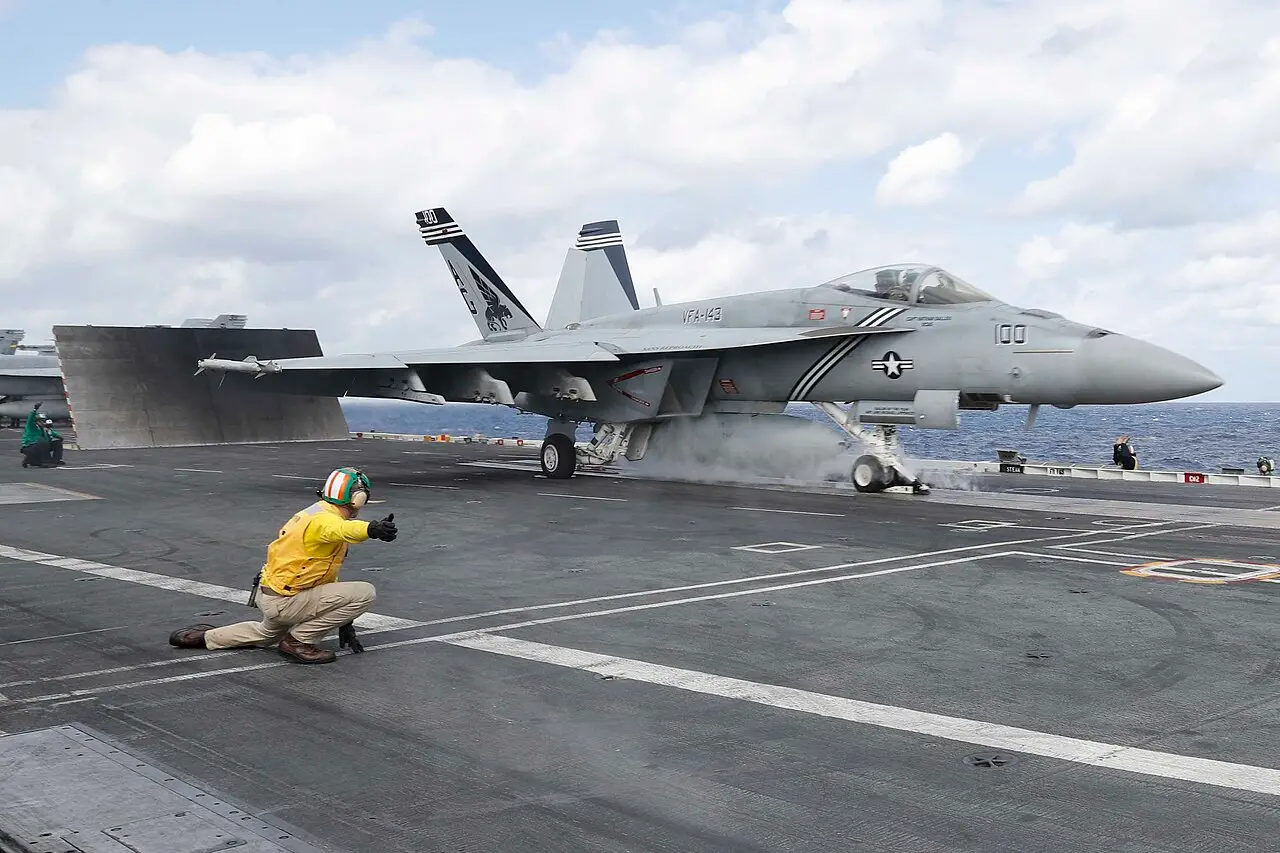
1. The "Look at Me" Strategy (Visible Deterrence)
Aircraft carriers are the most visible symbols of American power. By sailing the USS Abraham Lincoln through the Strait of Malacca and into the Indian Ocean with a public announcement from CENTCOM, the US ensures that every Iranian radar and satellite is fixed on its position. This "visible deterrence" creates a massive amount of "noise," allowing stealthier assets like B-2 bombers to manoeuvre in the shadows while Iran’s focus is glued to the carrier’s flight deck.
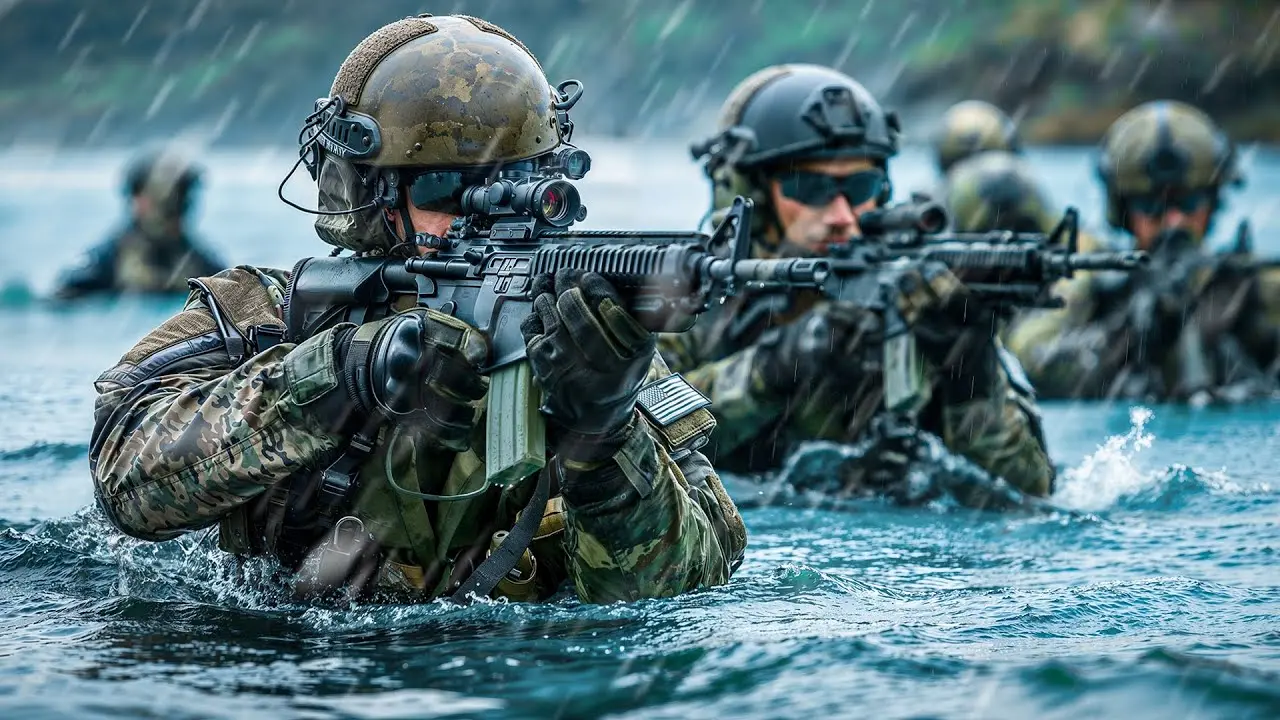
2. The Lesson of "Operation Midnight Hammer" (June 2025)
History is the best predictor of the future. In June 2025, during Operation Midnight Hammer, the US famously sent B-2 bombers west over the Pacific as a public "decoy" while the actual strike package flew east over the Atlantic to hit Iranian nuclear sites at Fordow and Natanz. Analysts believe the Lincoln is currently playing the 2026 version of that ruse, acting as the "loud" asset to mask the "silent" movement of bombers landing at Diego Garcia.
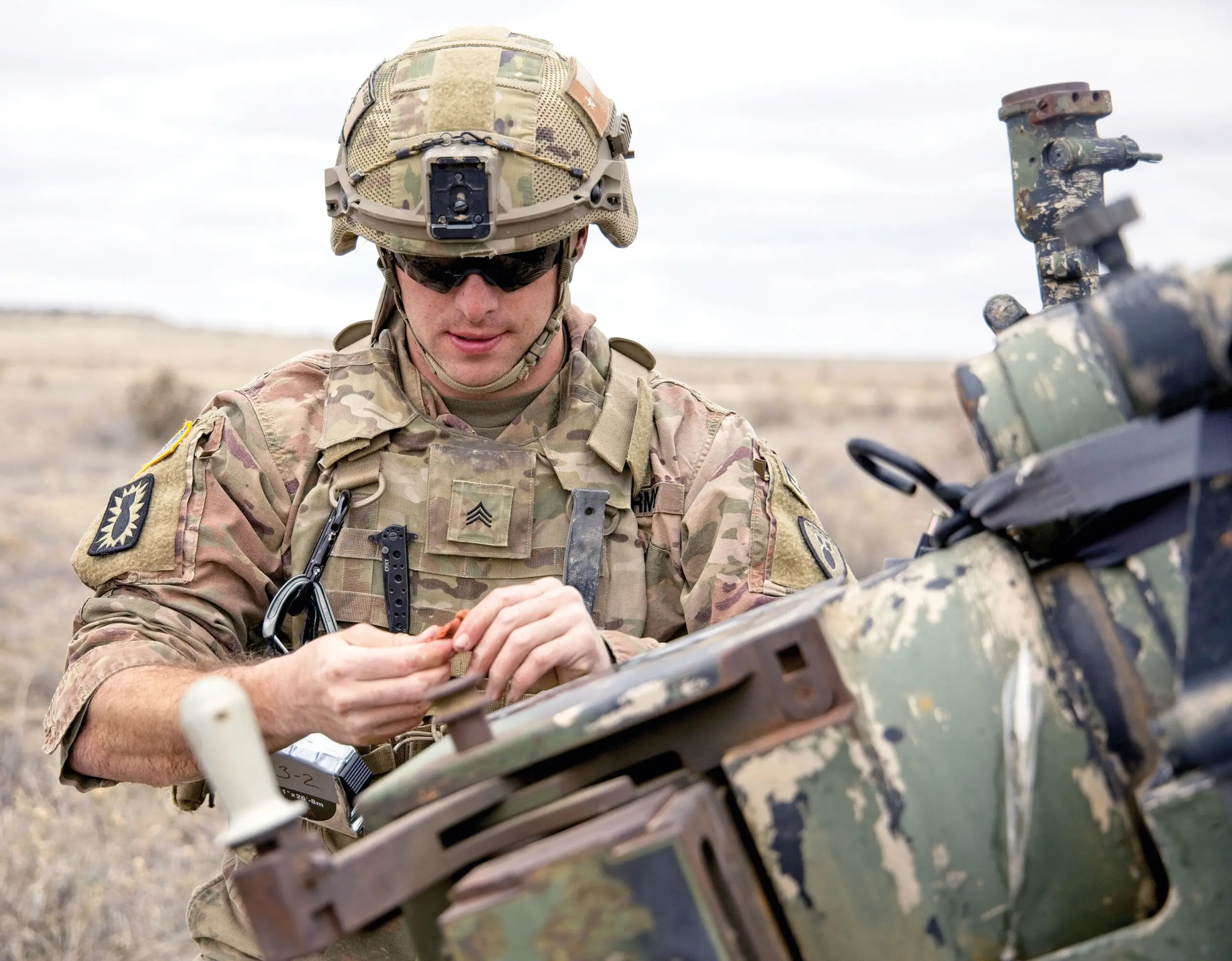
3. The Diego Garcia "Power Play"
While the world watches the Lincoln’s escort destroyers, satellite imagery has confirmed increased activity at the Diego Garcia airbase. With its extra-long runways, Diego Garcia is the only base in the region capable of hosting the heavy B-2 Spirit. If a strike were to happen, the B-2s would likely launch from here, flying high above the Lincoln’s airspace to drop 30,000-pound "bunker busters" while the carrier’s jets engage in electronic jamming to further confuse Iranian defences.
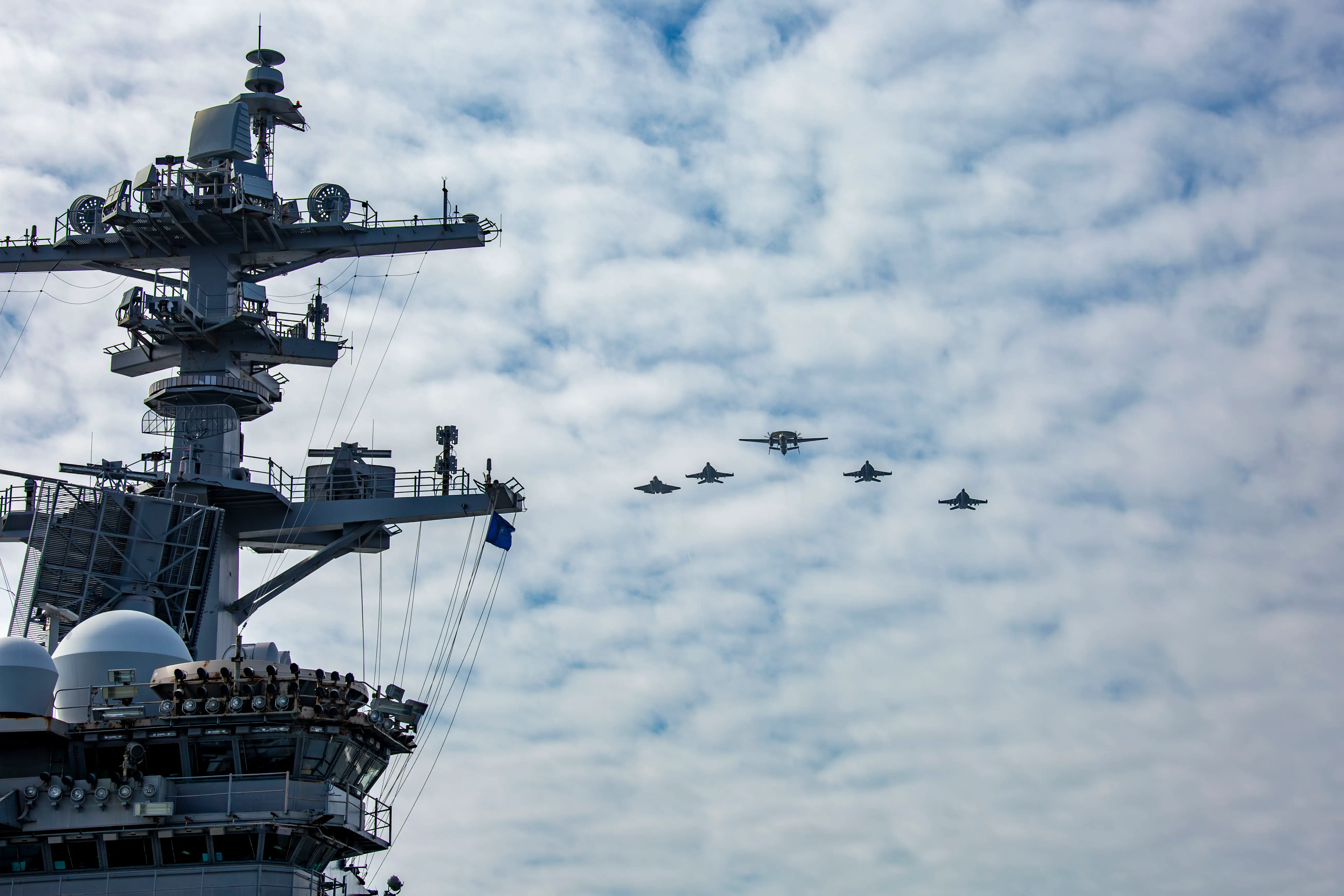
4. Avoiding the "Swarm" Trap
The Persian Gulf is a "shooting gallery" for Iran’s thousands of fast-attack suicide boats and shore-based anti-ship missiles. By keeping the USS Abraham Lincoln in the Indian Ocean or the Arabian Sea, rather than entering the narrow Gulf, the US Navy protects its $13 billion asset. From this distance, the Lincoln can’t easily launch a massive, sustained carrier-deck strike, but it remains the perfect "magnet" to draw Iranian forces away from the northern corridors where bombers would enter.
5. The UAE Airspace "Checkmate"
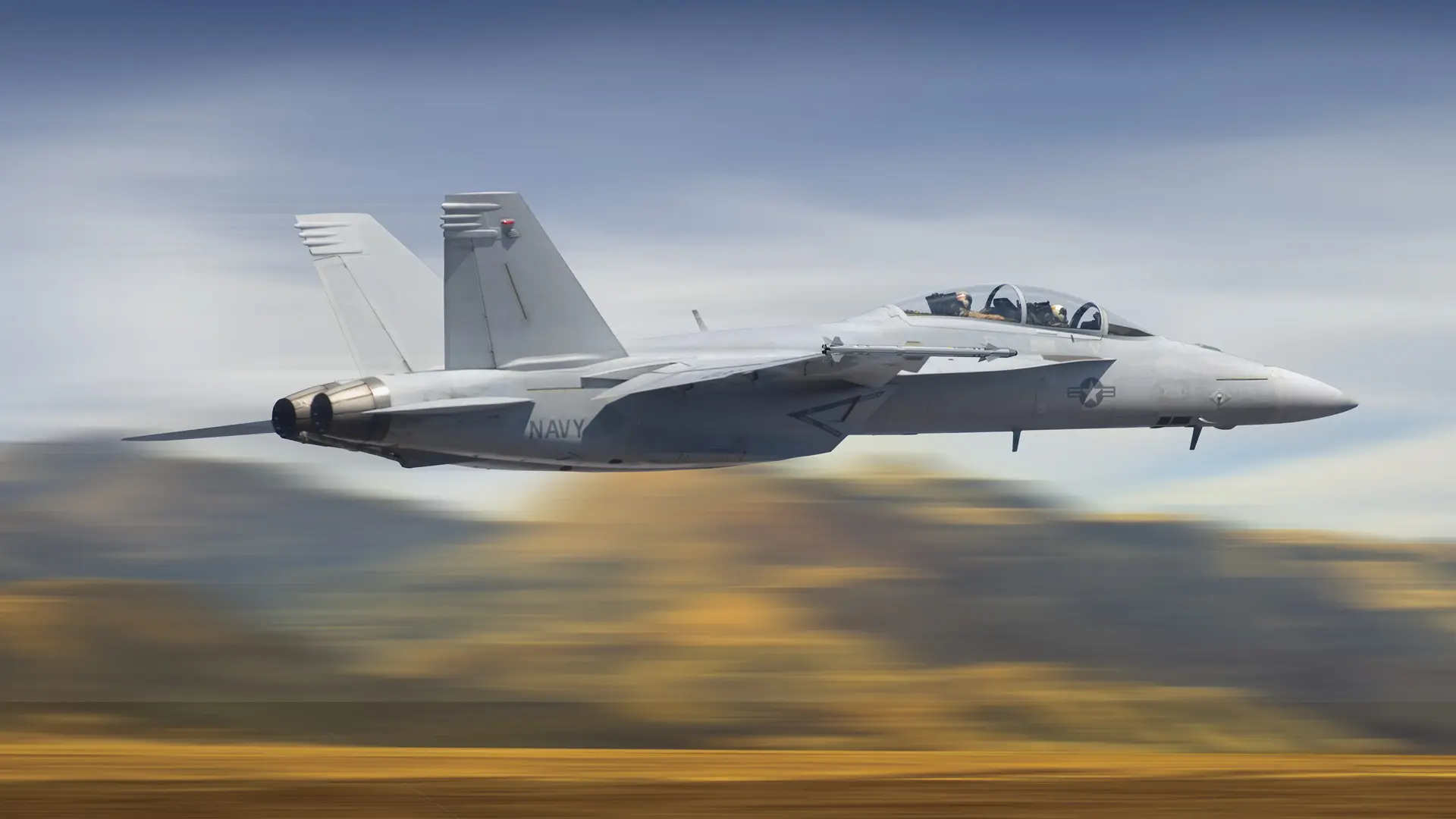
With the United Arab Emirates (UAE) officially banning offensive strikes from its soil and airspace as of January 26, 2026, the U.S. has lost its primary land-based launchpads for fighter jets. The B-2 bomber, however, does not need regional bases; it has the range to fly from the U.S. or Diego Garcia. This makes the Lincoln’s jets less about "the strike" and more about “the escort” providing a diversionary protective screen for the bombers that the UAE won't allow to launch from Al Dhafra.
6. "Conditioning" the Enemy
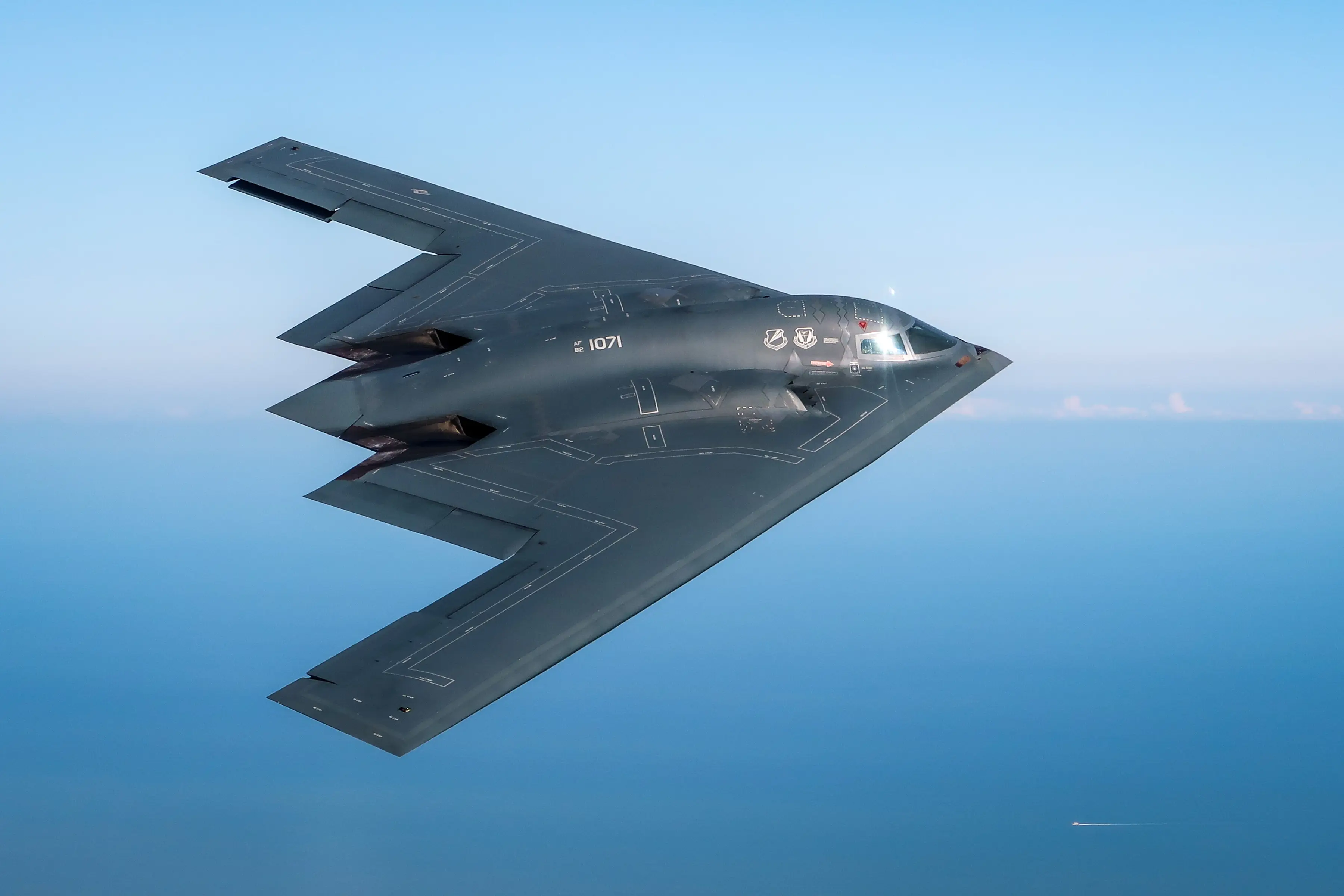
By keeping the Lincoln in a "holding pattern" for weeks, the US is engaging in a psychological tactic called "conditioning." When a massive carrier strike group stays in the region without attacking, the defending force (Iran) eventually enters a state of high-alert fatigue. Once the "Abe" becomes part of the daily background noise, the actual strike, delivered by stealth bombers, can achieve total tactical surprise, just as it did in 2025.
7. The Carrier as a "Mobile Command Hub"
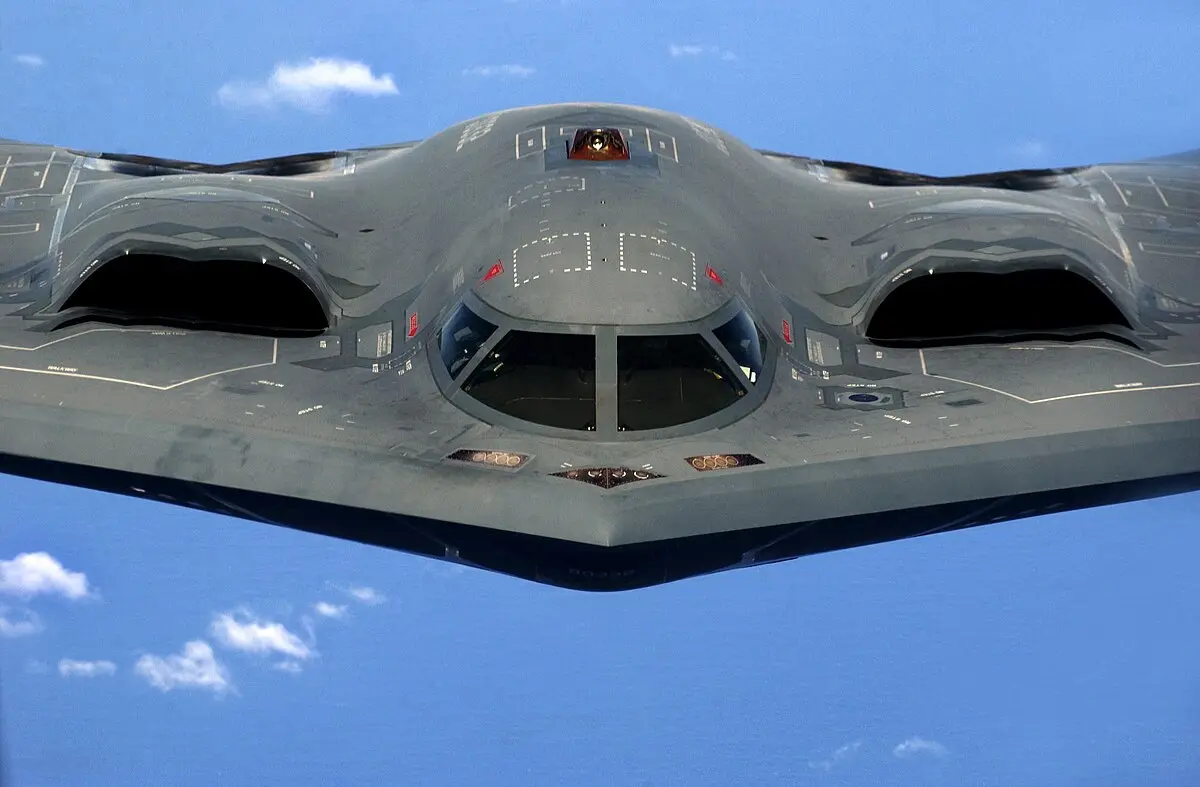
In modern warfare, a carrier's most dangerous weapon isn't just its jets; it's its Command and Control (C2). The Lincoln acts as a massive floating sensor and communications relay. It can coordinate the entire "orchestra" of a strike, directing Tomahawks from destroyers and B-2s from the stratosphere, without ever launching a single pilot into Iranian airspace. This allows the carrier to remain "safe" while still being the brain of the operation.
)
)
)
)
)