‘Decoding age’: How old could 3I/ATLAS be? Experts say 'very ancient’

Objects drifting between stars are bombarded for eons by cosmic rays. This process transforms surface ices, producing CO₂-rich crusts, organic compounds, and darkened layers.
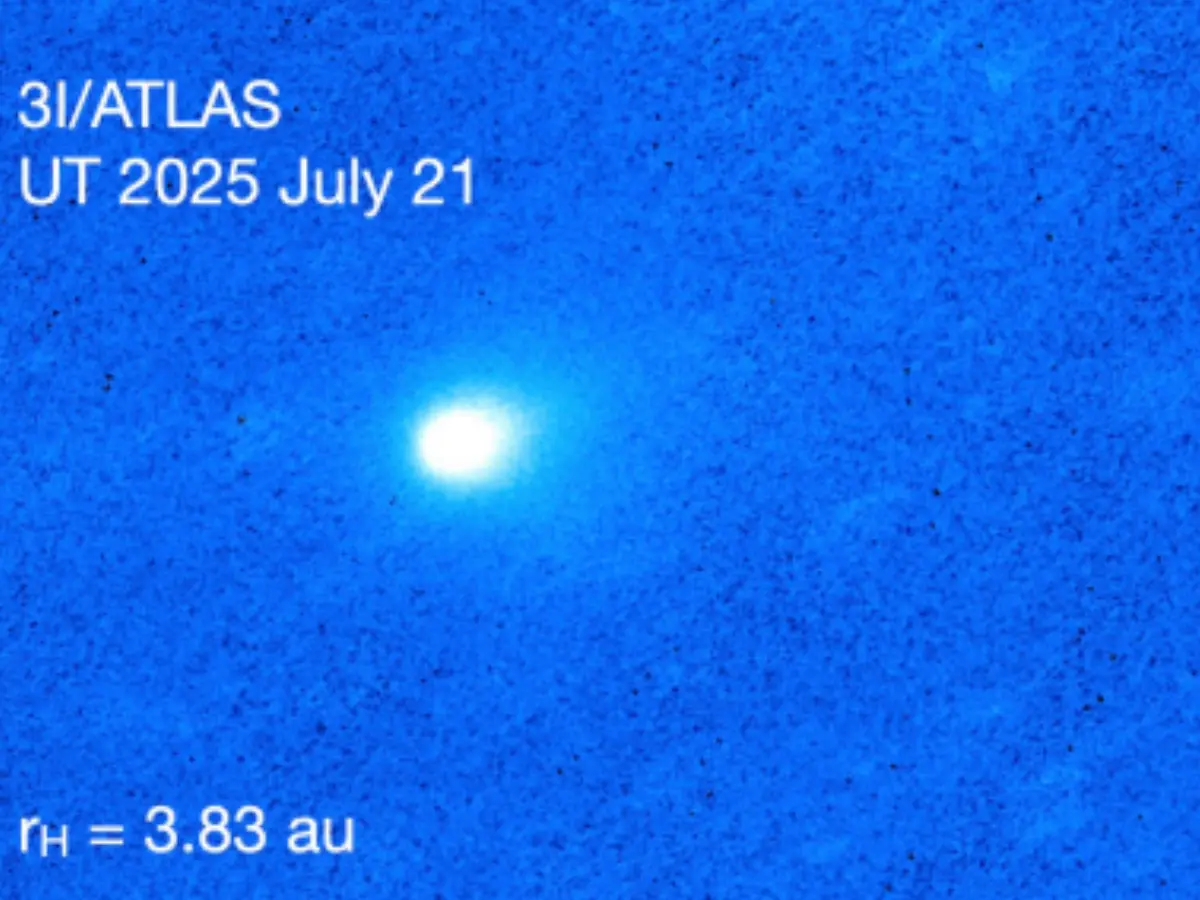
1. Interstellar Objects Are Typically Older Than the Solar System Itself
3I/ATLAS is only the third confirmed interstellar visitor ever observed, meaning it was born around another star long before entering our Solar System. Most interstellar comets are believed to be older than 4.5 billion years, because they are fragments ejected during the early formation of distant planetary systems. 3I/ATLAS almost certainly belongs to this category of deep-time relics.
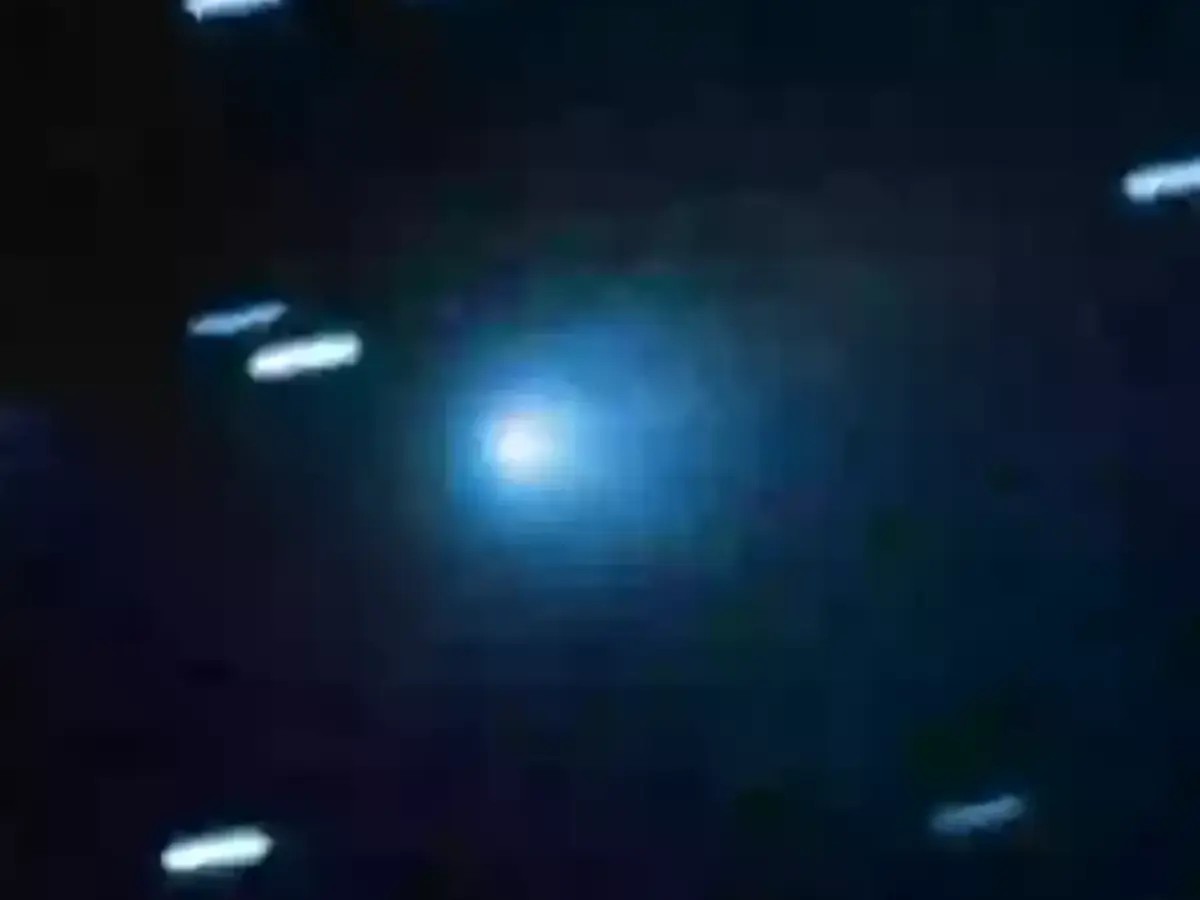
2. Its Trajectory Points to the Galaxy’s “Thick Disk” — A Very Old Stellar Population
Orbital modelling suggests 3I/ATLAS may trace back to the Milky Way’s thick disk, a region dominated by stars that formed up to 10–12 billion years ago. While this doesn’t give a precise age for the comet, it strongly implies that the system it originated from and therefore the comet itself, could be exceptionally ancient compared to typical Solar System comets.
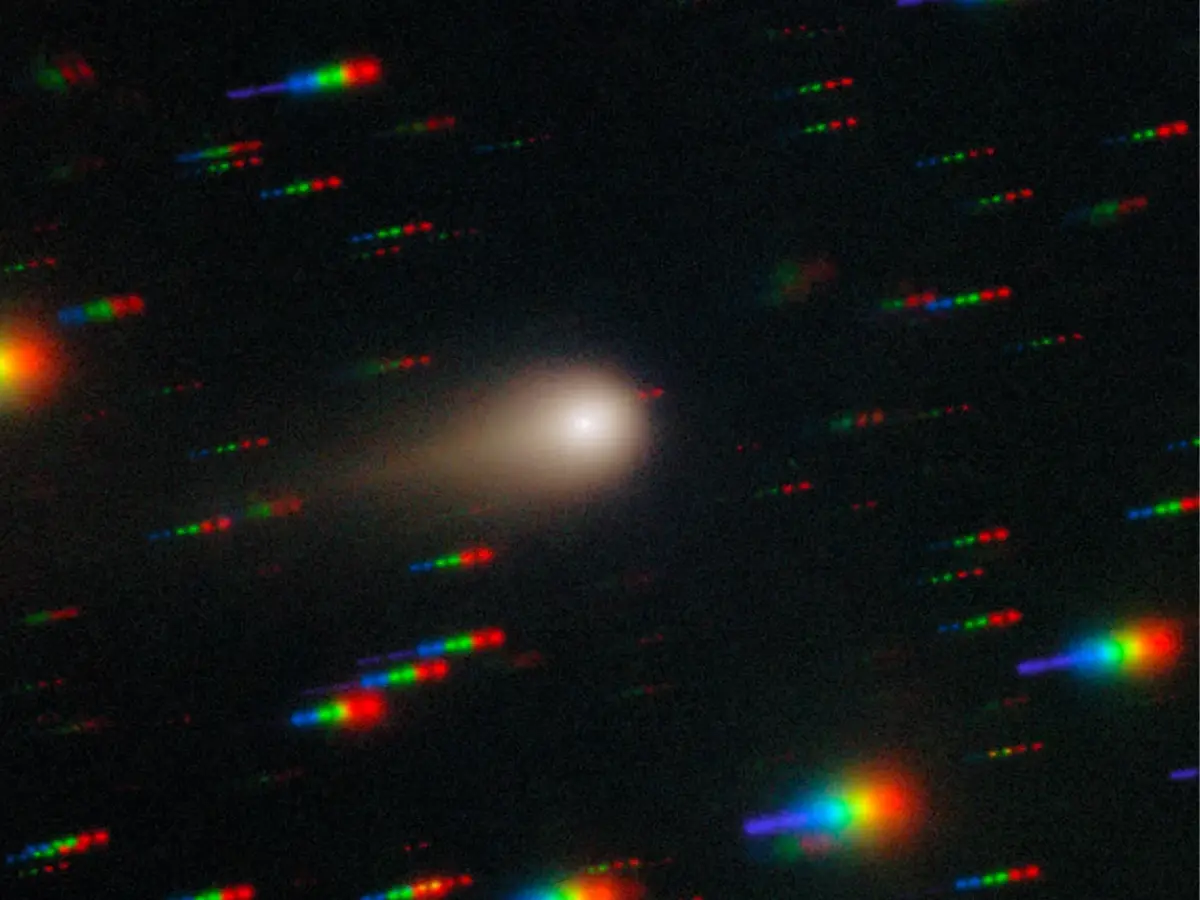
3. JWST Detected Volatile Ices Still Surviving After Billions of Years
Despite being incredibly old, 3I/ATLAS still contains H₂O, CO₂, CO, and OCS, detected by the James Webb Space Telescope. That means the object must have spent most of its life in deep interstellar cold, protected from heat that would normally strip away such ices. This preservation aligns with an origin billions of years ago, followed by a long, frozen journey through space.
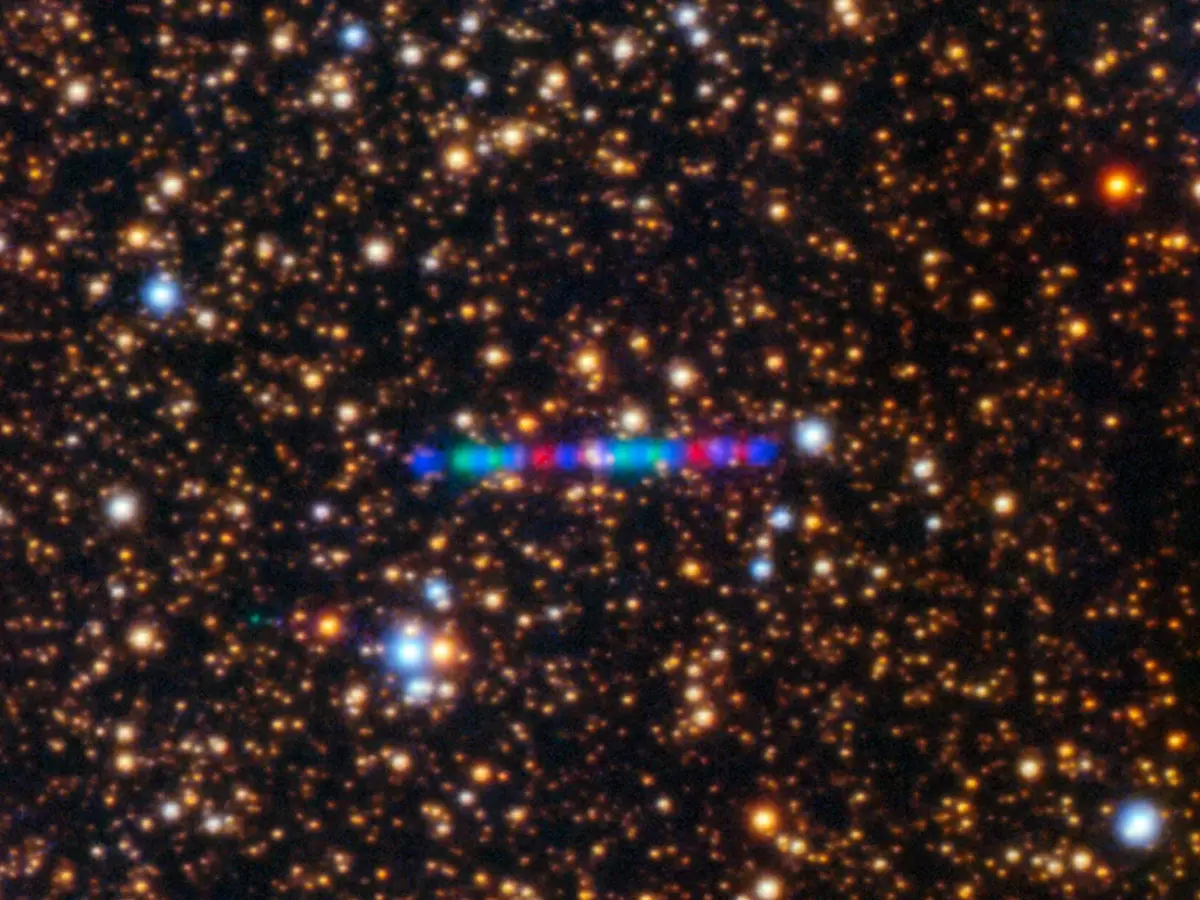
4. Radiation Processing Over Gigayears Likely Altered Its Surface
Objects drifting between stars are bombarded for eons by cosmic rays. This process transforms surface ices, producing CO₂-rich crusts, organic compounds, and darkened layers. The unusually high CO₂/H₂O ratio seen in 3I/ATLAS is consistent with millions to billions of years of cosmic-ray exposure, a chemical signature of extreme age.
5. Its High Eccentricity Suggests It Was Ejected Long Ago
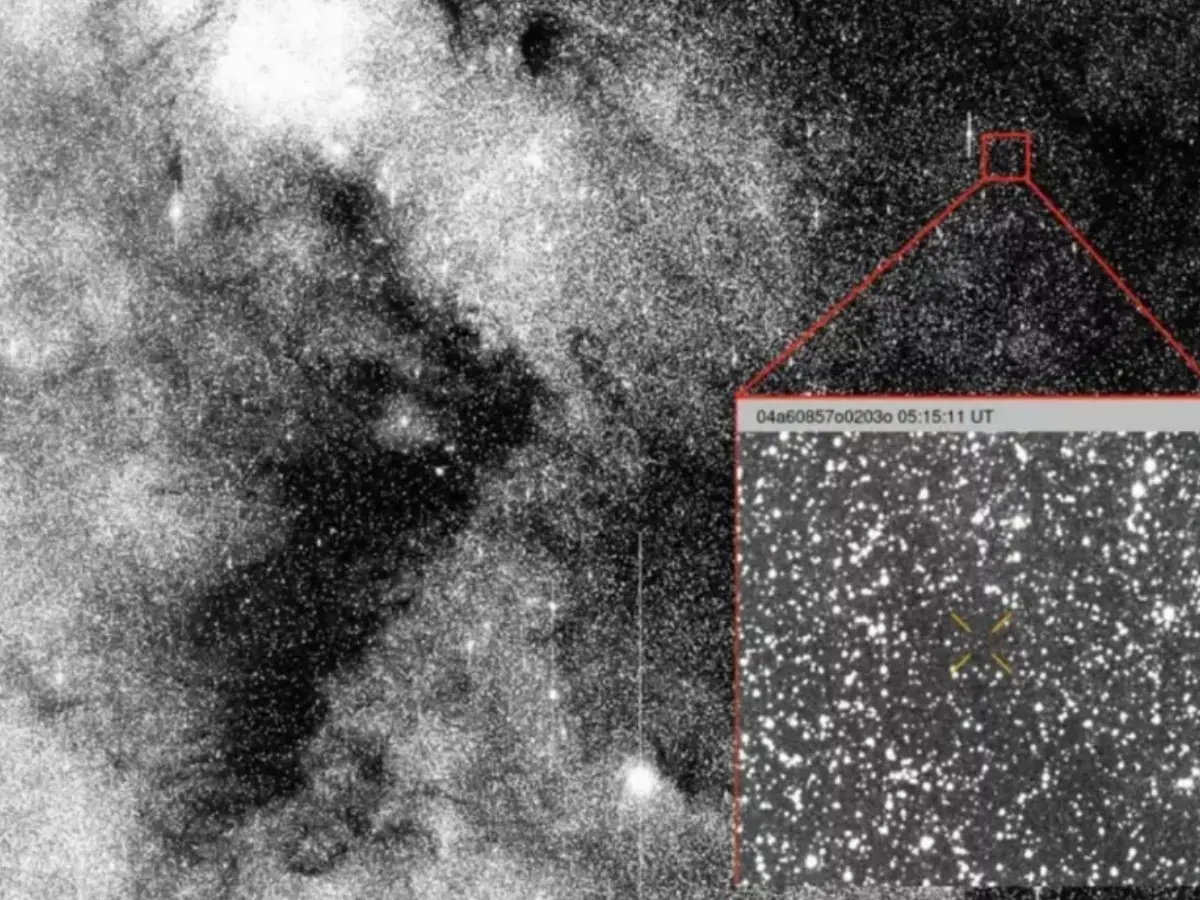
3I/ATLAS has an orbital eccentricity far above 1 (hyperbolic), meaning it was expelled from its original system at high speed ages ago. Interstellar objects typically get ejected when young planets or giant bodies gravitationally fling them out, usually during the early, chaotic epochs of planetary formation. That makes 3I/ATLAS not just old but likely a remnant of its home system’s earliest days.
6. Surface Changes Hint at Billions of Years Without a Star
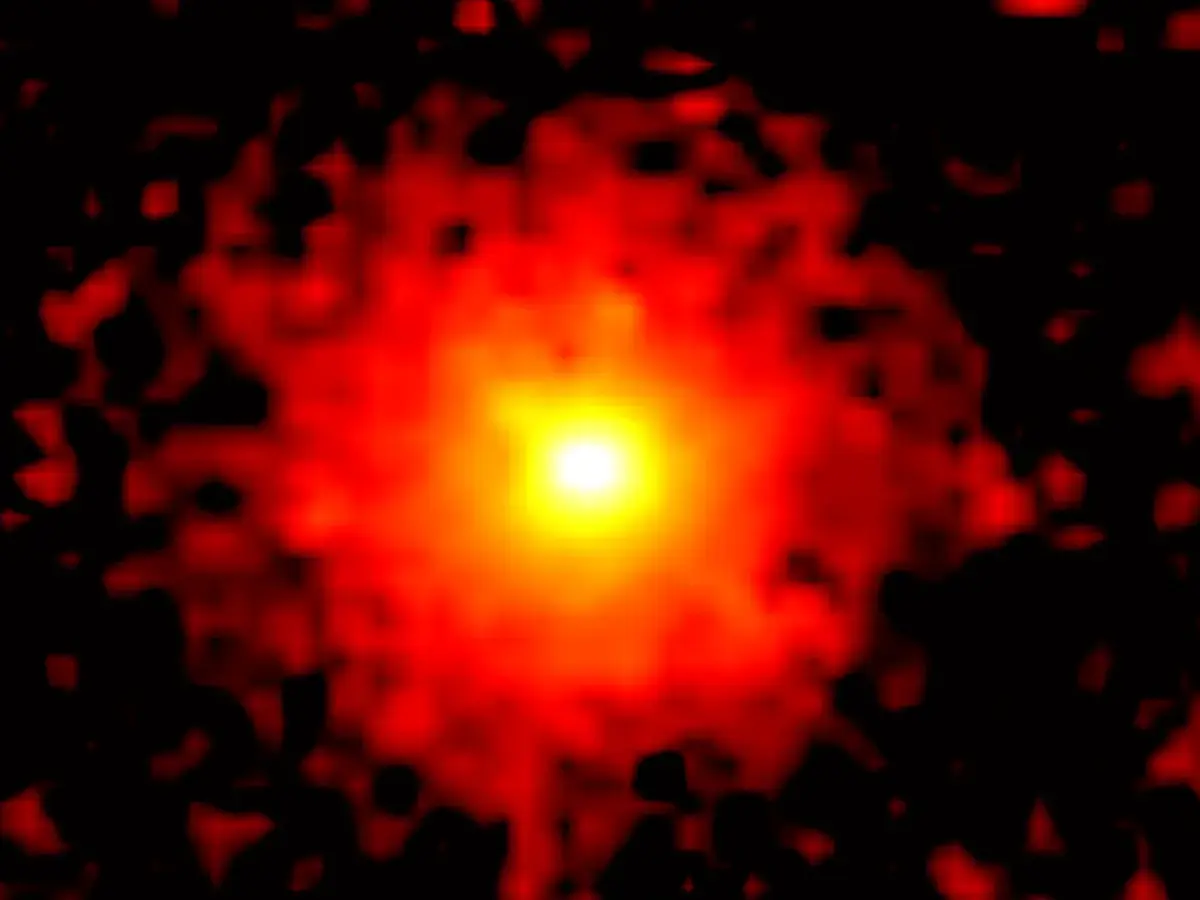
The dark, processed surface and dust activity seen in early observations indicate that 3I/ATLAS has not been warmed by a star for extremely long periods. The object’s radiation-altered shell suggests it has been wandering the Galaxy for vast stretches of time, without any close stellar encounters to reset its chemistry.
7. Scientists Cannot Pin an Exact Age — But the Consensus Is “Very Ancient”
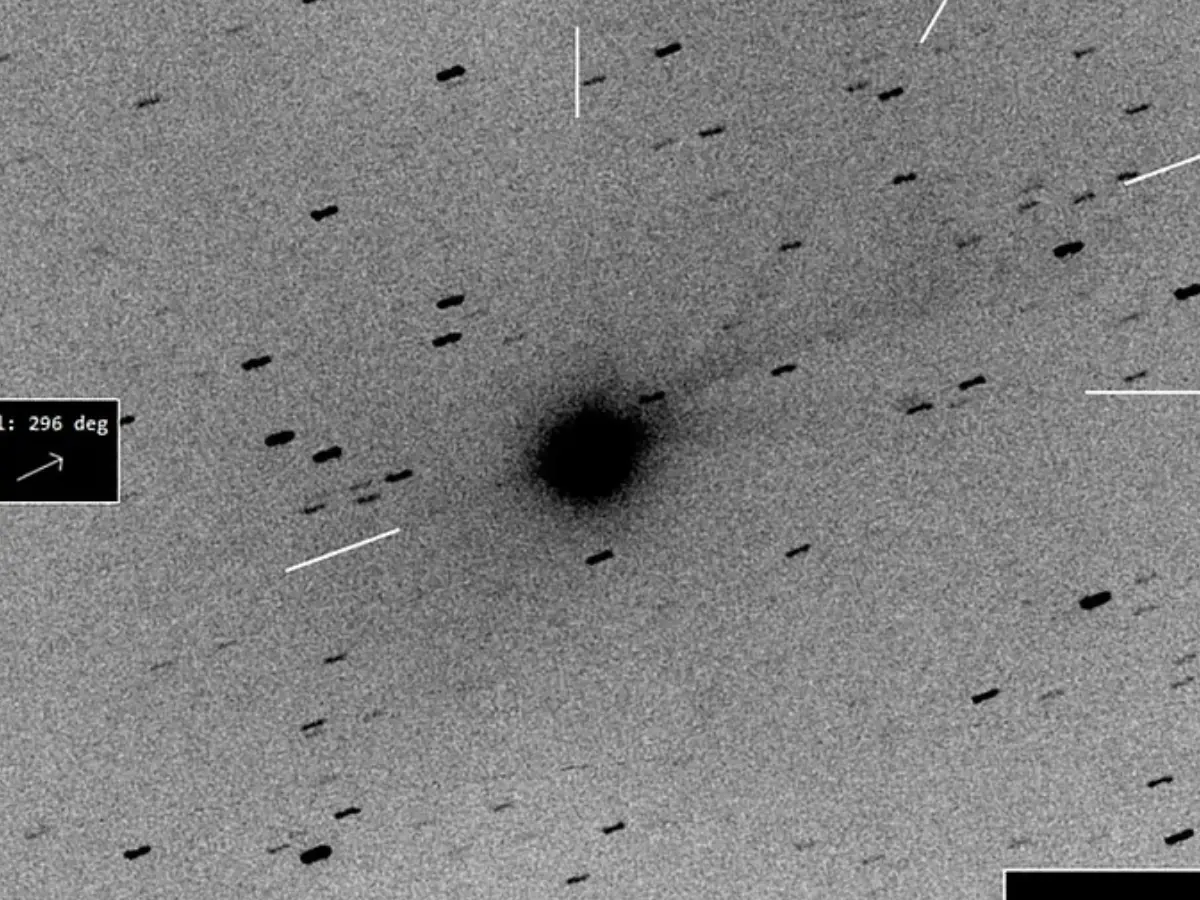
Because interstellar comets don’t come with timestamps, astronomers cannot measure their exact age. But combining orbital origin clues, JWST chemistry, cosmic-ray effects, and expected formation timelines, scientists believe 3I/ATLAS is likely older than the Solar System, and possibly as old as 8–12 billion years, depending on the age of the system it came from. In cosmic terms, that makes it a true Galactic fossil.
)
)
)
)
)