'Day vs Night': When is the best time to fill petrol in your car?

Petrol expands when heated. A rise of 1°C can reduce its density by roughly 0.001 kg/l. In theory, cooler petrol means slightly higher density, so one litre contains marginally more energy.
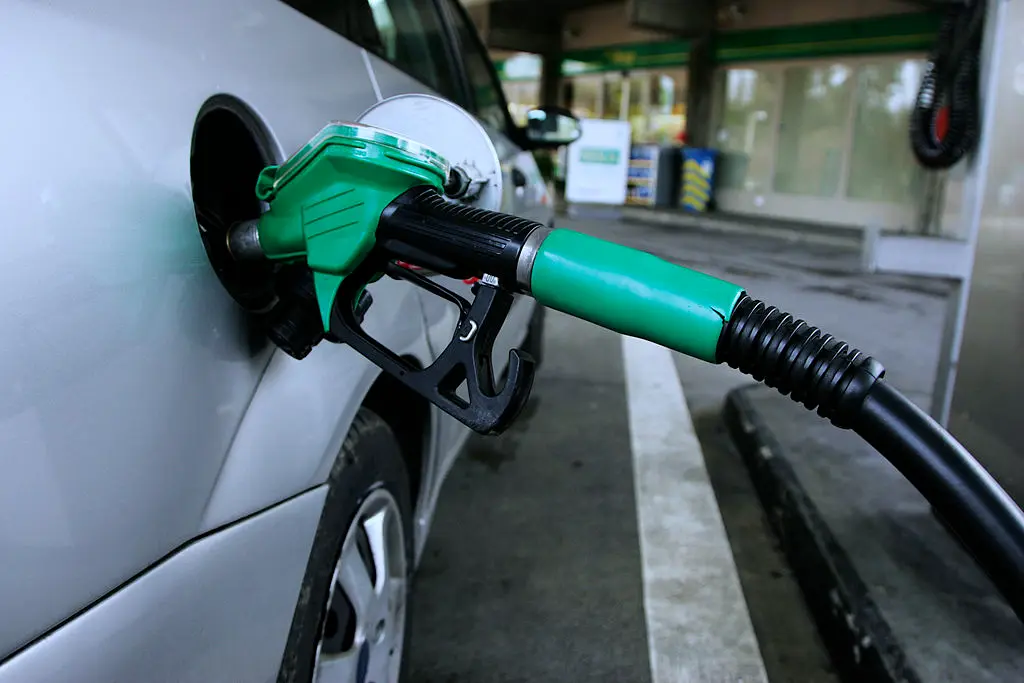
1. Why the Debate Exists
Drivers often claim that petrol stations dispense slightly more fuel at night because lower temperatures make petrol denser. The idea comes from basic thermodynamics: liquids expand when warm and contract when cool. This belief has circulated for years but needs context to understand whether it actually affects your fuel quantity.
2. Fuel Density Does Change With Temperature
Petrol expands when heated. A rise of 1°C can reduce its density by roughly 0.001 kg/l. In theory, cooler petrol means slightly higher density, so one litre contains marginally more energy. However, the actual impact depends on how petrol is stored at fuel stations, not just the outside air temperature.
3. Petrol at Stations Is Stored Underground
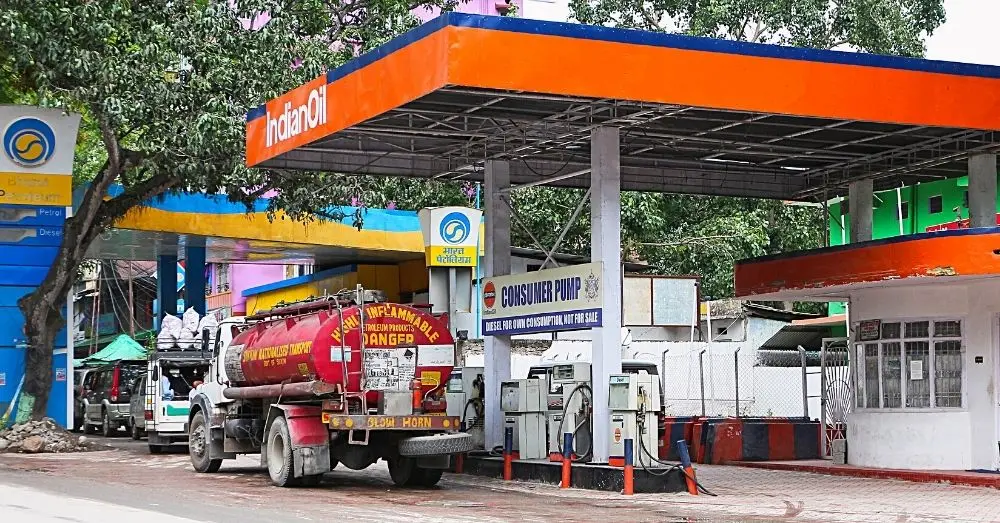
Most Indian petrol pumps store fuel in underground tanks, which are insulated by soil and maintain a stable temperature throughout the day. Even on hot afternoons, temperature at that depth remains relatively constant. This means fuel dispensed at 2 PM and 2 AM is usually at the same temperature. As a result, external heat does not drastically influence the density of petrol being pumped.
4. Temperature Variation Is Too Small to Affect Quantity
Studies by fuel retailers show that daily variation in petrol temperature inside underground tanks is generally less than 1°C. Such small changes do not produce any measurable difference in how much petrol flows into a vehicle. Any gain from colder fuel at night is typically insignificant for consumers.
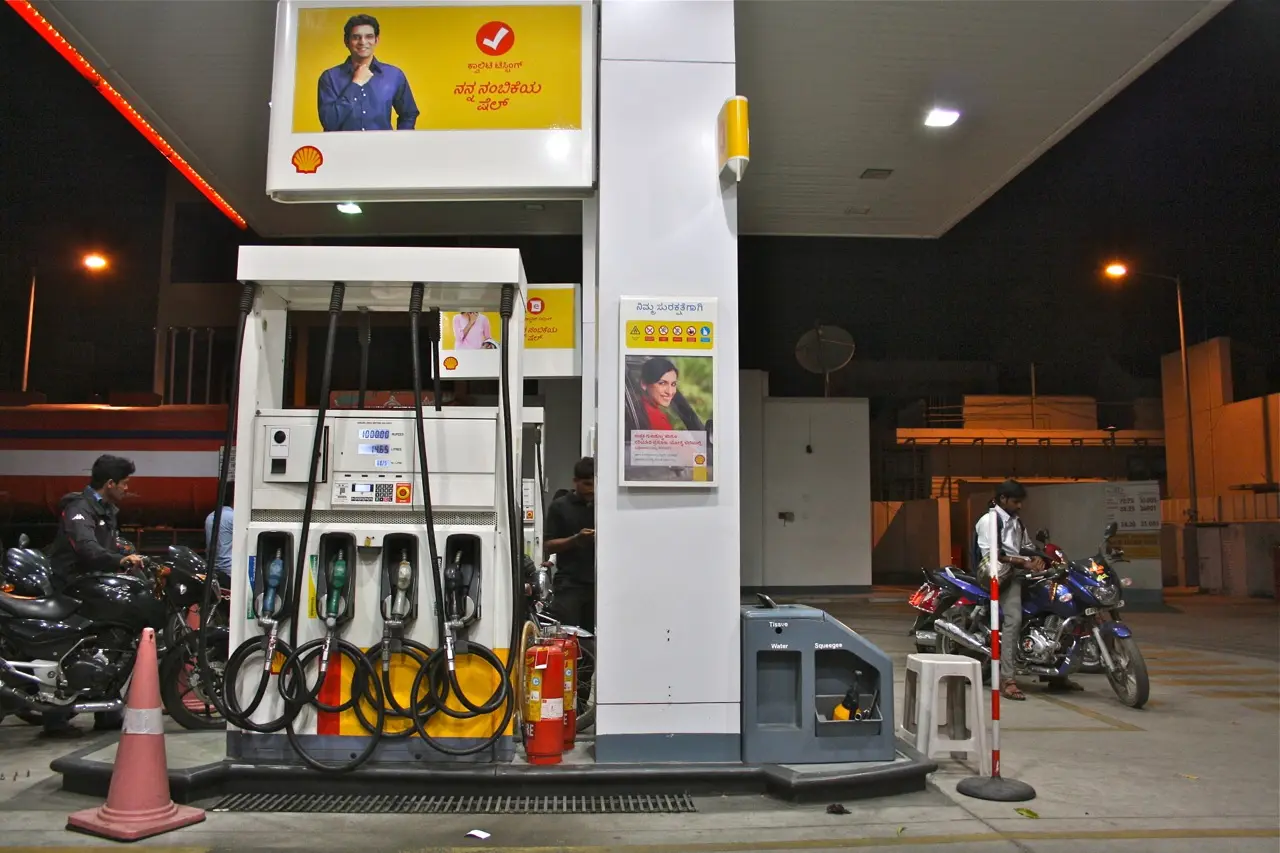
5. Evaporation Loss at the Nozzle Is Also Minimal
Another belief is that petrol vapour escapes more in the daytime due to heat. Modern Indian pumps use sealed nozzles and vapour recovery systems that minimise evaporation. The amount of fuel lost as vapour during refuelling is extremely small and does not vary enough between day and night to change the quantity delivered.
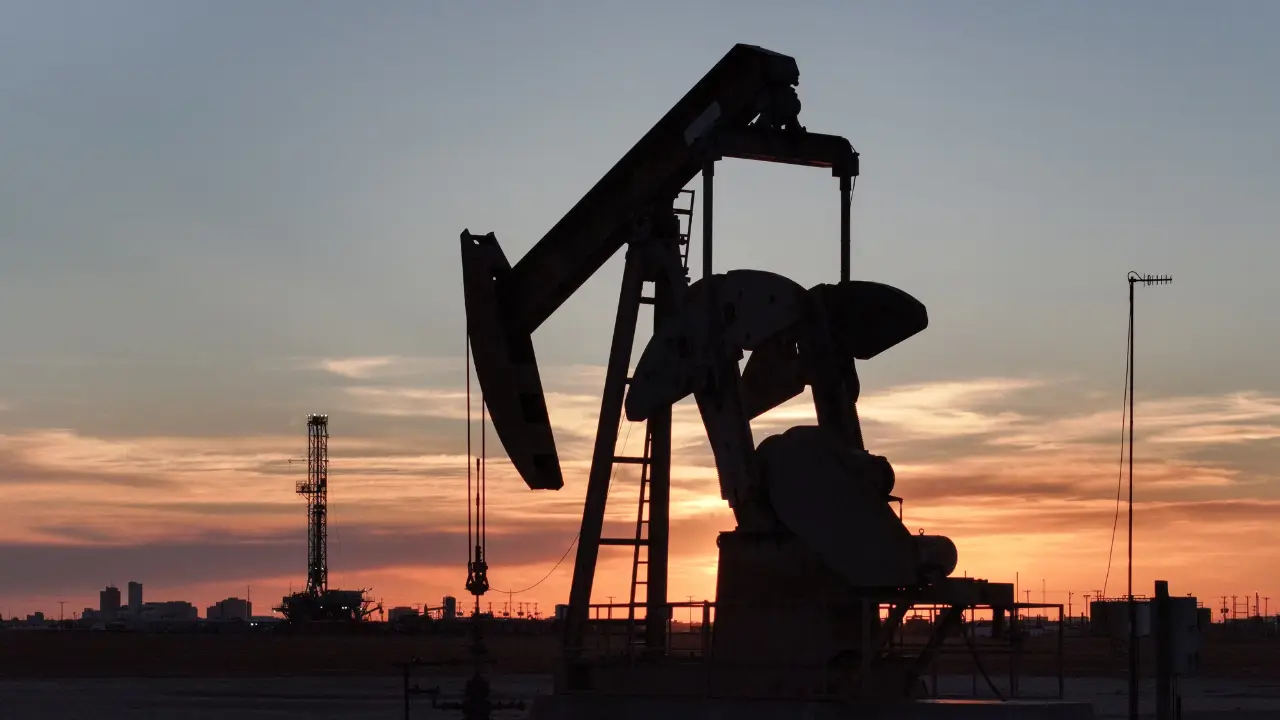
6. Pump Calibration Ensures Accurate Dispensing
Oil Marketing Companies conduct regular calibration checks to ensure fuel dispensers deliver the exact quantity shown on the machine. This process is legally mandated. Whether refuelling in the morning, afternoon, or midnight, the quantity dispensed remains regulated and standardised.

7. When You Refuel Matters for Only One Practical Reason
While the temperature-based argument does not offer meaningful benefit, traffic conditions do. Refuelling late at night or early morning can reduce waiting time and avoid peak-hour queues. Apart from convenience, there is no verified fuel-saving advantage tied to day or night refuelling in India.
)
)
)
)
)