‘Davos 2026’: How the biggest economic forum got plagued by prostitution rings

As the World Economic Forum convenes in Davos from 19 to 23 January 2026, the summit faces a recurring controversy. Beyond the high-level debates, the Swiss resort town historically sees a surge in the sex trade.
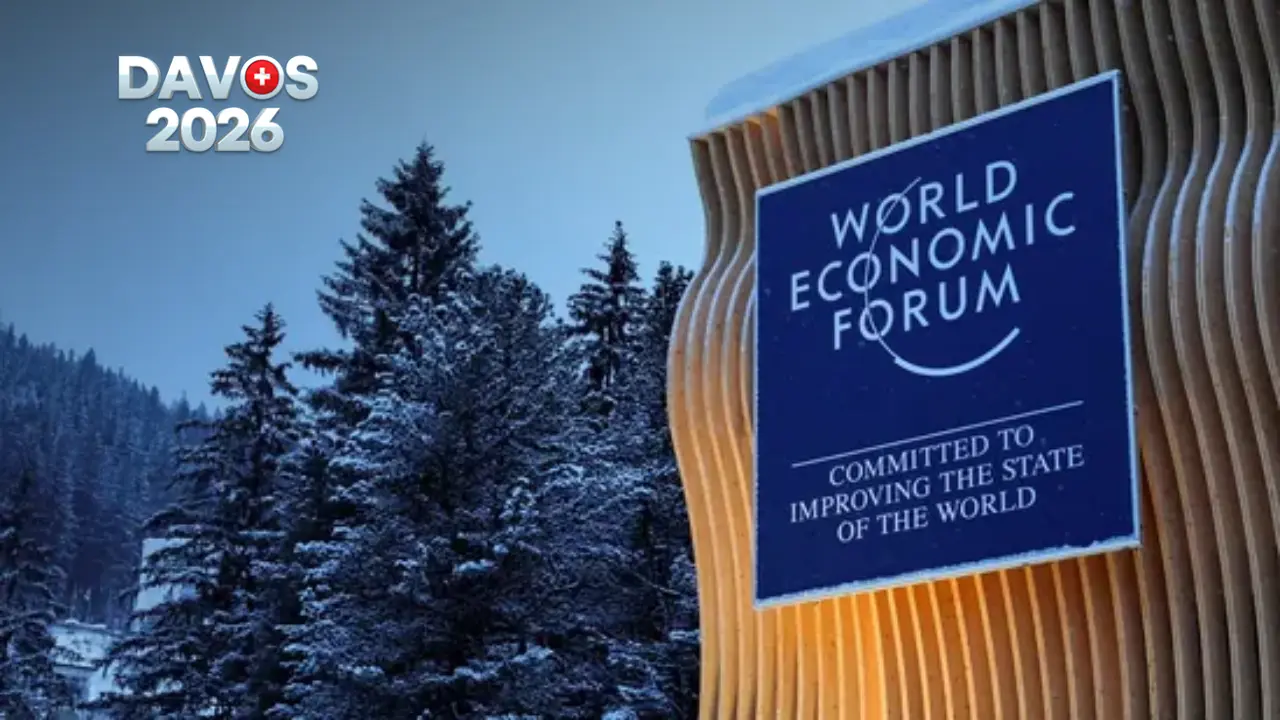
The annual influx
Every January, alongside heads of state and CEOs, hundreds of sex workers descend on the Swiss town. Reports from previous years indicate that demand for sexual services spikes significantly during the five-day conference.
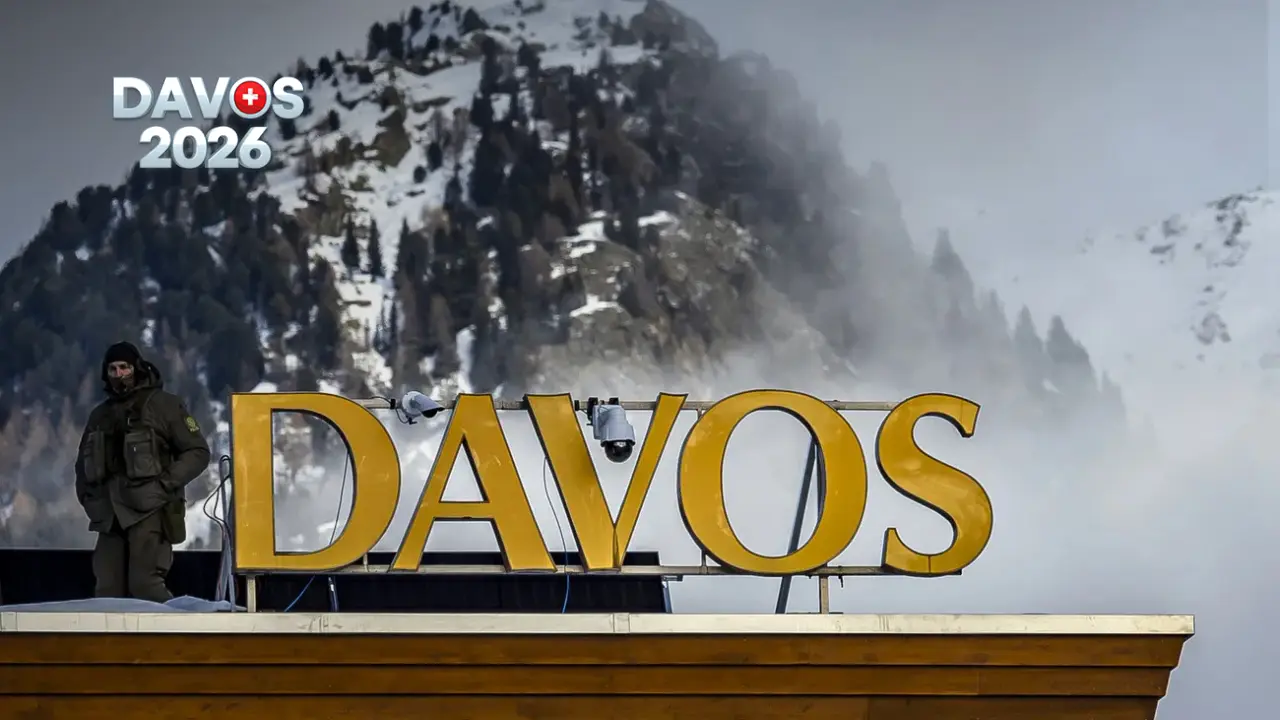
High fees for ‘services’ Charging premium rates
Due to the wealthy clientele and high demand, rates for sexual services reportedly skyrocket during the summit. Sex workers have claimed to charge significantly more than standard rates, often paid in cash to maintain discretion.
Blending in with the elite
To access hotels and bars where delegates congregate, sex workers reportedly dress in formal business wear. This allows them to blend seamlessly with the attendees, making it difficult for security to distinguish them from accredited guests.
Operating in the shadows: Private parties and hotels
The illicit activity happens within the surrounding hotels and bars. Private parties hosted by companies often serve as unofficial meeting grounds for these transactions.
Police and trafficking concerns: Monitoring the risks
Swiss police closely monitor the situation, as the influx raises fears of human trafficking. In past years, authorities have investigated organised rings bringing vulnerable women into the country specifically for the duration of the forum.
Official dissociation
The World Economic Forum officially condemns this activity and maintains a zero-tolerance policy for harassment. However, they have no jurisdiction over the town of Davos itself or the private behaviour of attendees outside the conference hall.
The outlook for 2026
As thousands gather for WEF 2026, local authorities remain on high alert. Despite the focus on ‘A Spirit of Dialogue’ and global solutions, the shadow economy of the summit remains a persistent and controversial reality.
)
)
)
)
)