'Dark Deck': Why walking on the USS Abraham Lincoln at night is deadly

USS Abraham Lincoln crew members face 250 kph jet blasts and 20-metre drops during night operations in the Middle East. Near-total darkness makes the flight deck one of the most dangerous places for the 5,000 sailors on board.
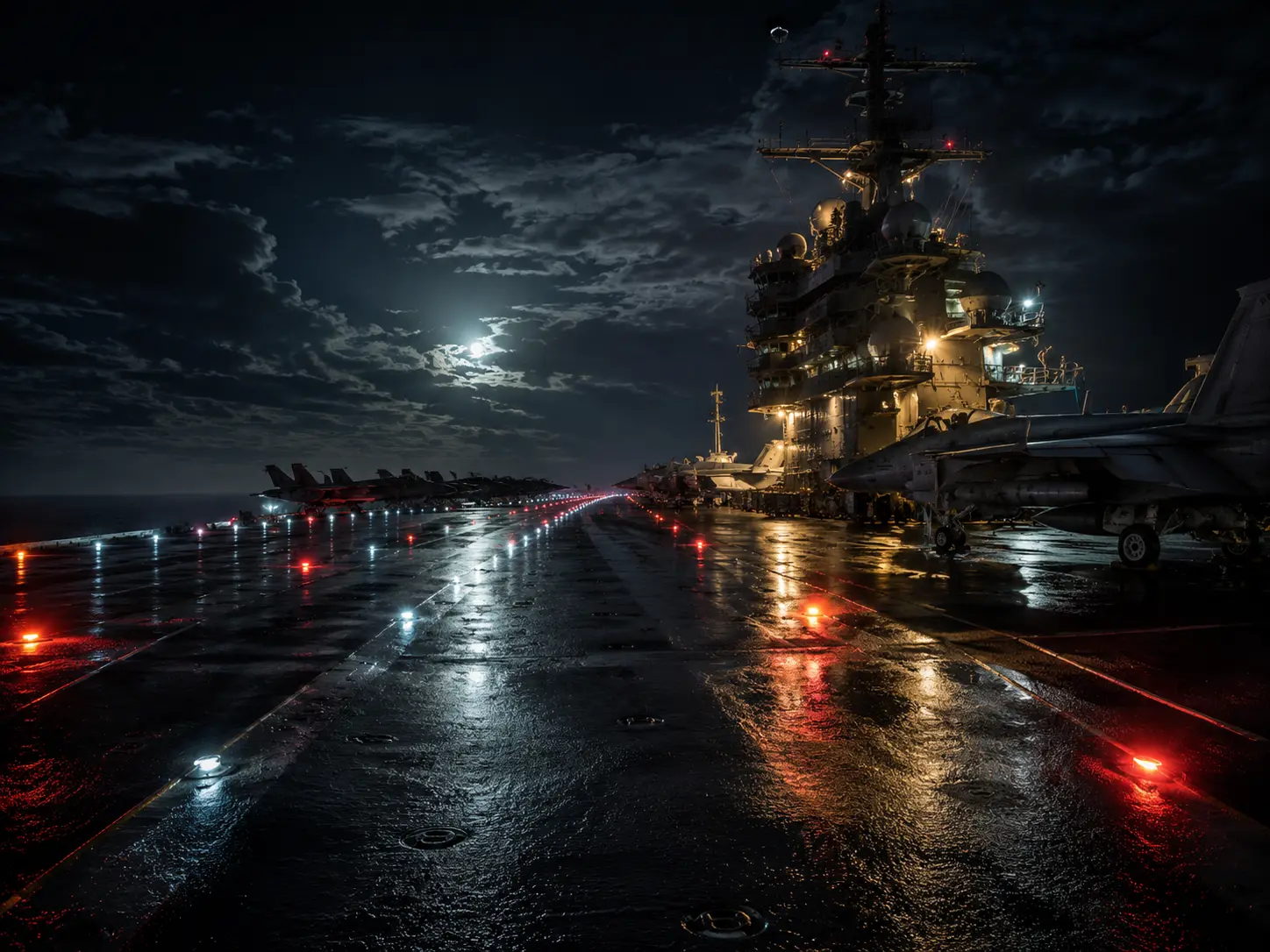
Night operations stealth
The USS Abraham Lincoln maintains a "Darken Ship" protocol during night missions in the Arabian Sea. This ensures the carrier remains invisible to enemy sensors but leaves the flight deck in pitch-black conditions. Sailors must rely on muscle memory and tiny chem-lights to navigate the 332-metre steel floor.
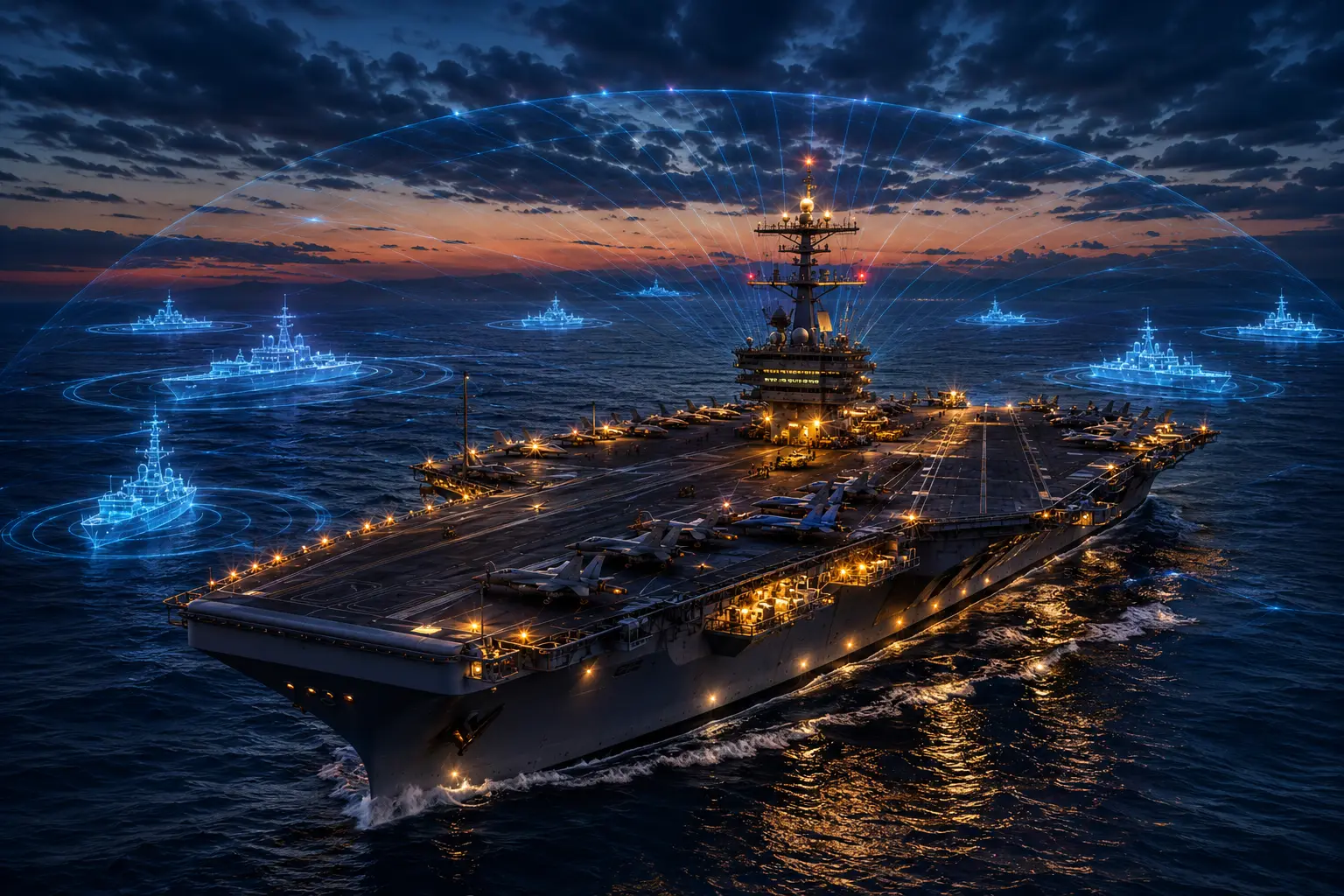
250 kph jet blasts
Fighter jets like the F-35C launch every minute, creating invisible exhaust streams that reach speeds of 250 kilometres per hour. In the dark, a sailor can be blown off the deck by a sudden engine surge. The heat and force are enough to toss heavy equipment into the sea instantly.
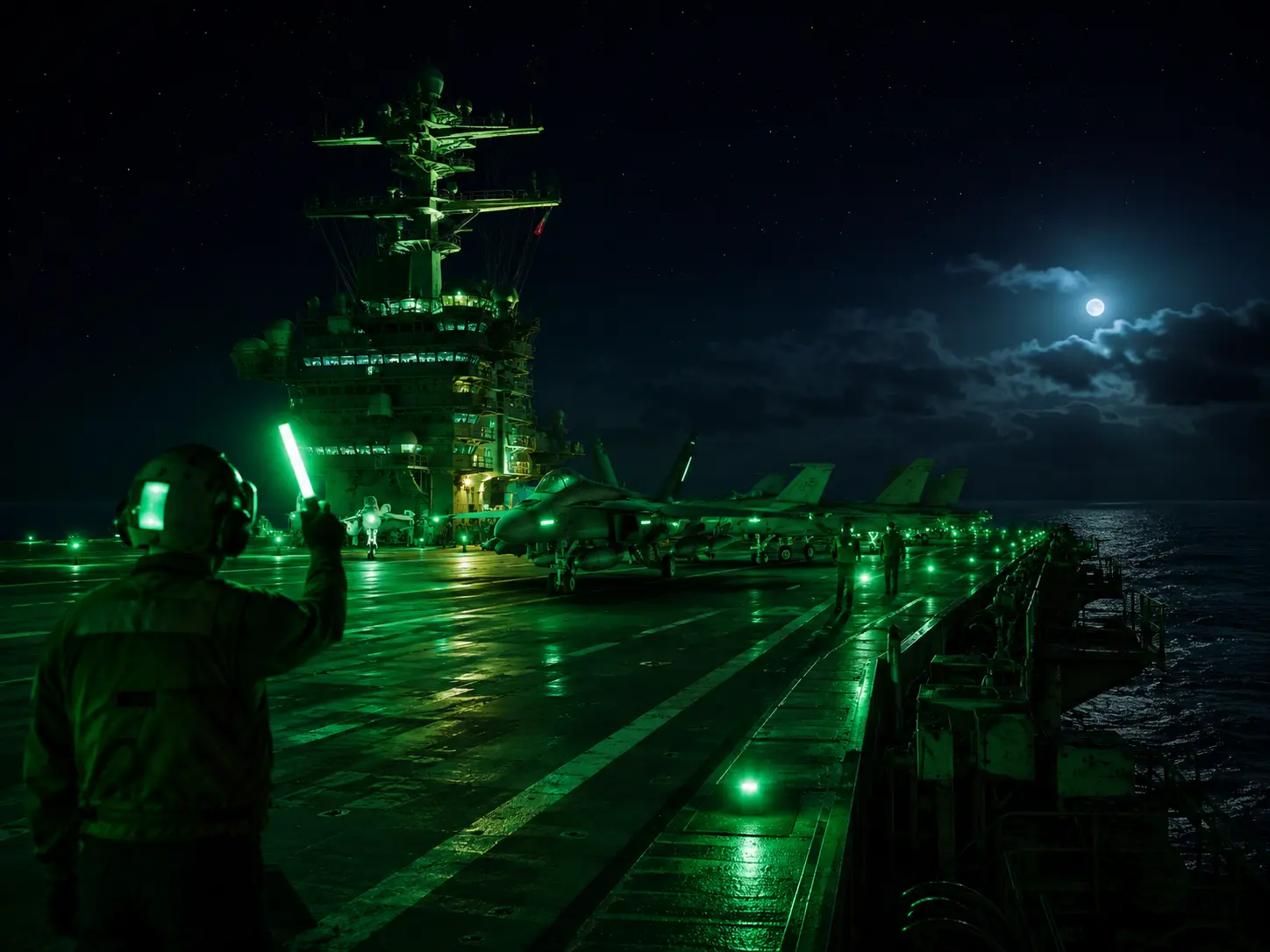
30-Tonne "Silent" Hazards
30,000 kg jets taxi without headlights. Extreme deck noise makes them "silent" to the ear, while E-2D propeller blades become invisible, spinning blades in the dark.
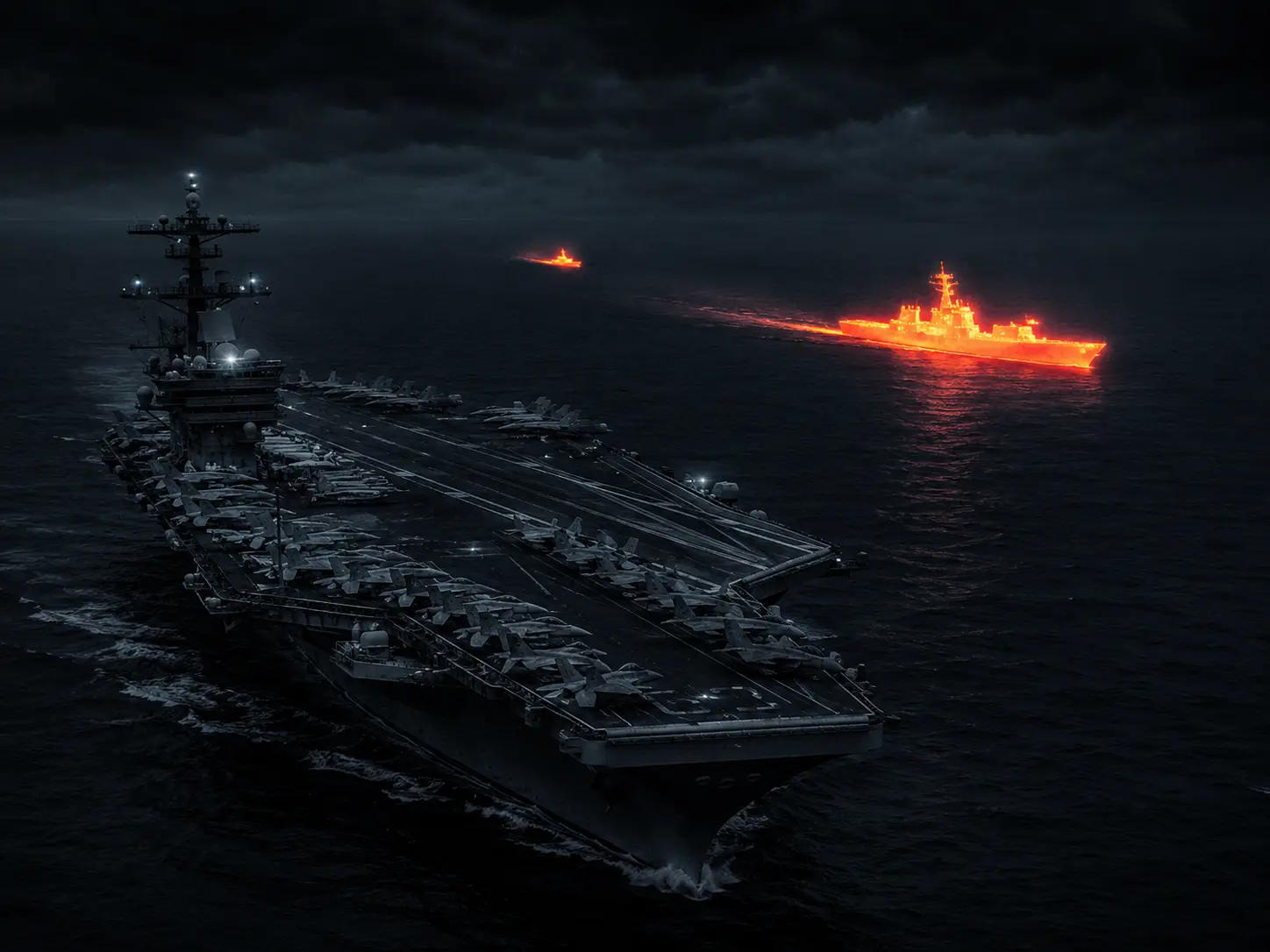
20-metre sheer drops
The flight deck sits roughly 20 metres above the churning wake of the nuclear-powered ship. With 10 per cent visibility, the edge of the carrier is nearly impossible to see without night-vision gear. Falling overboard during a turn means a sailor is likely to be lost in the ship’s massive propellers.
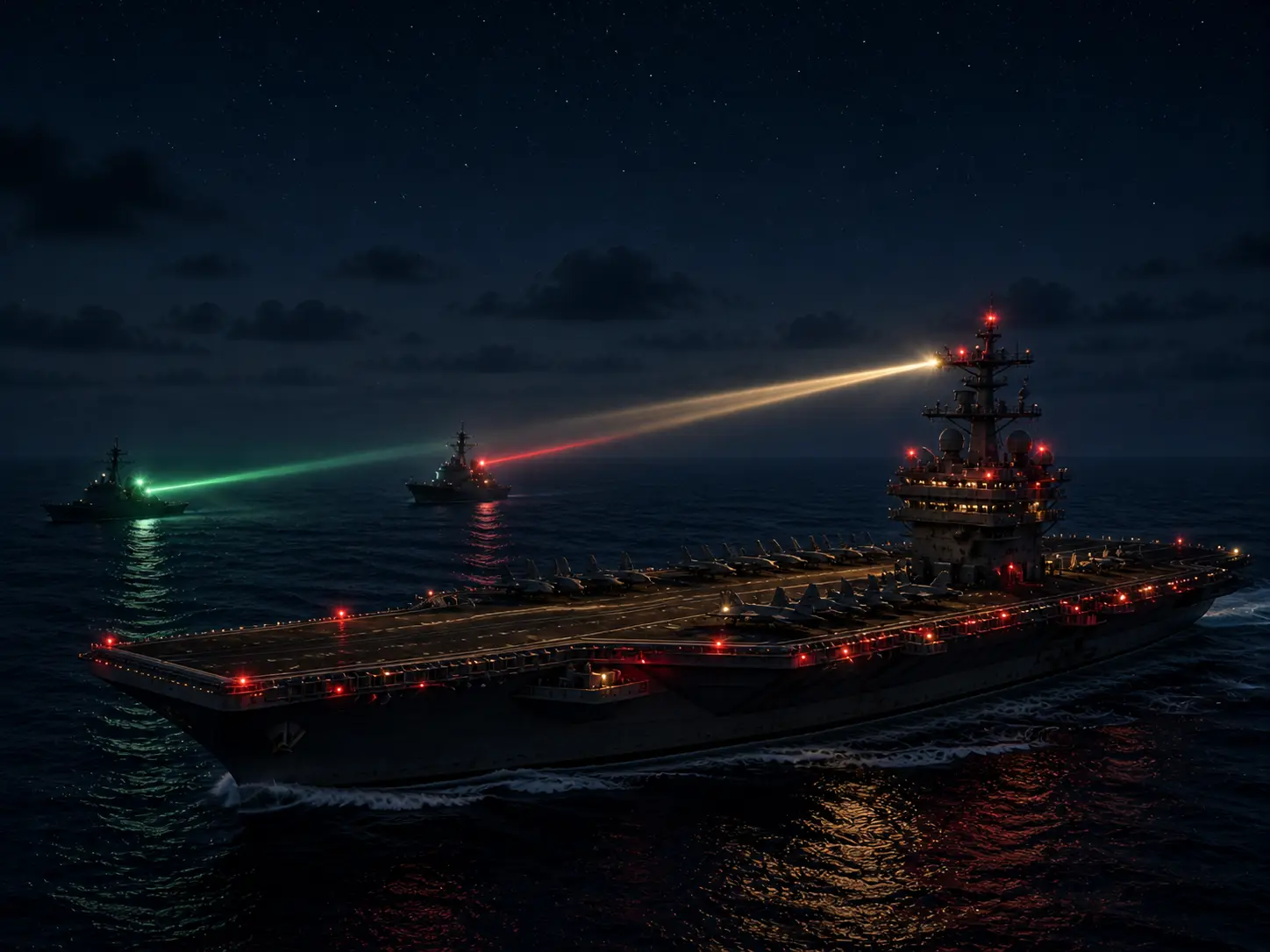
High-Pressure Catapults
Steel shuttles snap across the deck at lethal speeds. Sailors must dodge 480°F (248°C) steam lines that can leak invisibly and cut like a blade.
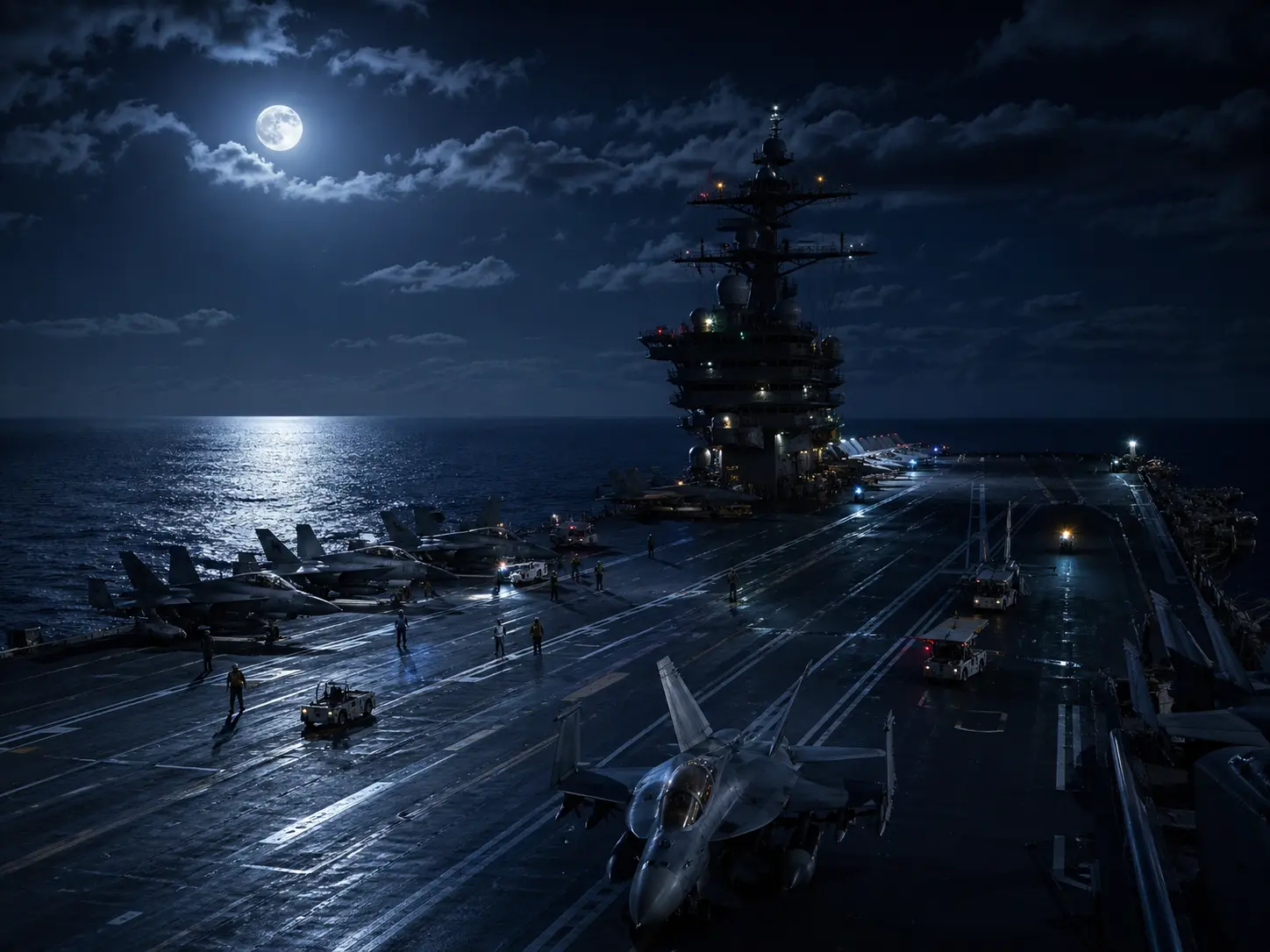
Lethal Engine Suction
Red lighting hides the "intake pockets" of active jets. Crews work inches away from high-power suction zones that can swallow a human instantly.
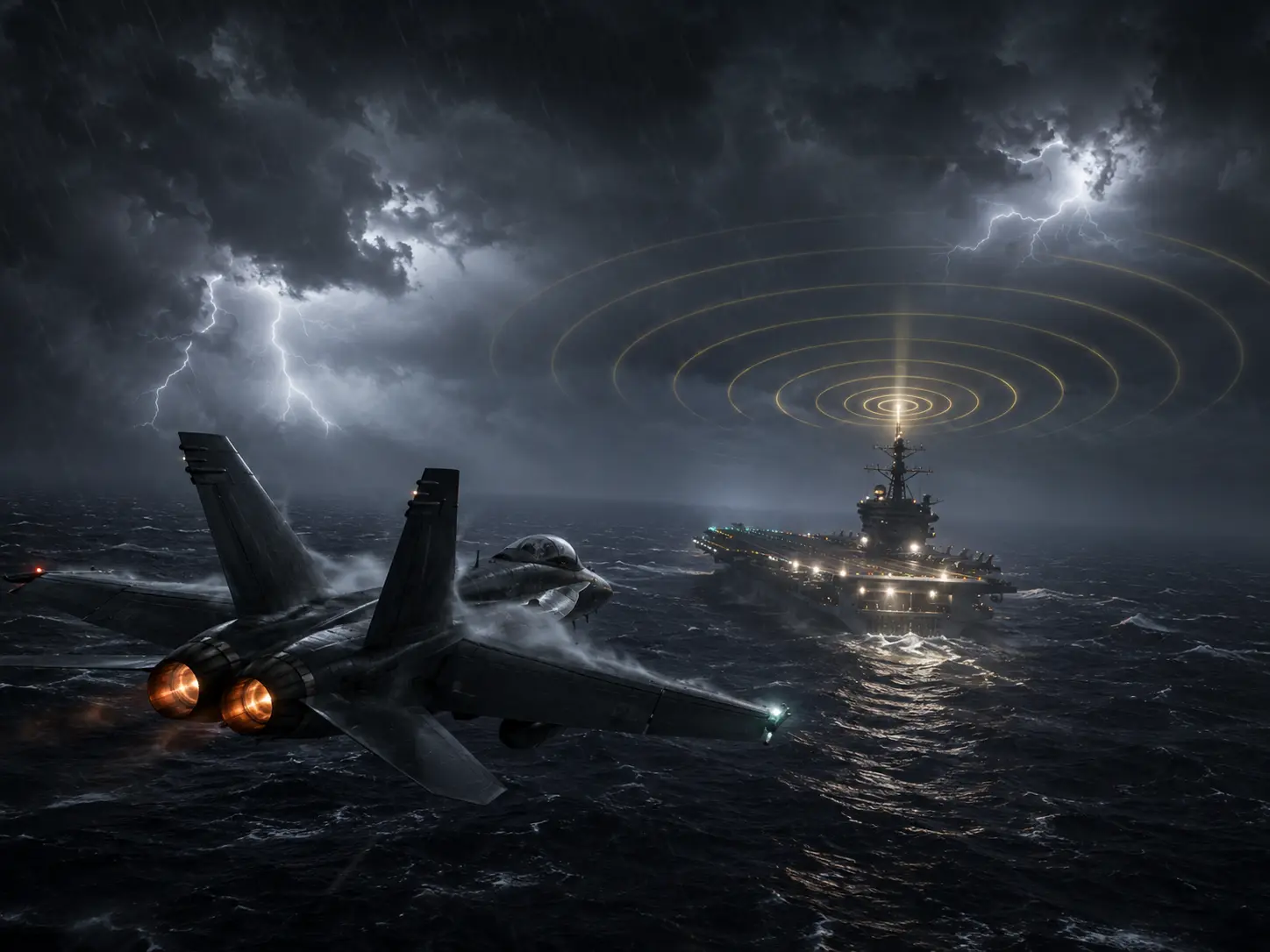
Constant combat readiness
The USS Abraham Lincoln crew works 12-hour shifts under high-stress conditions to support Middle East security. Exhaustion combined with the "Dark Deck" hazards creates a high risk of human error. Despite the danger, the 5,000 sailors must ensure every F/A-18 and F-35C lands safely.
)
)
)
)
)