‘Danger below’: How the US military will clear mines without risking sailors in the Strait of Hormuz

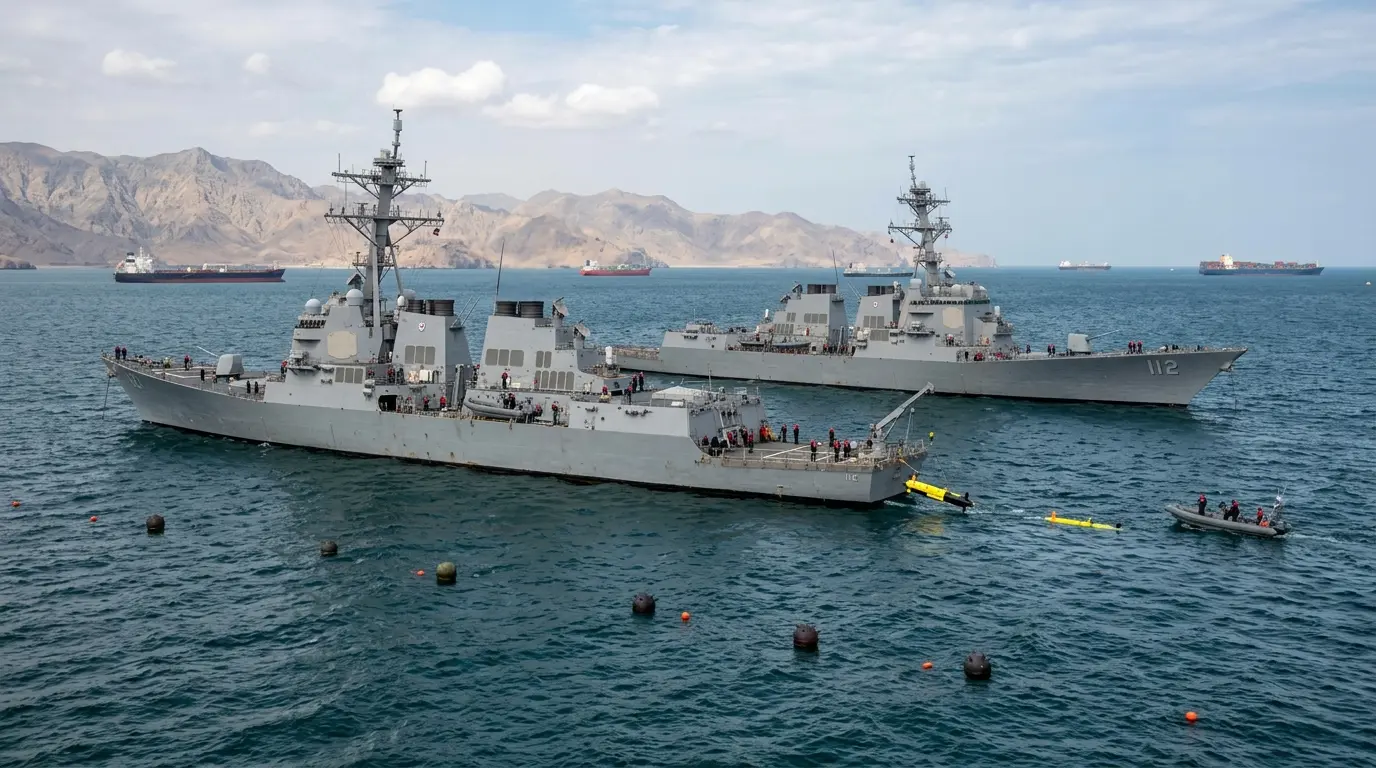
The US Navy is deploying advanced underwater drones to clear Iranian sea mines from the Strait of Hormuz. Guarded by destroyers, these robotic vehicles use sonar and remote neutralisers to safely detonate explosives without risking sailors.
A Robotic Clearance Mission
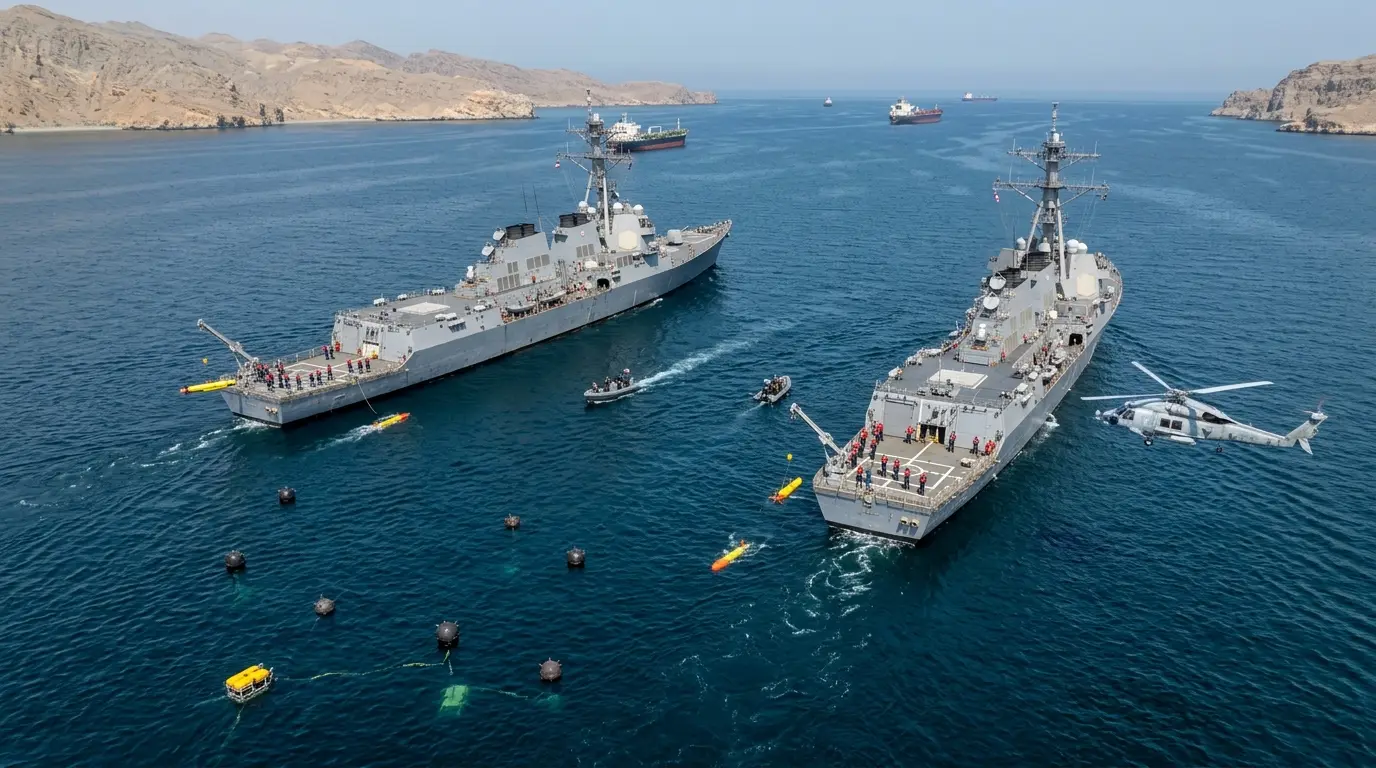
US Central Command launched a critical mission to clear explosive devices laid by the Islamic Revolutionary Guard Corps in the Strait of Hormuz. To prevent human casualties, the operation relies heavily on a fleet of advanced Uncrewed Underwater Vehicles (UUVs).
The UUV Arsenal
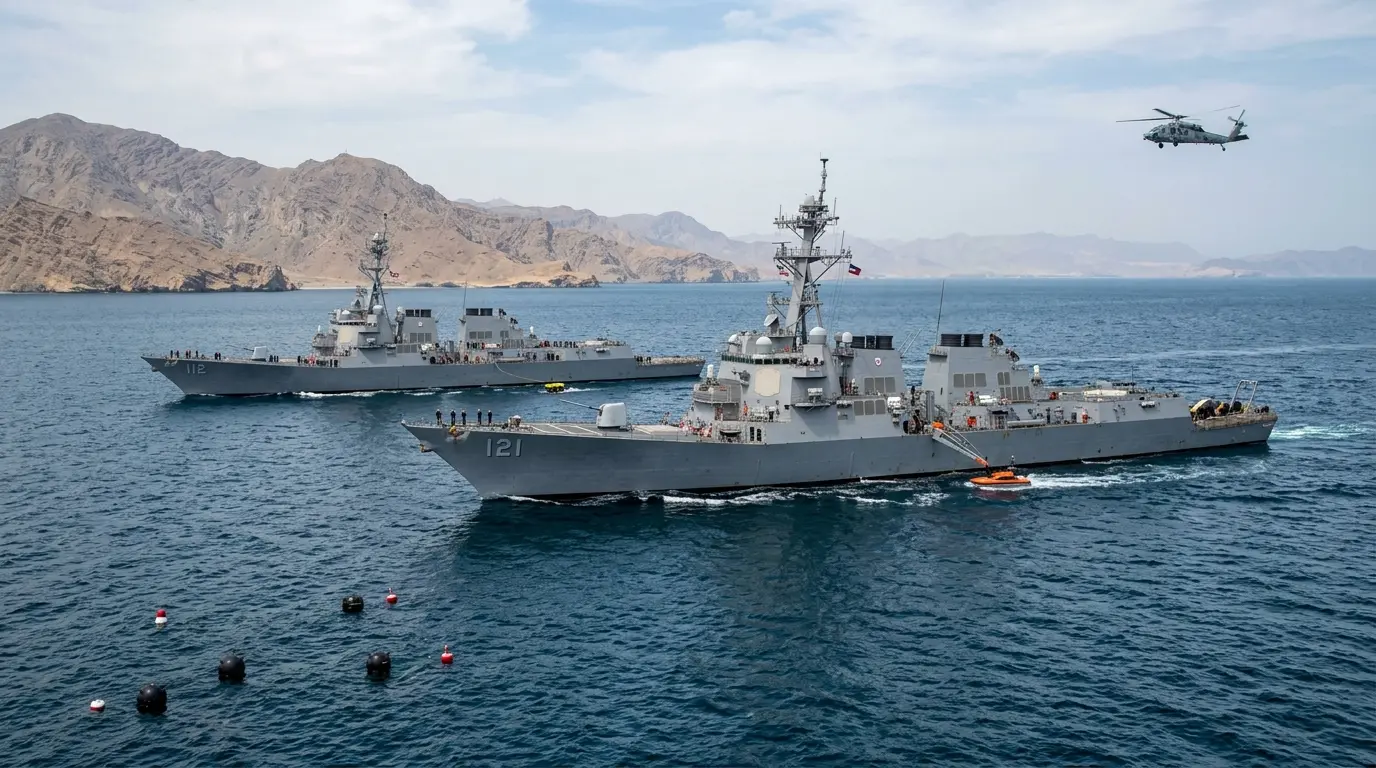
The US Navy utilises sophisticated robotic systems like the Mk 18 Mod 2 Kingfish to hunt lethal underwater threats. These torpedo-shaped drones use high-resolution side-scan sonar to map the ocean floor and identify hidden explosive anomalies.
Removing Divers from Danger
Historically, naval mine clearance required highly trained human divers to manually inspect and disarm underwater explosives. Deploying autonomous drones entirely removes these sailors from the immediate blast radius, drastically reducing the risk of catastrophic military casualties.
The SeaFox Neutraliser
Once a drone identifies a potential Iranian mine, the Navy can deploy a SeaFox expendable neutraliser. This $100,000 fibre-optic guided robot swims directly to the target and detonates a shaped charge, safely destroying both itself and the enemy mine.
Heavy Destroyer Overwatch
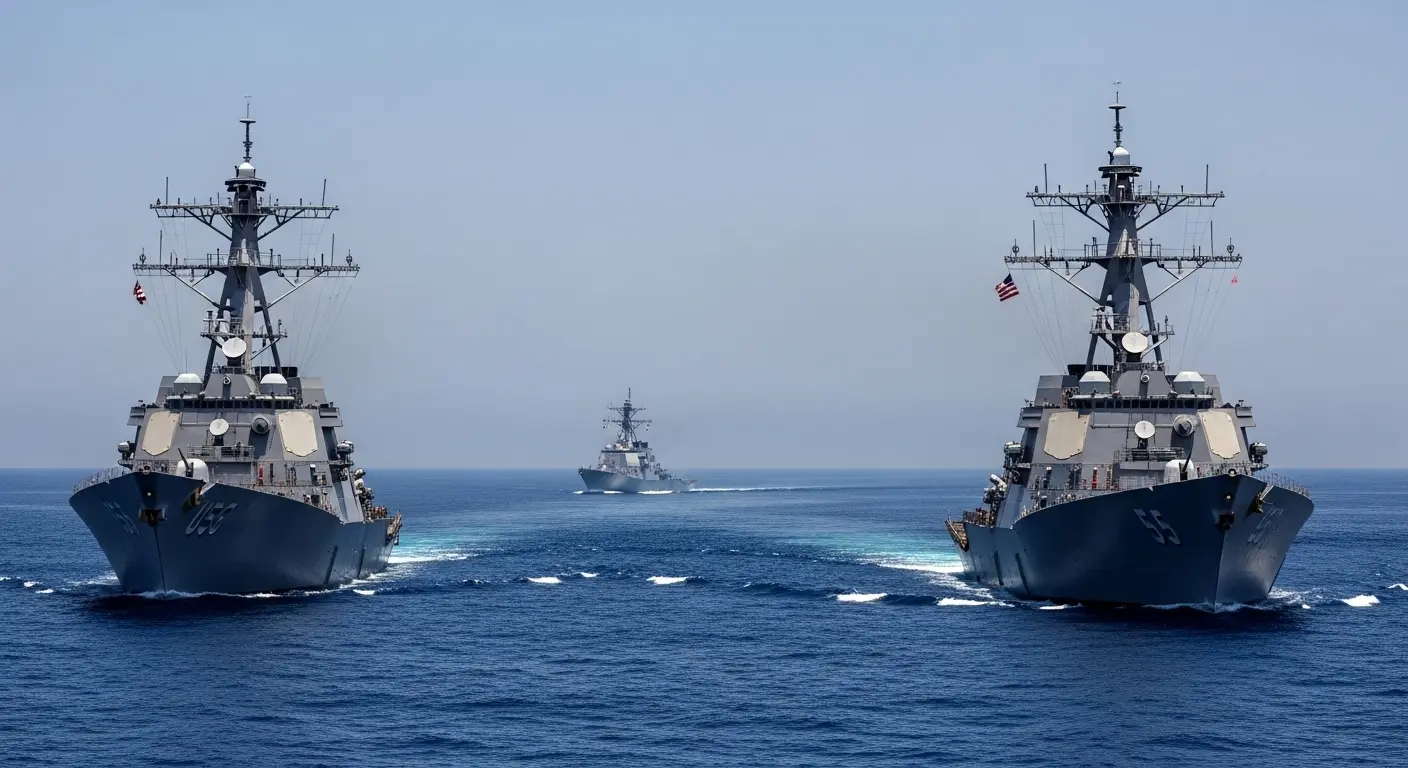
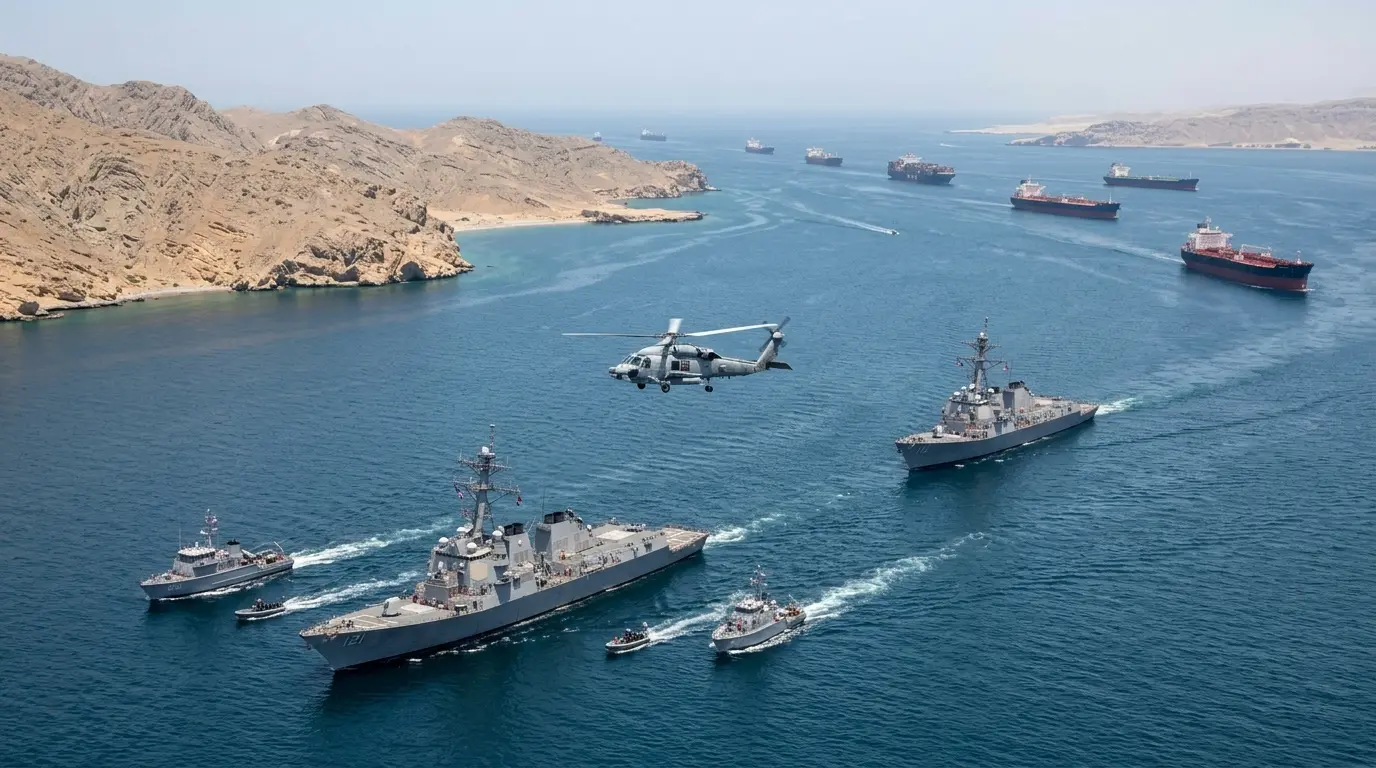
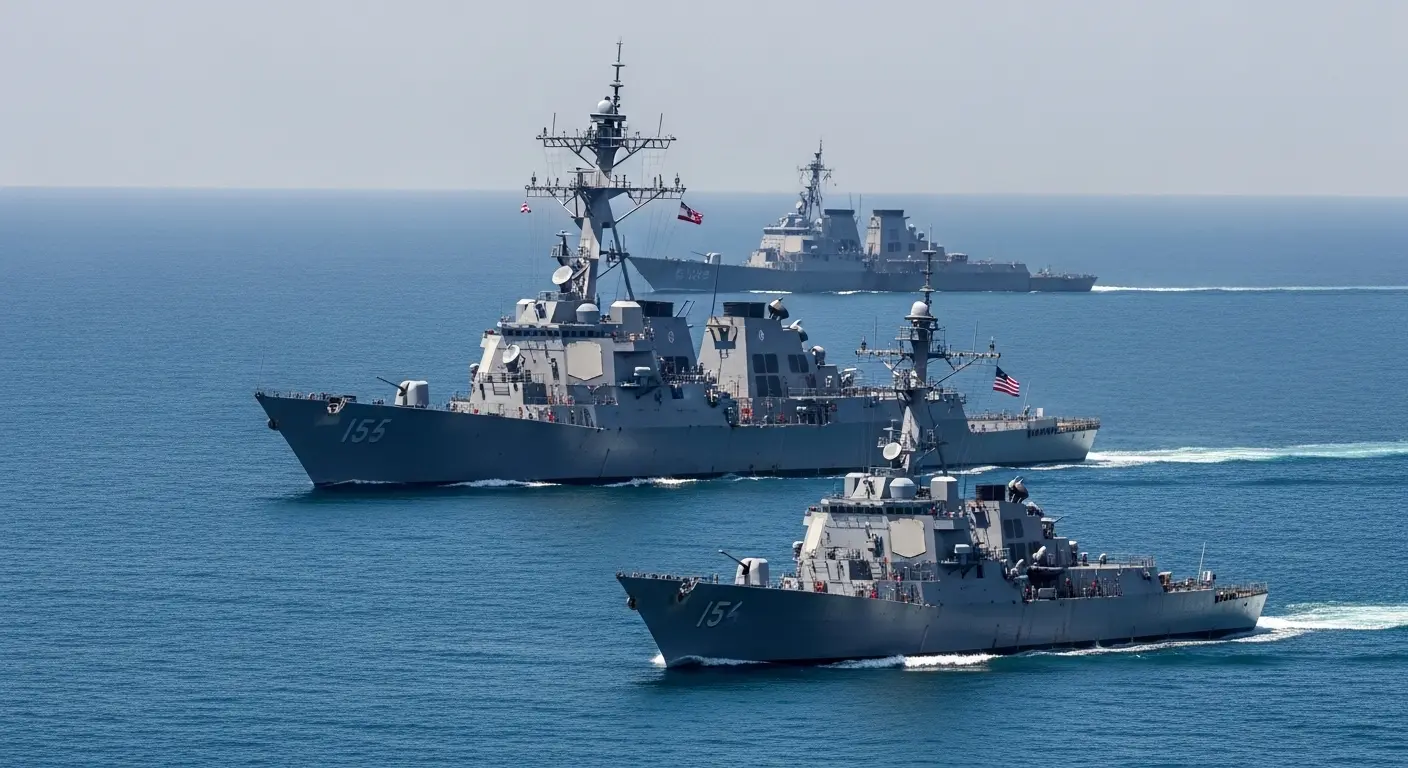
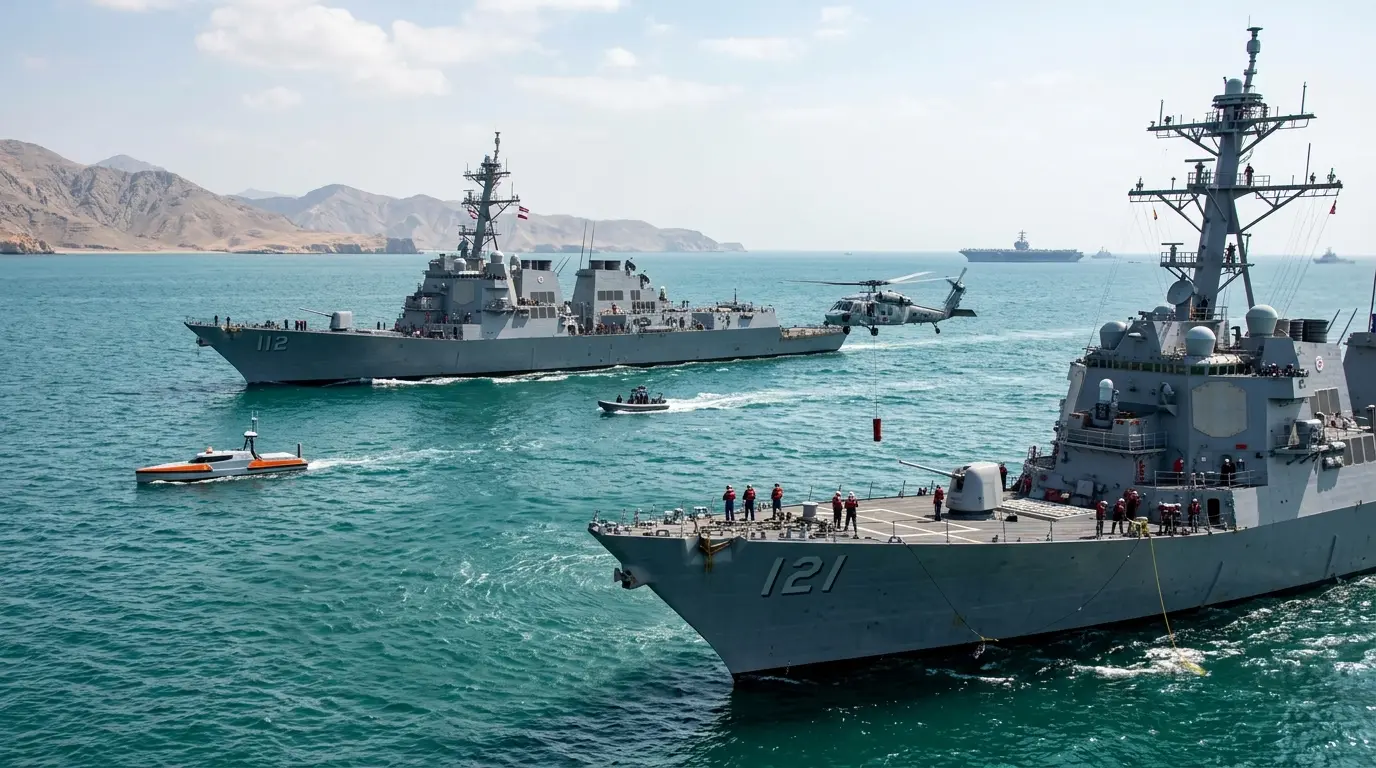
These vulnerable underwater drones do not operate alone in hostile waters. Multi-billion dollar guided-missile destroyers, including the USS Frank E. Peterson and USS Michael Murphy, are actively patrolling the strait to provide an impenetrable shield against Iranian interference.
AI-Powered Sonar Analysis
Scanning the murky, current-heavy waters of the Persian Gulf generates massive amounts of raw sonar data. Military operators use artificial intelligence algorithms to rapidly process this imagery, instantly distinguishing between harmless sunken debris and live, drifting naval mines.
Reopening the Chokepoint
CENTCOM commander Admiral Brad Cooper confirmed these robotic sweeps will quickly establish a secure maritime pathway. By detonating the threats remotely, the US military aims to safely restore the flow of global commerce through this critical oil corridor.
)
)

)
)