'Damage control': How the USS Abraham Lincoln stops fires in minutes

The USS Abraham Lincoln suppresses flight deck fires using an elite flying squad, AFFF foam, and a 27,000-gallon washdown system. The Nimitz-class carrier is compartmentalised into isolated bays and equipped with P-25 fire trucks for rapid damage control.
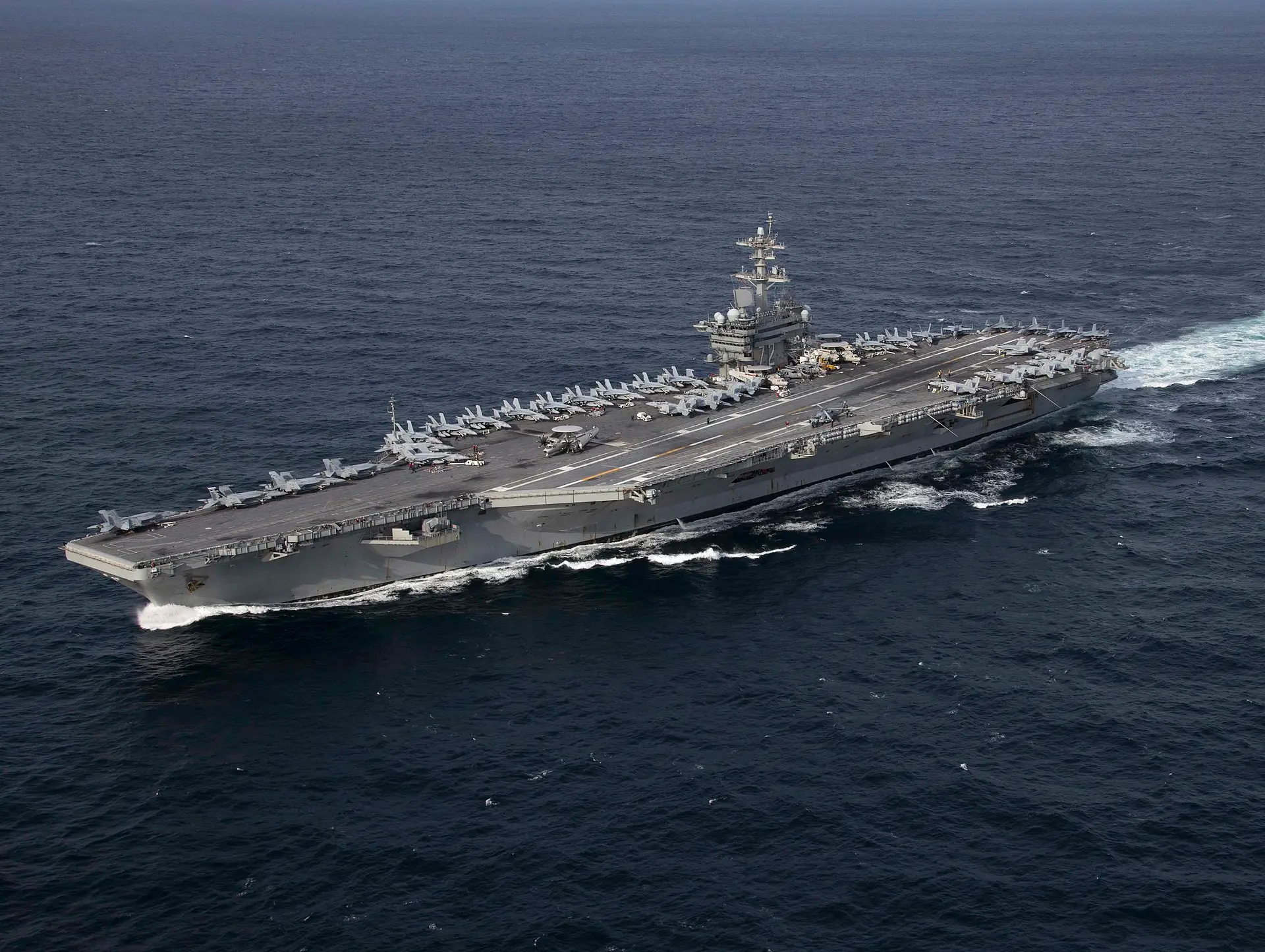
Rapid flying squad deployment
The USS Abraham Lincoln relies on an elite 'flying squad' for immediate damage control. These highly trained sailors act as the ship's first responders. When alarms sound, they don protective gear within minutes to combat sudden shipboard emergencies before they escalate.
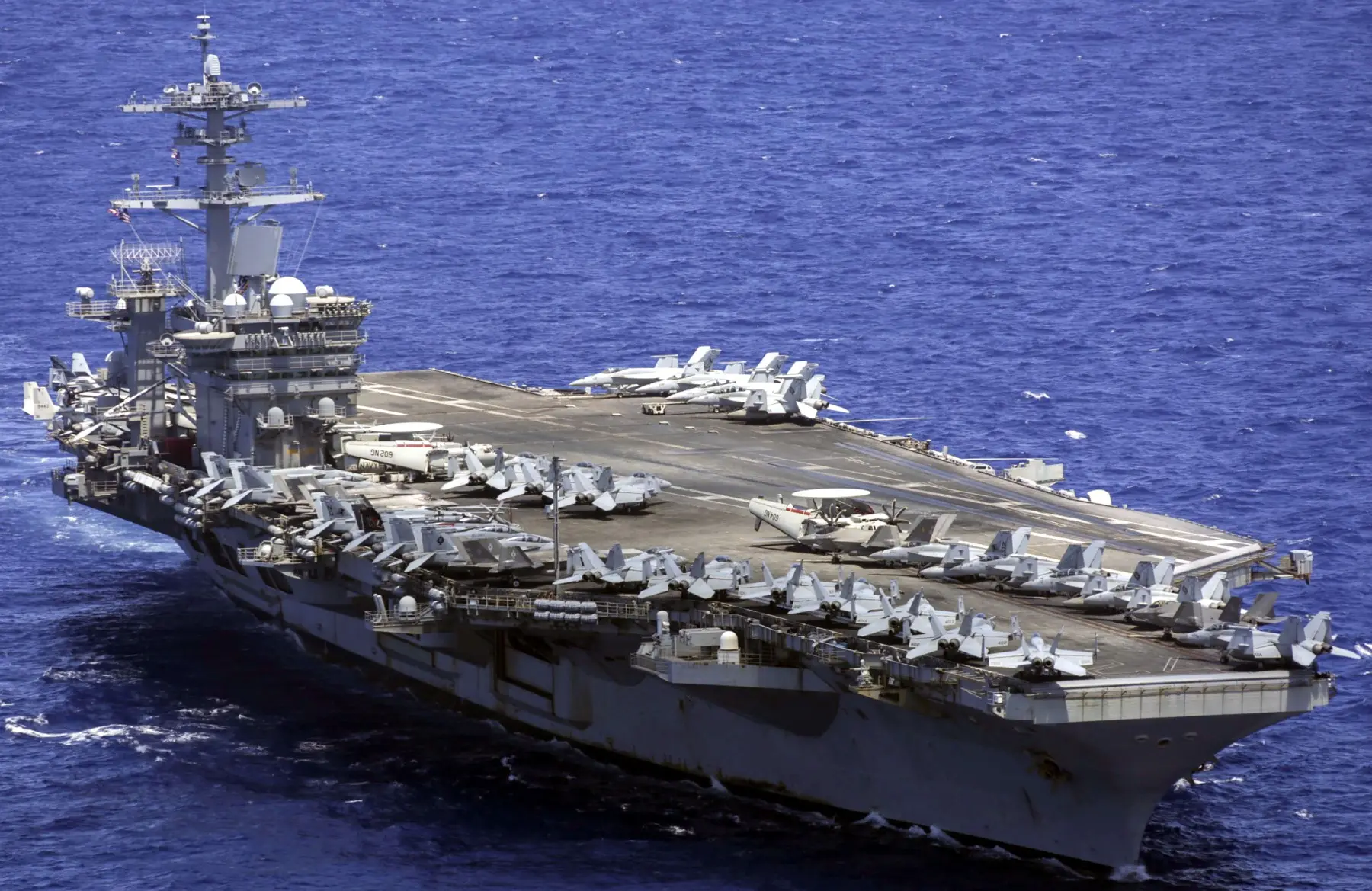
Aqueous film-forming foam
o fight intense aviation fuel blazes, the crew utilises Aqueous Film Forming Foam (AFFF). This specialised chemical mixture instantly creates a thin barrier over liquid fuel, cutting off the oxygen supply. It smothers massive fires rapidly, preventing devastating secondary explosions.
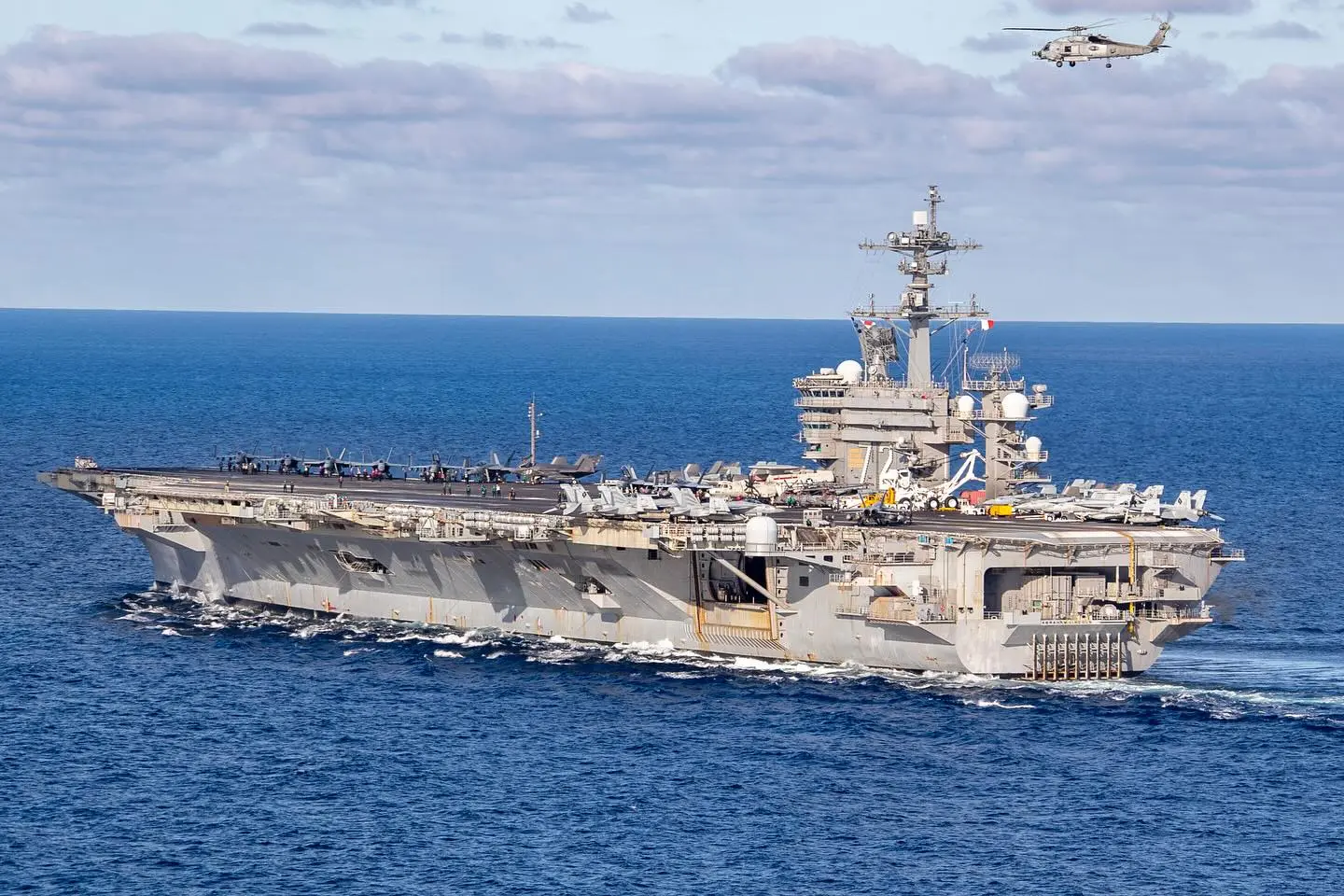
The P-25 fire vehicle
A mobile firefighting tractor called the A/S32P-25 patrols the flight deck during aircraft operations. It carries 750 gallons of water and 60 gallons of AFFF, alongside Halon 1211 extinguishers. This allows the crash and salvage team to hit burning aircraft with a high-pressure turret immediately.
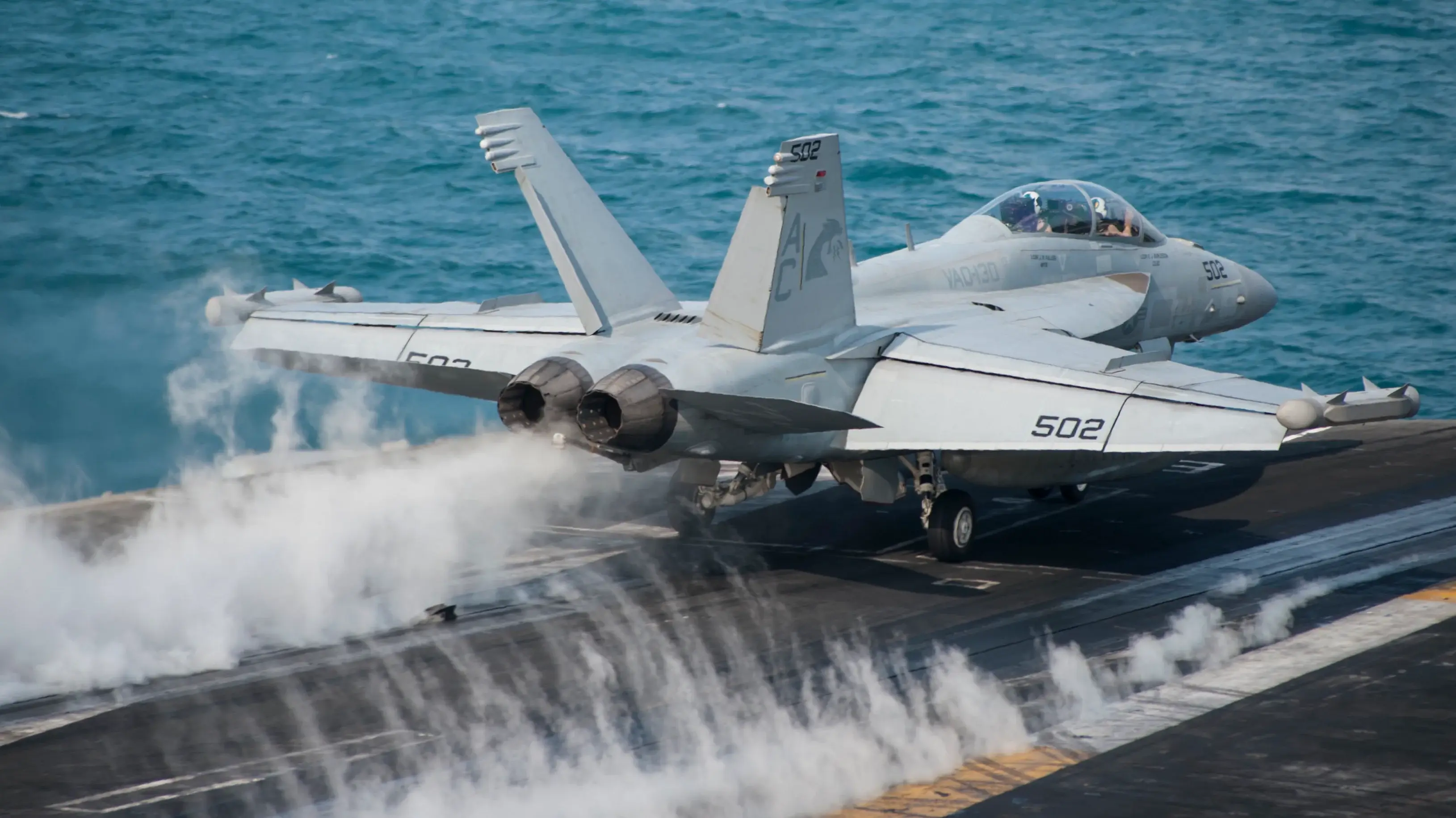
27,000-gallon deck washdown
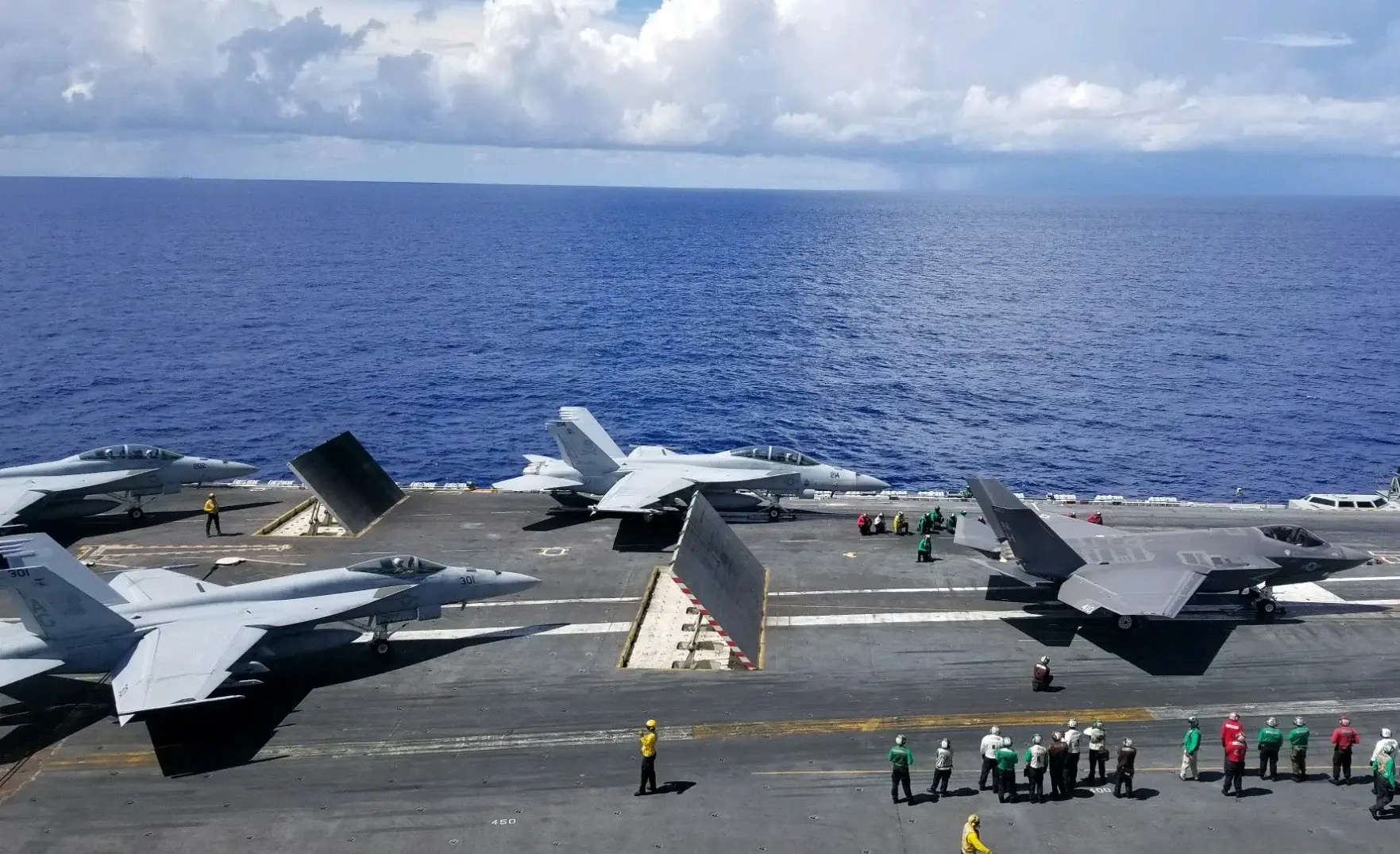
The flight deck is armed with a flush-mounted washdown system for catastrophic blazes. When activated, hundreds of nozzles can pump up to 27,000 gallons of an AFFF and water mix per minute. The system is divided into 20 zones, allowing the crew to flood specific areas rapidly.
Dual-sided hose stations
Nimitz-class carriers feature 1.5-inch and 2.5-inch hose stations positioned strategically on both the port and starboard sides. If burning aircraft block one side of the ship, sailors can safely access hoses from the opposite end. This ensures winds and extreme heat do not hinder firefighting efforts.
Three isolated hangar bays
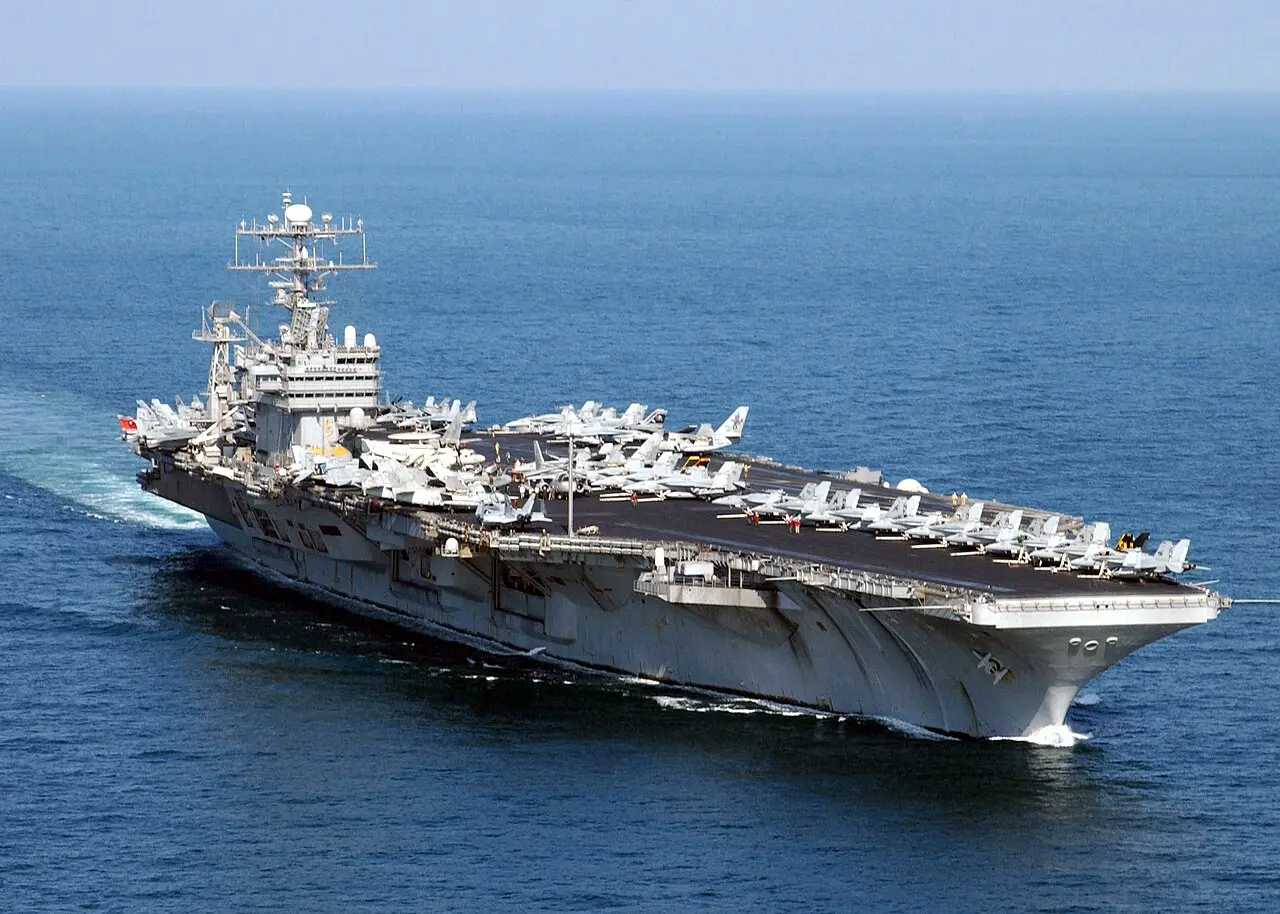
To prevent flames from spreading internally, the aircraft carrier is heavily compartmentalised. The main hangar is divided into three separate fire bays by incredibly thick steel blast doors. During an emergency, these doors seal shut to restrict the movement of toxic smoke and intense heat.
Relentless damage control drills
Sailors aboard the USS Abraham Lincoln conduct rigorous firefighting drills every week to maintain peak operational readiness. They train for mass casualties, toxic gas leaks, and severe flooding. This relentless preparation ensures the crew can contain deadly threats in challenging sea conditions.
)
)
)
)
)