'Countdown to nuclear bomb': Why Iran will now be rushing to complete its uranium enrichment after US-Israel bombings

Iran is already dangerously close to the finish line. According to a confidential February 2026 report by the International Atomic Energy Agency (IAEA), Iran possessed an estimated 440.9 kilograms of uranium enriched up to 60% purity prior to the recent military escalation.
1. The Collapse of Conventional Deterrence
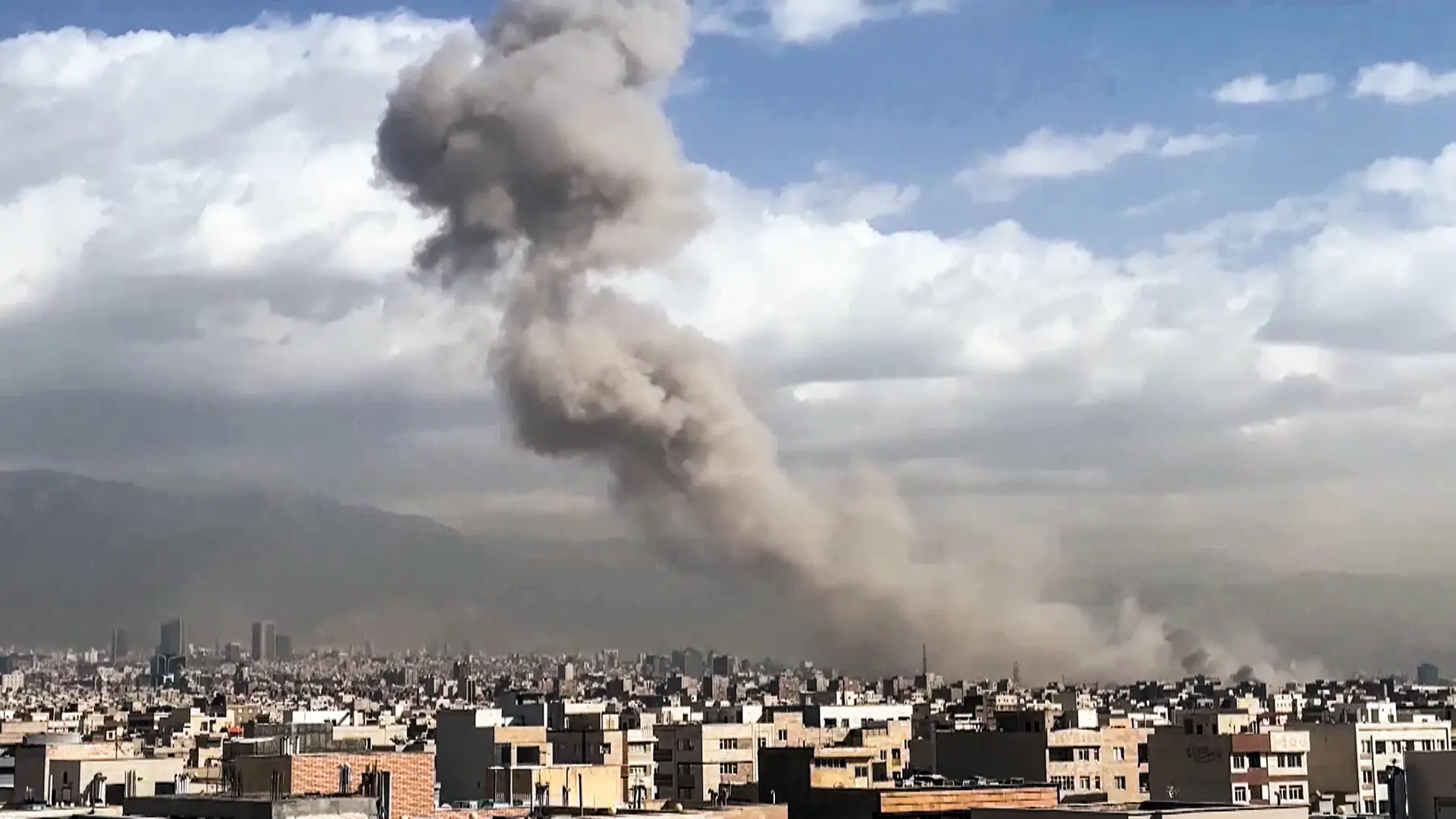
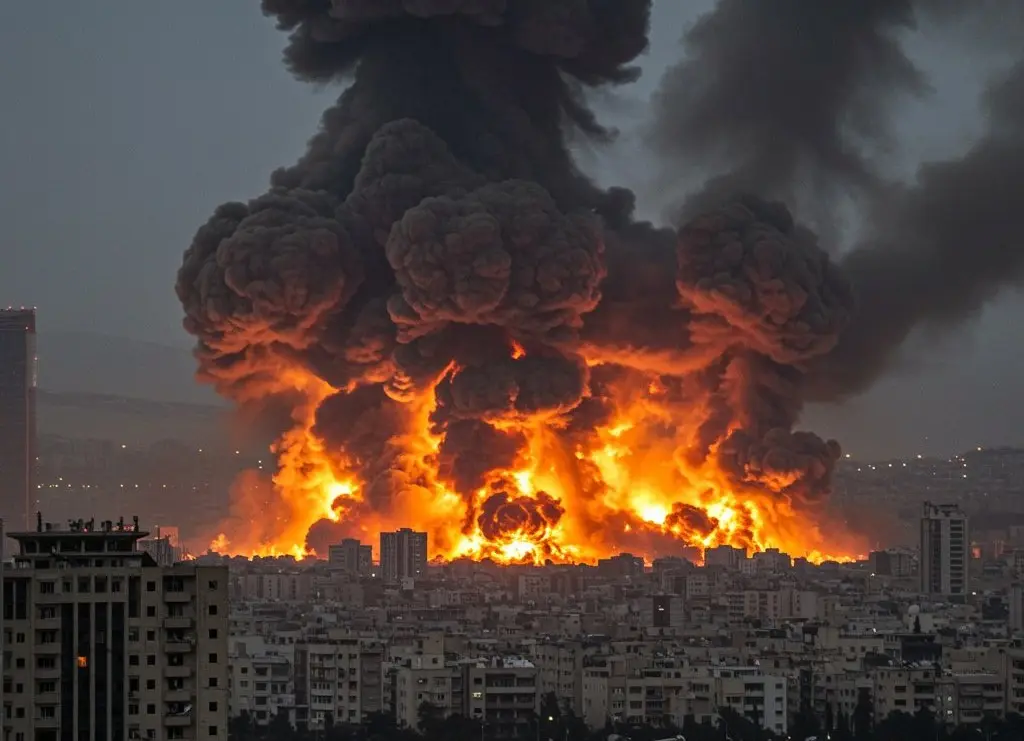
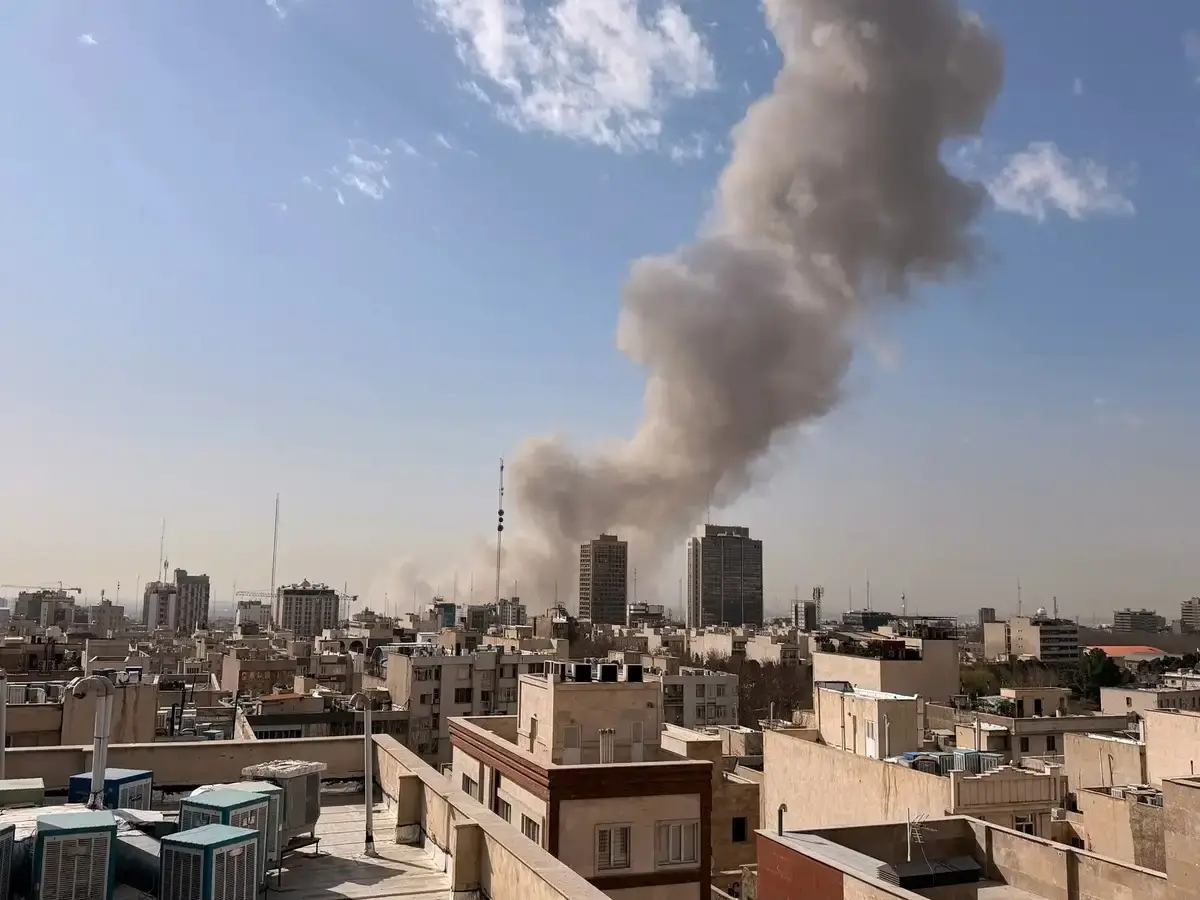
Following the devastating joint US-Israeli military strikes, Iran's conventional military infrastructure, including its ballistic missile and air defense networks, has been severely degraded. With its primary means of conventional deterrence significantly weakened, the strategic calculation for Tehran fundamentally shifts. To ensure the ultimate survival of the regime and prevent future preemptive invasions, Iranian leadership has an unprecedented incentive to cross the nuclear threshold and establish a definitive nuclear deterrent.
2. A Massive Arsenal of 60% Enriched Uranium
Iran is already dangerously close to the finish line. According to a confidential February 2026 report by the International Atomic Energy Agency (IAEA), Iran possessed an estimated 440.9 kilograms of uranium enriched up to 60% purity prior to the recent military escalation. This level of enrichment is approaching the 90% purity required for weapons-grade material. According to IAEA yardsticks, this 440.9 kg stockpile is sufficient, if enriched further, to produce nearly 10 nuclear weapons.
3. The Isfahan Tunnels Survived the Strikes
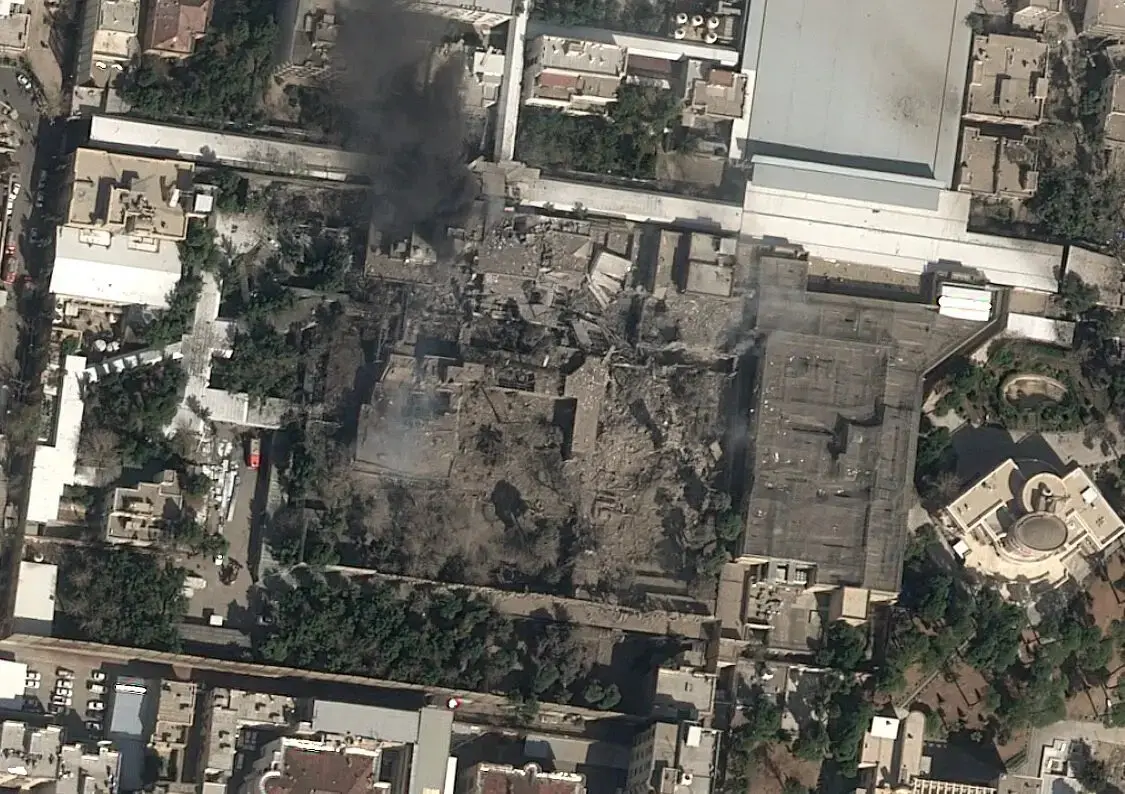
Despite the intense US-Israeli bombardment targeting Iran's nuclear infrastructure, critical stockpiles appear to have survived. The latest IAEA report confirmed that material enriched up to 20% and 60% had been stored in a heavily fortified underground tunnel complex at Isfahan. Satellite imagery observed regular vehicular activity around the entrance of this tunnel complex, which diplomats indicate averted destruction during the opening military strikes.
4. A 'Near-Zero' Breakout Timeline
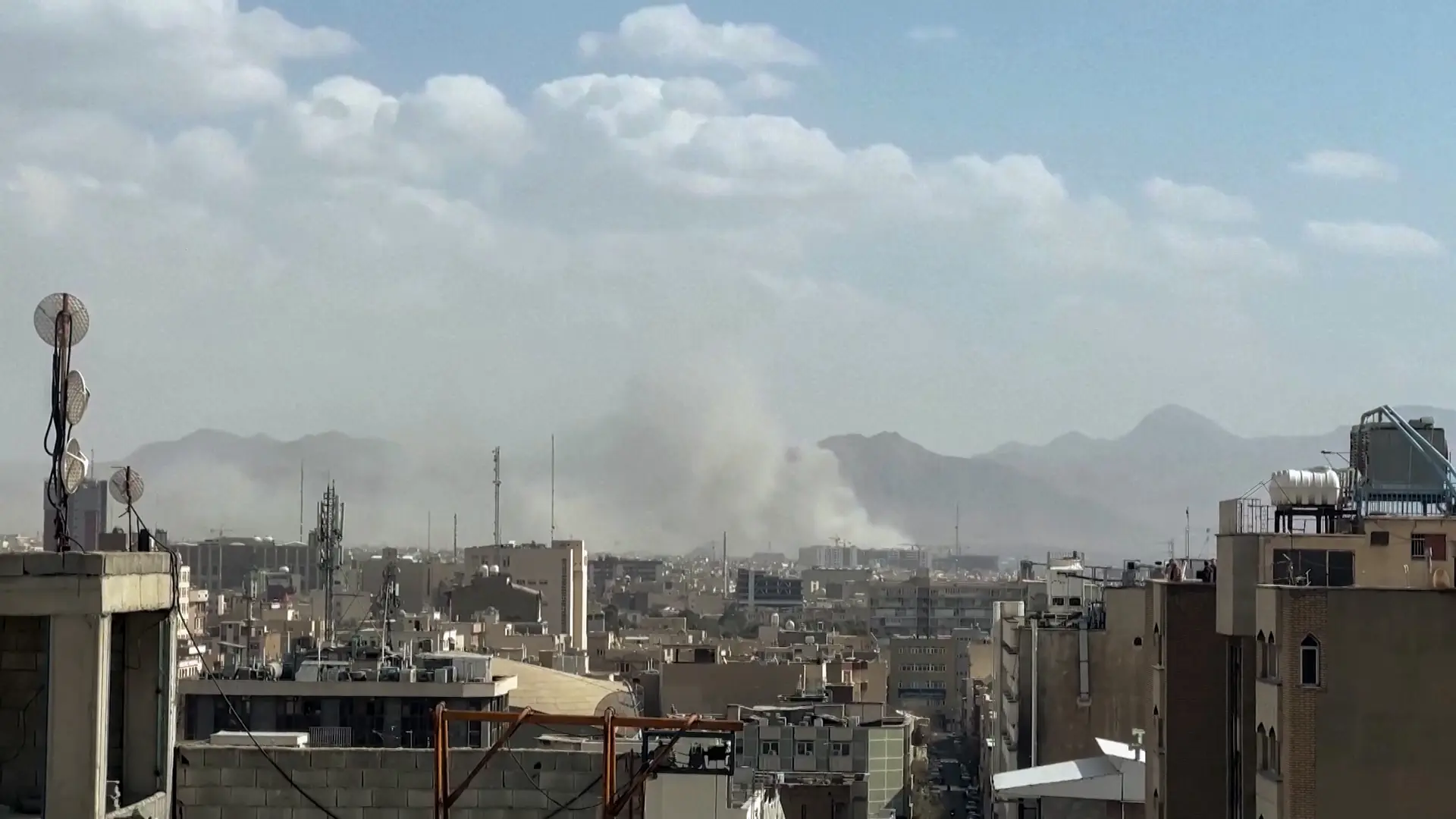
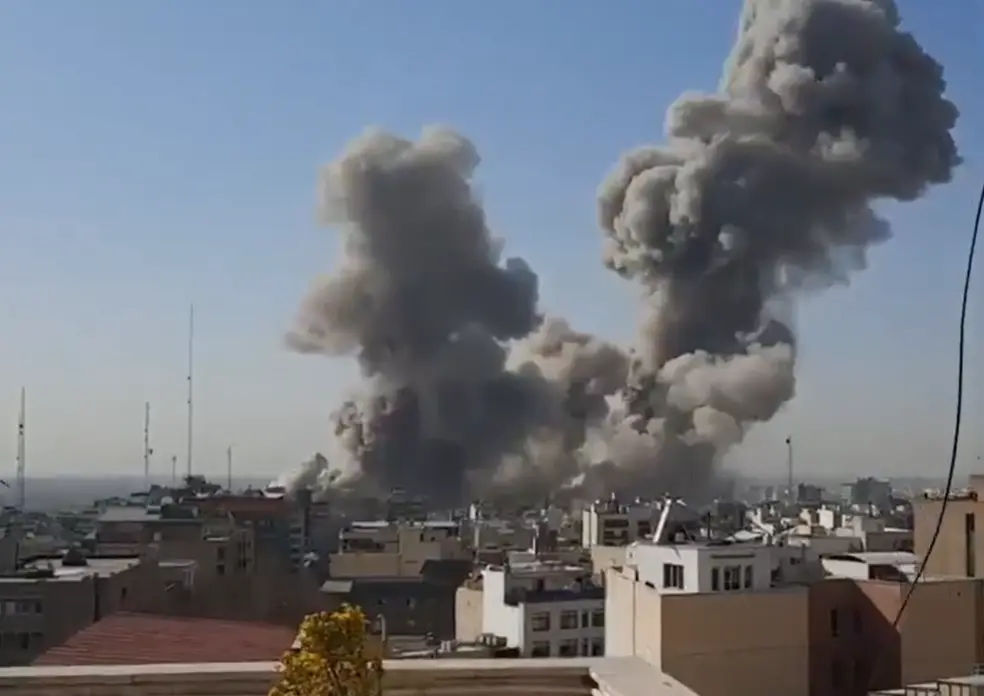
"Breakout time" refers to the time required to enrich enough fissile material for one nuclear weapon. Due to Iran's existing stockpile of 60% enriched uranium, experts estimate its nuclear breakout time is now almost zero. If Iran chooses to divert its highly enriched uranium to secret or surviving enrichment sites, it could enrich a sufficient amount to weapons-grade purity within a matter of days or weeks.
5. Advanced Centrifuges in Deep Underground Bunkers
The speed of this potential breakout is driven by Iran's deployment of advanced technology. Iran has installed thousands of advanced centrifuges, such as the IR-4 and IR-6 models, which enrich uranium at much faster rates than older generations. Many of these centrifuges are housed in deeply buried underground facilities like Fordow, which is built inside a mountain to withstand aerial bombardments. The survivability of these deep bunkers means Iran retains the mechanical capacity to quickly spin its 60% stockpile up to 90%.
6. The 'Weaponization' Gap
While Iran can produce the fissile material for a bomb almost immediately, deploying an actual nuclear weapon takes longer. “Weaponisation”, the complex engineering required to build a miniaturised, survivable nuclear warhead that can be mounted on a ballistic missile and survive atmospheric reentry, is a separate hurdle. Nuclear experts widely agree that successfully constructing a deliverable nuclear weapon would take Iran several months or even years. However, the urgency to bridge this final gap has never been higher as the regime faces existential threats.
7. The End of International Oversight
Any rush to the bomb will likely happen in the dark. The IAEA report stressed that the agency cannot verify whether Iran has suspended all enrichment-related activities, nor can it confirm the exact size of Iran's uranium stockpile at affected nuclear facilities. Following the strikes, Iran has refused to allow IAEA inspectors access to sites where enrichment took place or show what happened to its highly enriched uranium stockpile. With international monitoring effectively blinded, Iran has the cover it needs to finalize its nuclear ambitions.
)
)
)
)
)