‘Conflict more likely than settlement?’ US and Iran on brink of war as military surge crushes fragile diplomacy!

US deployments in the Middle East have expanded in recent weeks, signalling what officials describe as readiness for multiple contingencies.
A Diplomatic Window Narrows
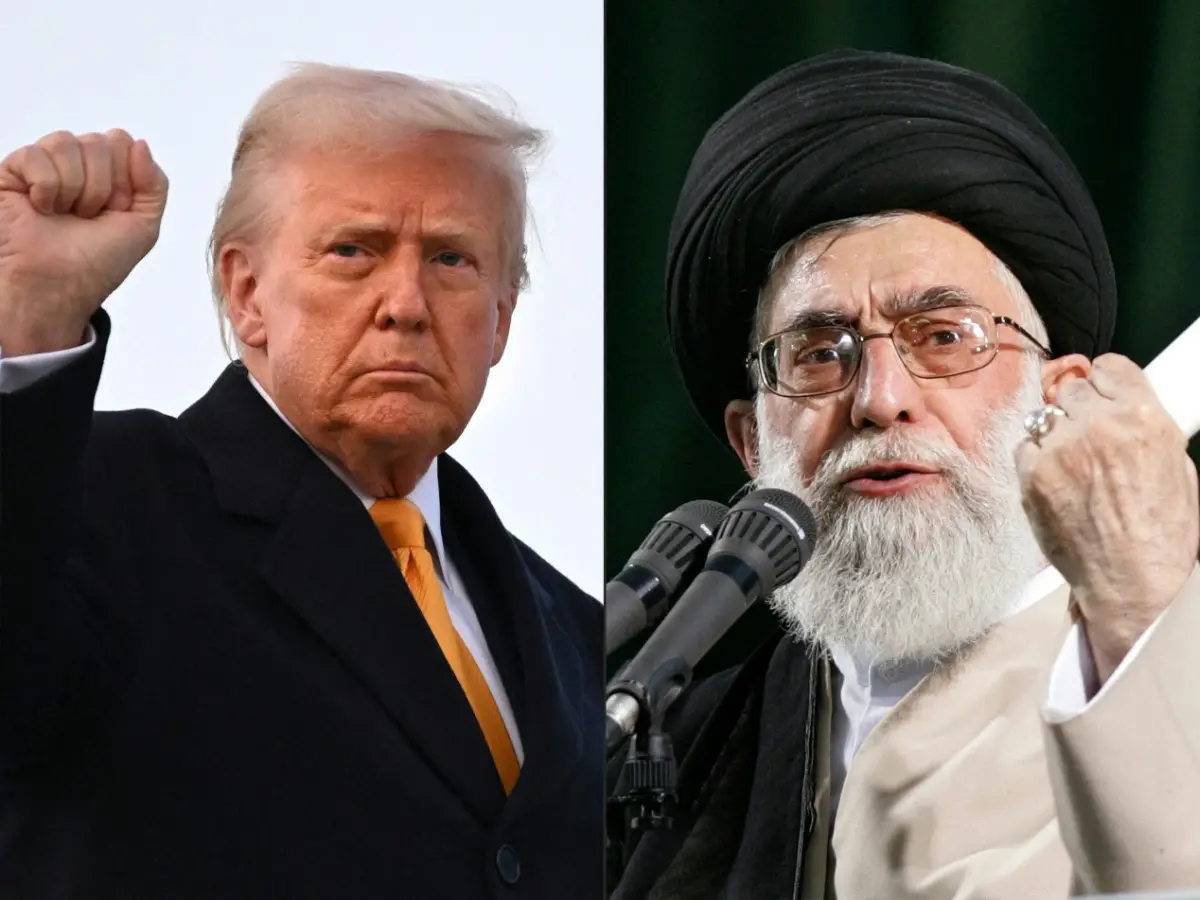
The United States and Iran appear to be edging closer to confrontation as military preparations intensify and diplomatic efforts struggle to regain traction. Multiple reports indicate that a build-up of American forces in the region has begun to eclipse talks aimed at containing Tehran’s nuclear ambitions, raising questions about whether the current trajectory favours conflict over compromise.
Military Posture Overtakes Diplomacy
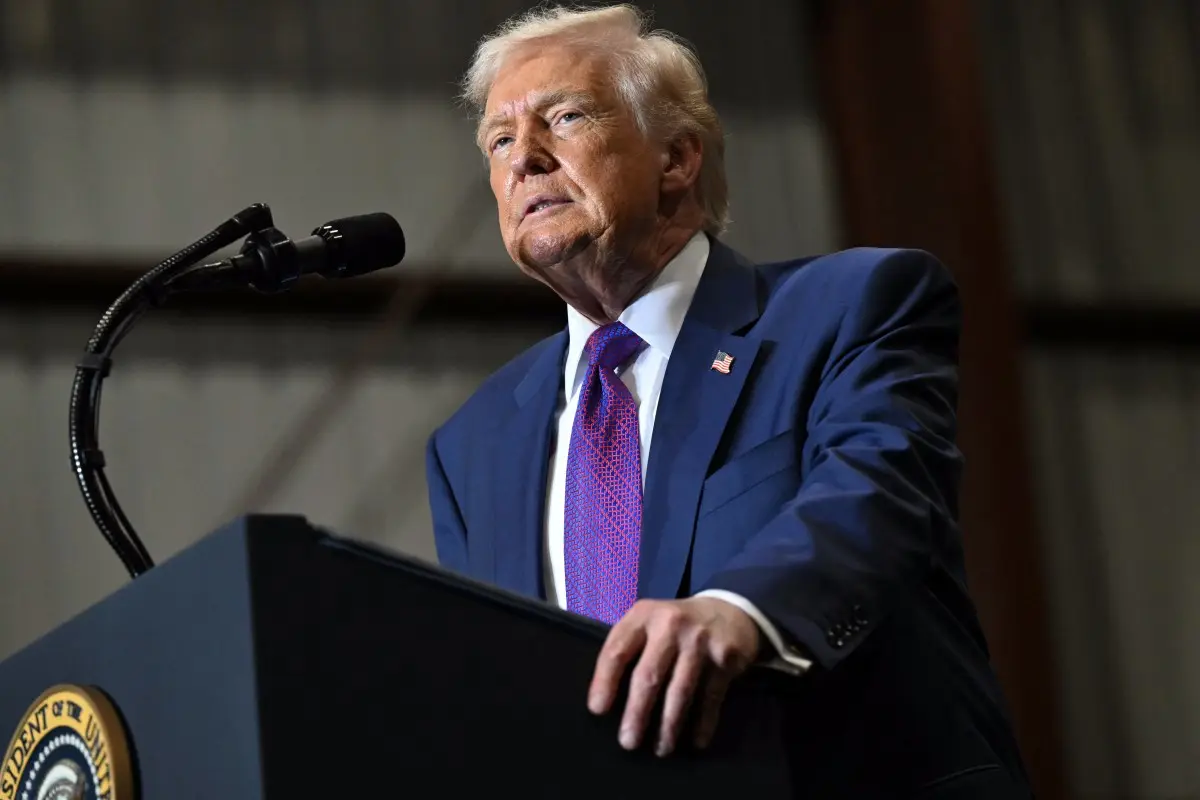
US deployments in the Middle East have expanded in recent weeks, signalling what officials describe as readiness for multiple contingencies. According to Reuters, the military surge has coincided with stalled discussions over Iran’s nuclear programme. While formal channels remain open, the balance of emphasis has shifted from negotiation to deterrence, highlighting the fragility of the diplomatic track.
A Narrow Path to a Deal
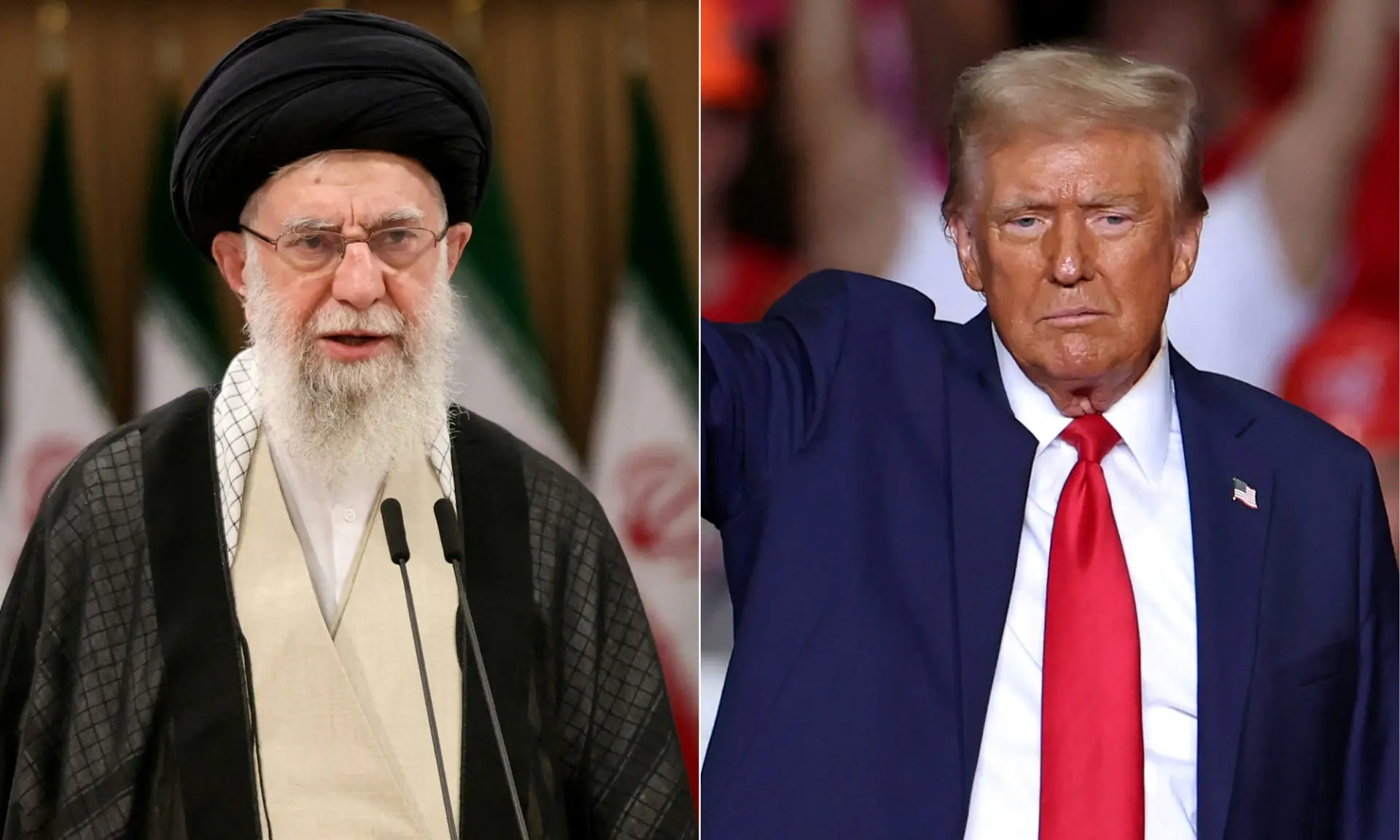
Yet the door to an agreement is not entirely closed. Axios reports that the US President Donald Trump administration is open to considering a proposal that would allow Iran to retain a 'token' enrichment capability, provided that any pathway to an atomic bomb is fully blocked. A senior US official cautioned, however, that Tehran’s expected proposal “must clear a very high bar”. “The Iranians keep missing the window,” the official said. “If they play games there won’t be a lot of patience", he added.
An Uncertain Horizon
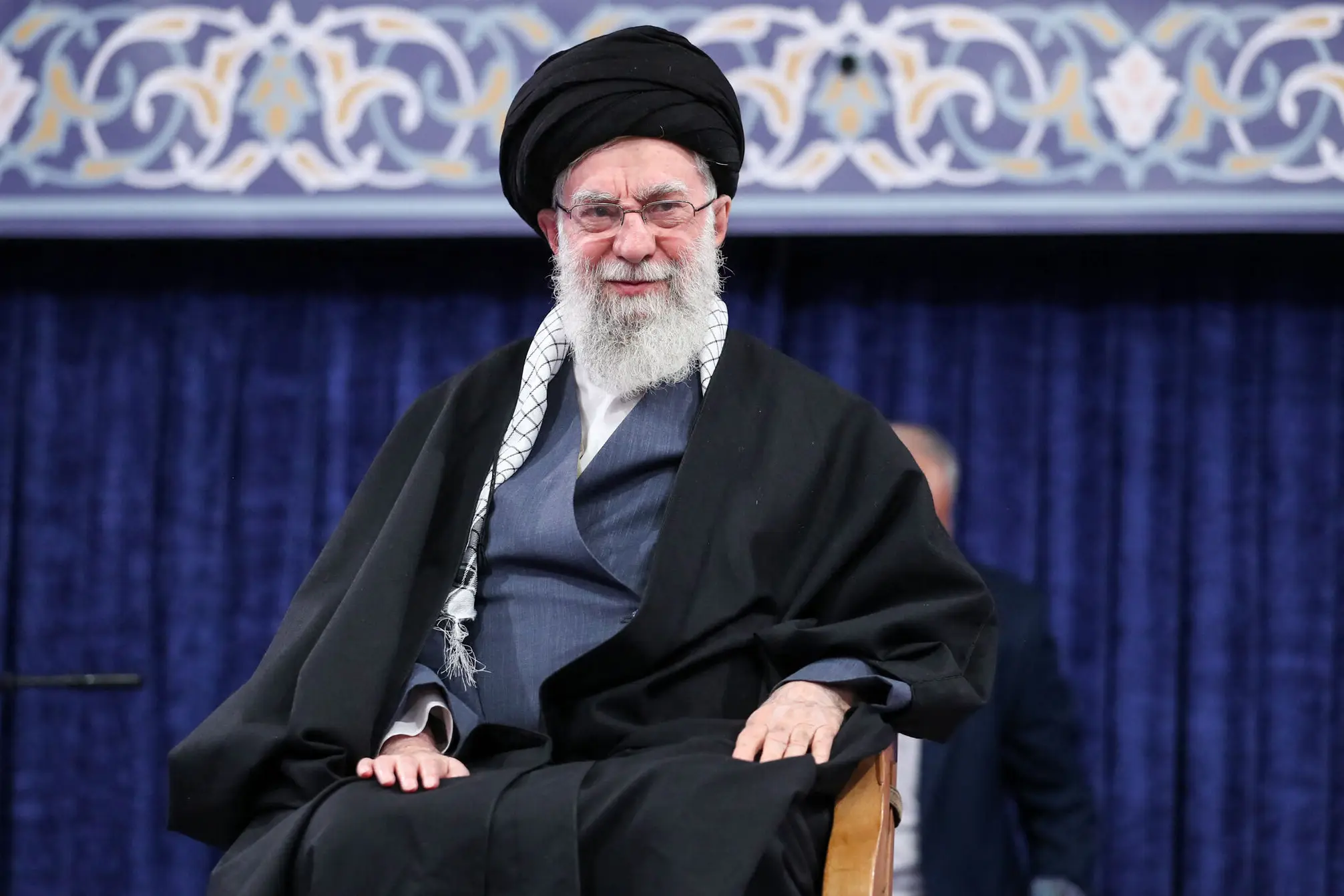
Two Israeli officials told Reuters they see the divide between Washington and Tehran as effectively irreconcilable, warning that the likelihood of military escalation in the near term is significant. Regional officials also suggest Iran may be misjudging the situation by holding out for further concessions. They argue that Donald Trump, having ordered a visible military build-up, would struggle to de-escalate without appearing to retreat unless Tehran makes a firm commitment to abandon any nuclear weapons ambition. “Both sides are sticking to their guns,” said Alan Eyre, a former US diplomat and Iran specialist, adding that nothing substantive will emerge “unless the US and Iran walk back from their red lines, which I don’t think they will.”
Options on the Table
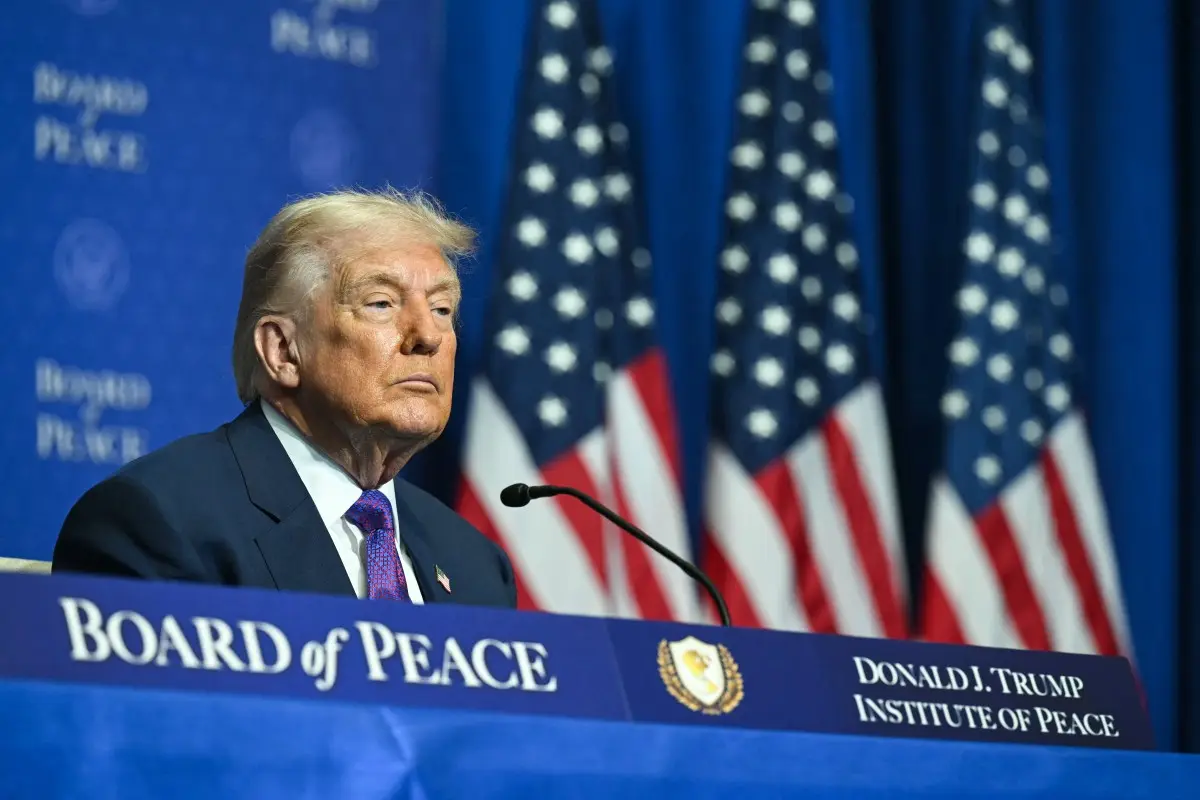
Behind the scenes, President Donald Trump has been presented with a spectrum of military options. One senior adviser told Axios: “He hasn’t decided to strike yet. I know that because we haven’t struck. He might never do it. He might wake up tomorrow and say, ‘That’s it.’” Another adviser added that planners “have something for every scenario”.
Leadership in the Crosshairs
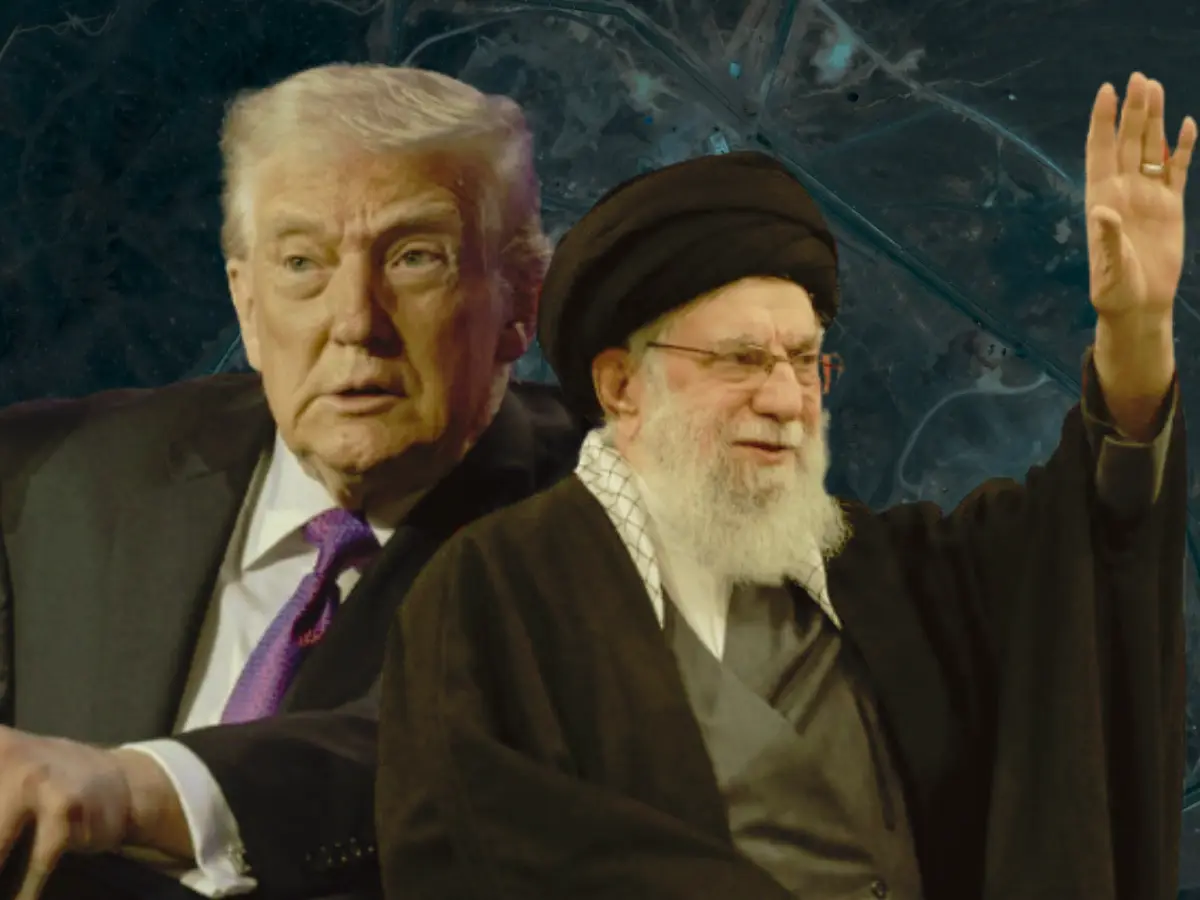
Among the scenarios discussed is the possibility of targeting Iran’s supreme leadership. “One scenario takes out the ayatollah and his son and the mullahs,” the adviser elaborated, referring to Supreme Leader Ali Khamenei and his son Mojtaba. “What the president chooses no one knows. I don’t think he knows.”
Stalled Talks
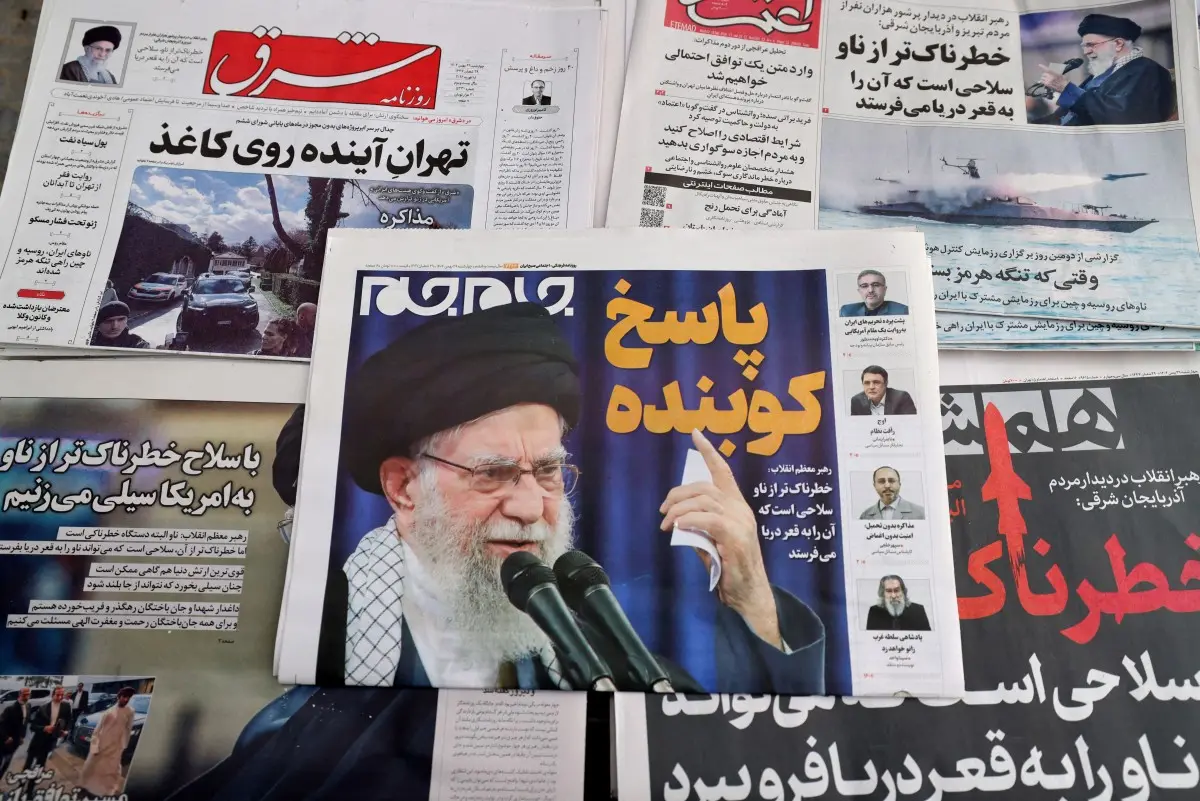
Two rounds of indirect talks between the United States and Iran have stalled over core disputes, including uranium enrichment, ballistic missiles and sanctions relief. A US official said Tehran is expected to submit a written proposal in the coming days, while Foreign Minister Abbas Araqchi said he anticipated presenting a draft counterproposal shortly. Trump, who has deployed aircraft carriers, warships and jets to the region, had earlier warned that Iran must strike a deal or “really bad things” would happen.
)
)
)
)
)