‘Concrete penetrators’: How bunker buster bombs destroy underground targets

Concrete penetrator bombs destroy underground targets using extreme kinetic energy, hardened steel casings and delayed-action fuzes. Weapons like the GBU-28 and GBU-57 penetrate deep into concrete or rock before detonating, collapsing bunkers and buried military facilities from within.
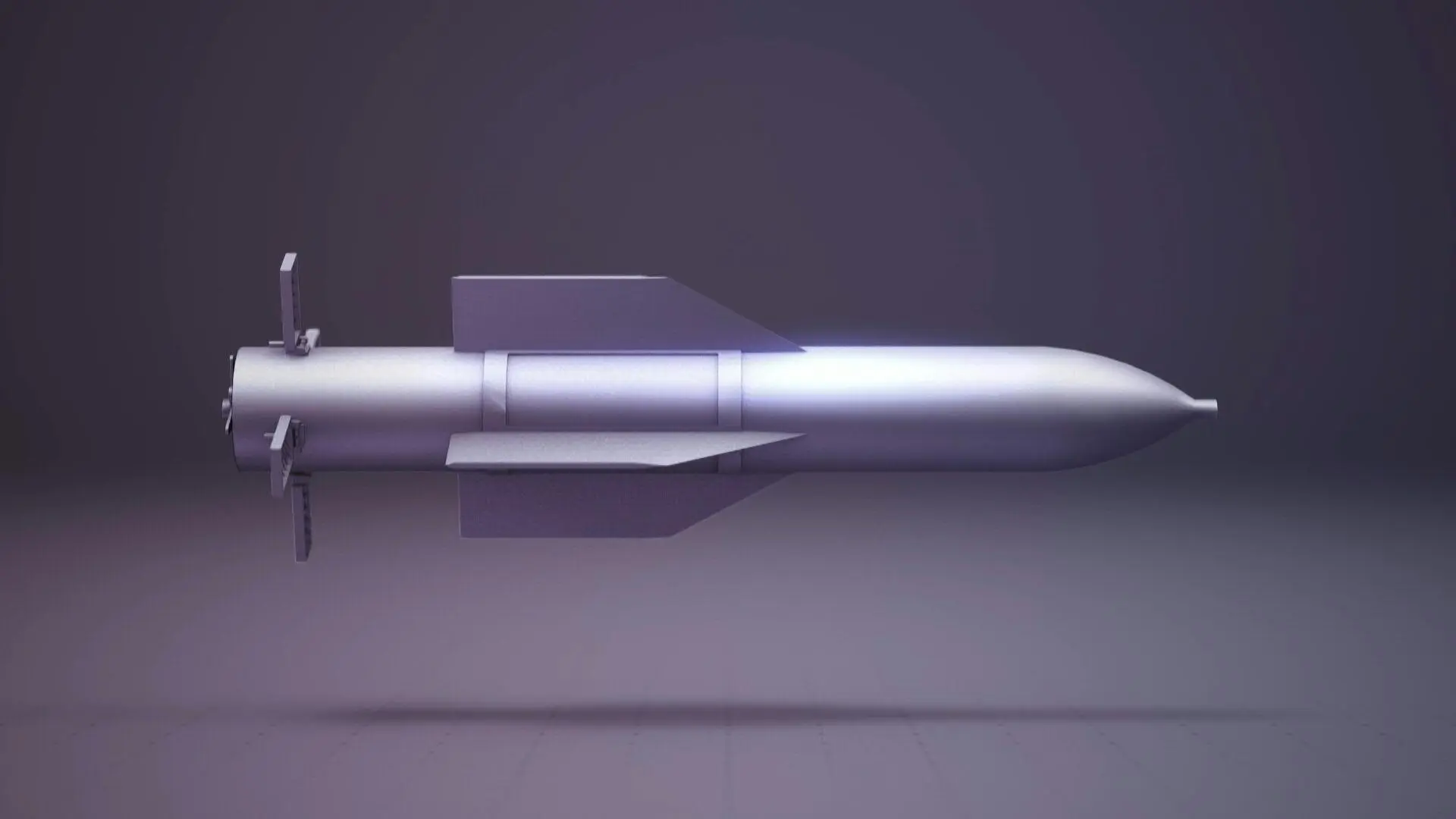
GBU-28 Design - Forged Steel Penetrator Development
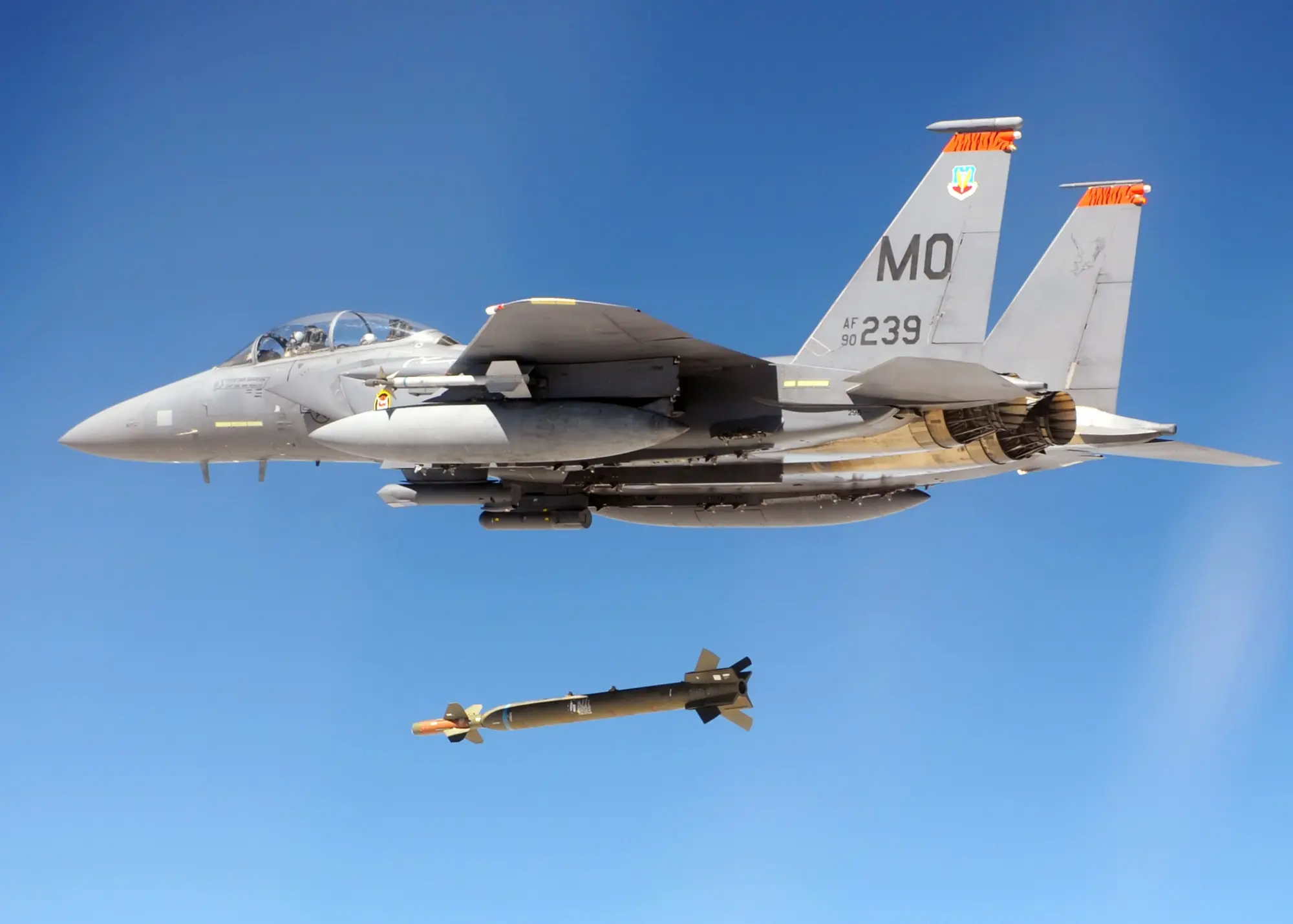
GBU-28 designed manufactured and deployed in 28 days during Operation Desert Storm 1991 weighing 4,700 to 5,000 pounds with one-inch thick hardened steel casing. Laser-guided bomb penetrates up to 20 feet reinforced concrete or over 160 feet earth before detonating through delayed-action fuze. Originally constructed using old eight-inch artillery barrels housing 293 kilograms high explosive payload.
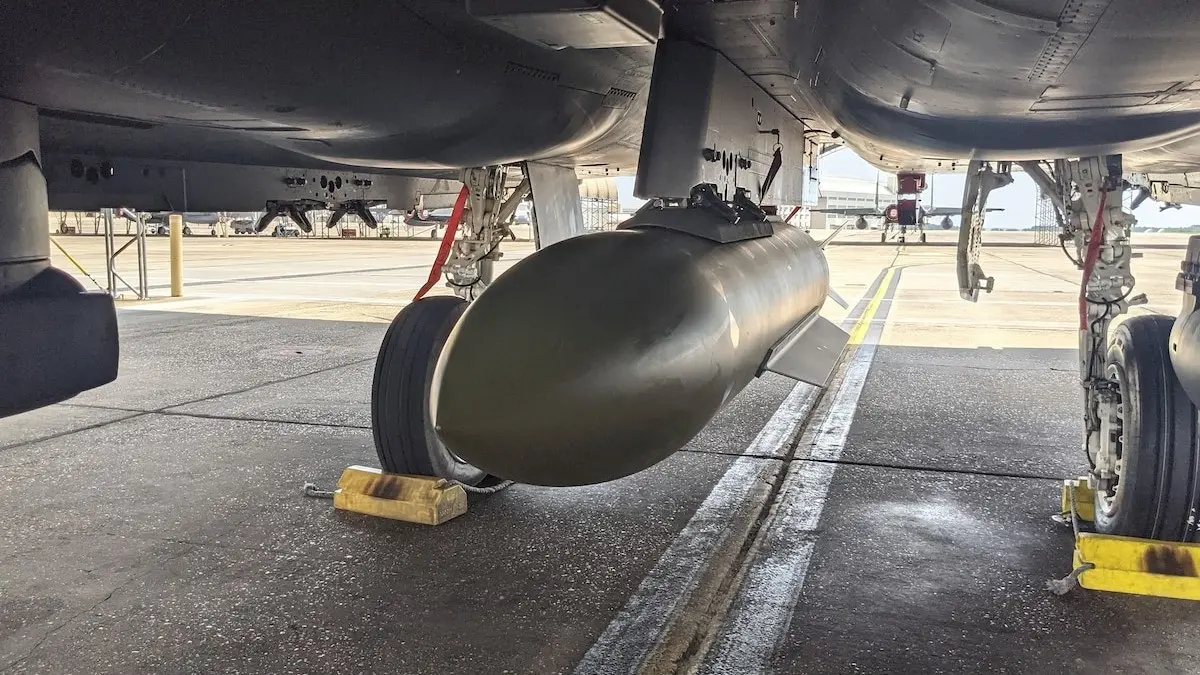
Penetration Mechanics
Bunker buster bombs rely on massive weight generating kinetic energy during fall converting potential energy into penetration force through impact velocity and hardened steel casings. Specialized steel alloy design enables weapon to drill through underground structures without detonating until reaching optimal burial depth. Impact force exceeds 200,000 pounds per square inch concentrating energy at penetration point fracturing concrete and rock.
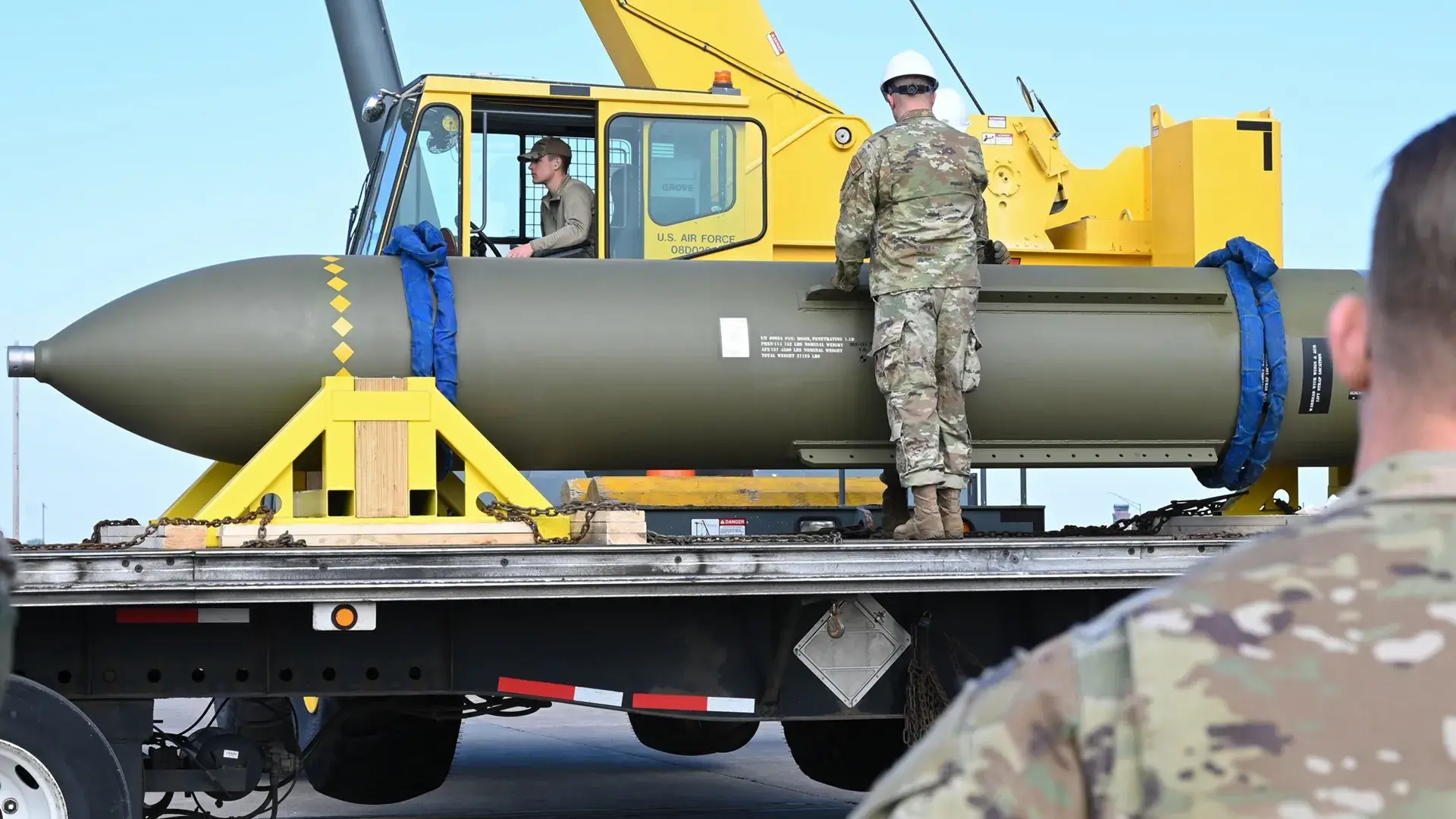
GBU-57 MOP - 30,000-Pound Massive Ordnance Penetrator
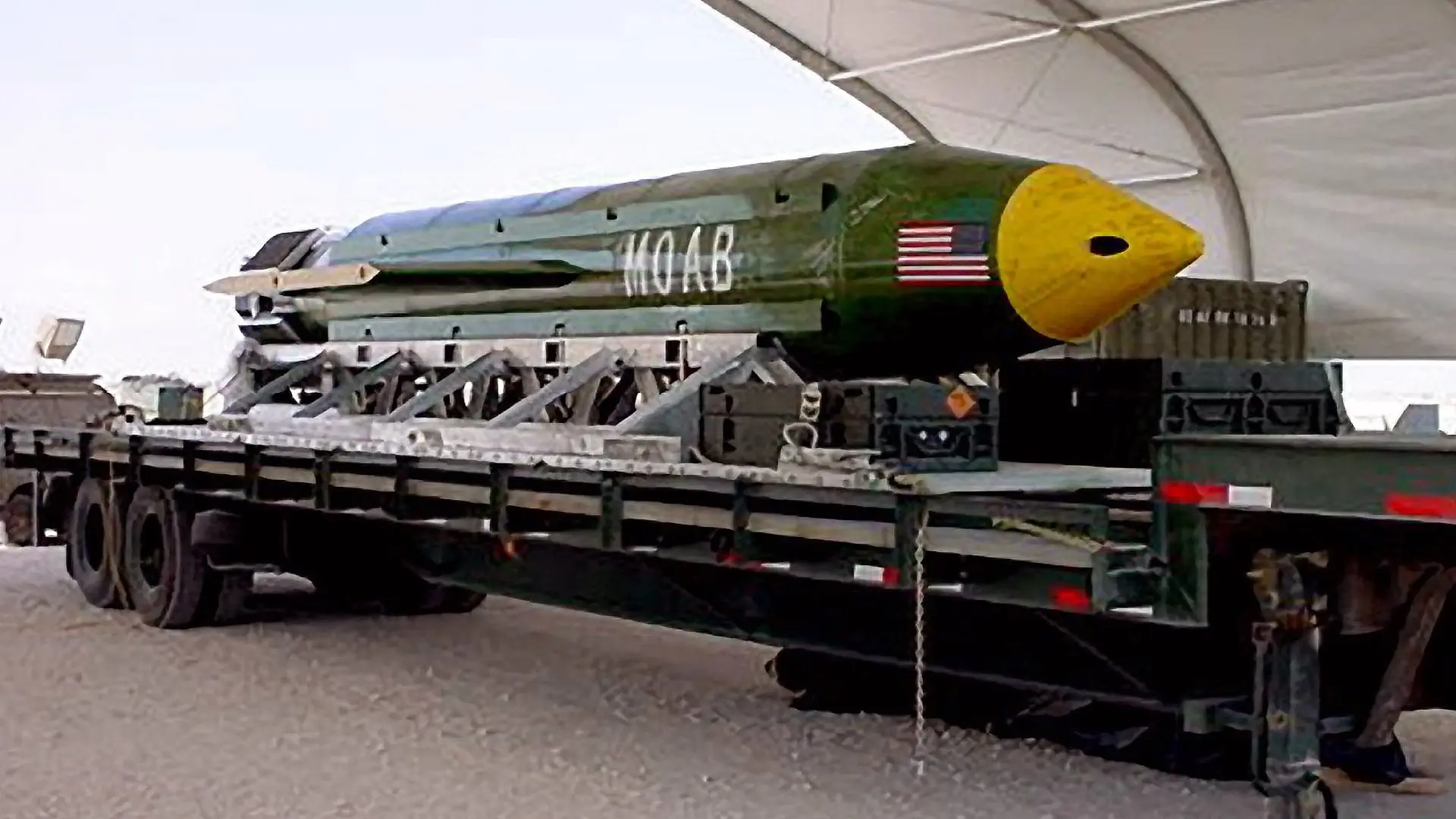
GBU-57 Massive Ordnance Penetrator weighs 30,000 pounds carrying 5,000-pound warhead with capability penetrating 200 feet earth or 60 feet reinforced concrete before explosion. GPS and inertial navigation systems guide weapon with precision enabling strike against hardened deeply buried targets underground nuclear facilities. Deployed first June 2025 against Iranian uranium enrichment sites demonstrating operational effectiveness.
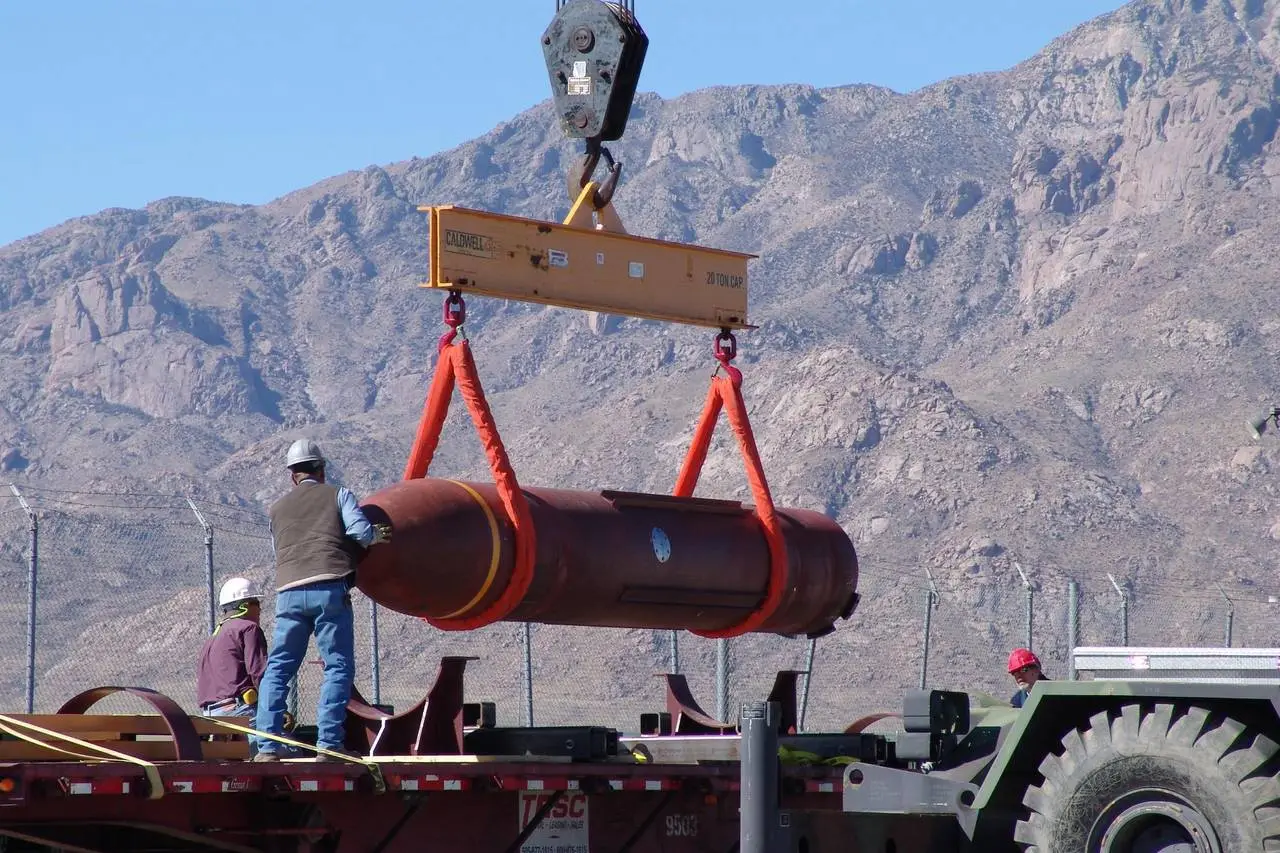
Guidance Systems - GPS INS and Laser Direction
Modern bunker busters combine GPS inertial navigation systems and laser guidance enabling pinpoint accuracy even in adverse combat conditions and underground detection difficulty. Four active lattice fins enable controlled glide path toward target without thruster propulsion relying purely on gravity and guidance precision. Laser-guided versions require target illumination by forward air controller or allied forces on ground.
Delayed-Action Fuzes - Timing Optimal Detonation Depth
Delayed-action fuses detonate warhead only after penetrator buries itself at optimal depth maximizing destruction within underground facility rather than surface explosion reducing effectiveness. Impact sensor measures deceleration determining exact moment warhead triggers. Delayed detonation enables pressure wave travelling through surrounding concrete and rock destroying multiple facility levels simultaneously.
Tonopah Test Range
GBU-28 underwent testing at Tonopah Test Range 1991 demonstrating penetration through 22 feet reinforced concrete whilst retaining significant kinetic energy for deep underground detonation. Test drop in Nevada desert buried bomb over 100 feet underground at supersonic impact speed. Performance testing confirmed effectiveness against hardened Iraqi command bunkers validating design during Desert Storm operations.
Future Limitations and Deeper Bunker
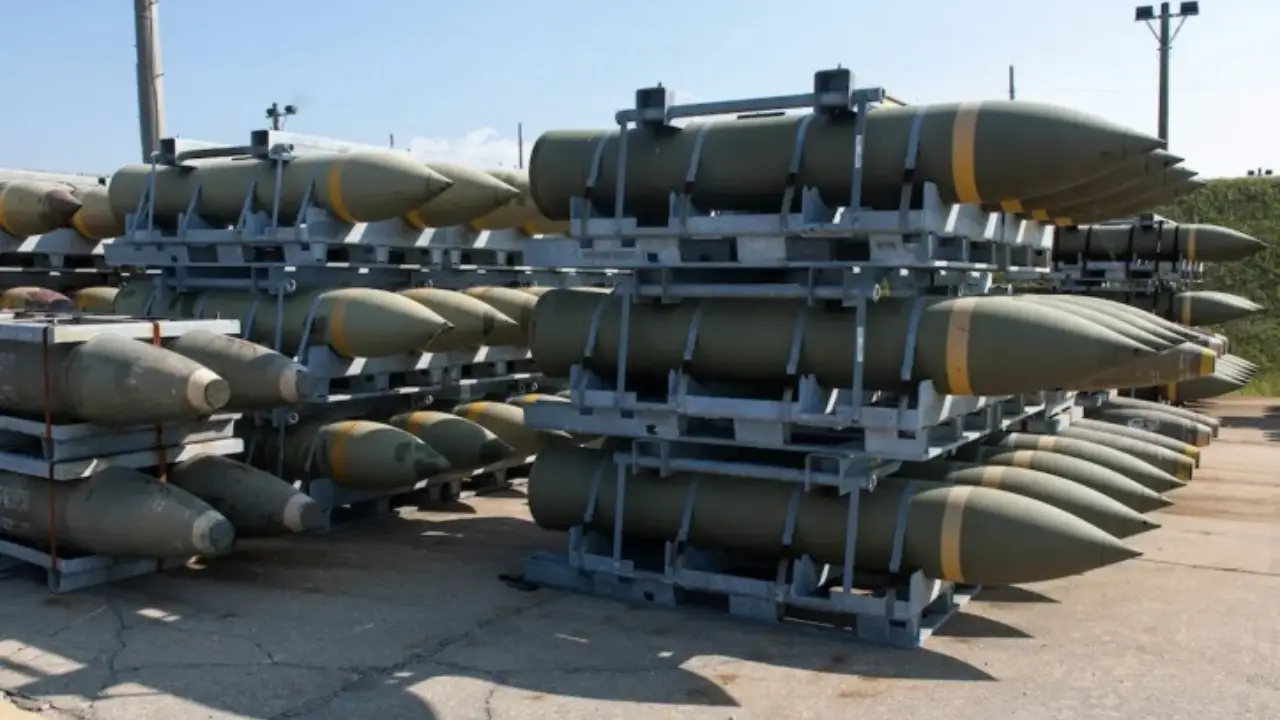
Increasingly advanced bunker construction techniques using high-strength concrete exceeding 30,000 psi and deep underground chamber architecture reduce bunker buster effectiveness requiring continuous weapon development. Deeper tunnels dug with modern equipment can reach 1,000 feet depth making complete destruction essentially impossible through conventional penetrators. Arms race between bunker construction depth and penetrating weapon capability continues shaping underground facility design strategies.
)
)
)
)
)