'Codename Ospreys': Inside Indian Navy's 'Romeo' helicopters built by Lockheed Martin's subsidiary

The induction of the "Ospreys" is a strategic counter-move. The report highlights that these helicopters significantly elevate the Navy's capacity to counter emerging threats, specifically amid "heightened Chinese naval activity in the Indian Ocean Region."
1. The "Ospreys" Take Flight in Goa
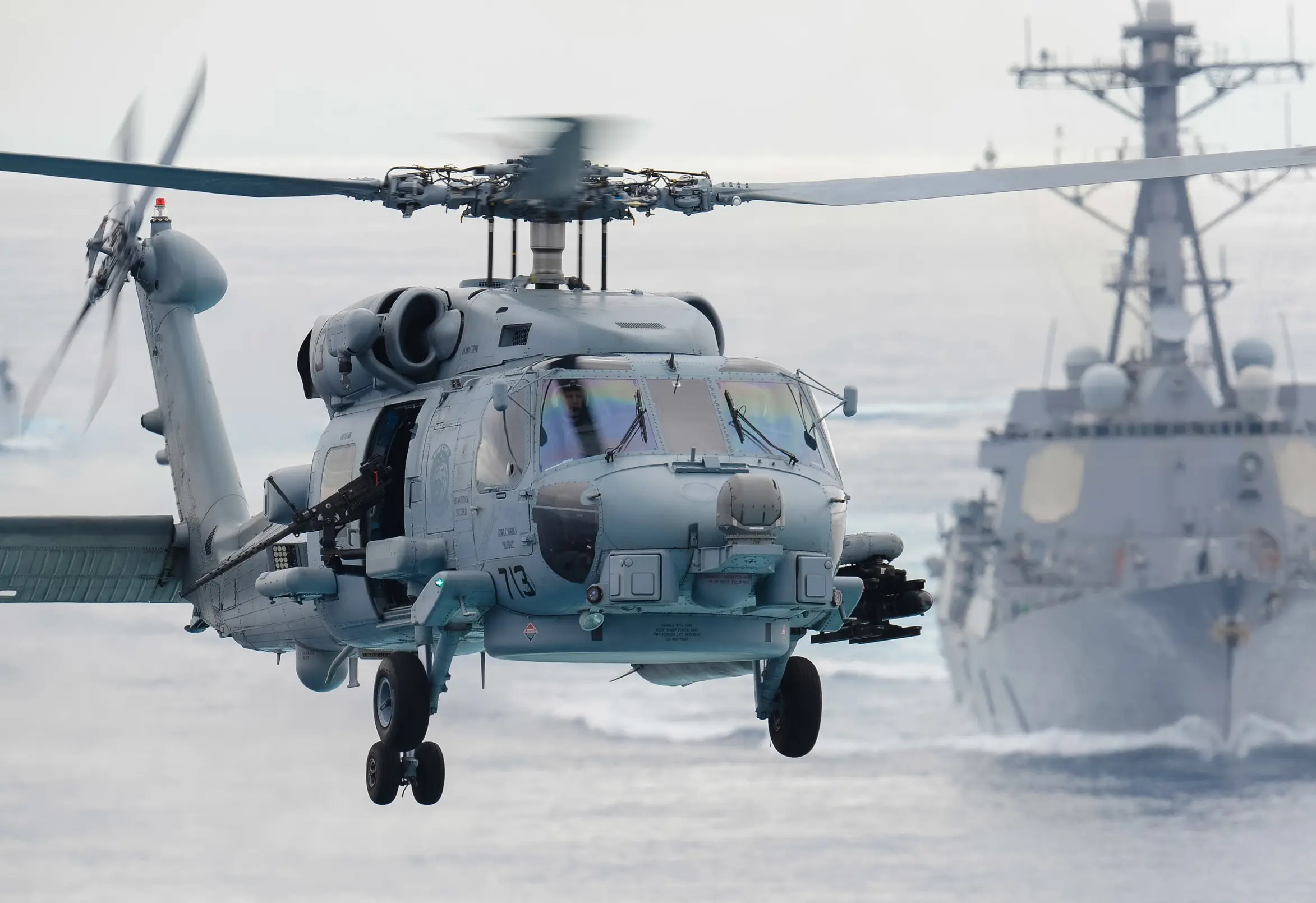
According to an ANI report, the Indian Navy has officially commissioned INAS 335, its second squadron of MH-60R "Seahawk" helicopters, at INS Hansa in Goa. Codenamed the “Ospreys” after the bird of prey renowned for hunting fish, this squadron marks a pivotal expansion of the Navy’s aviation arm on the Western Seaboard. The commissioning was presided over by Chief of Naval Staff Admiral Dinesh K Tripathi.
2. Why "Ospreys"? The Predator Identity
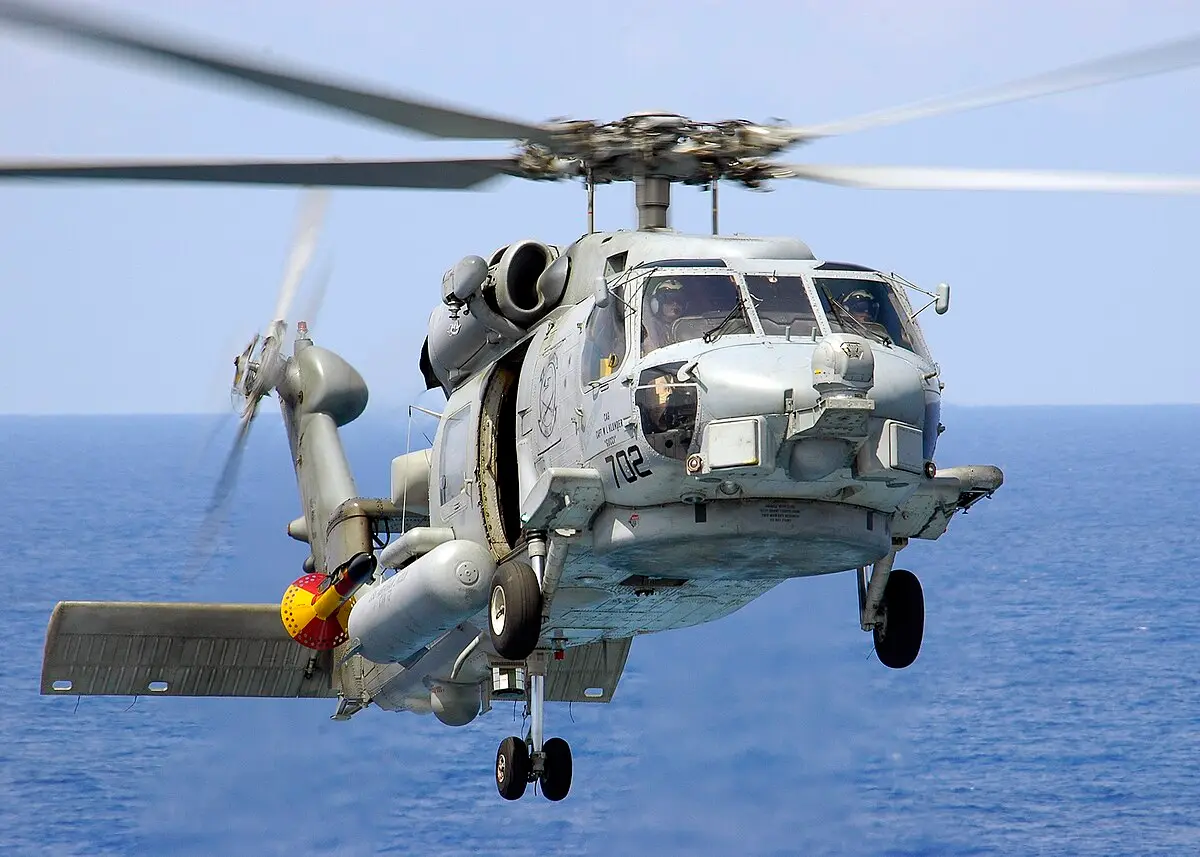
The choice of the codename "Ospreys" is deliberate. Just as the osprey is a master raptor that dives into waters to snatch its prey, INAS 335 is tasked with hunting threats beneath the waves. The squadron symbolises the Navy's sharpened focus on Anti-Submarine Warfare (ASW), designed to detect, track, and neutralise enemy submarines lurking in Indian waters.
3. The "Romeo" Firepower
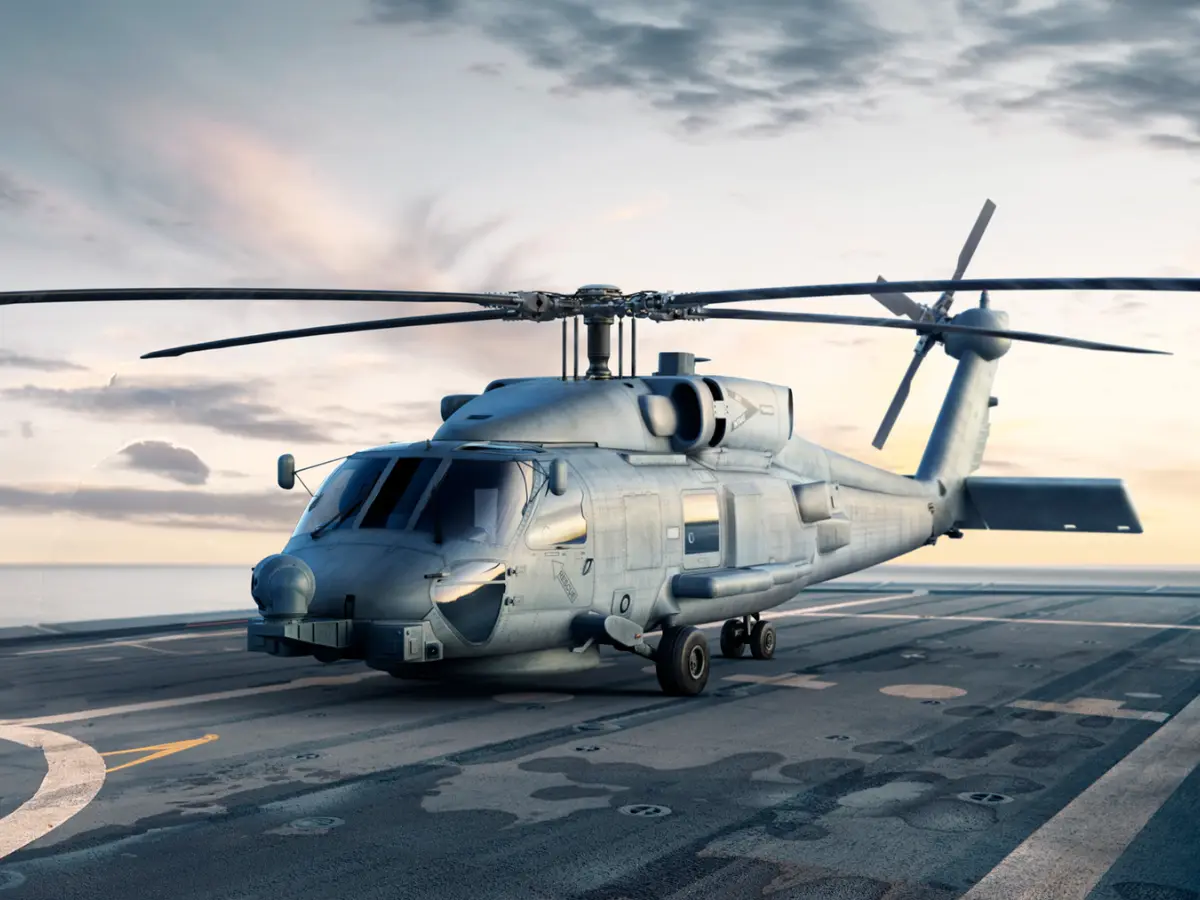
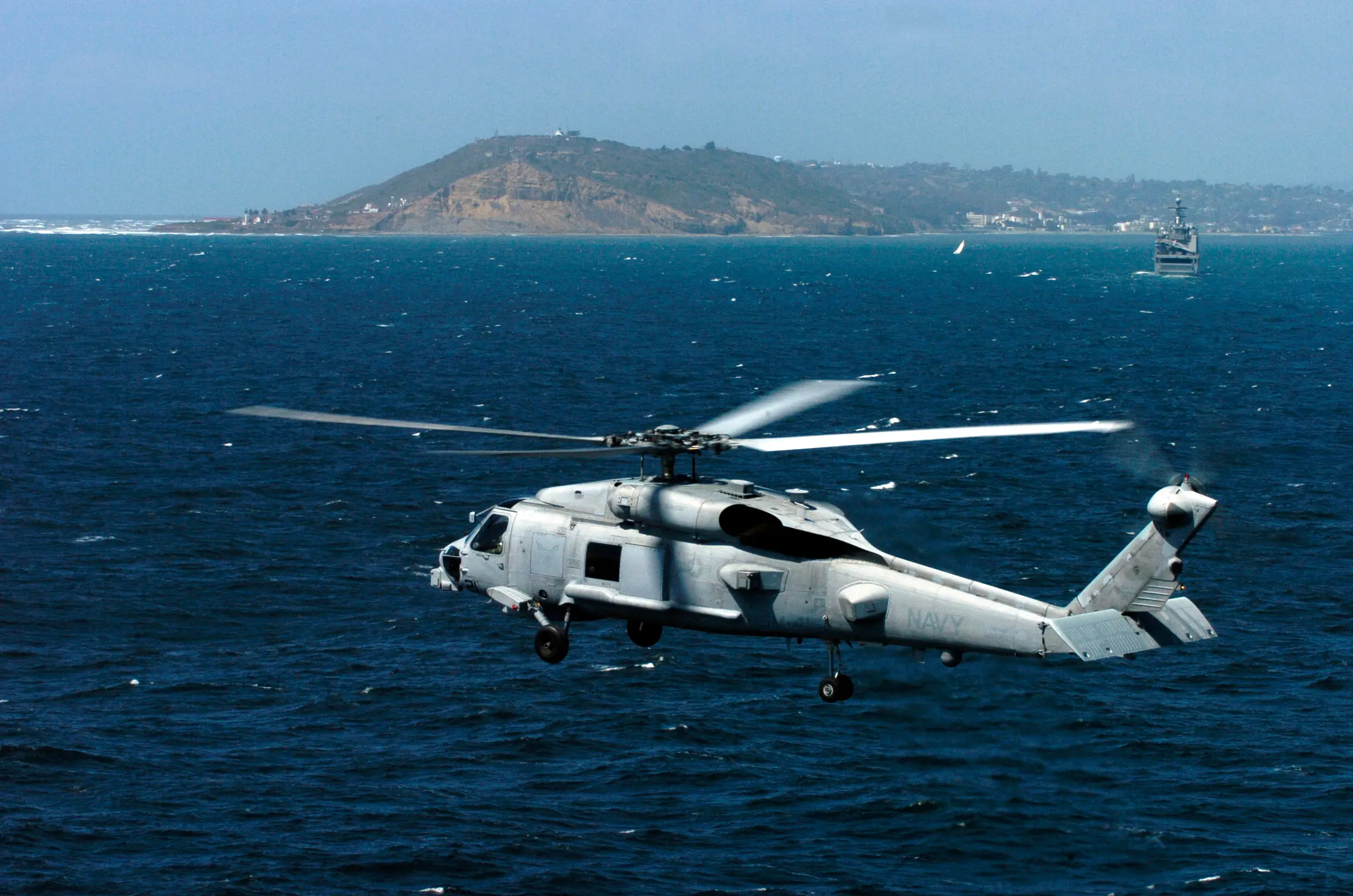
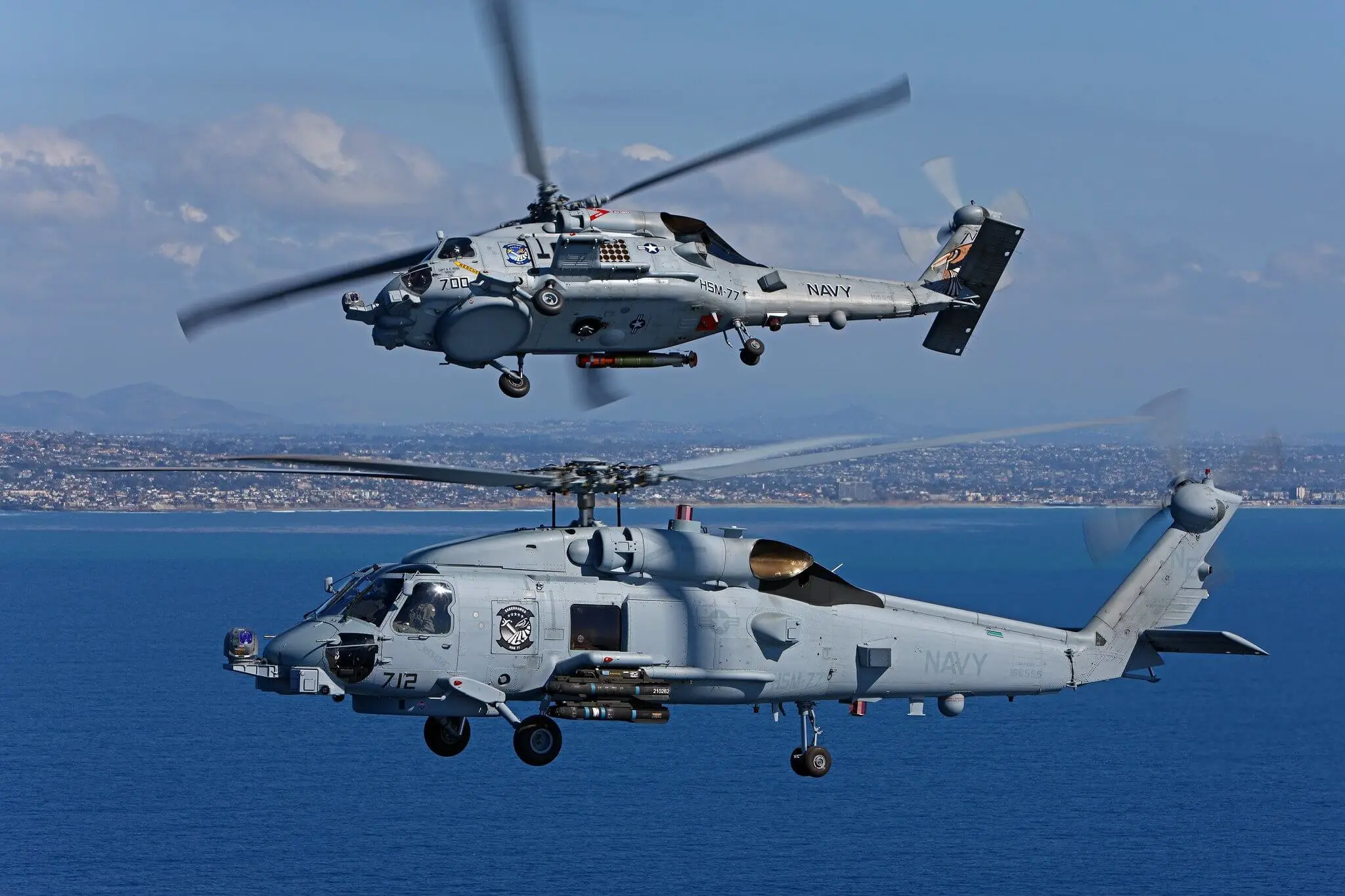
The squadron operates the MH-60R, popularly known as the "Romeo." These are not standard transport choppers; they are arguably the most advanced maritime helicopters in the world.
- The Arsenal: They come armed with Hellfire missiles (for surface targets), MK-54 torpedoes (for submarines), and precision-kill rocket systems.
- The Tech: Equipped with multi-mode radar and night-vision capabilities, they excel in all-weather, day-and-night operations.
4. A Shield Against the "Dragon"
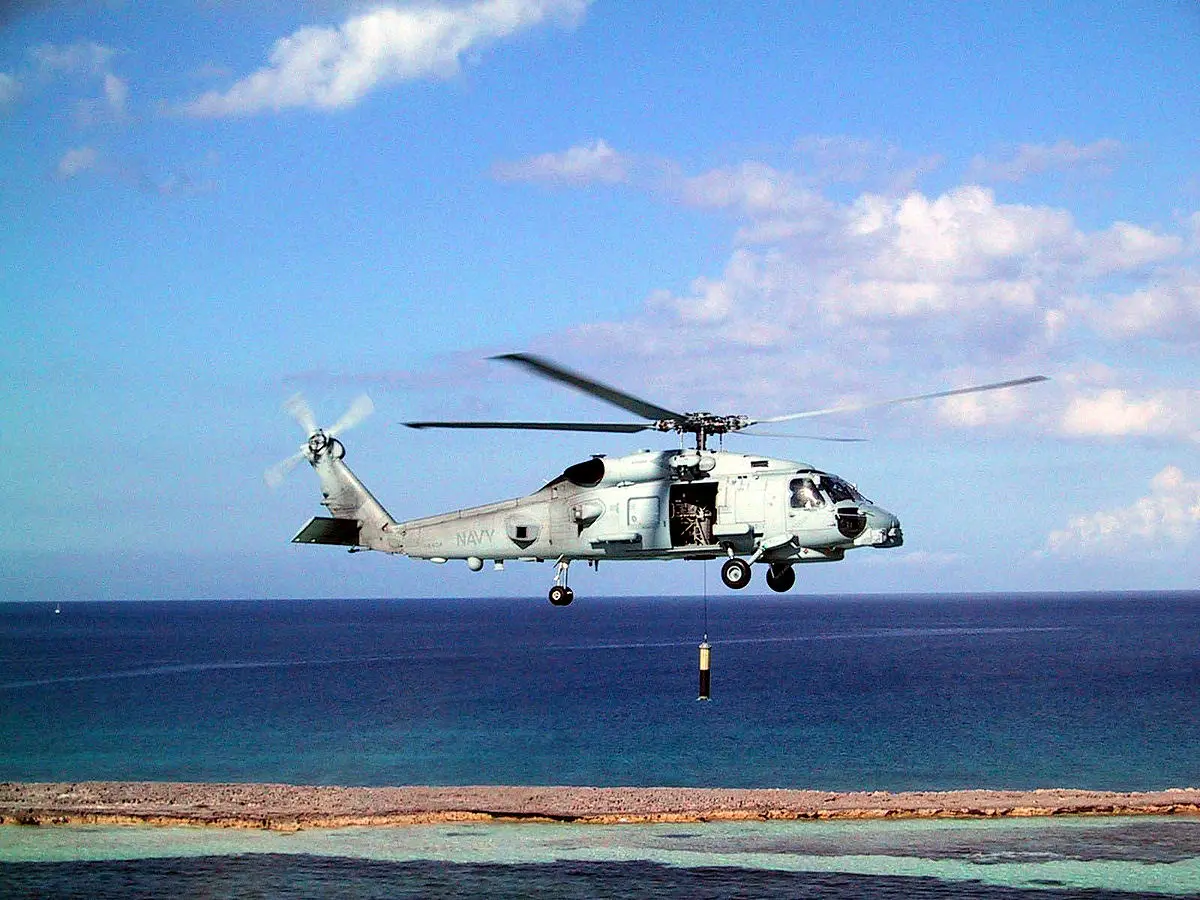
The induction of the "Ospreys" is a strategic counter-move. The report highlights that these helicopters significantly elevate the Navy's capacity to counter emerging threats, specifically amid "heightened Chinese naval activity in the Indian Ocean Region." The "Romeos" act as the eyes and ears of the fleet, extending the surveillance range of Indian warships far beyond the horizon.
5. More Than Just Combat
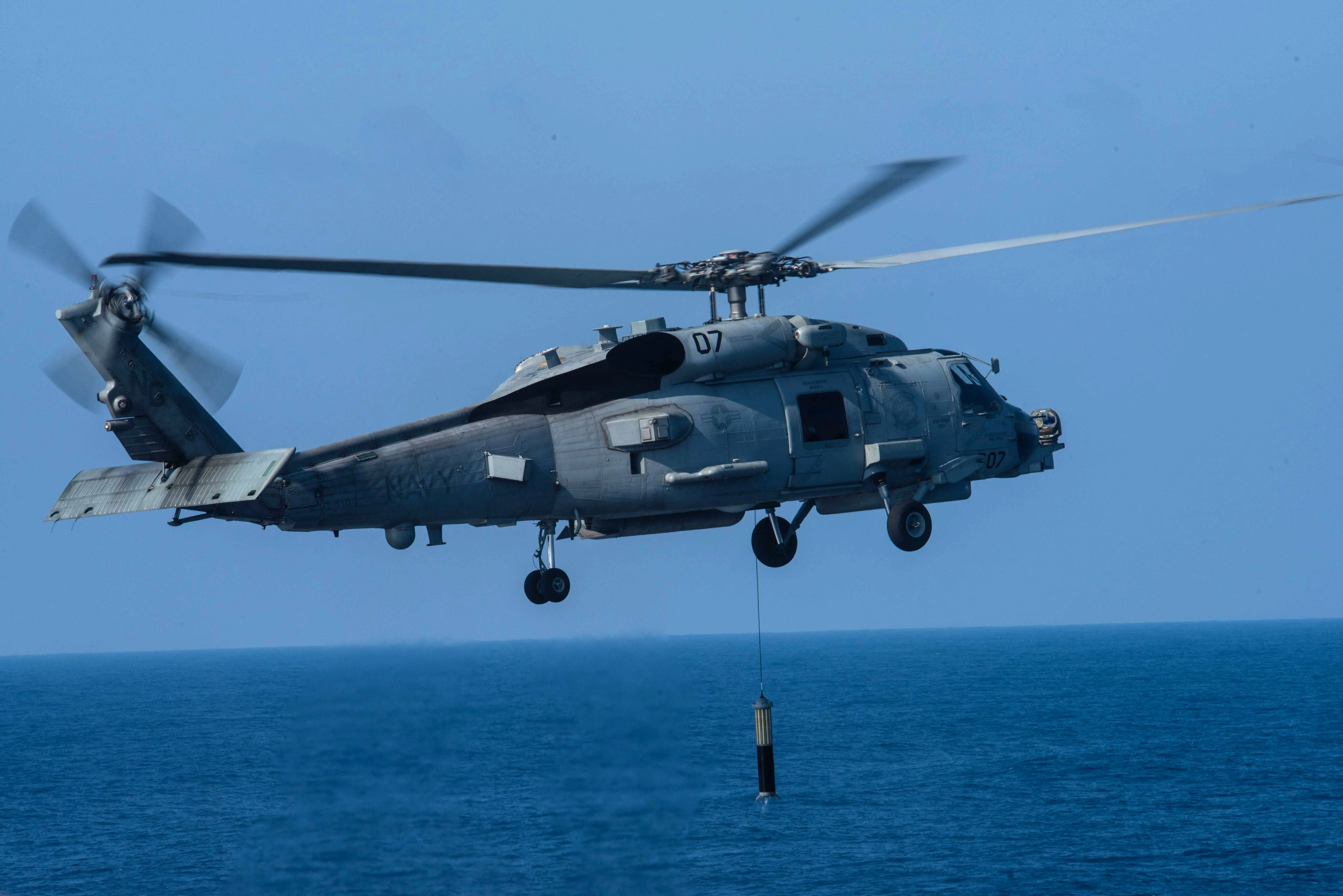
While built for war, INAS 335 is also a lifeline. The MH-60R is a versatile multi-mission platform capable of executing Search and Rescue (SAR), Medical Evacuation (MEDEVAC), and Vertical Replenishment (resupplying ships at sea). This dual capability makes them critical assets for humanitarian missions, similar to recent successful anti-piracy operations in the Arabian Sea.
6. The "Atmanirbhar" Balance
During the commissioning, Admiral Tripathi framed the "Ospreys" as part of a dual strategy. While the immediate operational gaps are filled by these high-tech imports (and the upcoming 26 Rafale-M fighters), the Navy remains committed to "Atmanirbharta" (Self-Reliance) by 2047, running parallel projects with HAL to develop indigenous helicopters for the future.
7. A "Game-Changer" for the Western Fleet
The stationing of INAS 335 at INS Hansa is strategic. It places these lethal hunters directly on the western coast, facing the Arabian Sea, a critical trade route and a hotbed for recent maritime incidents, including piracy and drone attacks. With the "Ospreys" now active, the Indian Navy’s grip on this vital maritime corridor just got significantly tighter.
)
)
)
)
)