'Clogged Drains': How the USS Abraham Lincoln clears thick salt from its deck pipes

The USS Abraham Lincoln battles corrosive ocean salt using 400,000 gallons of fresh water, deck sprinklers, and manual scrub-ex routines to clear scuppers and maintain flight deck safety.
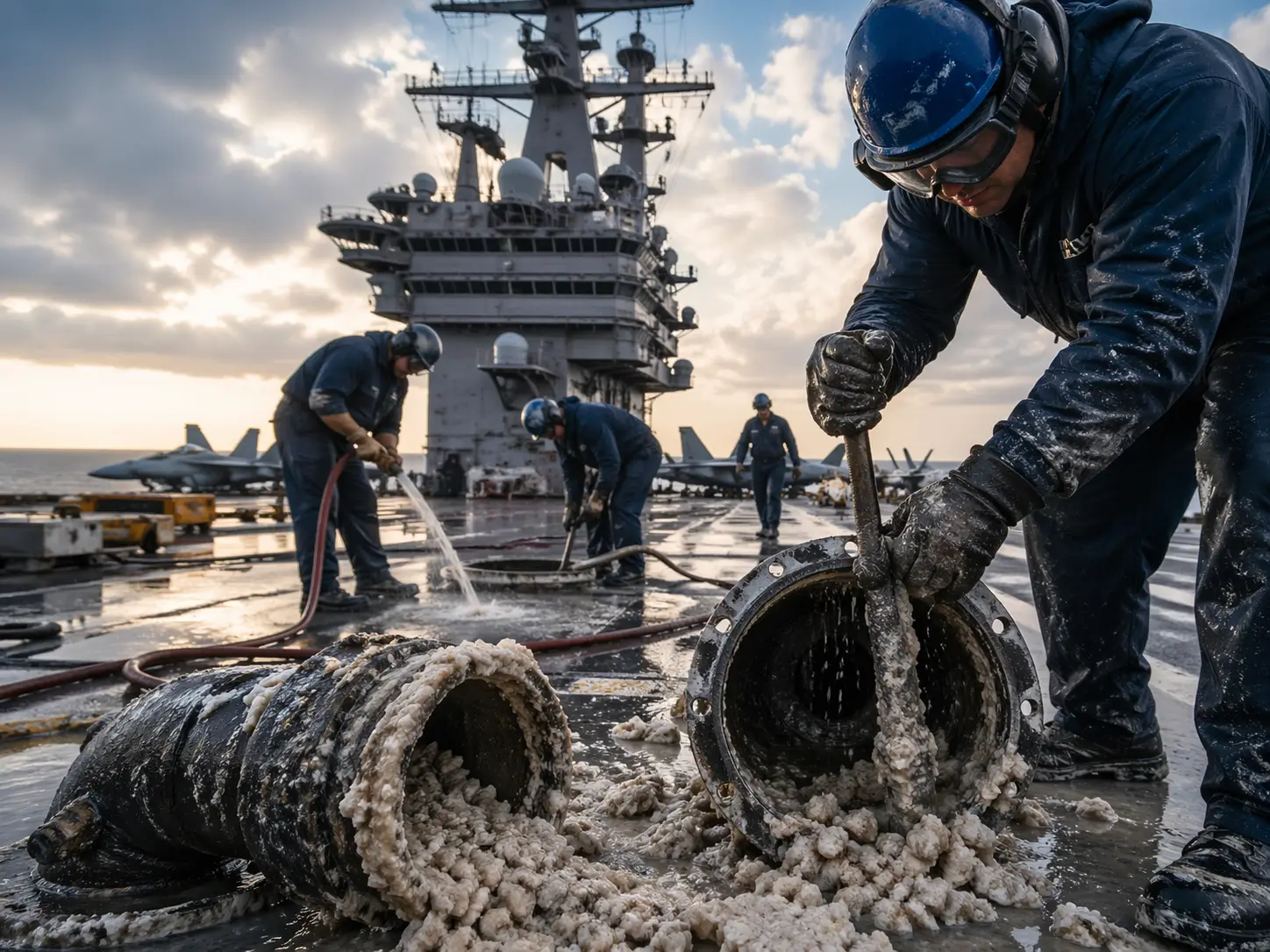
4.5 acres of non-skid
Constant ocean spray coats the massive 4.5-acre flight deck of the USS Abraham Lincoln. Salt, jet fuel, and grease quickly degrade the rough non-skid surface and clog deck drains, creating a severe slipping hazard for multi-ton aircraft and the crew.
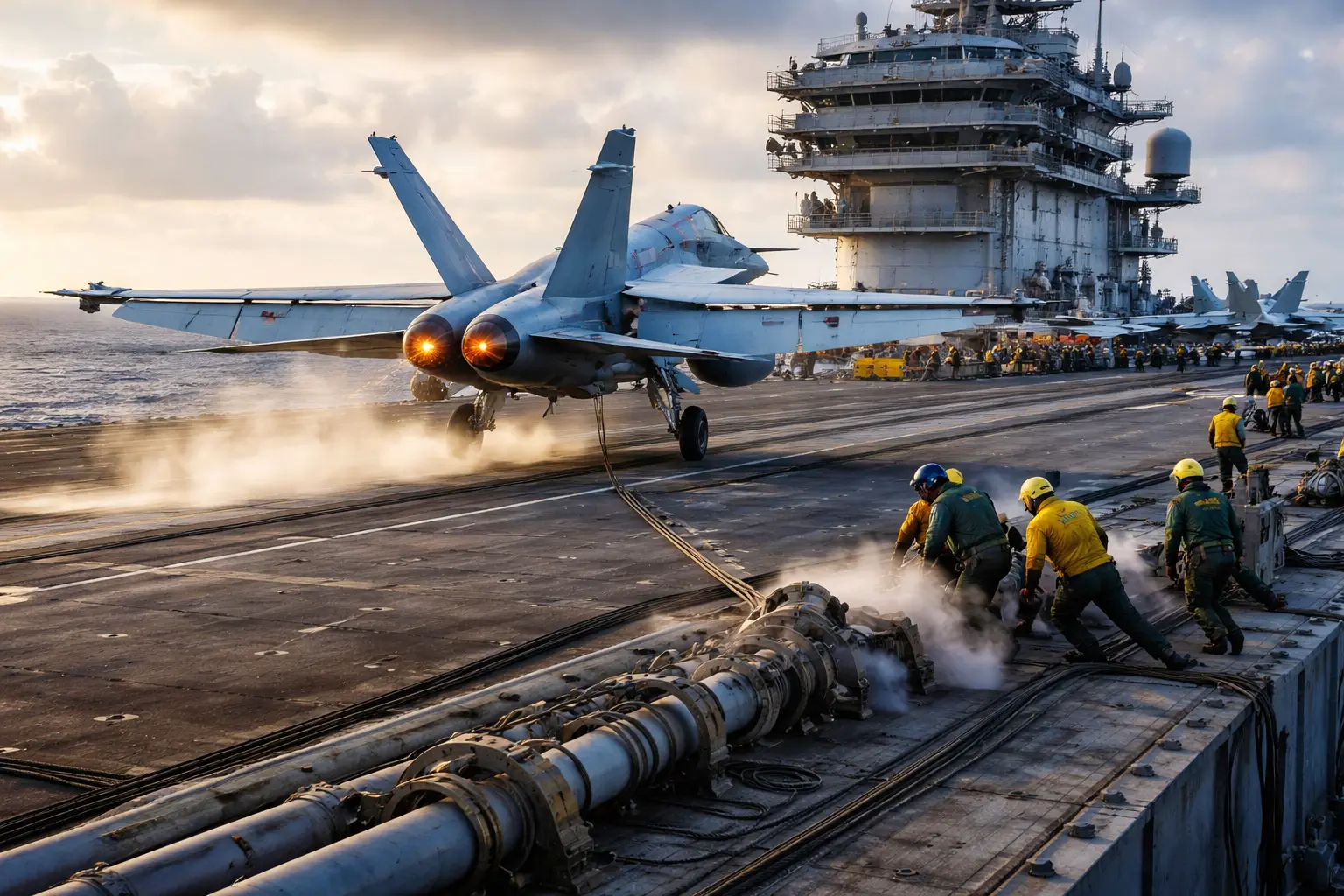
Hundreds of deck sailors
To fight corrosive salt, the crew executes a massive 'scrub-ex' operation. Hundreds of flight deck personnel line up shoulder-to-shoulder with stiff brooms, soap, and hoses to manually degrease the tarmac and sweep debris towards the deck edges.
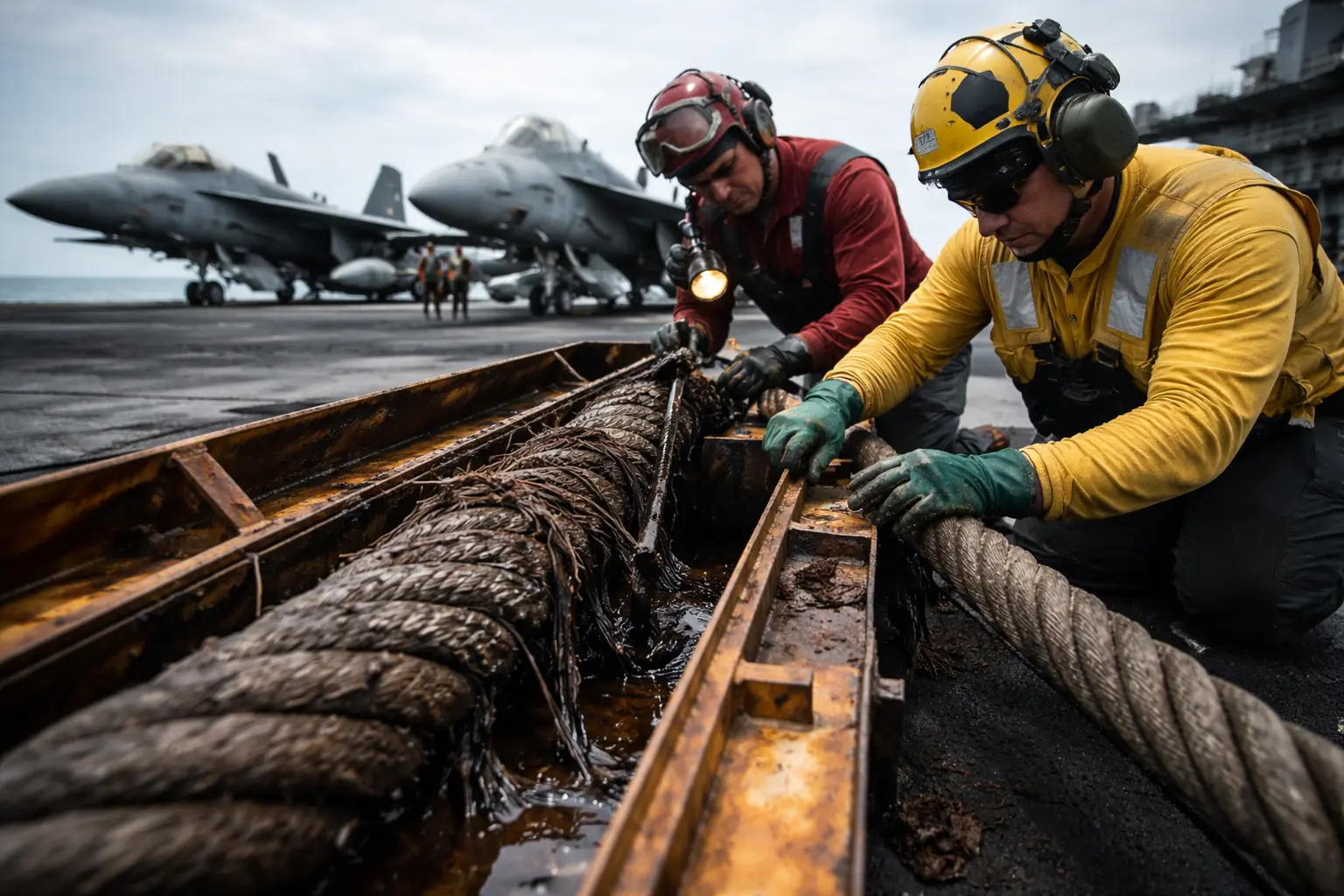
100 per cent clearance
Aviation Boatswain’s Mates are specifically tasked with inspecting the ship's scuppers and combings. They must physically clear out hardened salt and foreign objects to guarantee that water, rain, and firefighting foam can drain instantly during flight emergencies.
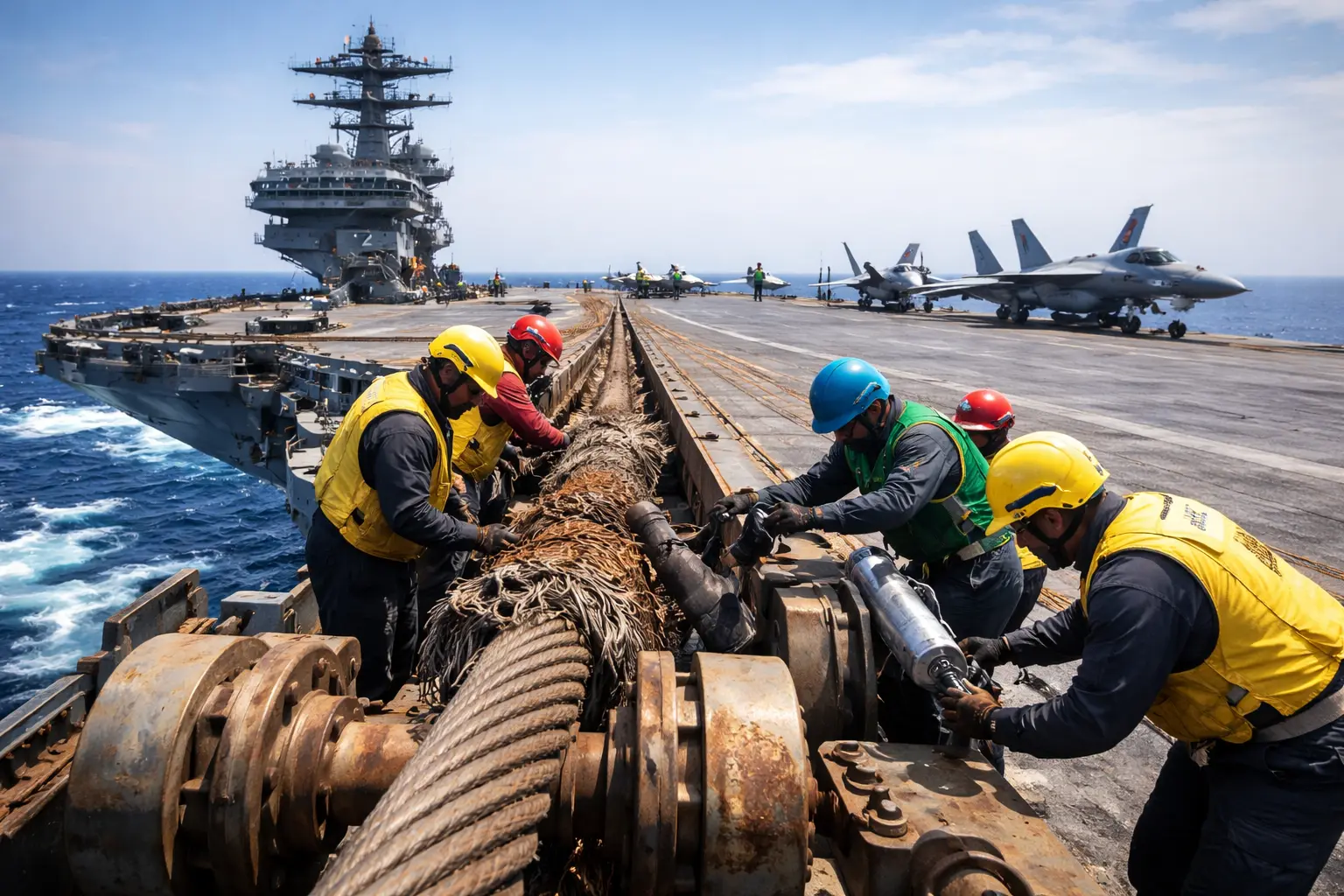
400,000 gallons of water
The supercarrier’s four nuclear-powered distilling units flash-boil seawater to produce over 400,000 gallons of fresh water daily. This steady supply allows the crew to wash down salt-encrusted aircraft and flush deck components without introducing more corrosive seawater.
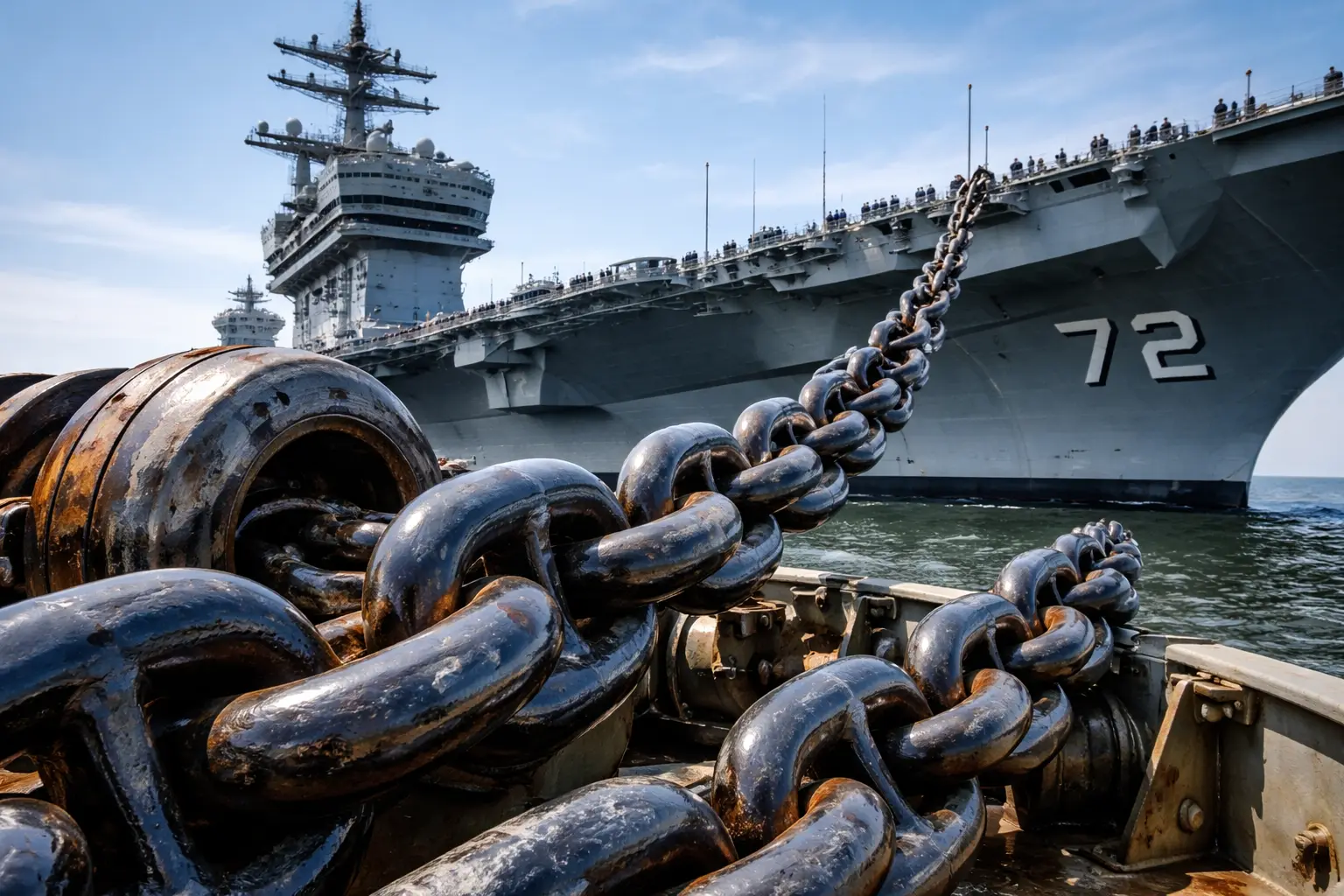
360-degree deck sprinklers
The ship features a Countermeasure Wash Down System built directly into the flight deck. While designed to flood the exterior to wash away chemical or radiological threats, routine testing of these high-pressure sprinklers effectively blasts stubborn salt from the drains.
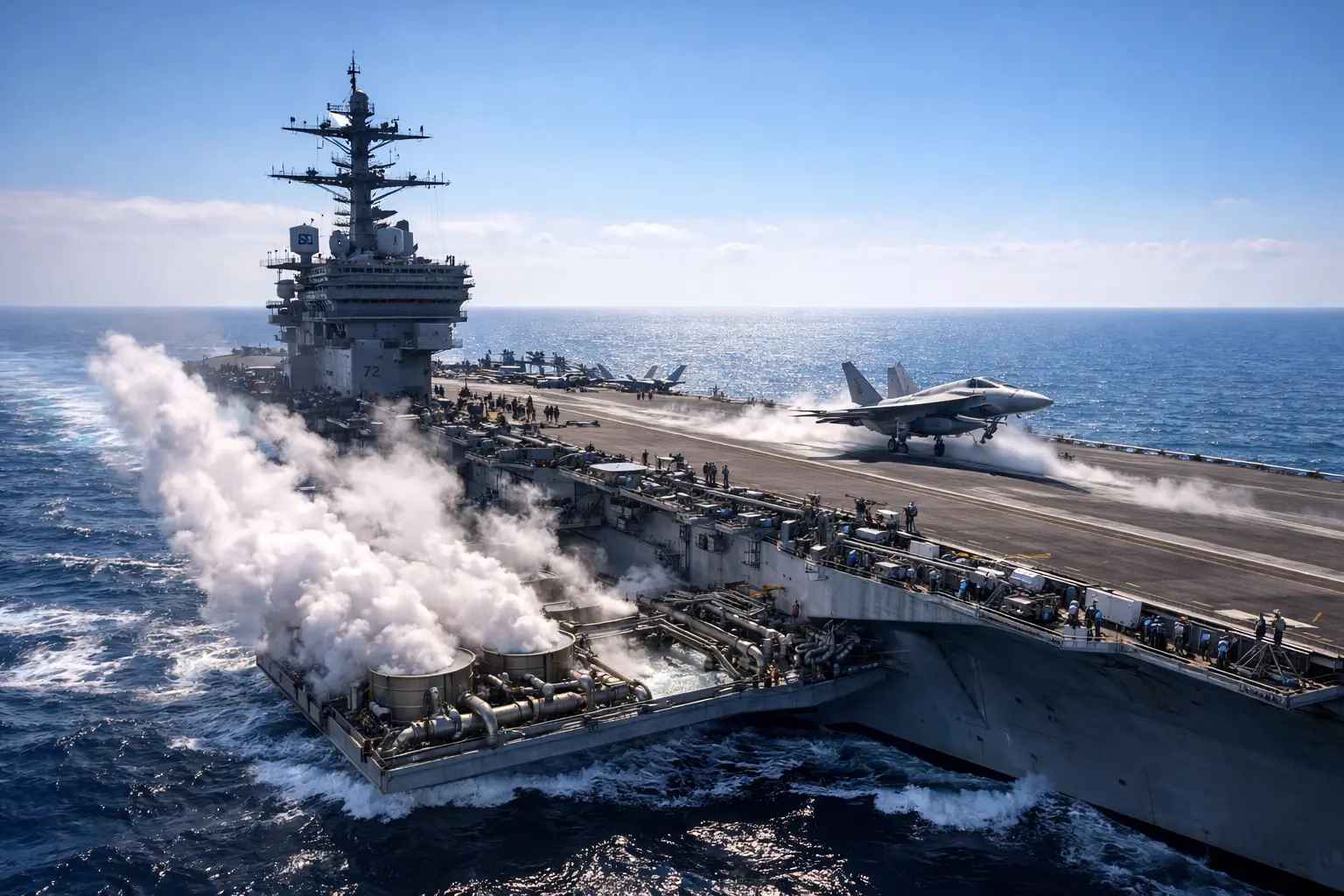
100,000-tonne steel protection
Salt accumulation threatens not just the deck pipes but the complex catapults and arresting wire systems. Continuous physical scrubbing prevents sea salt from hardening on mechanical parts, saving the US Navy vast amounts of money in premature rust prevention.
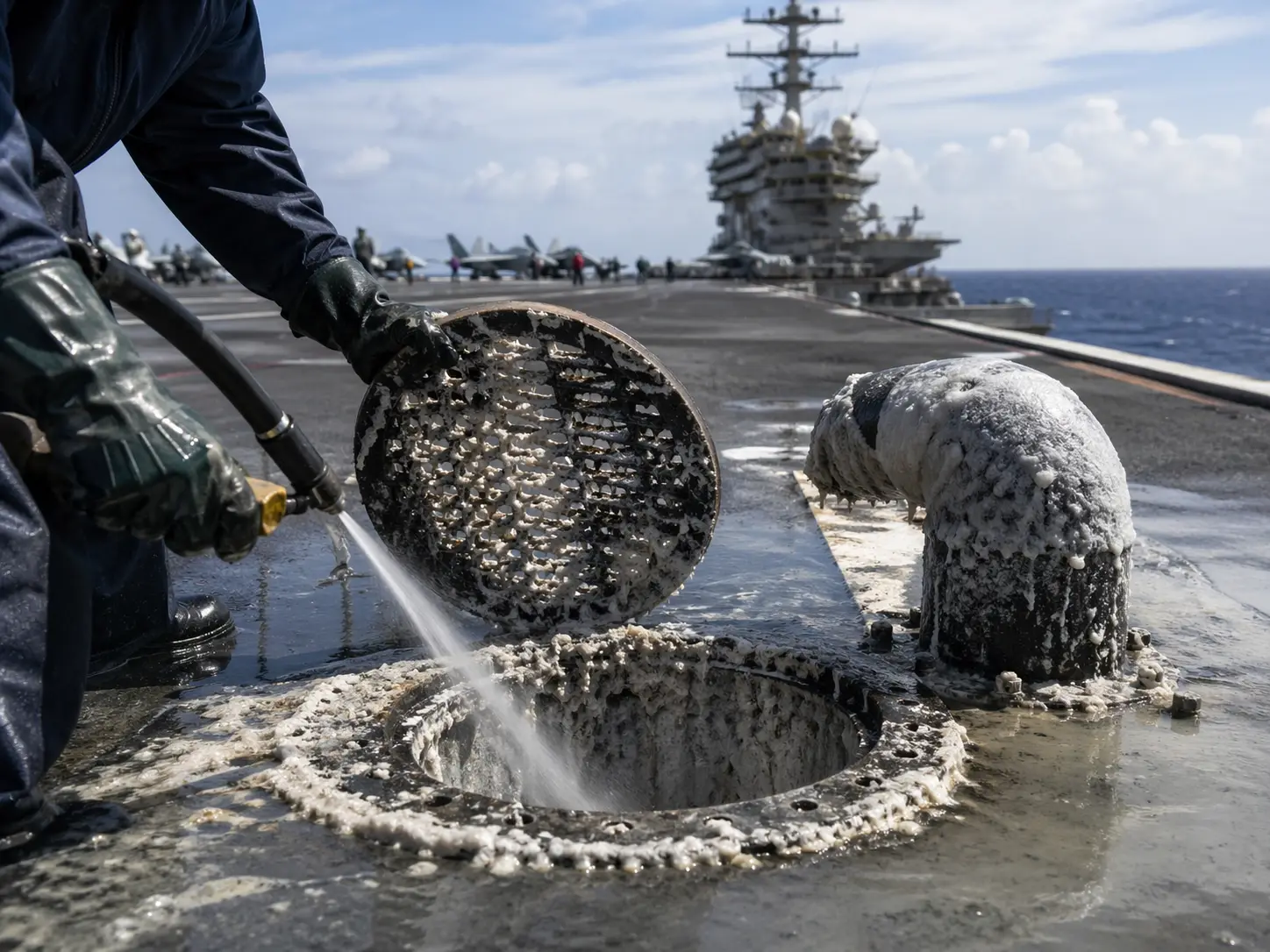
24/7 combat readiness
Supercarriers like the Nimitz-class operate in relentless, cyclic launch operations. Maintaining the deck drains and clearing salt is an around-the-clock battle to ensure the USS Abraham Lincoln remains fully operational during long deployments in harsh maritime environments.
)
)
)
)
)