'City at Sea': How USS Abraham Lincoln feeds and maintains a crew of 5,000 in a war zone?

The USS Abraham Lincoln operates as a self-sustaining city, feeding 5,000 crew members and generating its own water and power while deployed in critical war zones.
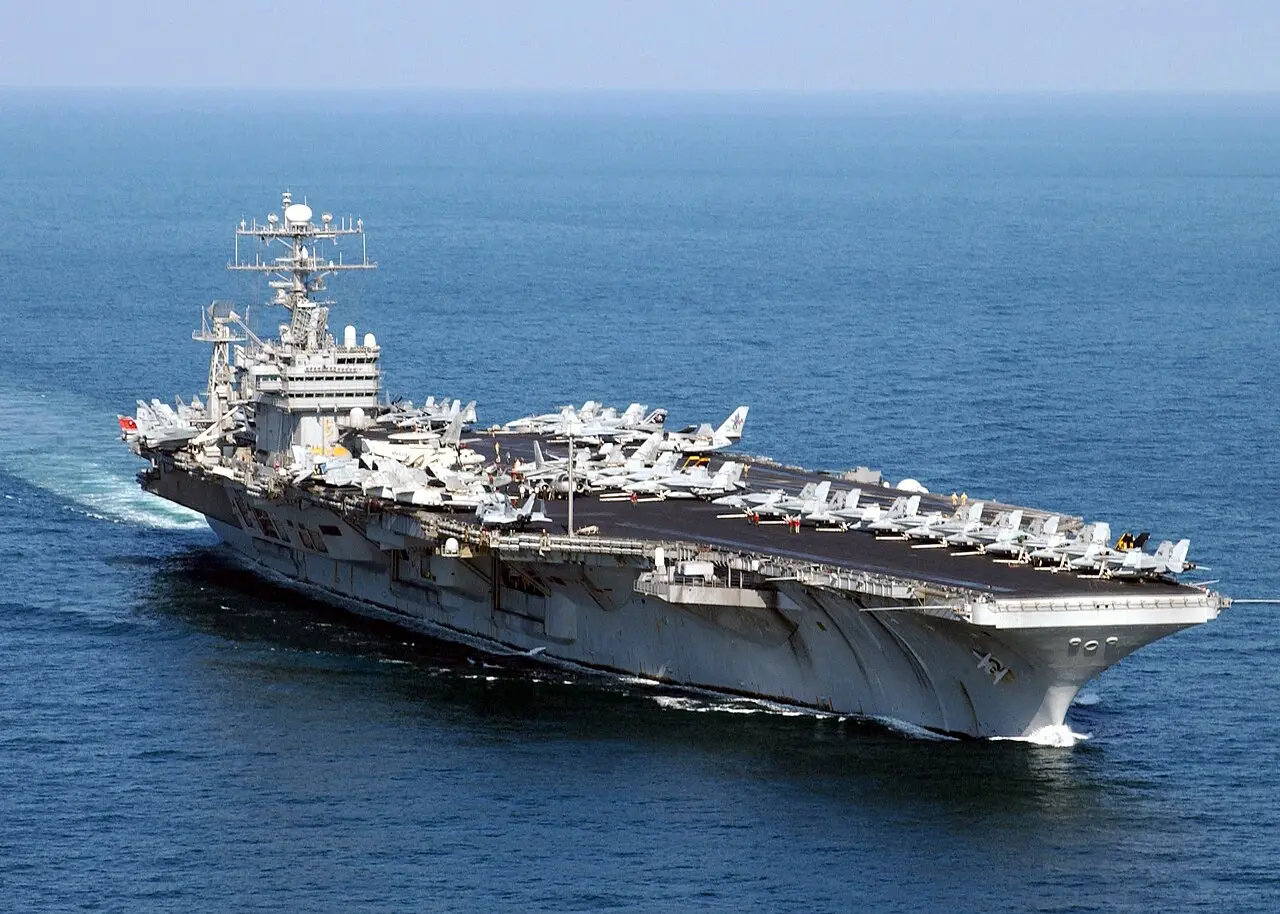
5,000 Crew Members
The aircraft carrier houses approximately 5,000 sailors and marines, creating a population density similar to a small town. This massive workforce operates in shifts to keep the ship running 24 hours a day, requiring constant logistical support.
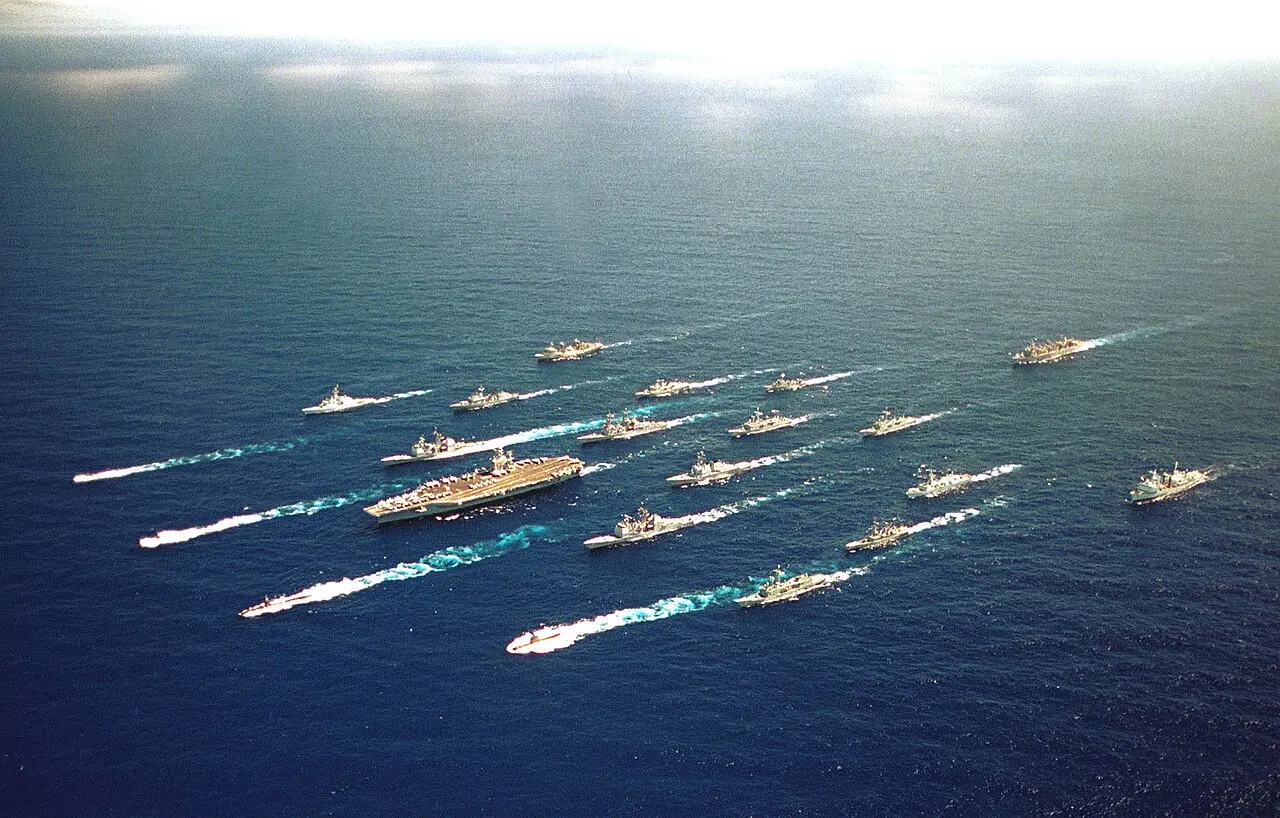
15,000 Daily Meals
Chefs in the galleys prepare more than 15,000 meals every single day to feed the massive crew. The kitchens operate nearly non-stop, ensuring that sailors working day and night shifts receive hot, nutritious food.
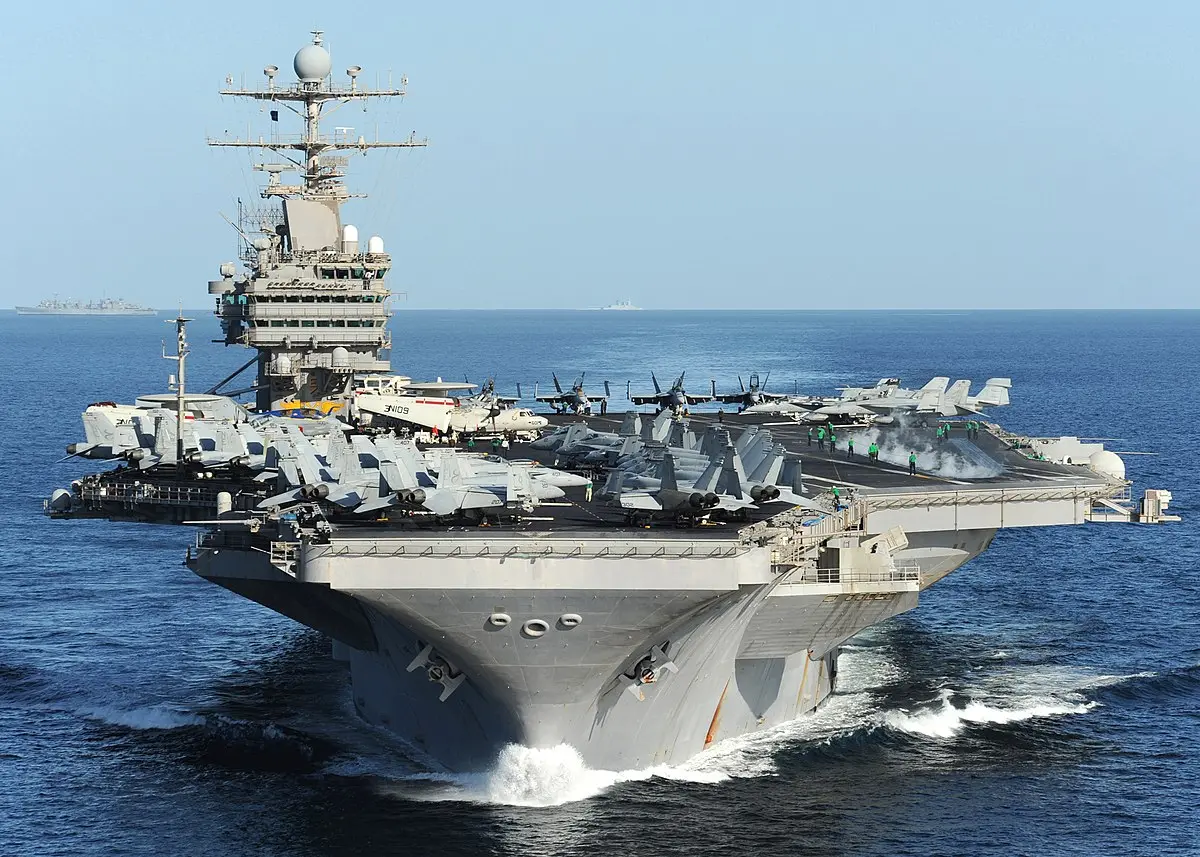
Fitness Centres
Staying physically fit is mandatory for the crew, so the ship contains seven fully equipped gyms. These fitness centres offer weights and cardio machines to help sailors manage stress and maintain readiness during long deployments.
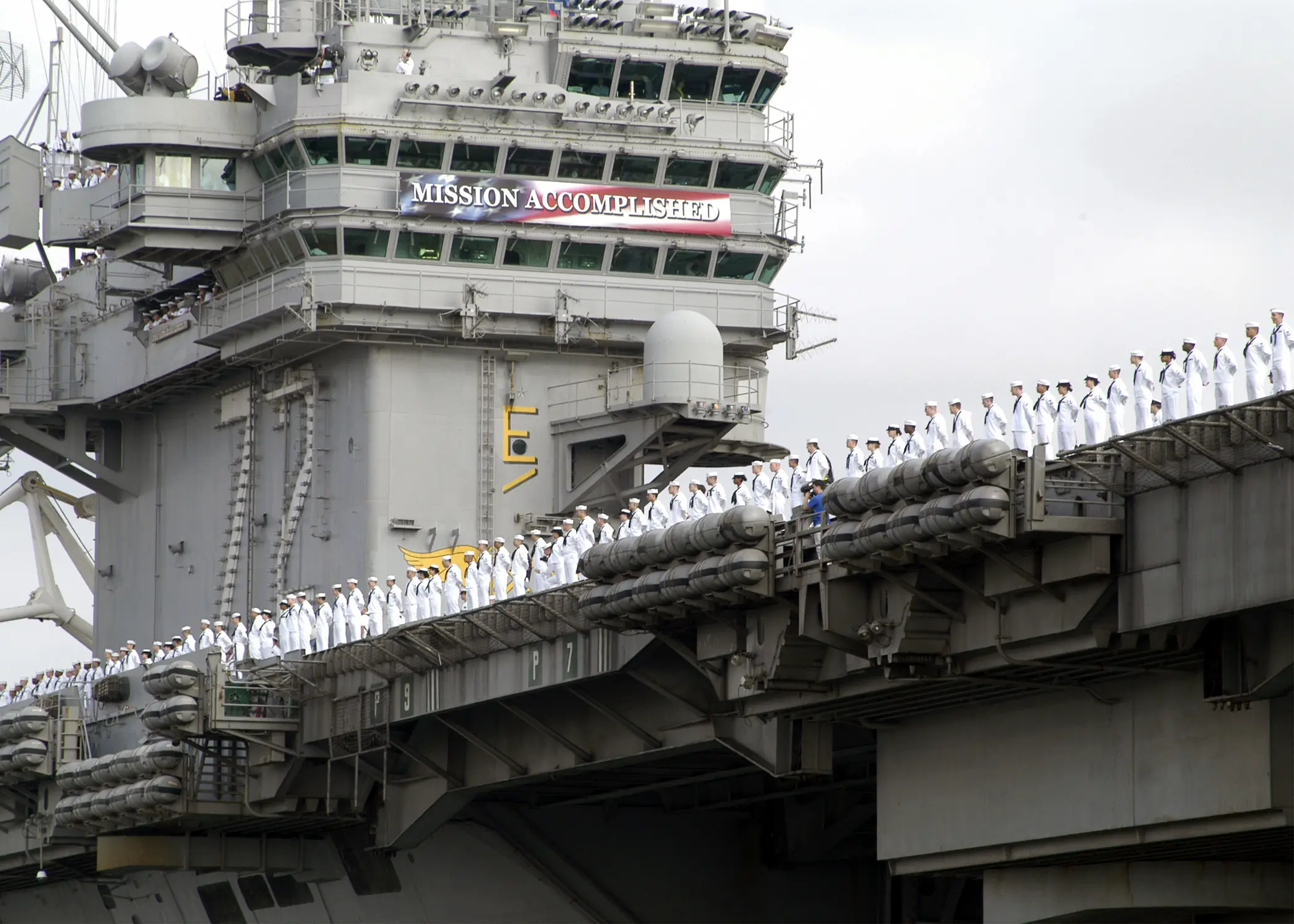
400,000 Gallons Water
The ship’s desalination plants process seawater to produce approximately 400,000 gallons of fresh water daily. This supply is critical for drinking, cooking, laundry, and cooling the ship’s complex nuclear and aviation systems.
20 Years Power
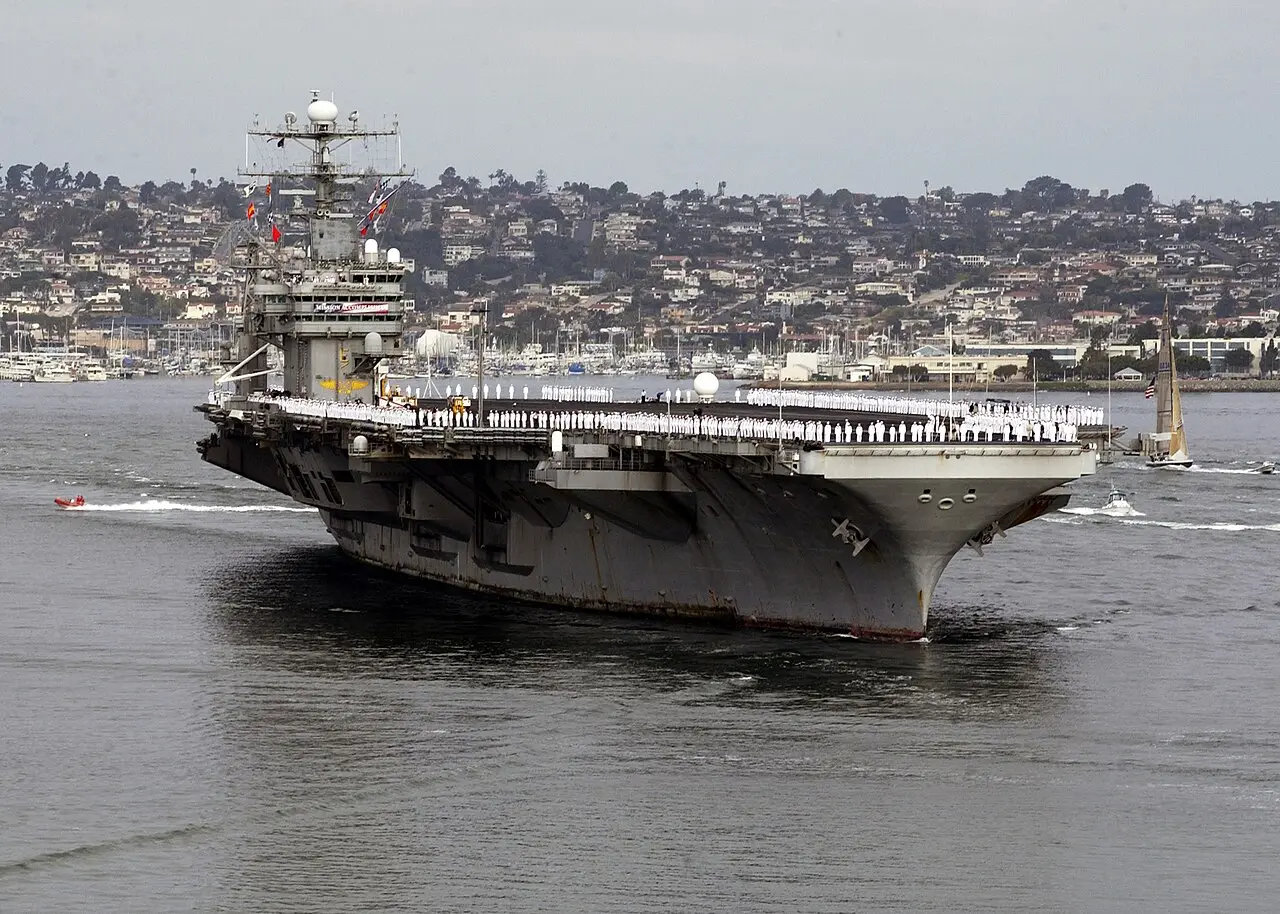
Two nuclear reactors provide the ship with virtually unlimited range and endurance, allowing it to sail for over 20 years without refuelling. This energy independence is vital for sustaining high-tempo operations in a war zone.
Onboard General Store
Sailors can purchase snacks, electronics, and toiletries at the ship’s convenience store, which functions like a shop on land. This facility provides essential comforts and personal items that help crew members feel a little closer to home.

Floating Hospital Beds
he medical department functions as a fully equipped hospital with a 50-bed ward, an intensive care unit, and operating rooms. Surgeons, dentists, and psychologists ensure the physical and mental health of the crew during long deployments.

Every Sailor a Firefighter
Every single person on board, regardless of their rank or job, is rigorously trained in damage control and firefighting. This ensures that the entire crew can respond instantly to save the ship if it sustains damage in combat.

Vertical Replenishment
Supplies arrive via 'Vertical Replenishment' where helicopters transfer pallets of food and parts from supply ships to the flight deck. This dangerous dance allows the carrier to restock tons of cargo without stopping its patrol.
100,000 Tonne Displacement
This Nimitz-class carrier displaces over 100,000 tonnes and carries more than 60 aircraft, functioning as a sovereign mobile airbase. Its sheer size allows it to store millions of litres of aviation fuel and ordnance to remain self-sufficient.
)
)
)
)
)