'China’s interest in Greenland': What is the Polar Silk Road?

China’s ‘Polar Silk Road’ aims to exploit melting Arctic ice for faster shipping routes and resource access. Declaring itself a ‘Near-Arctic State’, Beijing seeks Greenland’s rare earth minerals and attempted to build its airports.
What is the ‘Polar Silk Road’? Extension of the Belt and Road
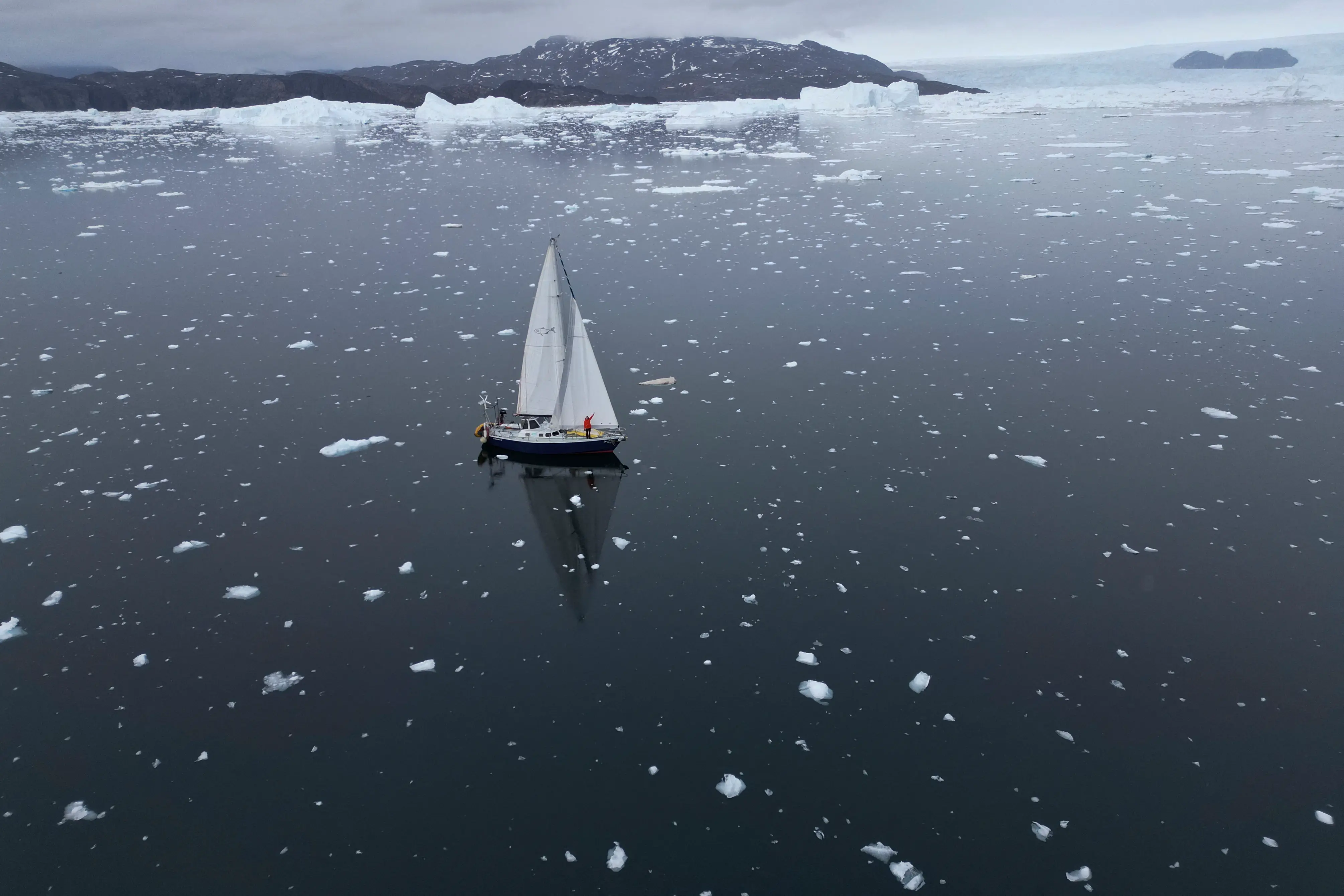
Officially announced in a 2018 White Paper, the ‘Polar Silk Road’ is China’s plan to extend its massive Belt and Road Initiative (BRI) into the Arctic. It aims to develop new shipping lanes and infrastructure to connect Asia with Europe via the melting polar ice caps.
Near-Arctic State
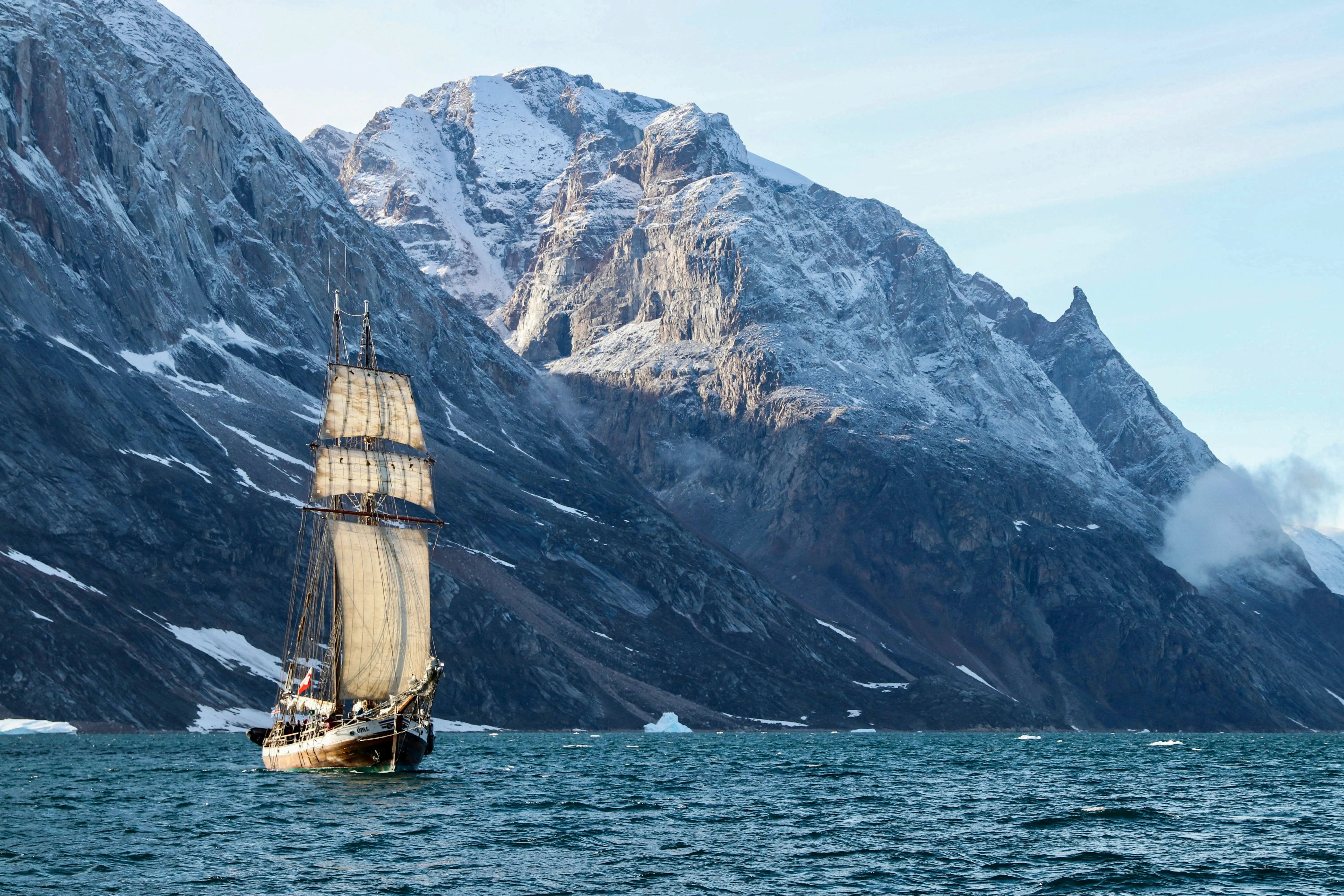
Despite being 900 miles from the Arctic Circle, China has controversially labelled itself a ‘Near-Arctic State’. This self-designation is used to justify its right to conduct scientific research, exploit resources, and participate in the governance of the region alongside actual Arctic nations.
Cutting shipping time
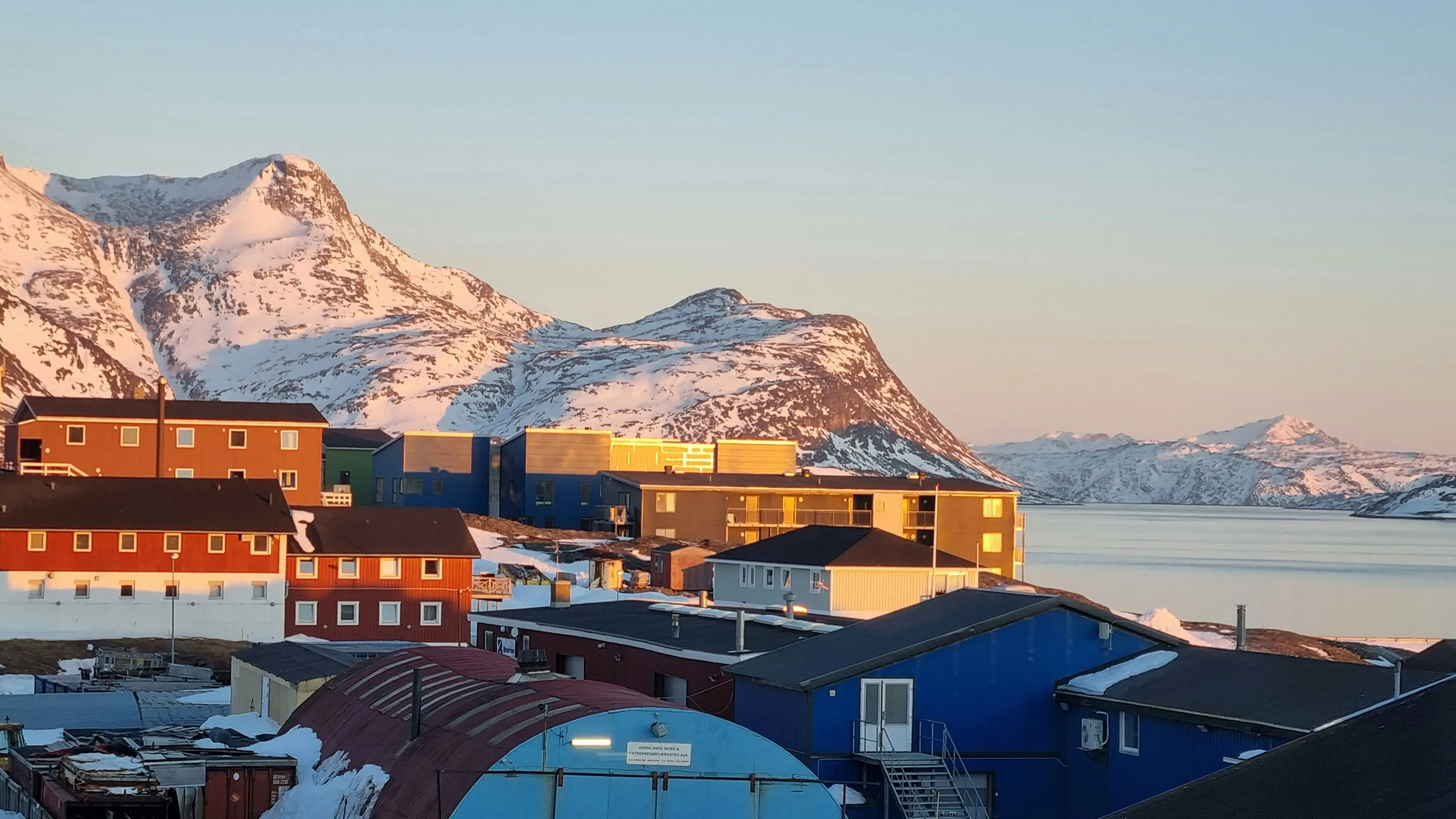
A key motivation is the Northern Sea Route, which becomes navigable as ice melts. Using this Arctic shortcut can reduce the shipping time between China and Europe by up to 20 days compared to the traditional route through the Suez Canal, saving billions in fuel costs.
The Kvanefjeld project
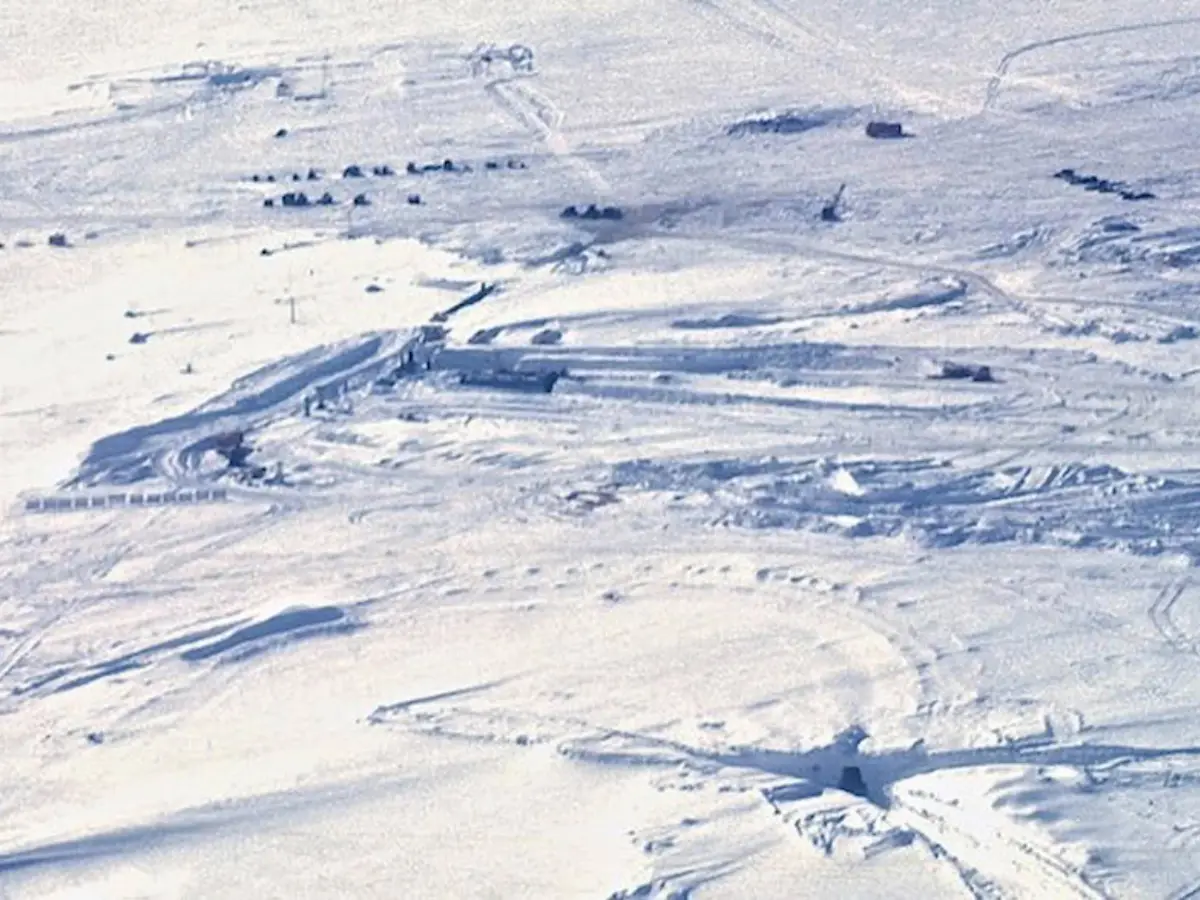
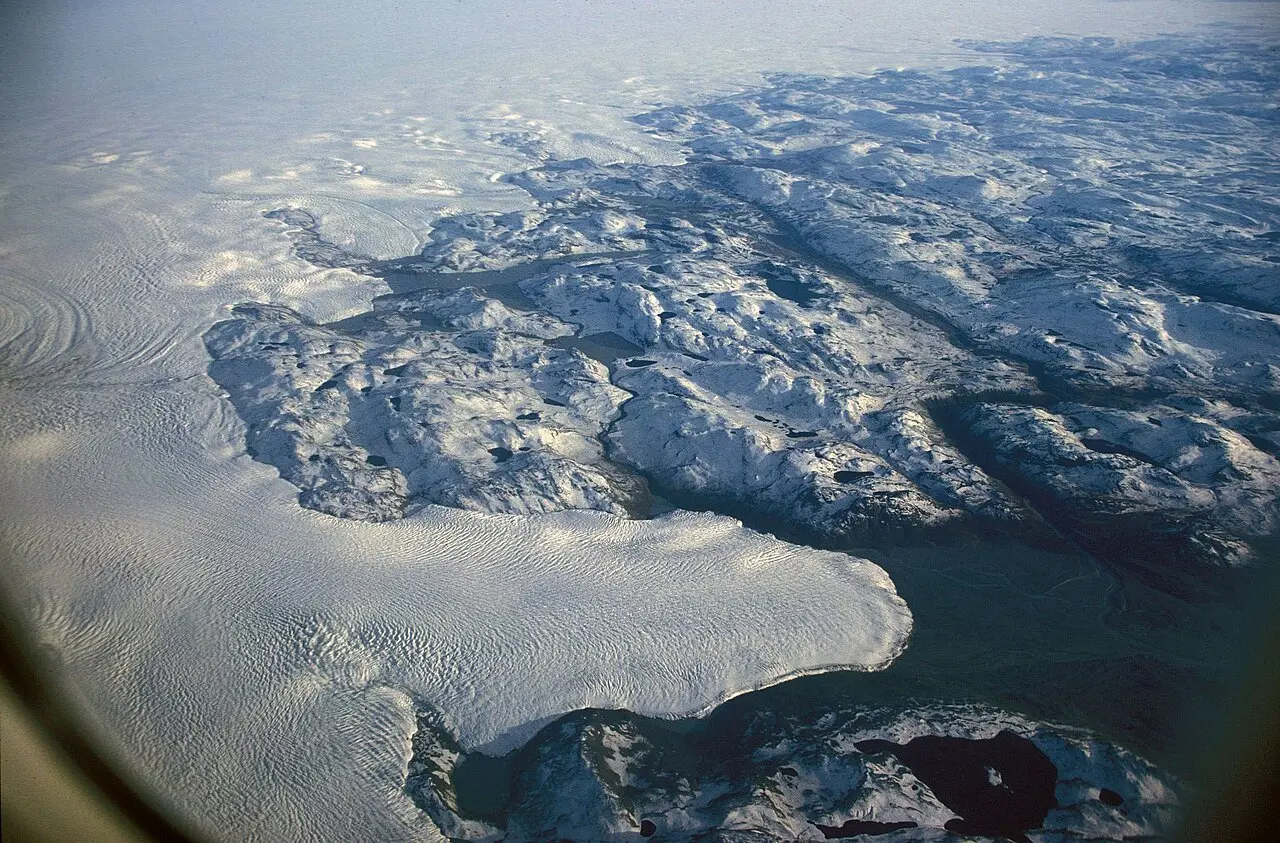
Greenland holds one of the world’s largest undeveloped deposits of rare earth elements, critical for electric vehicles and missiles. Chinese firm Shenghe Resources has already acquired a stake in the Kvanefjeld mining project, aiming to secure these strategic minerals for China’s supply chain.

The blocked airport bid US and Denmark intervene
In 2018, a Chinese state-owned company bid to build three international airports in Greenland. Fearing Beijing would gain control over critical infrastructure, the US and Denmark intervened, with Copenhagen eventually funding the projects itself to keep China out.
Science or strategy? Dual-use research stations
China has expanded its scientific footprint with research stations and icebreakers like the Xuelong 2. Western intelligence agencies warn that this ‘scientific diplomacy’ often serves a dual purpose, gathering data on ocean depths and ice conditions that could be useful for future submarine operations.
)
)
)
)
)