‘Cheating under watch’: How India is using AI to detect exam fraud

India uses AI-based facial recognition, eye tracking, and alert systems to detect cheating during exams. The technology monitors millions of candidates in real time, helping exam bodies secure large tests and fight sophisticated fraud.
AI Watches Millions of Candidates
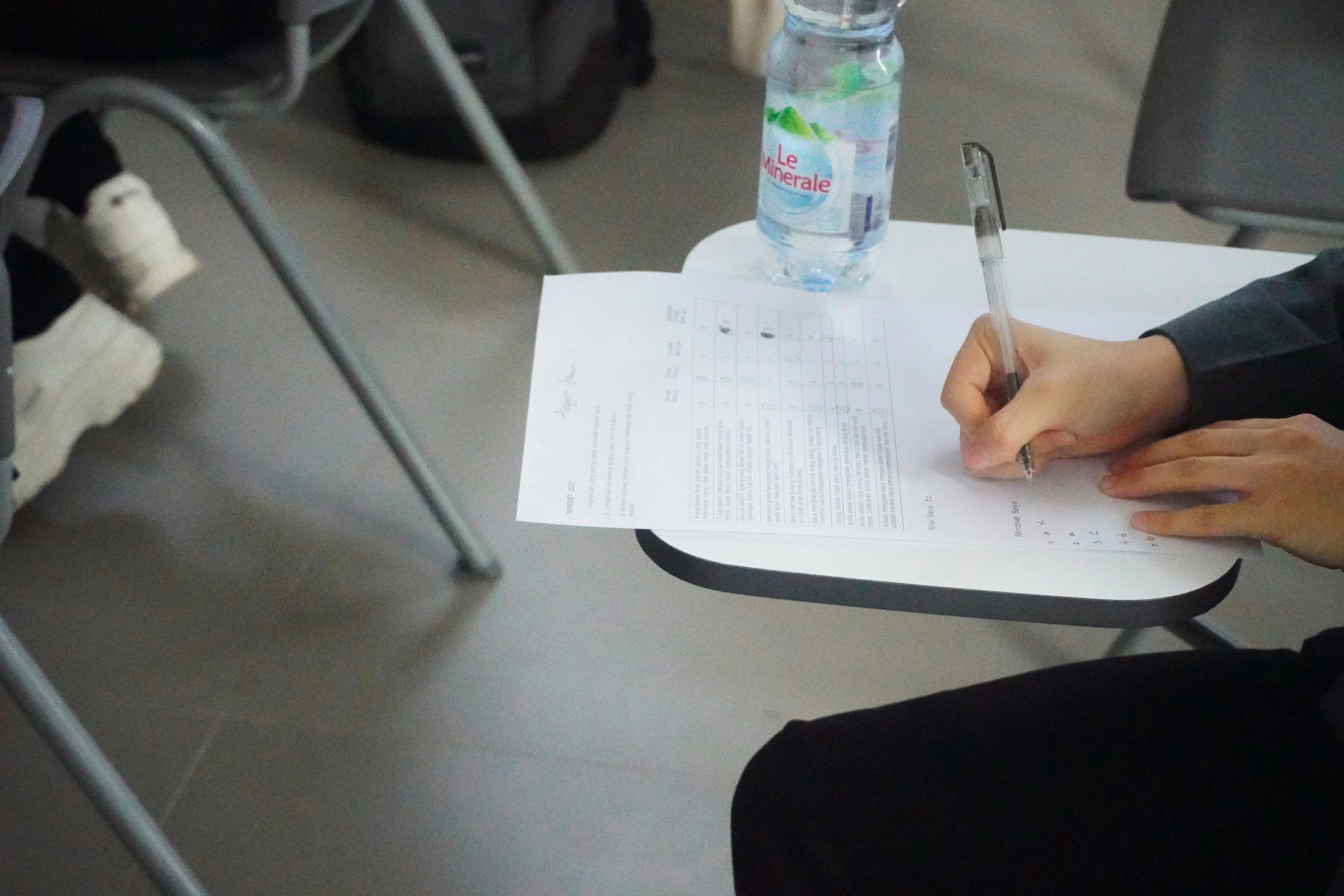
In Bihar’s SI preliminary exam, 6.6 lakh candidates were monitored using AI. The system included facial recognition and eye movement tracking across 613 centres, with 16,500 CCTV cameras connected to a command room.
Detecting Impersonation with AI
AI scans faces during exams to ensure candidates match their registered identities. It prevents impersonators using fake photos or impostor candidates, a method now critical in large government recruitment exams.

Real-Time Monitoring and Alerts
AI systems track behaviour such as unusual eye movement or attempts to look at forbidden materials. Suspicious actions trigger immediate alerts to invigilators for swift action.
AI Proctoring Enhances CCTV SurveillanceAI Proctoring Enhances CCTV Surveillance
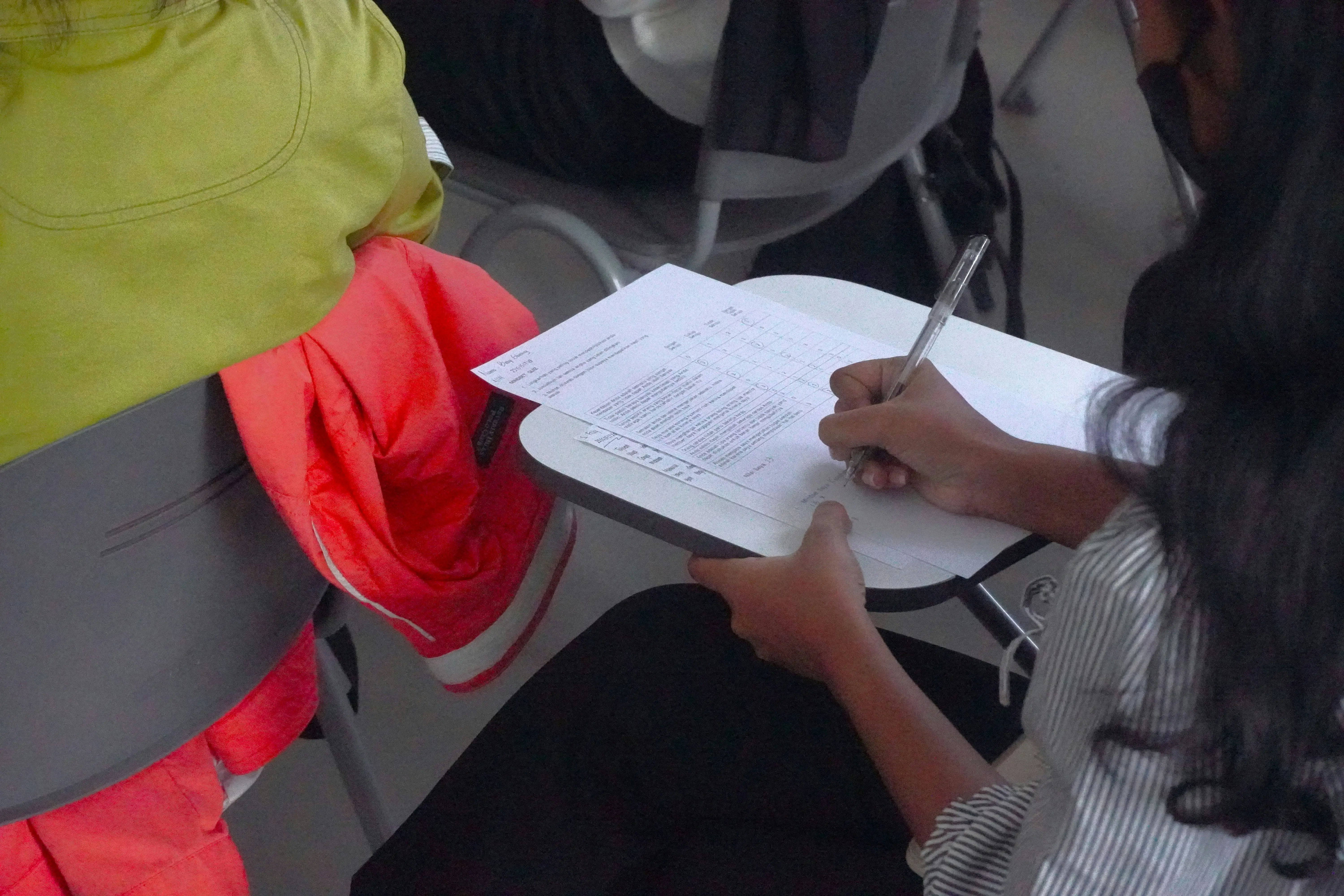
Traditional CCTV records exams but may miss cheating attempts. AI adds intelligence by analysing live feeds to detect suspicious gestures, mobile phone use, or collusion, offering proactive exam security.

Cutting-Edge Algorithms Improve Detection
Advanced AI algorithms combining pose detection and attention mechanisms achieve over 90% accuracy in spotting cheating behaviours in offline exams, helping invigilators focus on real threats.
Crackdowns on AI-Assisted Fraud Rings
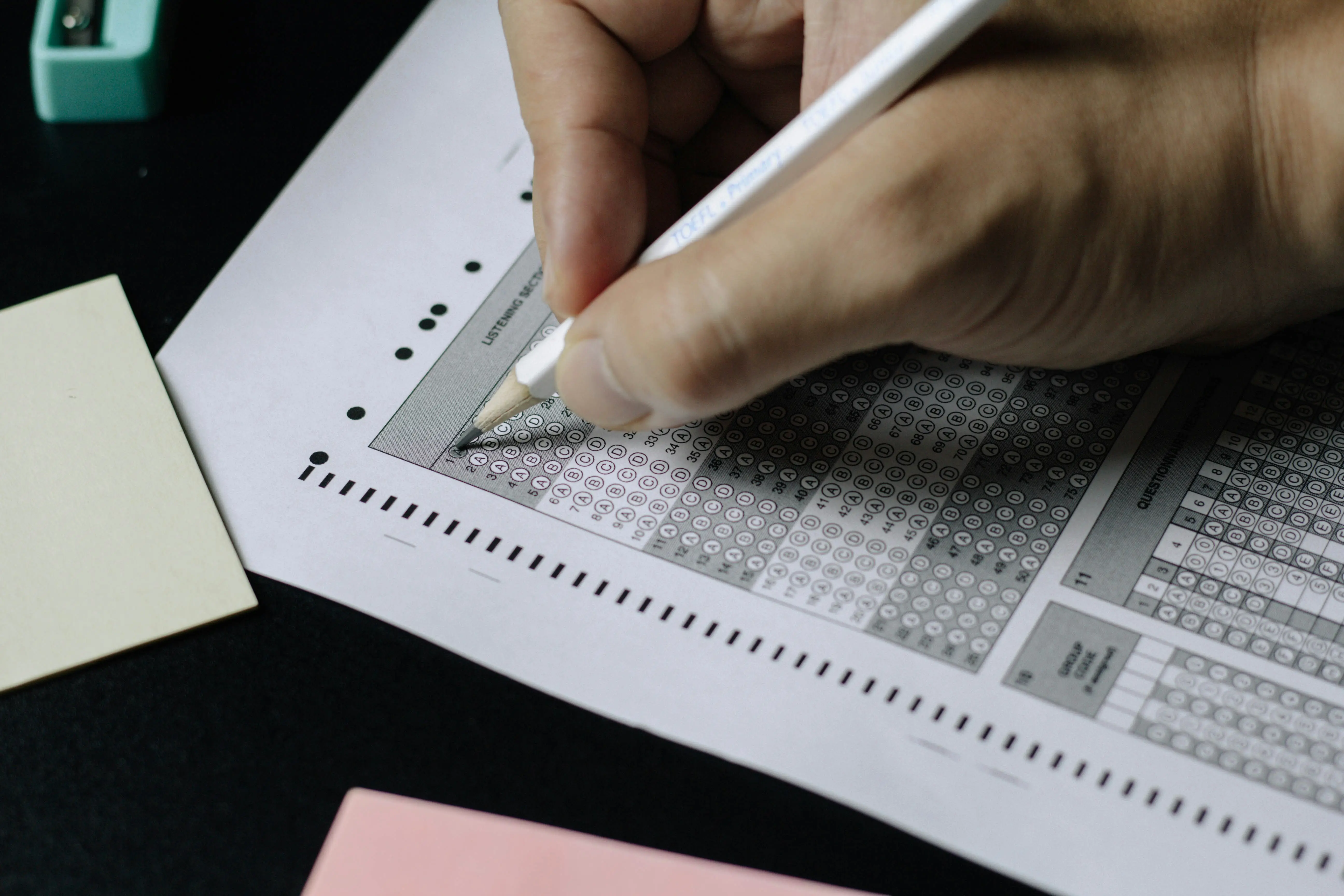
Police in Lucknow busted a cheating gang that used AI tools to create fake ID cards and manipulated photos to clear competitive exams. This shows how fraudsters also use AI, raising the stakes for detection.

Future of AI in Exam Security
India’s government launched the Face Authentication Challenge to develop smarter AI tools for large-scale exams like UPSC. This aims to make exam fraud detection faster, more accurate, and privacy-conscious
)
)
)
)
)