'Catching the wire': Why landing on the USS Abraham Lincoln is so dangerous

United States Navy pilots land on the USS Abraham Lincoln by stopping jets from 240 km/h in two seconds. This requires catching a 35 mm steel wire on a 120-metre deck.
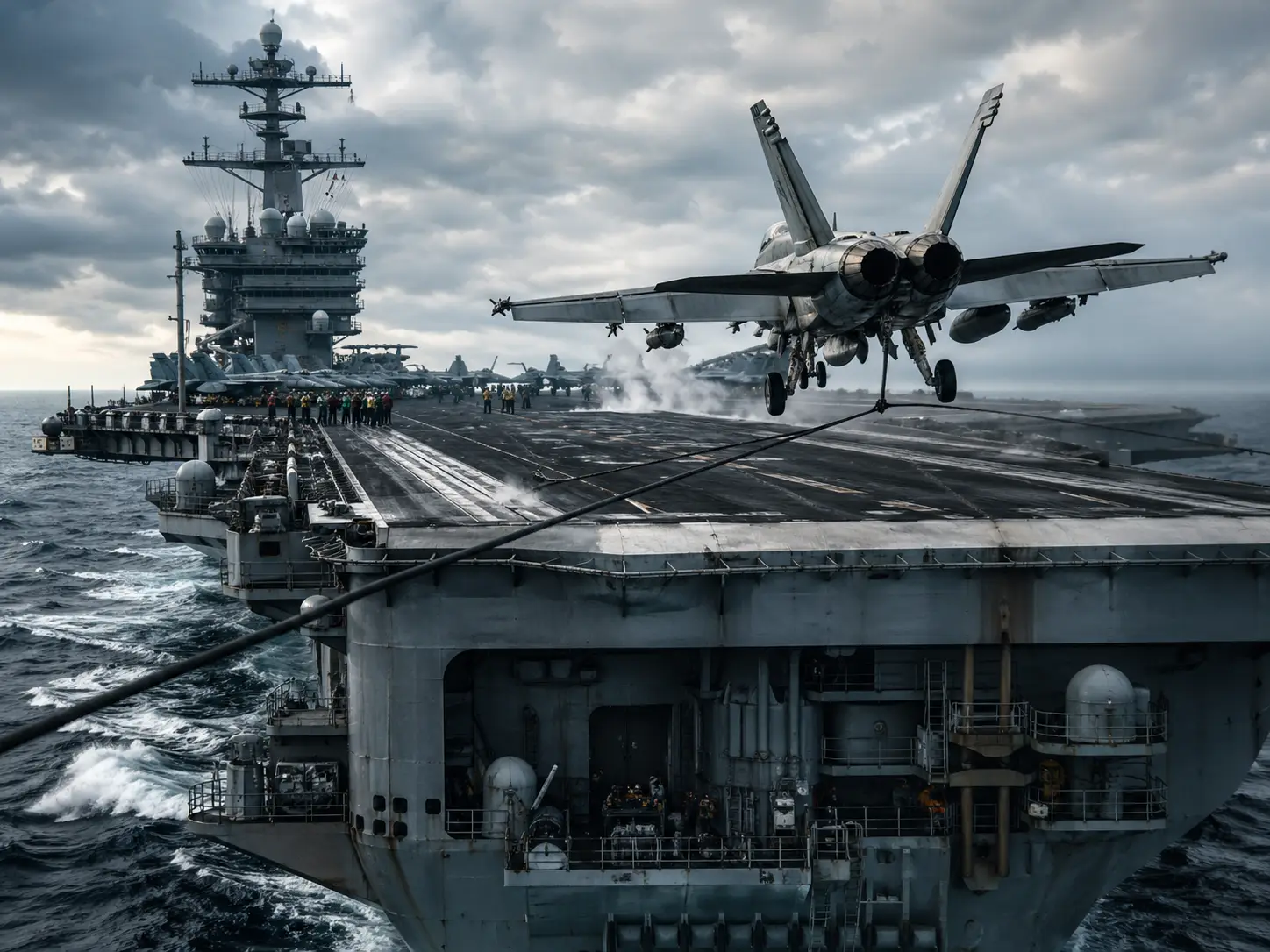
A 120-metre ocean runway
A commercial airport runway stretches for thousands of metres. In contrast, United States Navy pilots must land on a 120-metre designated landing area aboard the USS Abraham Lincoln. This highly restricted space requires extreme precision over the open ocean.
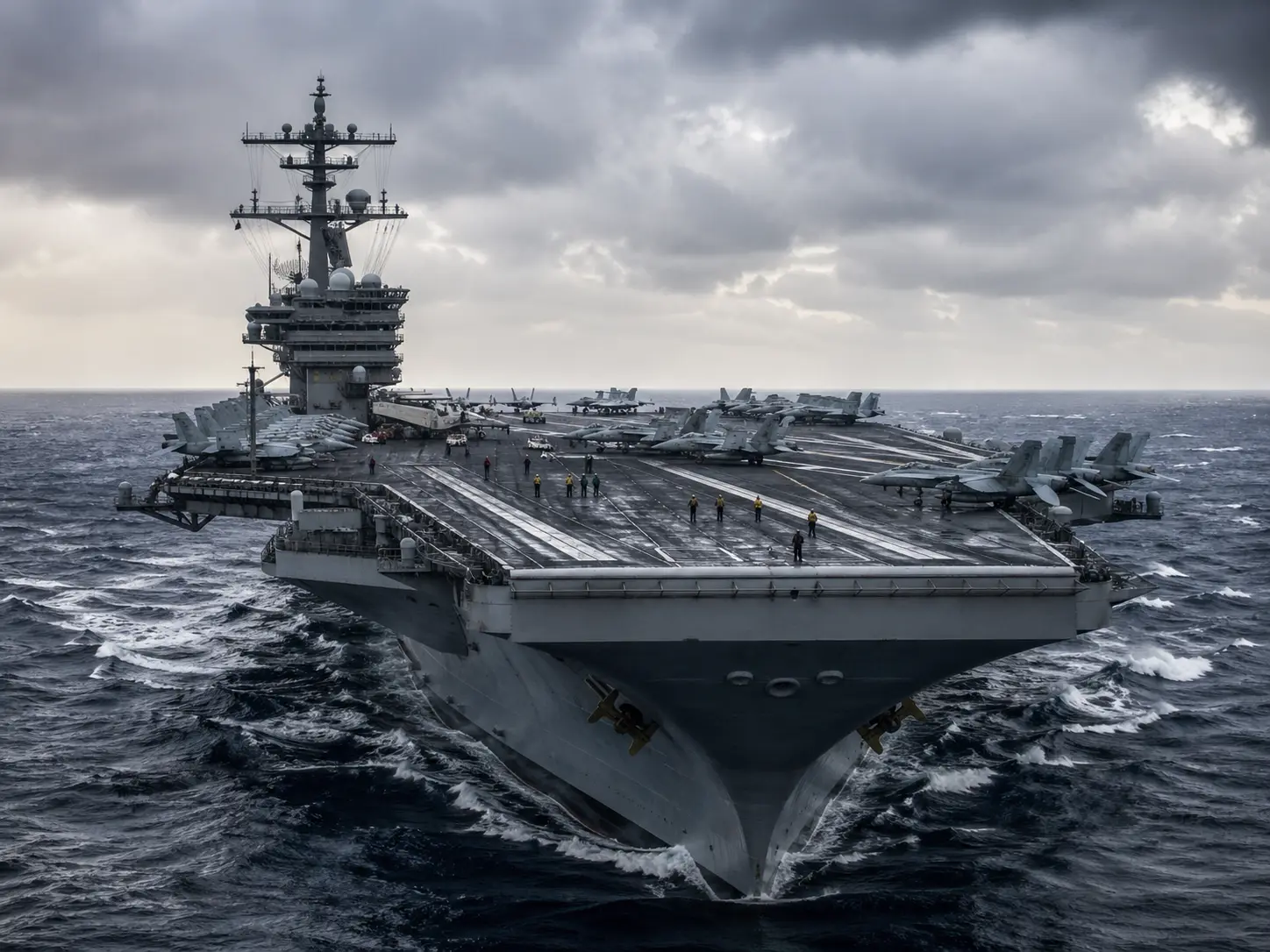
240 km/h to zero
Fighter jets approach the carrier deck at speeds of 240 km/h. Once the aircraft touches down, it must completely halt within just two seconds. The massive deceleration forces push the pilot and the airframe to their absolute physical limits.
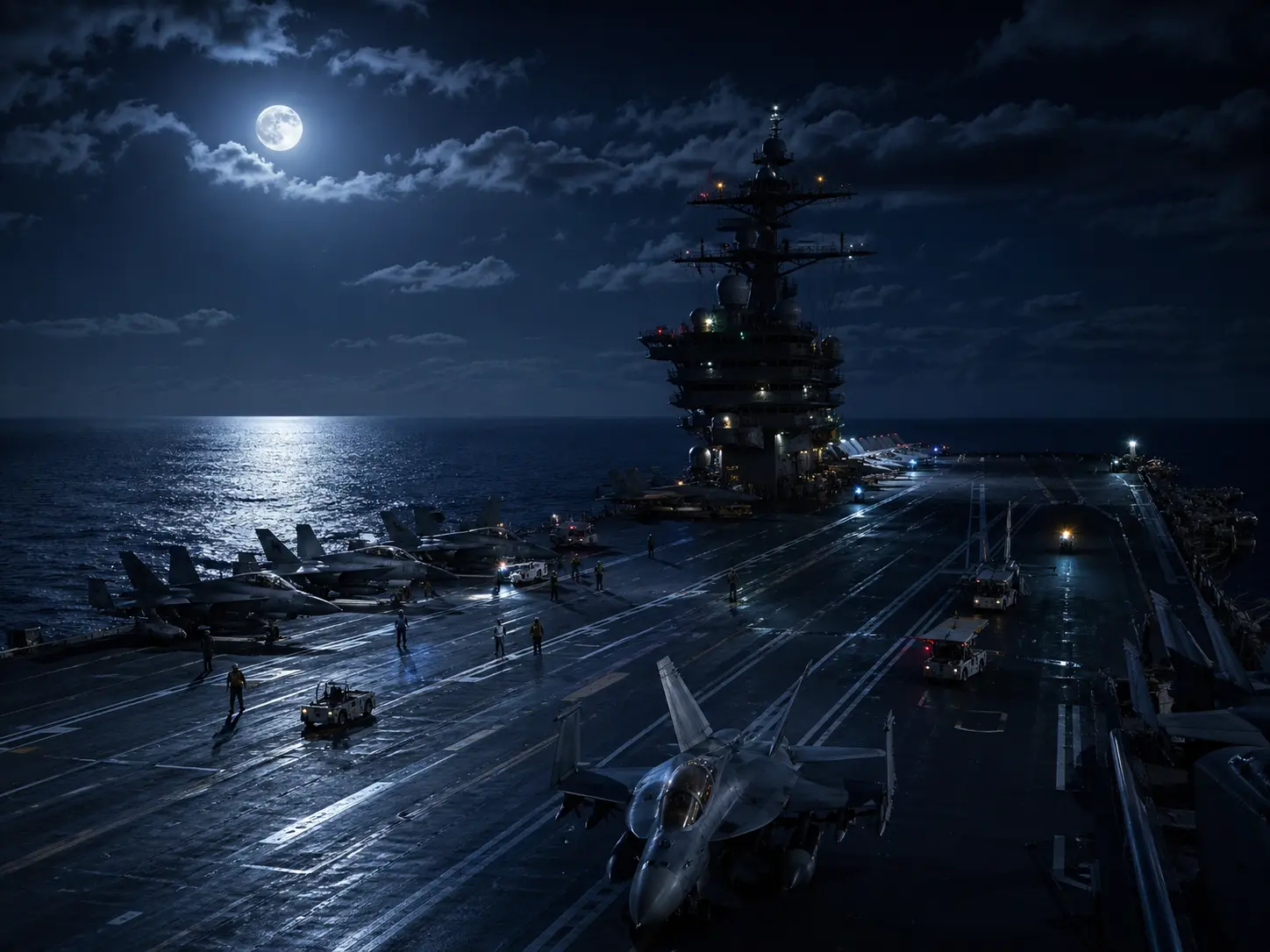
Catching 35 mm cables
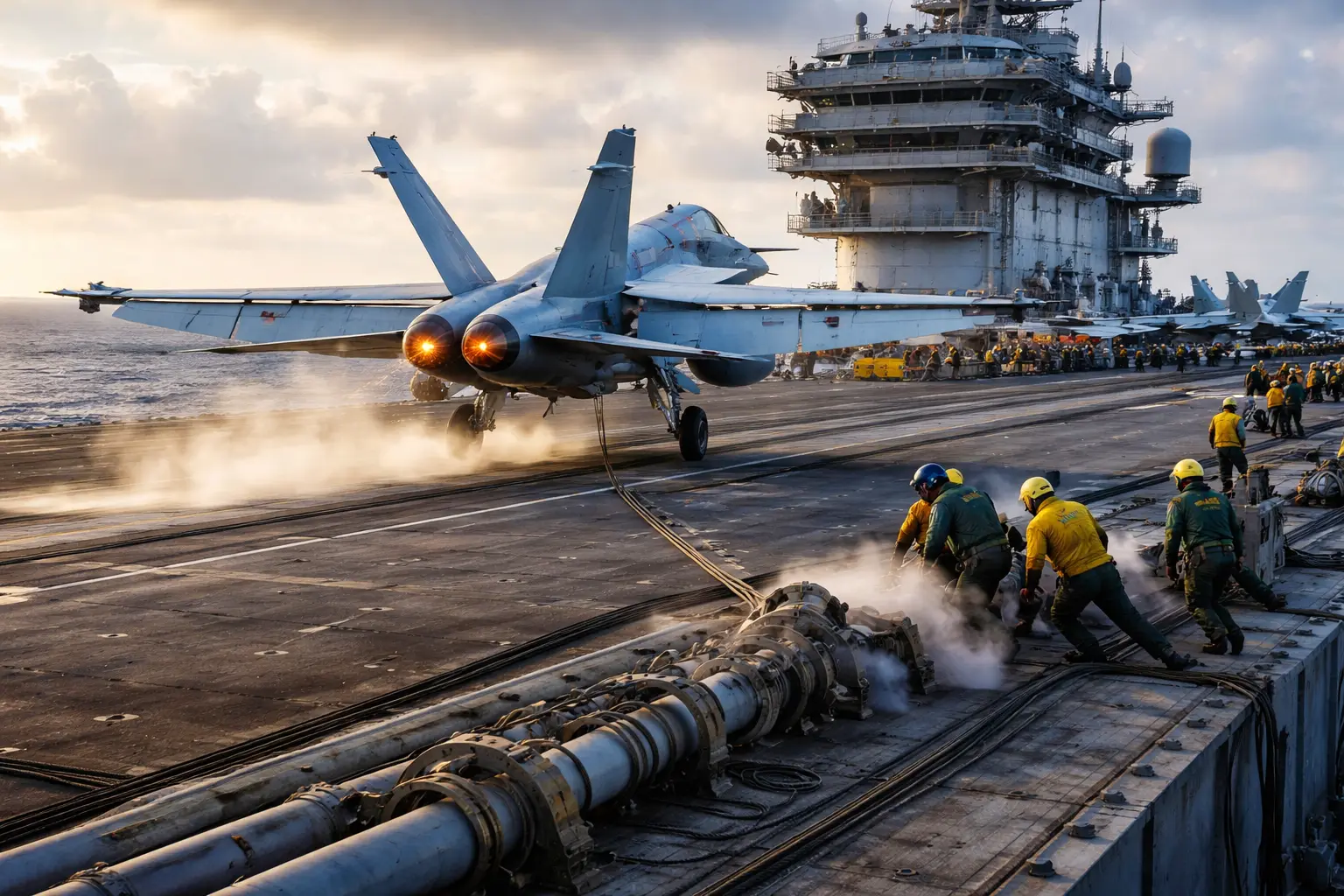
The flight deck is equipped with four high-tensile steel arresting cables, which are approximately 35 mm thick. United States naval aviators typically aim to catch the third wire. Missing these cables entirely can lead to a fatal accident.
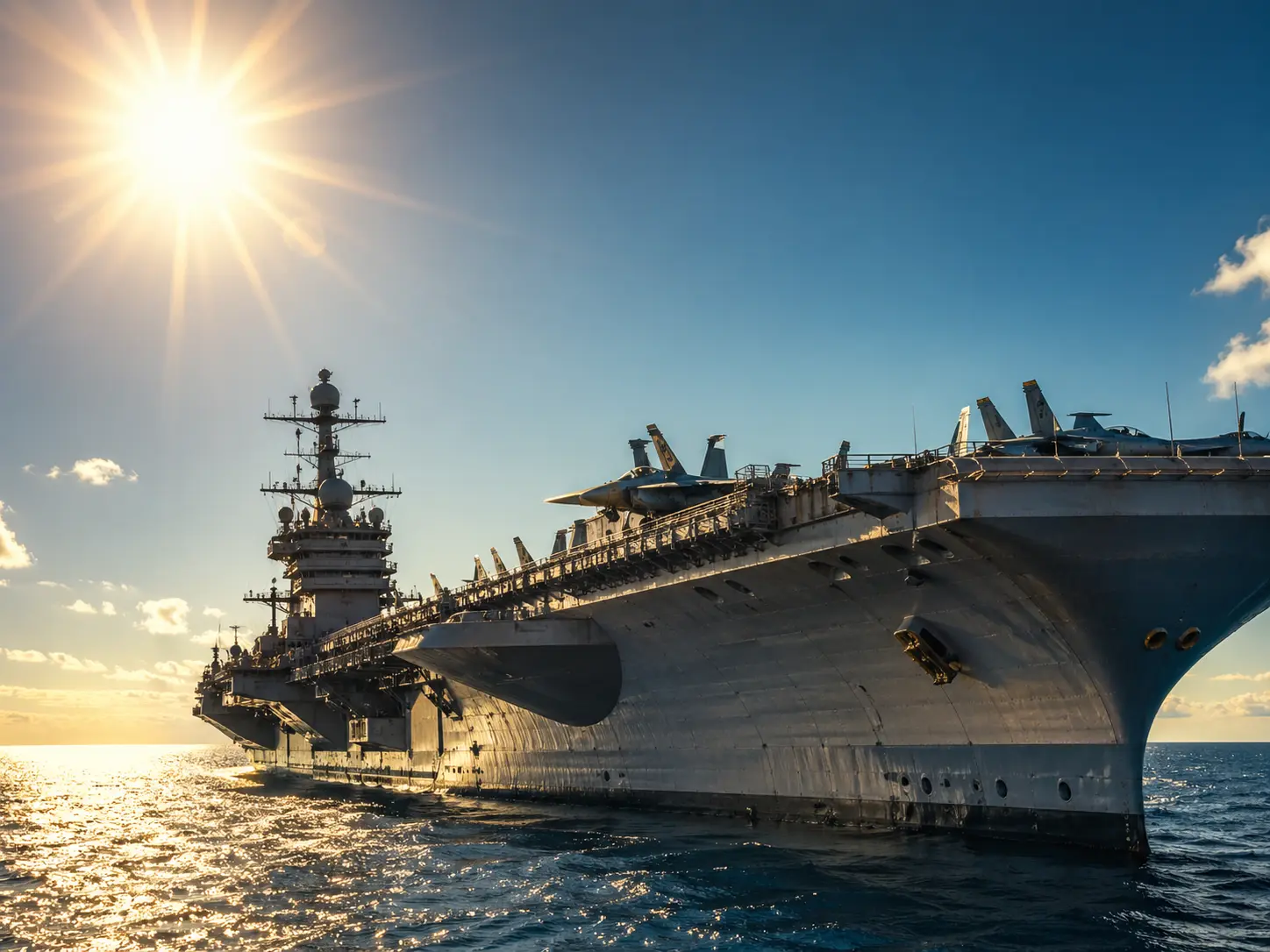
Stopping heavy 21,000-kilogramme fighter jets
While modern carrier aircraft like the F-35C can weigh up to 31,800 kilogrammes at takeoff, they must burn fuel or drop ordnance to reach a safe landing weight of around 21,000 kilogrammes. Even at this reduced weight, a specialized tailhook installed at the rear of the aircraft must catch a steel deck wire to arrest tremendous kinetic energy. The hydraulic engines below the deck absorb the immense shock.
100% full engine thrust
It appears completely counterintuitive, but pilots apply 100 per cent engine power the exact moment their wheels hit the deck. If the tailhook misses the wires, the aircraft requires immediate maximum thrust to take off again and avoid plunging into the sea.
Pitching 332-metre flight deck
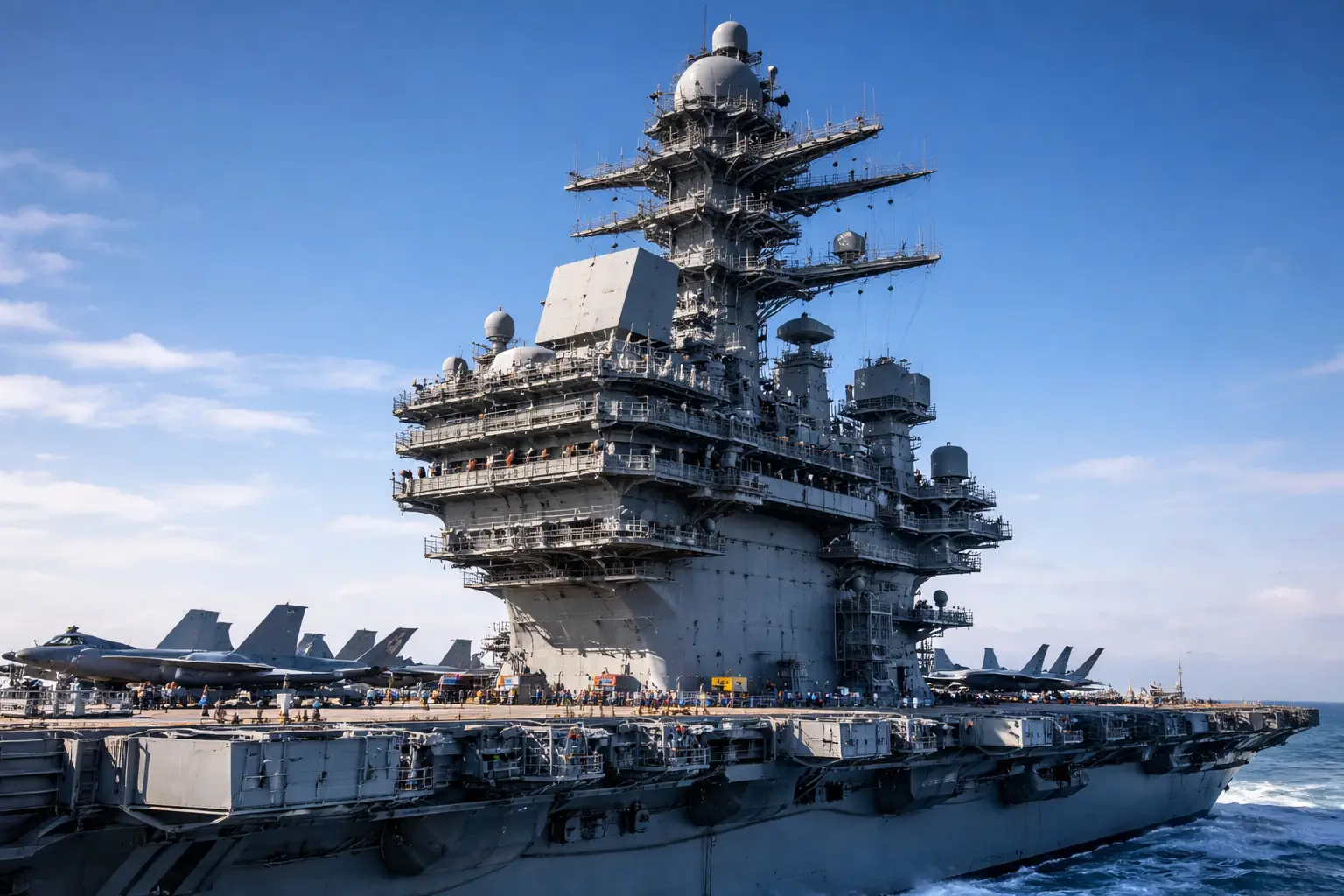
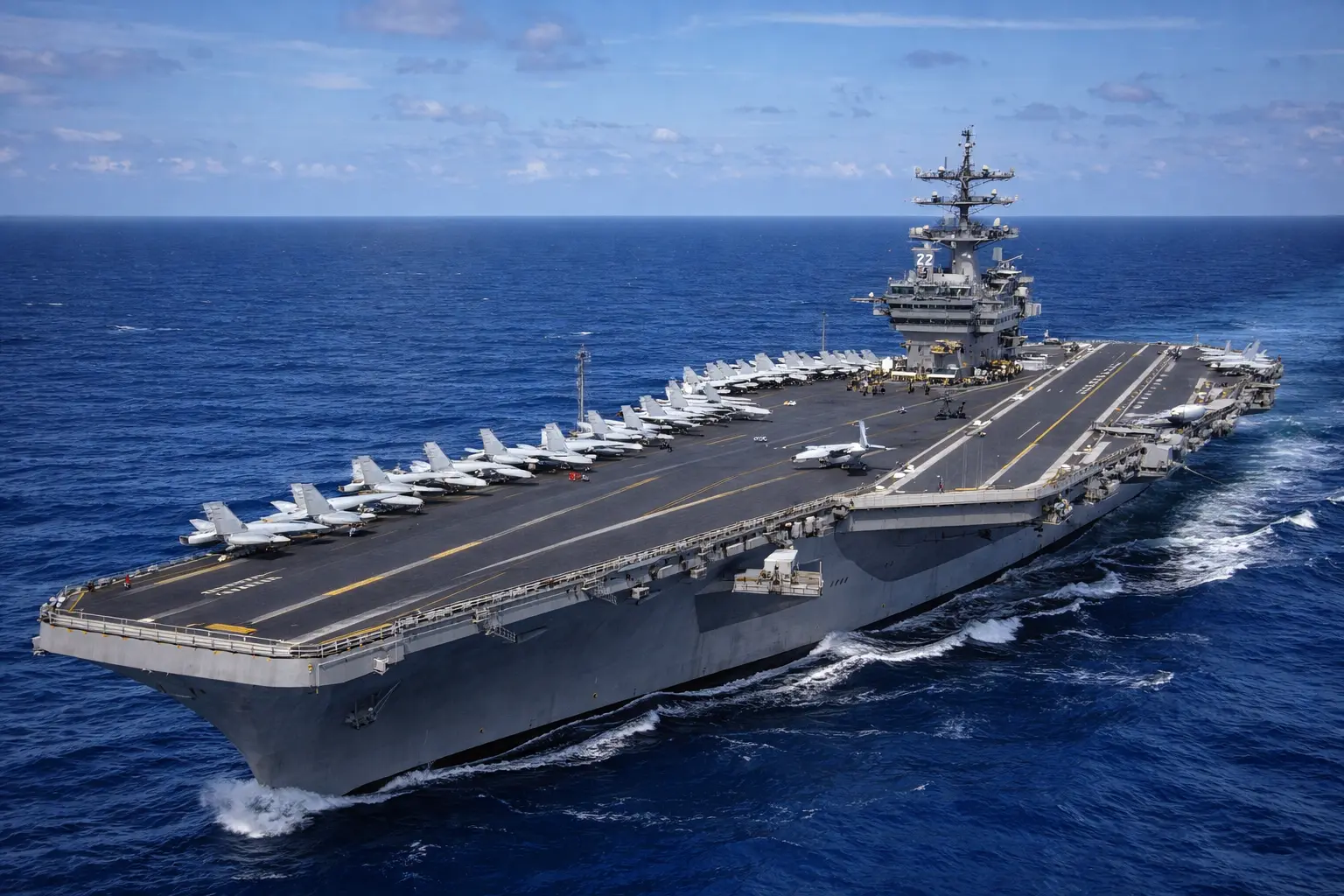
The USS Abraham Lincoln is a 332-metre-long floating airbase that constantly pitches and rolls with the waves. Pilots must calculate this unpredictable deck movement while battling crosswinds. Landing at night strips away the natural visual horizon, making it even harder.
Deploying 6-metre emergency nets
If the tailhook malfunctions or the aircraft sustains severe damage, the deck crew raises an emergency barricade net. This 6-metre-high webbing spans across the deck to safely catch the incoming jet. It operates as a final safety measure when standard recovery fails.
)
)
)
)
)