'Can fit 2,000 Earths inside’: Scientists discover Jupiter was once even bigger than it is today

Edited By Abhinav Yadav
Published: May 23, 2025, 21:05 IST | Updated: May 23, 2025, 21:06 IST
New research shows Jupiter was once twice its current size, holding over 2,000 Earths. Its strong magnetic field shaped the early solar system. Studying its tiny moons helped scientists unlock secrets of planet formation and our cosmic origins.
1 / 7
(Photograph: Wikipedia)
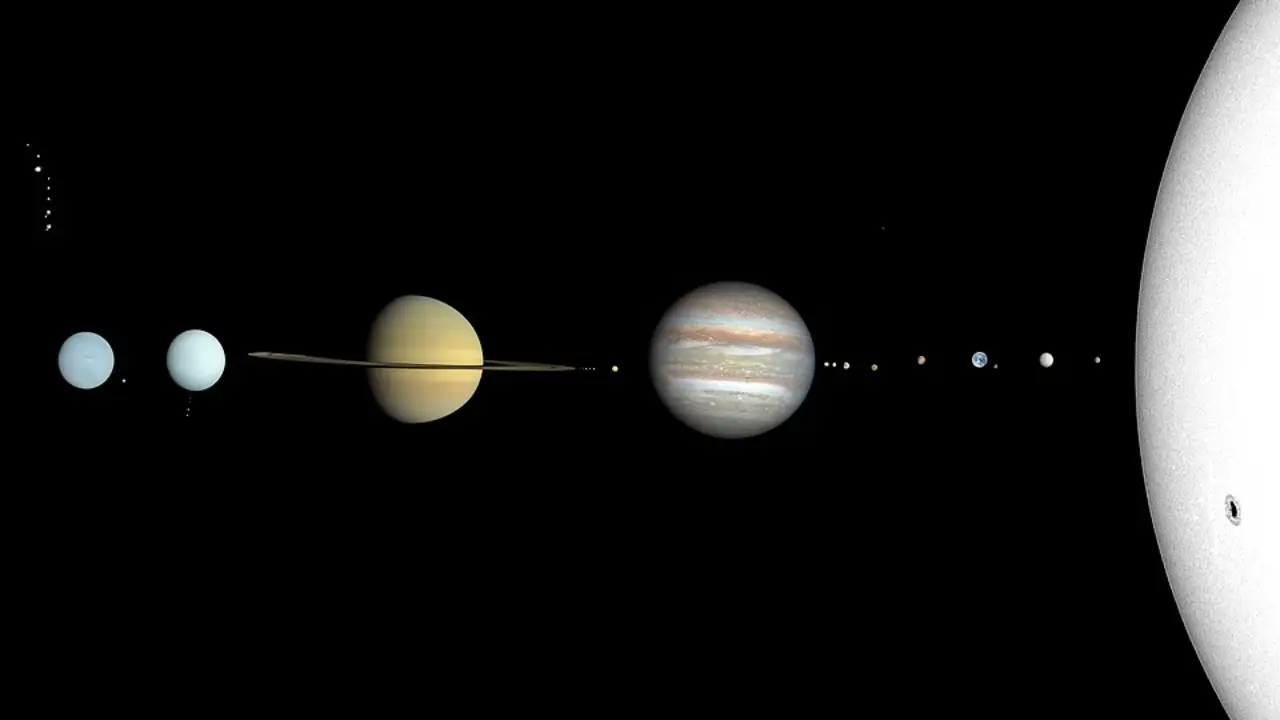
Jupiter: The Giant That Was Even Bigger
New research reveals Jupiter was once twice as big as it is now. Early Jupiter could have held more than 2,000 Earths, making it a true giant in our young solar system.
2 / 7
(Photograph: ESA)
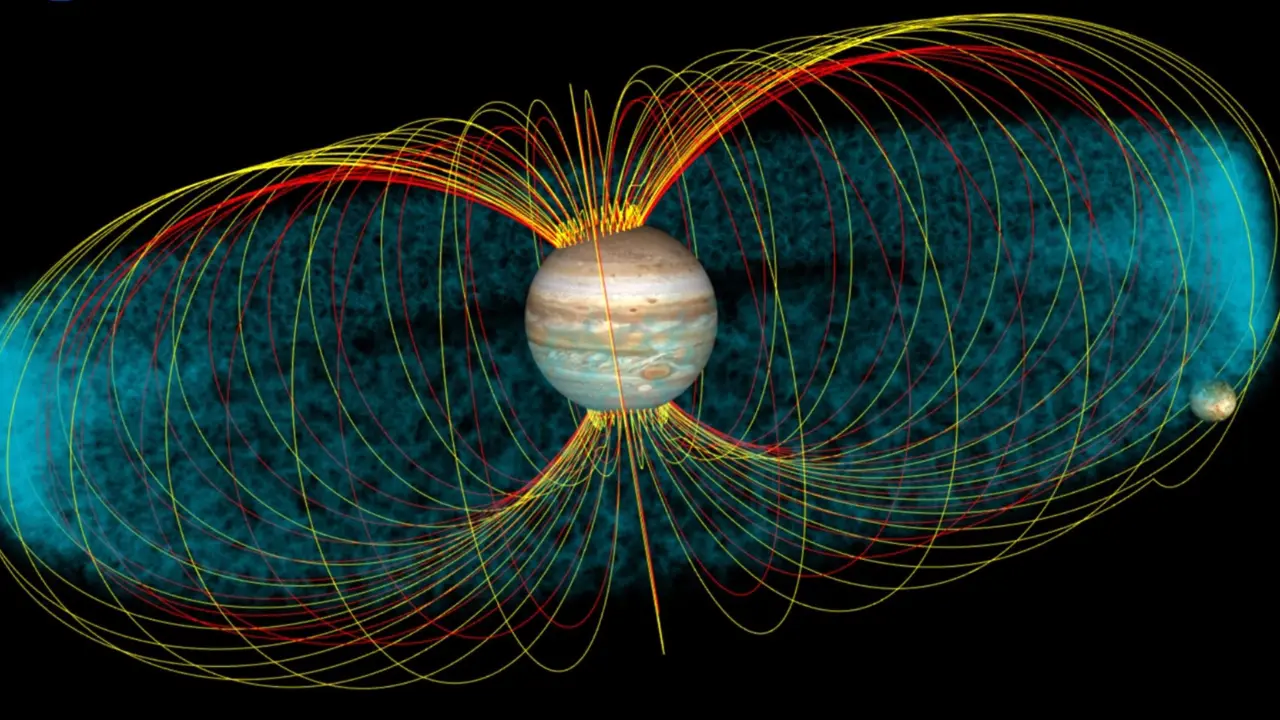
A Planet With Super Strength
Just 3.8 million years after the first solid objects formed, Jupiter’s magnetic field was 50 times stronger than today. This powerful force helped shape the solar system’s layout.
3 / 7
(Photograph: NASA)
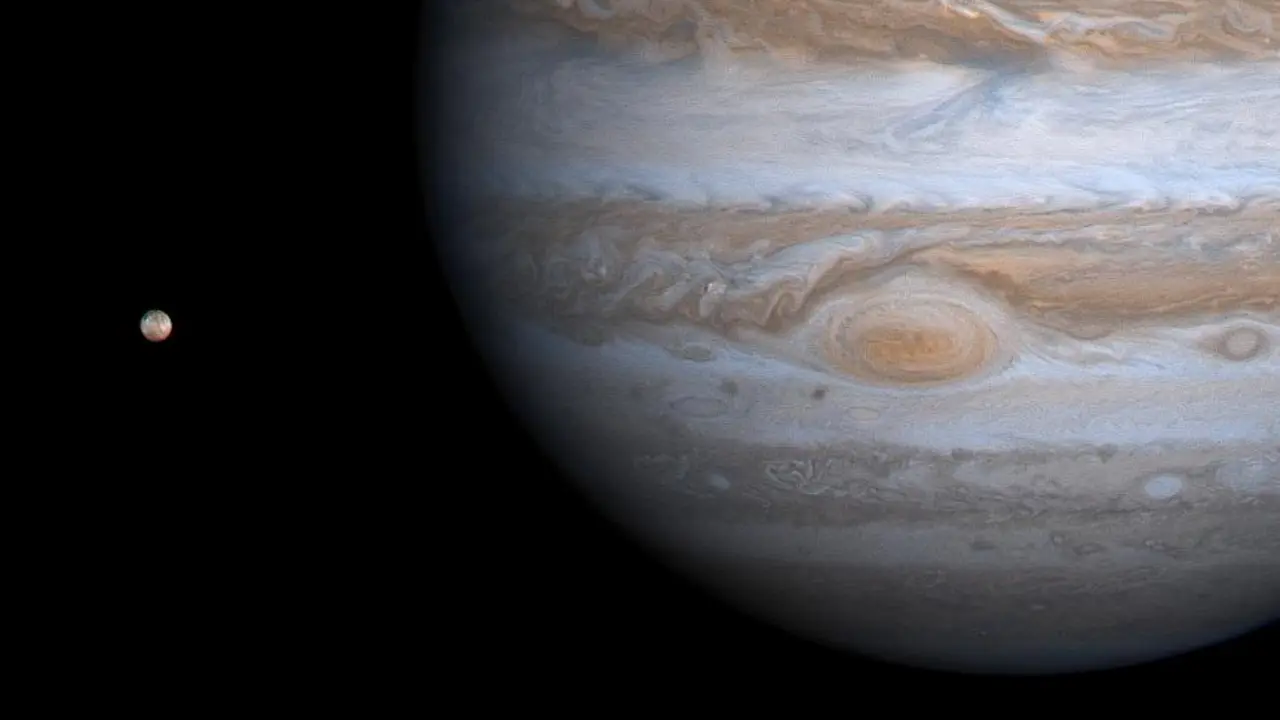
How Did Scientists Discover This?
Researchers studied Jupiter’s tiny moons, Amalthea and Thebe. Their slightly tilted orbits, unchanged for billions of years, helped scientists “rewind” time and measure Jupiter’s ancient size.
4 / 7
(Photograph: X)
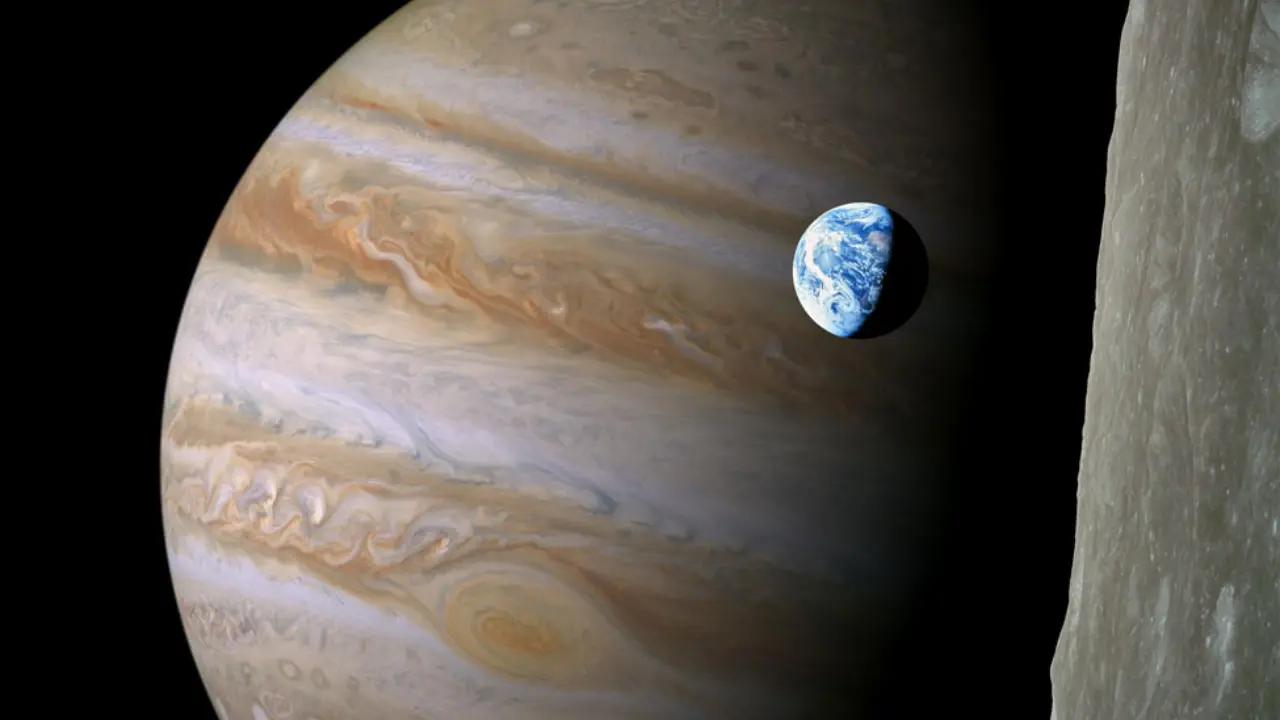
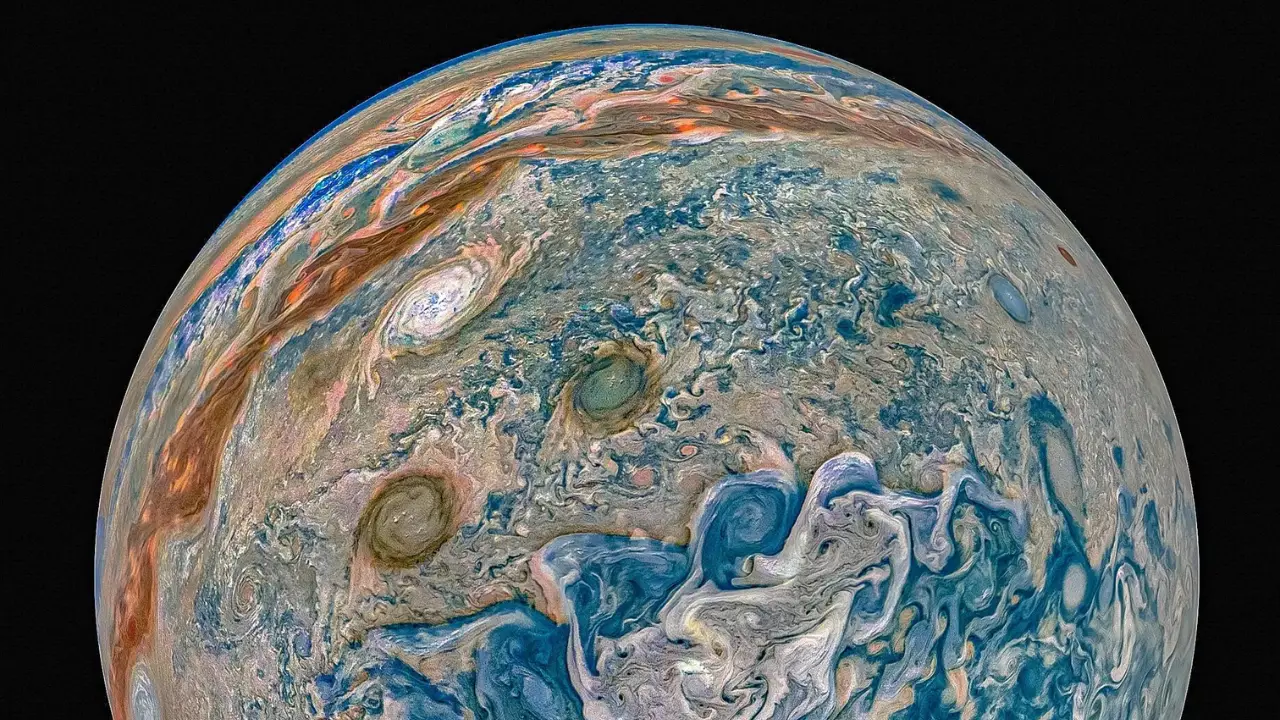
Jupiter’s Volume: 2,000 Earths Inside!
Early Jupiter had a radius nearly twice its current size, with a volume large enough to fit over 2,000 Earths. Today, it can “only” fit about 1,321 Earths inside.
5 / 7
(Photograph: NASA)
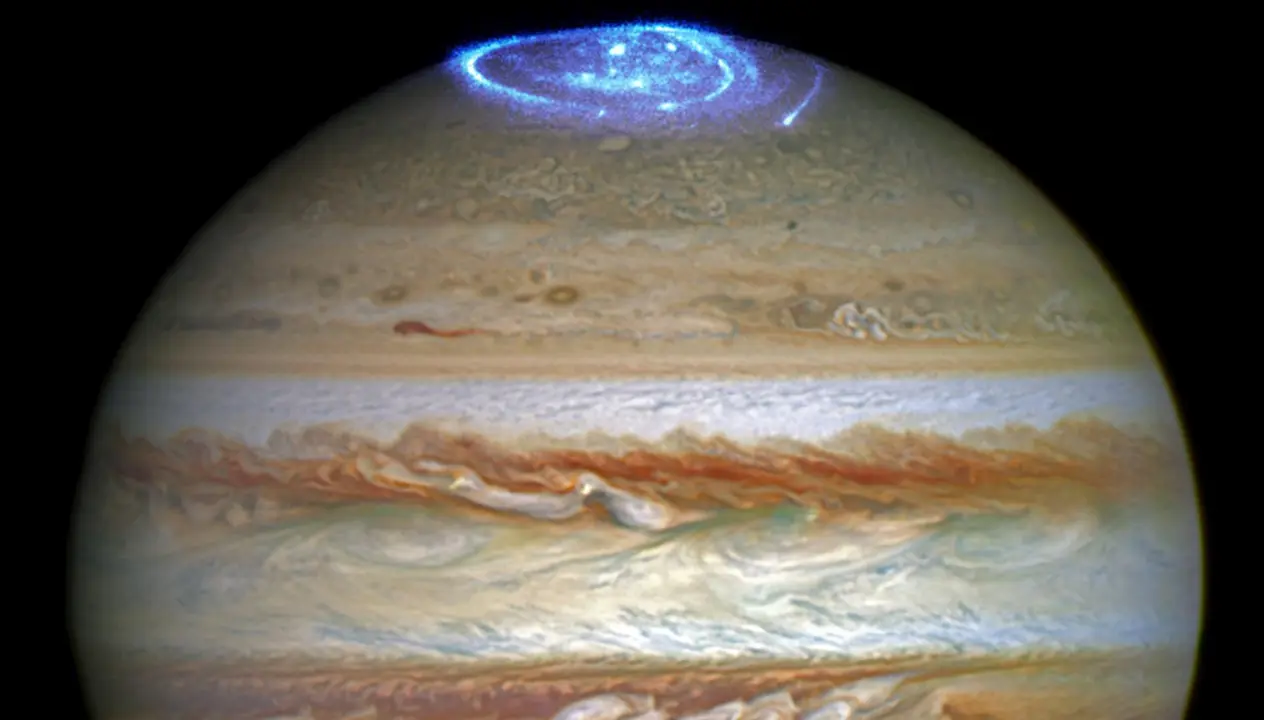
Jupiter, the Solar System’s Architect
Jupiter’s huge gravity shaped the orbits of other planets and helped build the solar system’s structure. Its early size and power made it a key player in our cosmic history.
6 / 7
(Photograph: NASA)
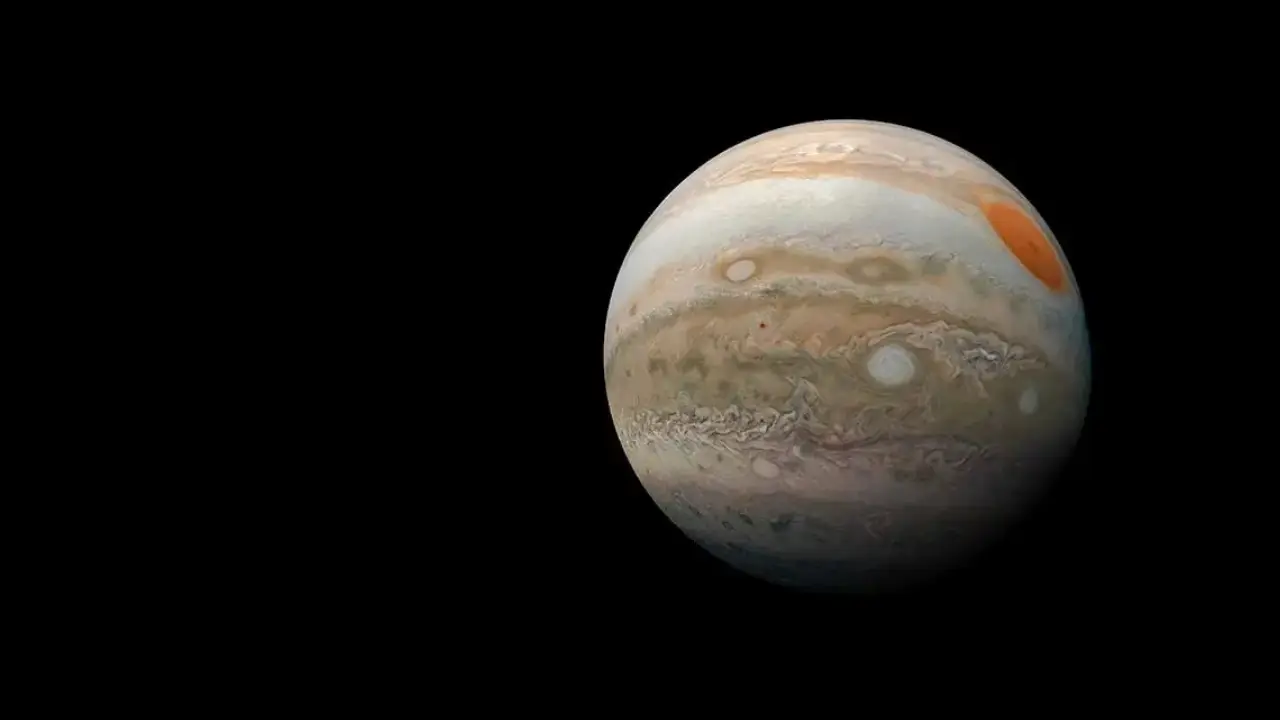
What Made Jupiter Shrink?
As the gas and dust around the young Sun faded, Jupiter shrank under its own gravity. Its volume dropped, but its influence on the solar system remained strong.
7 / 7
(Photograph: NASA)
Why This Discovery Matters
Understanding Jupiter’s giant past helps scientists unlock the story of planet formation. It’s a crucial step in learning how our solar system and life on Earth came to be.
)
)
)
)
)