'California on alert': Can Mexican cartels help Iran attack US mainland to avenge El Mencho?

The sophistication of cartel drone warfare has accelerated at a terrifying pace. Security analysts have recently tracked Mexican cartel operatives traveling directly to the frontlines of the Ukraine war to study advanced drone tactics.
1. The Convergence of Vengeance
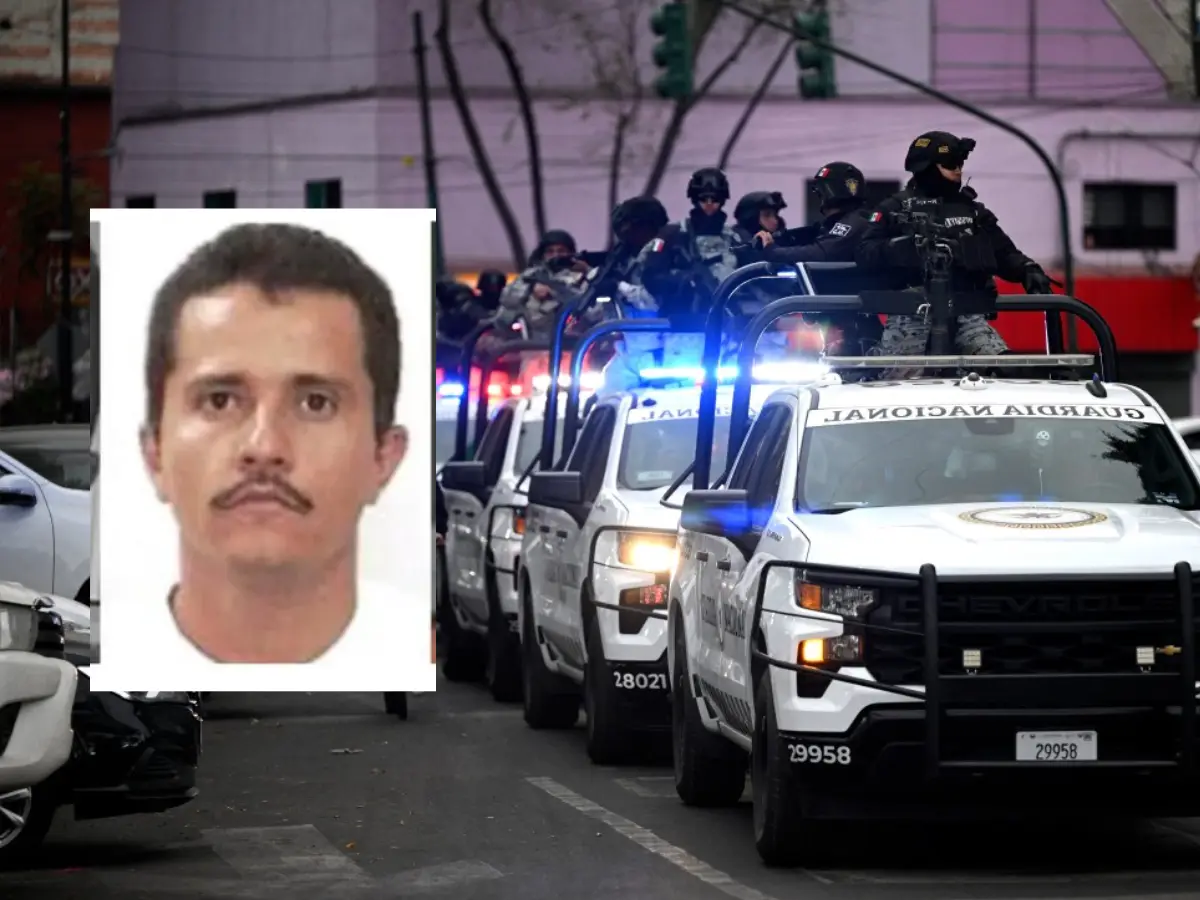
The timing of these two crises has created a dangerous geopolitical overlap. On February 22, 2026, Mexican special forces, backed by US intelligence, killed CJNG kingpin "El Mencho," triggering massive retaliatory violence across 20 Mexican states. Just days later, the US launched "Operation Epic Fury" against Iran. Now, both Tehran and the CJNG share a mutual, burning desire to inflict pain on the United States. Intelligence officials fear Iran's established network in Latin America could easily facilitate a transactional partnership with the enraged cartel.
2. CJNG’s Elite 'Drone Operators' Unit
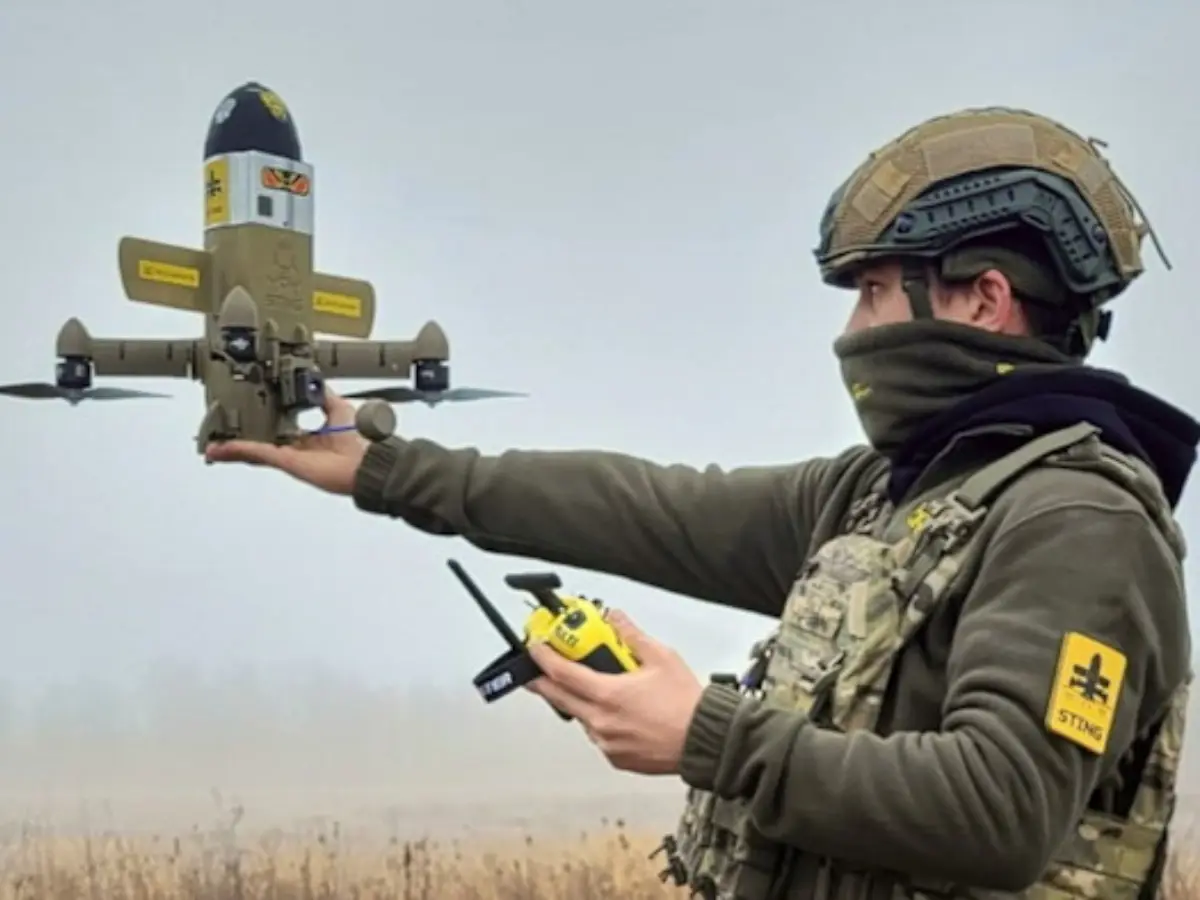
Iran does not need to teach the cartels how to wage aerial warfare; El Mencho's syndicate is already doing it. The CJNG is widely recognised as the pioneer of narco-drone warfare and even boasts a specialised internal wing known as the "Drone Operators" unit. Over the past five years, CJNG has carried out dozens of documented kamikaze drone strikes against rival gangs and Mexican military forces, successfully dropping fragmentation grenades and improvised explosive devices (IEDs) from modified commercial quadcopters.

3. The Ukraine-Tijuana Connection
The sophistication of cartel drone warfare has accelerated at a terrifying pace. Security analysts have recently tracked Mexican cartel operatives traveling directly to the frontlines of the Ukraine war to study advanced drone tactics. By mastering the First-Person-View (FPV) kamikaze drones used to destroy Russian tanks, CJNG pilots have drastically increased their lethal precision. In late 2025, the cartel proved their reach by flying an explosive-laden drone into a heavily fortified state prosecutor’s building in Tijuana, just one single mile from the California border.
4. The 'Ghost Proxy' Advantage for Tehran
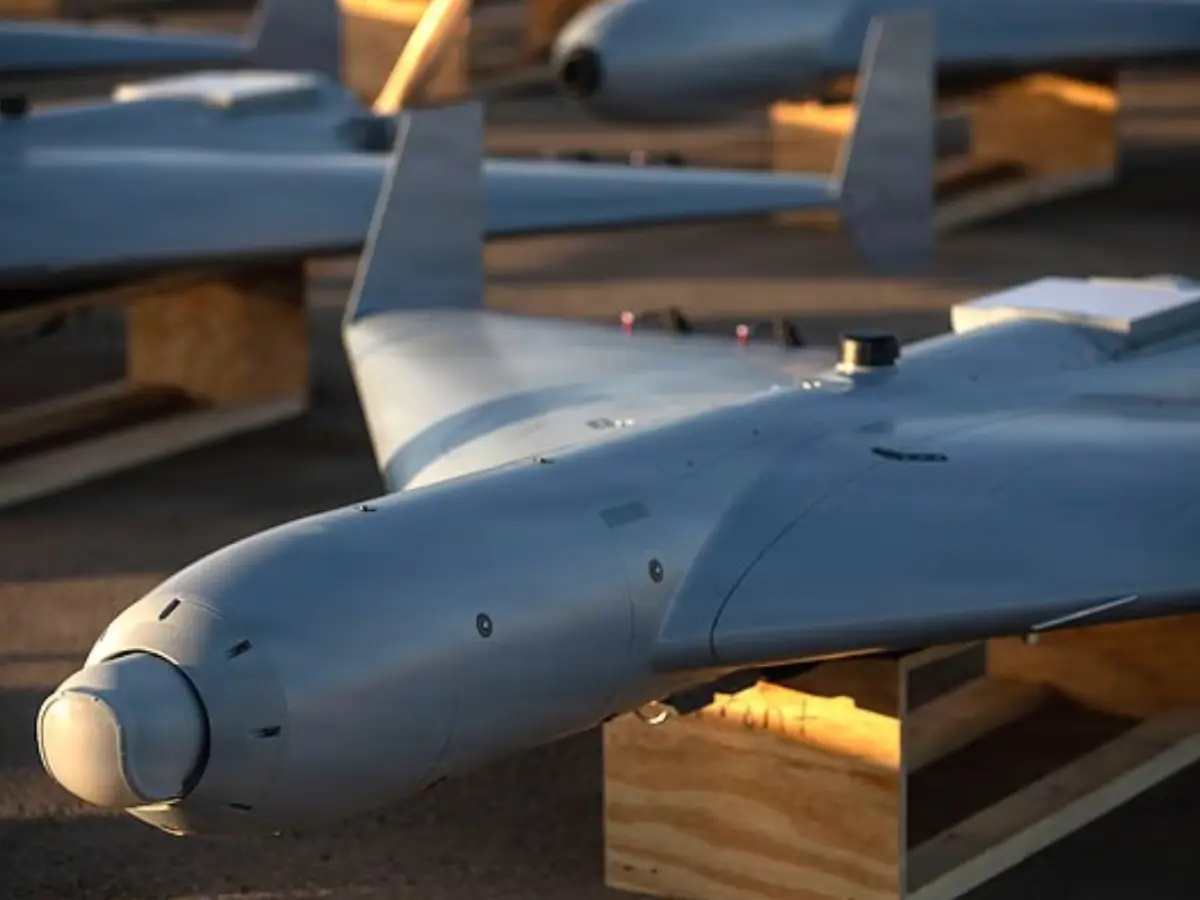
From a military strategy standpoint, outsourcing a homeland attack to the CJNG is the smartest move Iran could make. Attempting to sail an Iranian military vessel across the Pacific Ocean to strike California risks immediate detection and annihilation by the US Navy. However, quietly funding a cartel cell in Baja California to launch a swarm of FPV drones across the border gives Tehran a massive tactical advantage and a critical layer of plausible deniability.
5. Overwhelming the Southwest Border
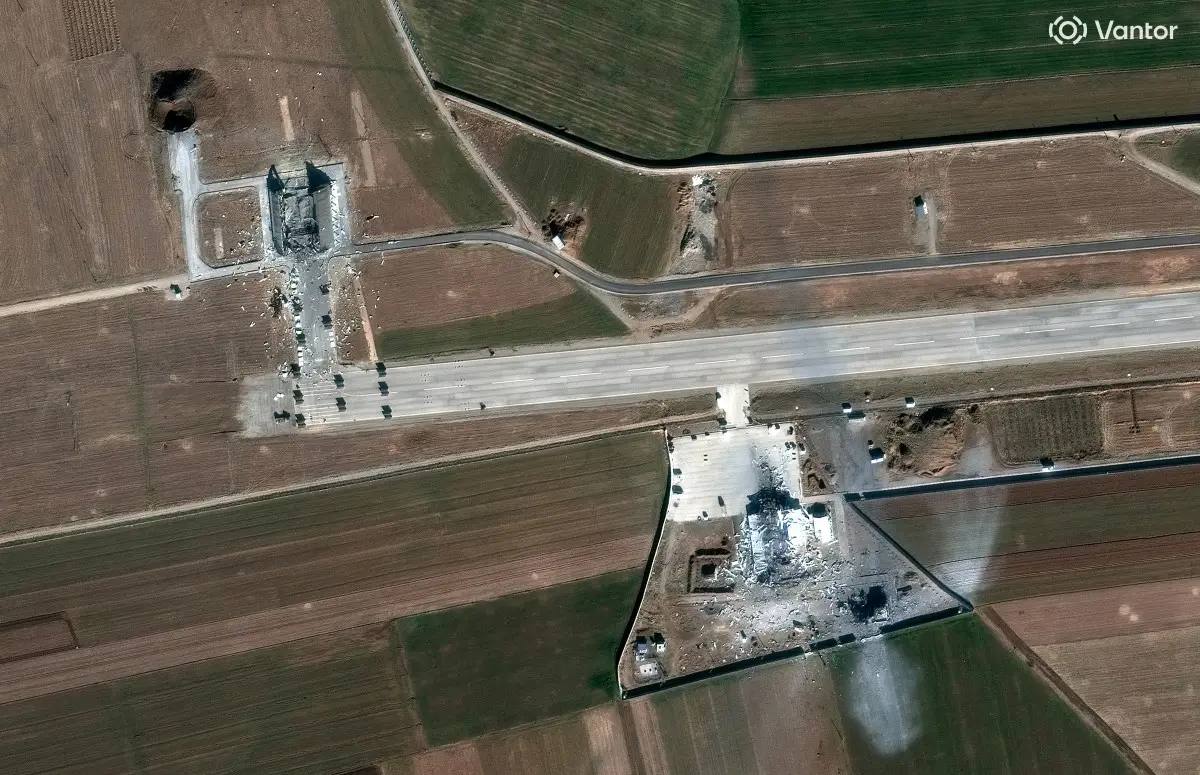
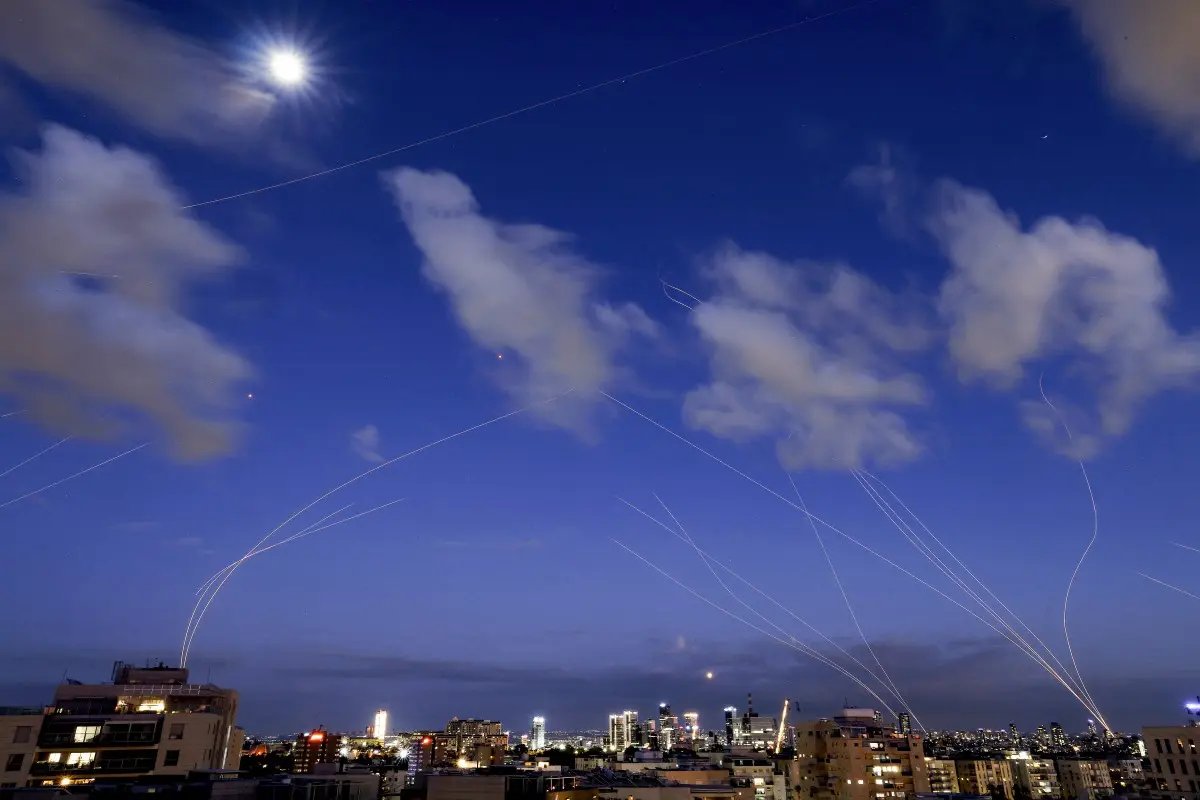
The US border is already struggling to contain the airspace. In the 2025 fiscal year, US Customs and Border Protection (CBP) detected a staggering 34,682 drone flights within 500 meters of the US-Mexico border. Cartels currently use these swarms for reconnaissance and smuggling fentanyl, successfully overwhelming US radio-frequency jammers and radar systems. If Iran provides the explosive payloads, the CJNG already has the established flight paths to deliver them into Southern California undetected.
6. A Match Made in Hell: Cash for Chaos
While Iran is driven by ideology, the CJNG is driven by business and survival. With El Mencho dead, the cartel is facing an internal power vacuum and intense pressure from Mexican authorities. Tehran, heavily sanctioned but possessing massive covert funding networks, could easily finance CJNG splinter factions. Paying the cartel millions to launch a coordinated drone strike on US border infrastructure or California power grids gives the cartel the cash it needs to survive its current war, while giving Iran the homeland strike it desperately craves.
7. California's Proximity Nightmare
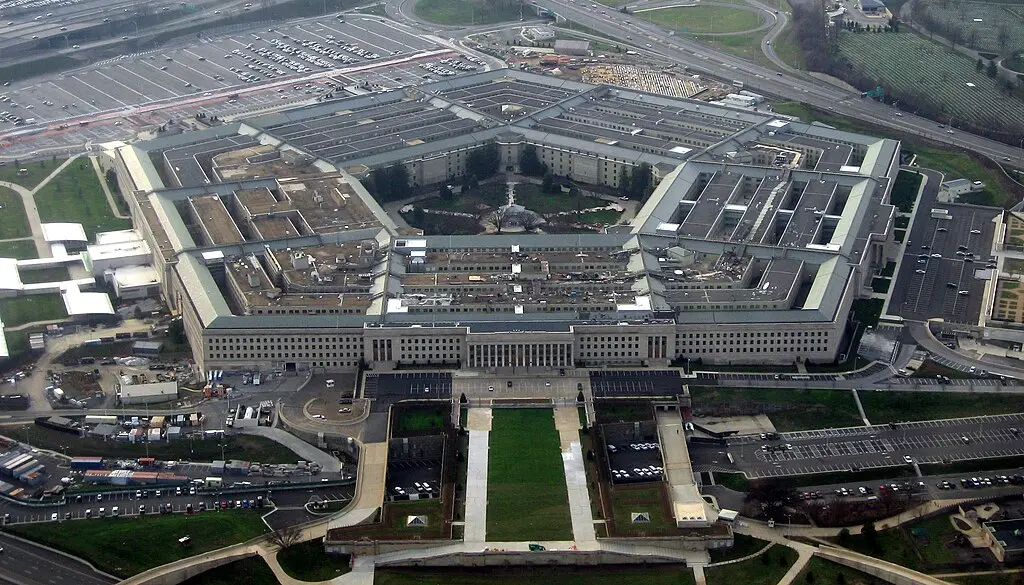
The FBI alert regarding an "offshore vessel" may ultimately be a misdirection. The real threat lies directly to the south. With major California population centers and critical military infrastructure—including the San Diego Naval Base—sitting just minutes away from CJNG-controlled territory in northern Mexico, the US military is being forced to treat the southern border not just as a drug smuggling crisis, but as the potential frontline for a Middle Eastern proxy war.
)
)
)
)
)