'Built to own skies': Did Iran just expose 'stealthy' F-35 fighter jet? Why the claim is more alarming than it sounds

The F‑35 is among the most costly aircraft ever produced. Its unit price, including ancillary costs such as depot maintenance, ground support equipment, and spare parts, is estimated at $110.3 million for the F‑35A, $135.8 million for the F‑35B, and $117.3 million for the F‑35C.
Introduction: A Stealth Fighter Hit in Combat
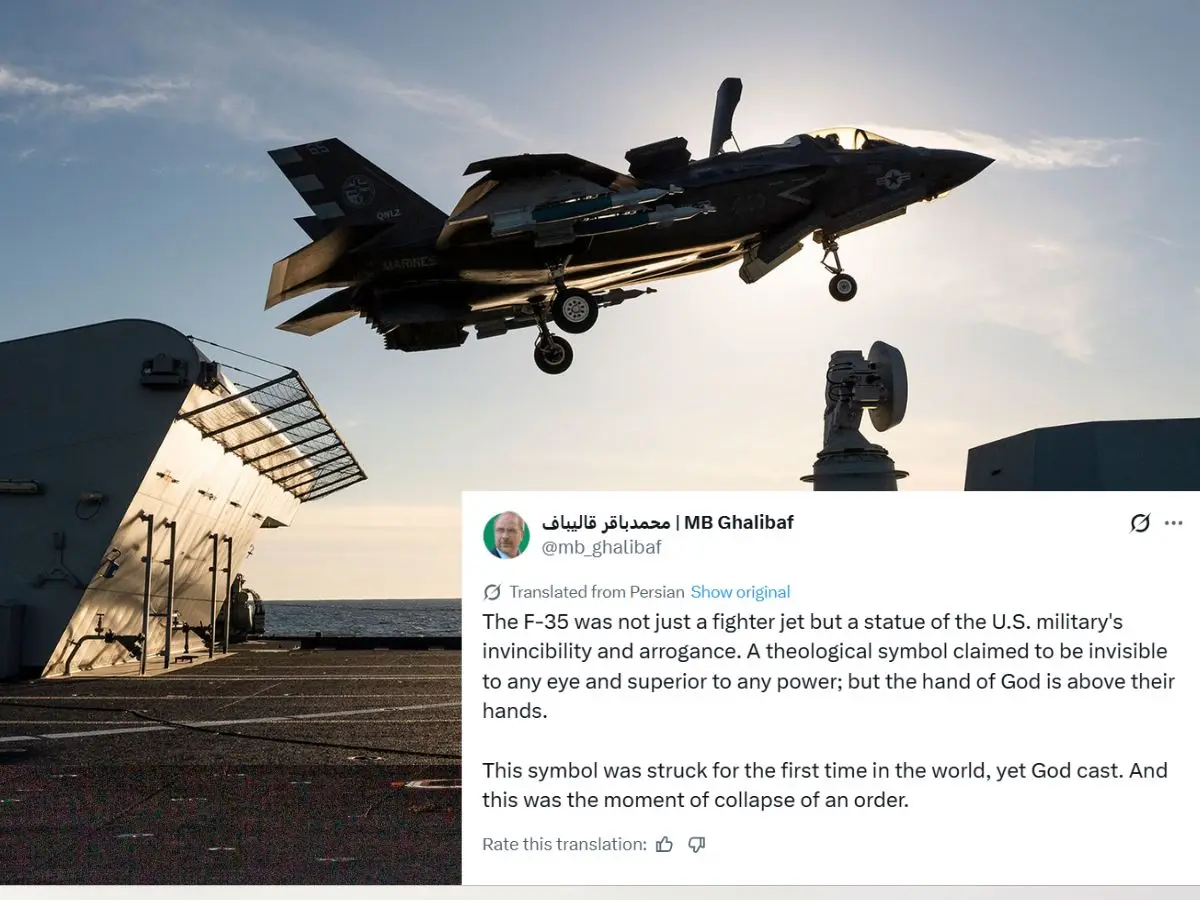
Iran has claimed that they struck a Lockheed Martin F‑35 Lightning II during a mission over Iranian territory, drawing global attention to the potential vulnerability of one of the world’s most advanced combat aircraft. US officials have, however, not independently verified Iran’s claim. They confirmed that a US Air Force F‑35 was forced to make an emergency landing at a Middle Eastern air base. “The aircraft landed safely, and the pilot is in stable condition,” said Captain Tim Hawkins, spokesman for US Central Command, according to AFP. The incident, currently under investigation, is one of the first reports of a stealth aircraft being damaged by hostile fire in this conflict.
What Happened Over Iran
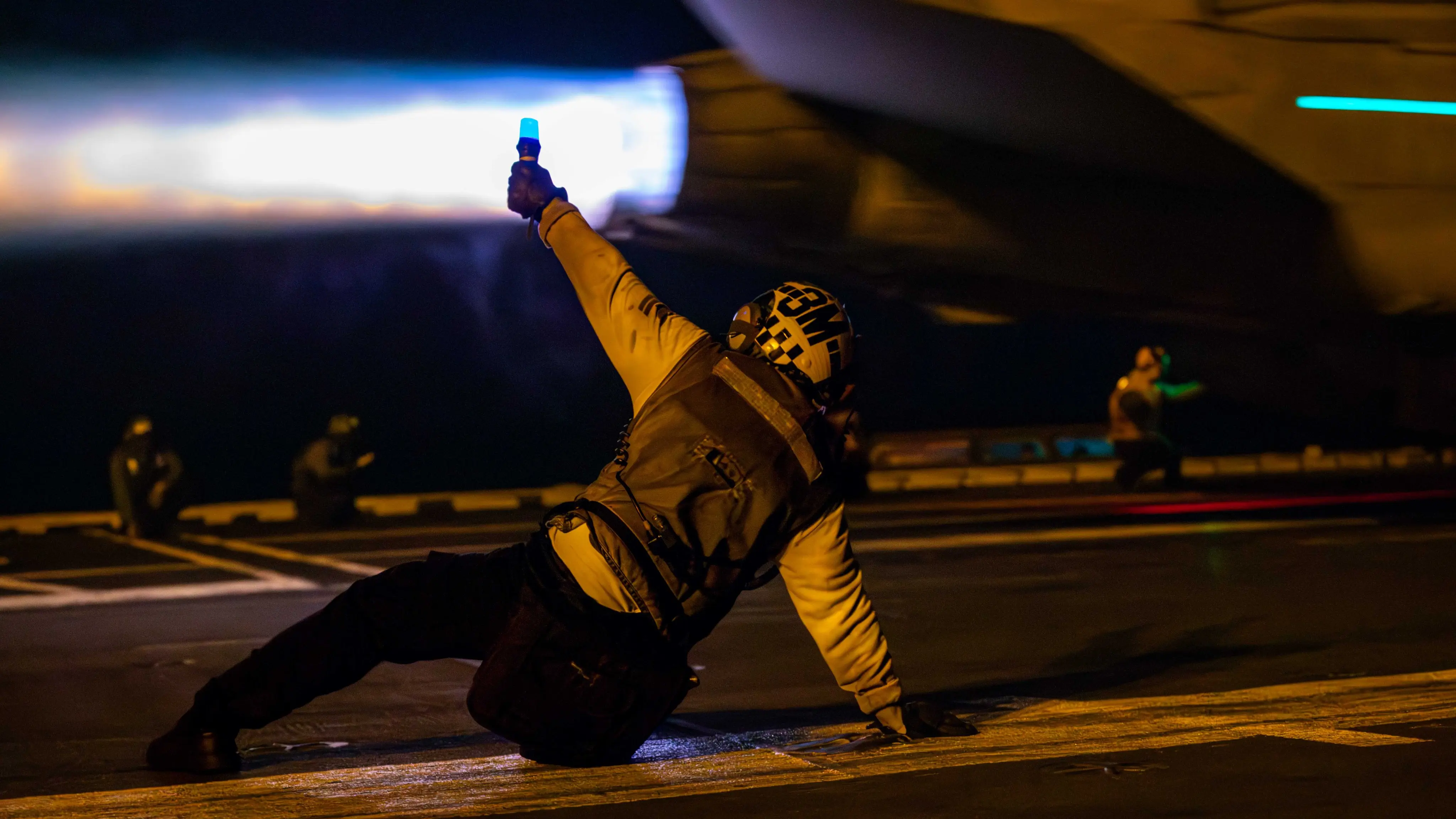
According to American media reports, the F‑35 was on a combat mission over Iran when it was struck by what is believed to be Iranian air defence fire, forcing a diversion to a nearby base where it landed safely.
F-35: design and capabilities
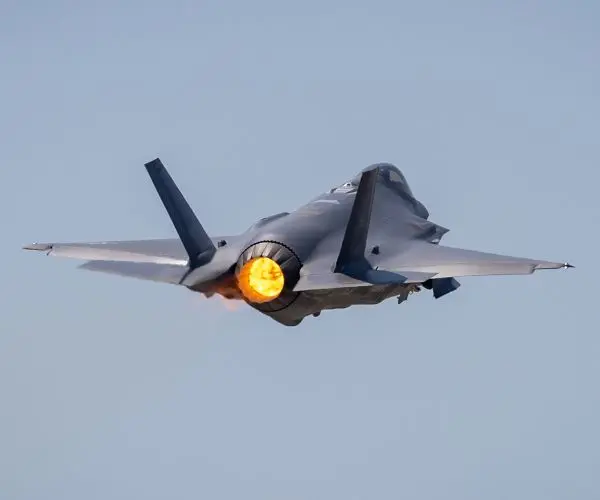
The F-35 Lightning II is a fifth-generation, multi-role fighter built for air superiority, precision strike, reconnaissance and intelligence gathering. Lockheed Martin describes it as combining “unmatched stealth, advanced sensors and radar-jamming technology” to operate effectively in highly contested environments. It integrates information fusion and network-enabled operations to give pilots enhanced situational awareness.
Sensor fusion and electronic warfare
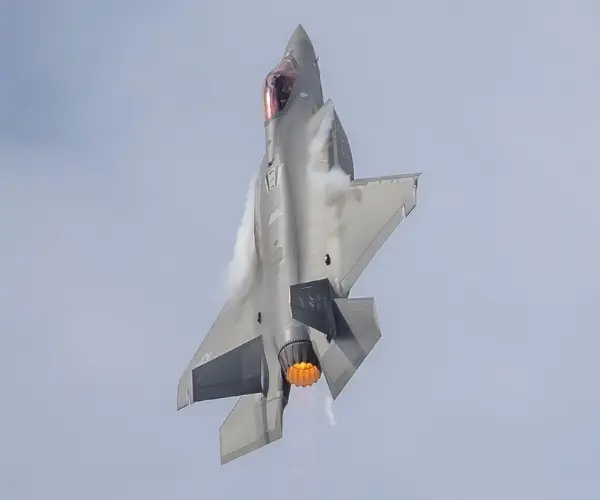
The F-35 uses radar-absorbent coatings and carries weapons internally to maintain a low observable profile. In addition to passive stealth, the F-35 integrates advanced sensors, an Active Electronically Scanned Array (AESA) radar, and electronic warfare capabilities to detect threats, jam enemy radar, and share real-time data with allied assets. These features enable pilots to identify and engage threats before being detected themselves. While not invisible, the F-35’s combination of shaping, materials, sensors, and electronic warfare makes it extremely difficult to detect and target.
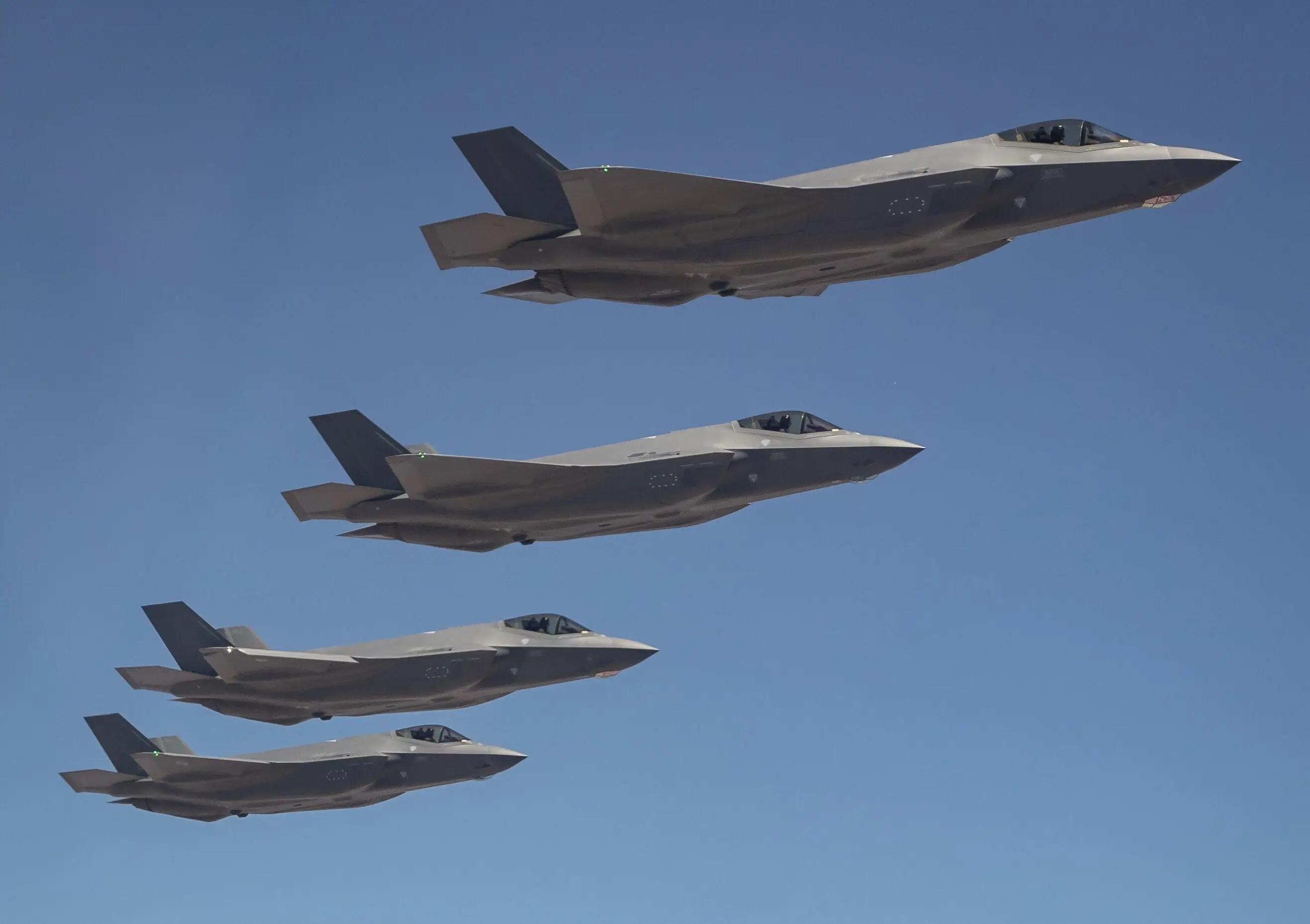
built to own the skies
According to Lockheed Martin, the F‑35 is “redefining air dominance for the 21st century.” No longer merely a fighter, it functions as a command‑and‑control hub capable of coordinating both manned and unmanned missions. Designed to lead manned‑unmanned teaming operations, exemplifying its original purpose: it was built to own the skies. The claim of it being struck is especially significant because, for years, the F‑35 has represented near‑invisible dominance in contested airspace, a platform engineered to penetrate the most advanced air defence systems while remaining difficult to detect.
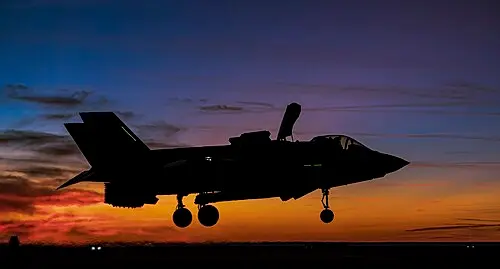
Strategic Implications of the Incident
The significance of an F‑35 being hit extends beyond the damage to a single aircraft; it raises questions about the effectiveness of modern air defences. With several nations operating or having ordered the F‑35, any combat damage to the jet is inherently significant. While one incident does not undermine the aircraft’s overall performance record, it underscores the evolving threats facing even the most advanced stealth technology.
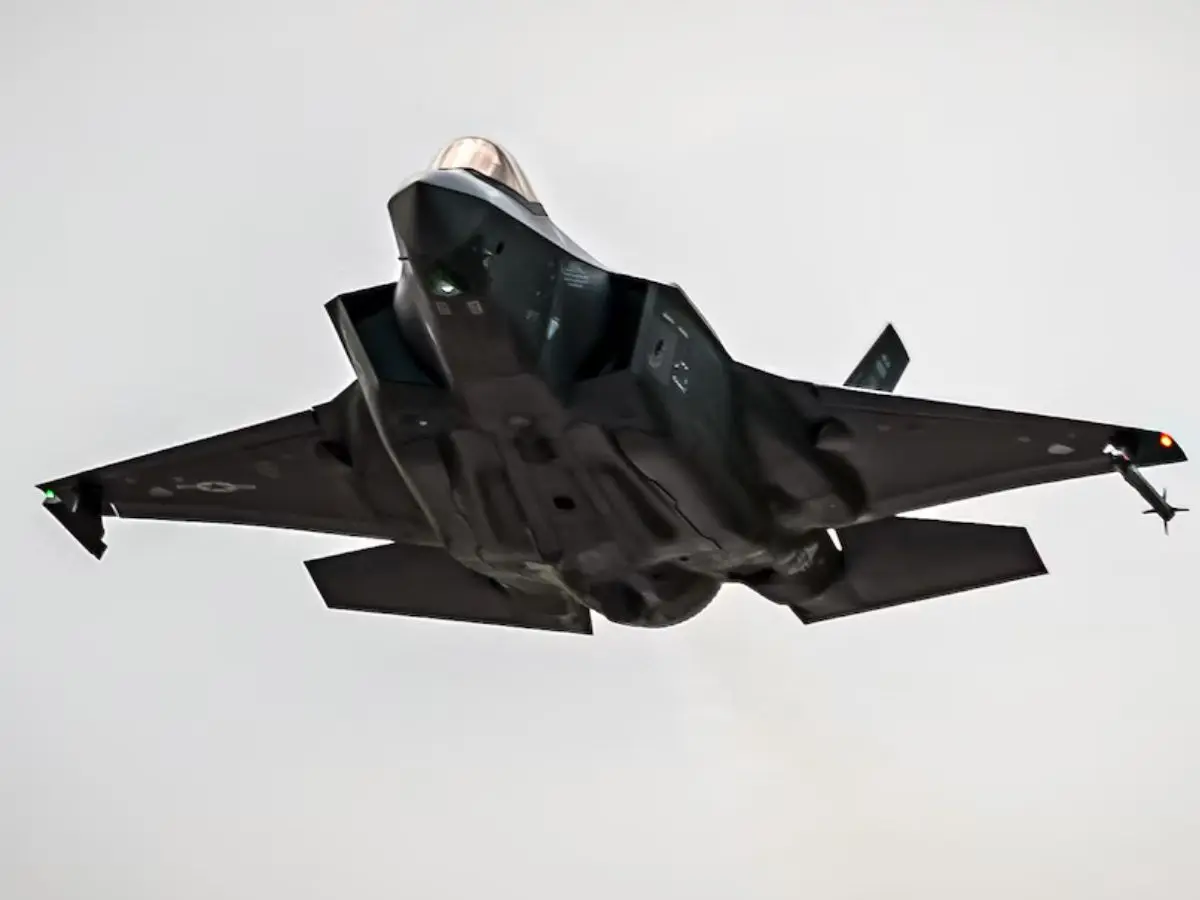
Cost and Investment in the F‑35 Program
The F‑35 is among the most costly aircraft ever produced. Its unit price, including ancillary costs such as depot maintenance, ground support equipment, and spare parts, is estimated at $110.3 million for the F‑35A, $135.8 million for the F‑35B, and $117.3 million for the F‑35C. These figures do not account for the projected $1.3 trillion in life‑cycle costs required to operate and sustain the aircraft over its expected 66‑year service life, making it the most expensive weapons system in United States history, according to Arms Control Center.
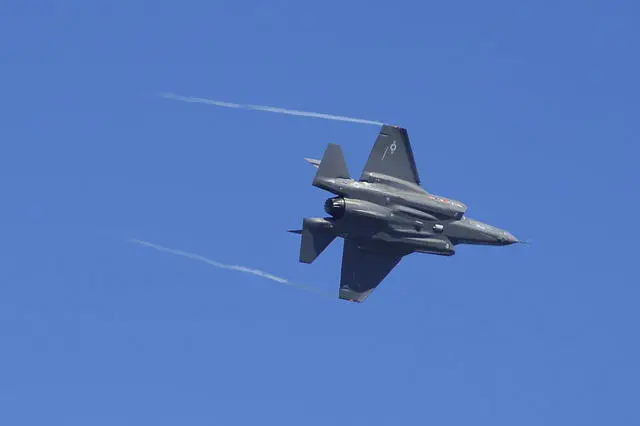
Investment Stakes and Unverified Claims
The scale of this investment underscores why even a single combat damage incident draws global attention and scrutiny, but while Iran has asserted that it struck the aircraft, that claim has not been publicly confirmed by US authorities, which describe the event as an emergency landing after damage during a mission rather than a confirmed shootdown.
)
)
)
)
)