'Breaking Firewall': Understanding Voyager’s data on the edge of interstellar space at 50,000°C

Inside the firewall, solar particles dominate. Outside, interstellar particles take over. Voyager showed how solar influence diminishes sharply at this edge.
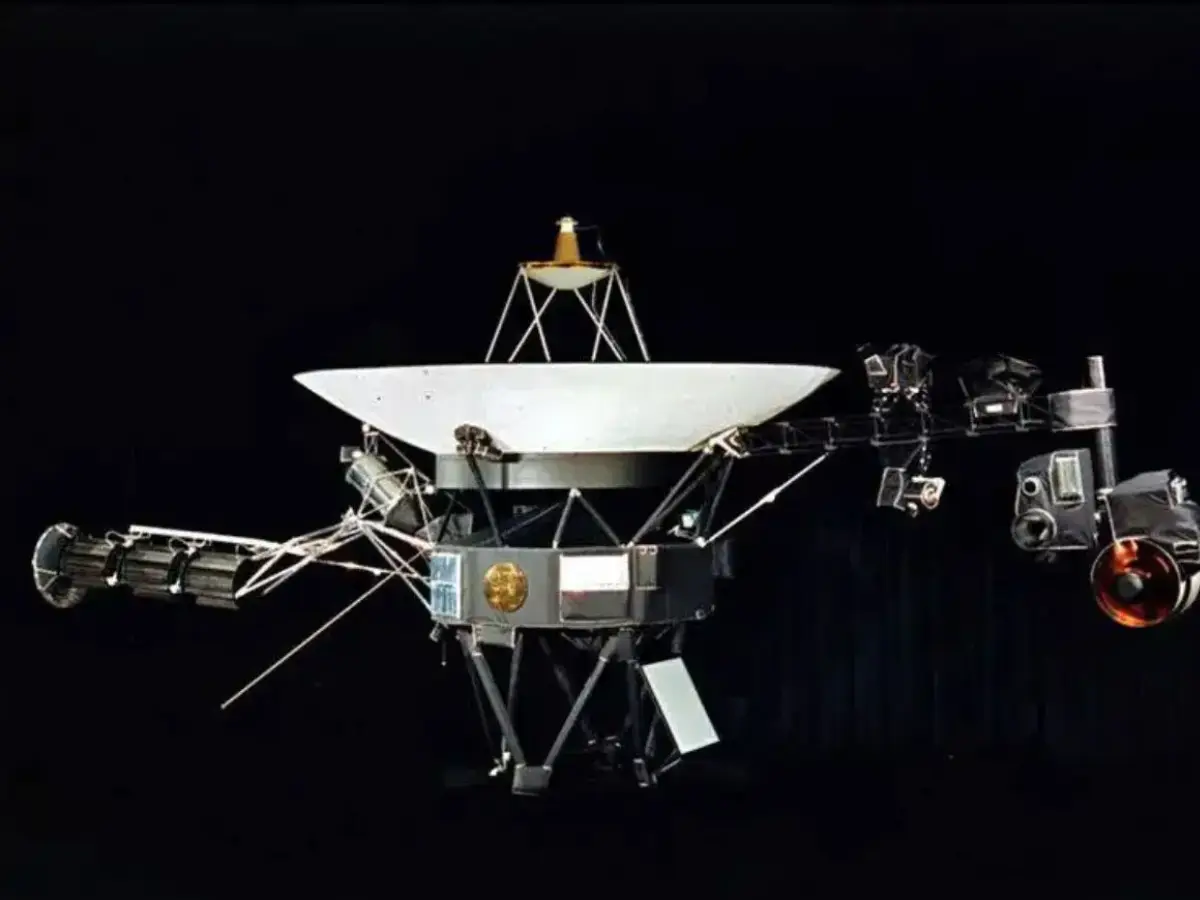
The Solar System’s Outer Wall
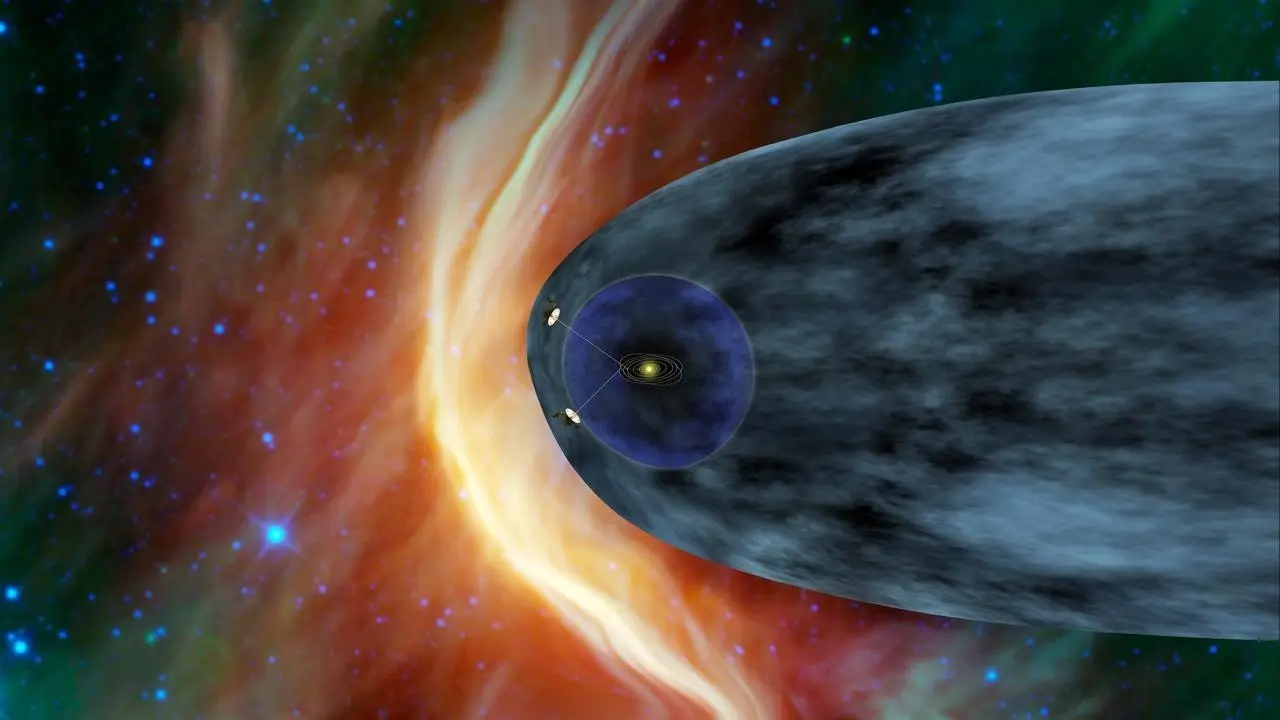
The boundary between solar wind and interstellar space forms a turbulent layer often described as a firewall. It is here that particles, plasma, and magnetic fields shift dramatically.
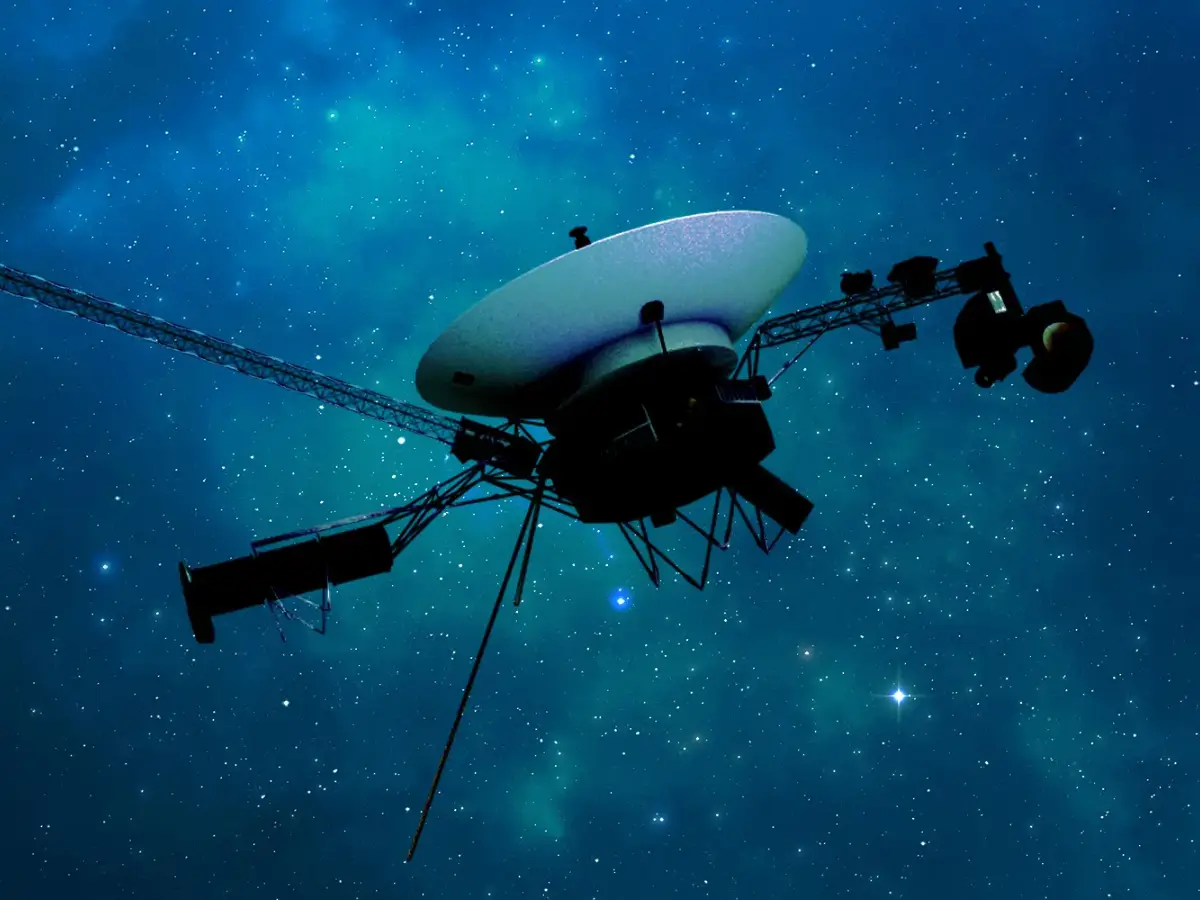
Voyager’s Historic Crossing
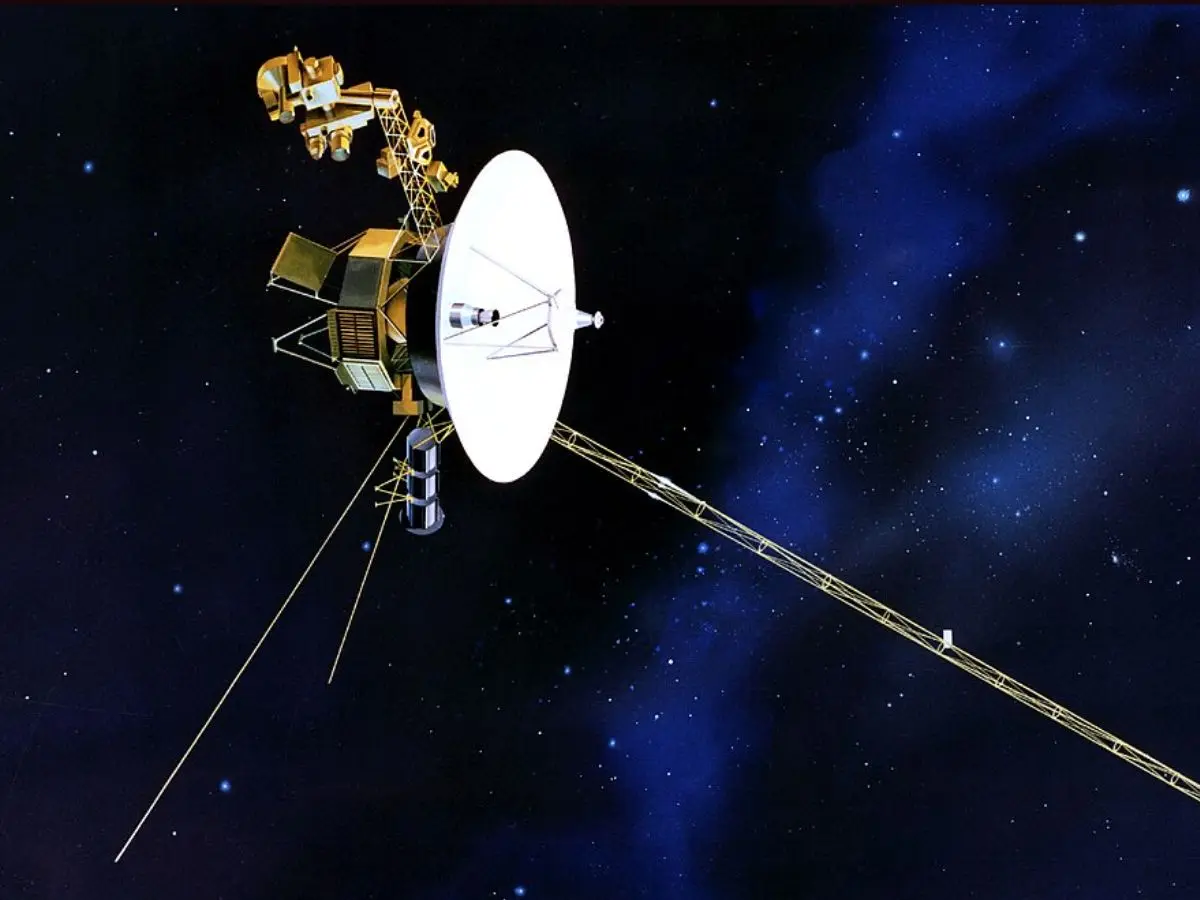
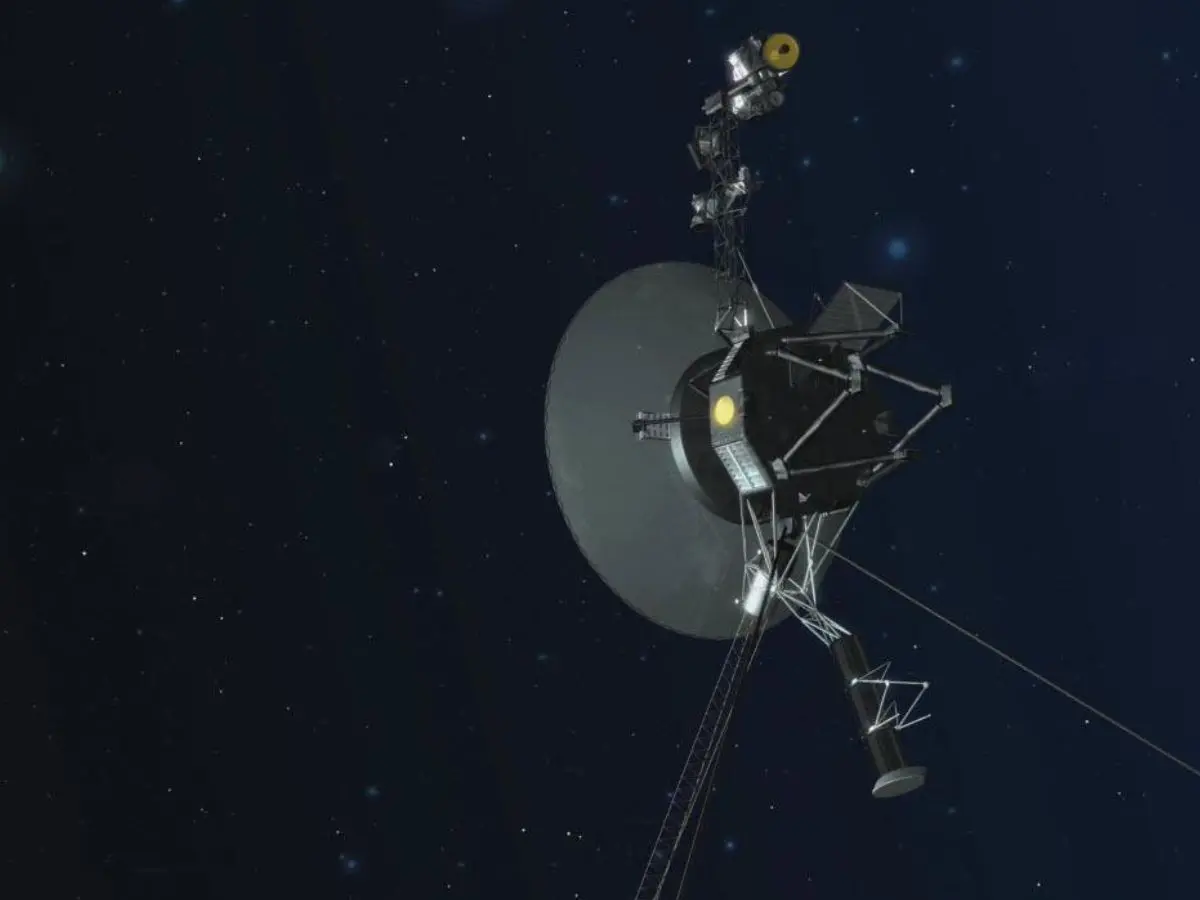
Voyager 1 crossed this boundary in 2012, followed by Voyager 2 in 2018. Their instruments recorded a sudden change in particle density and direction, signalling entry into interstellar space.
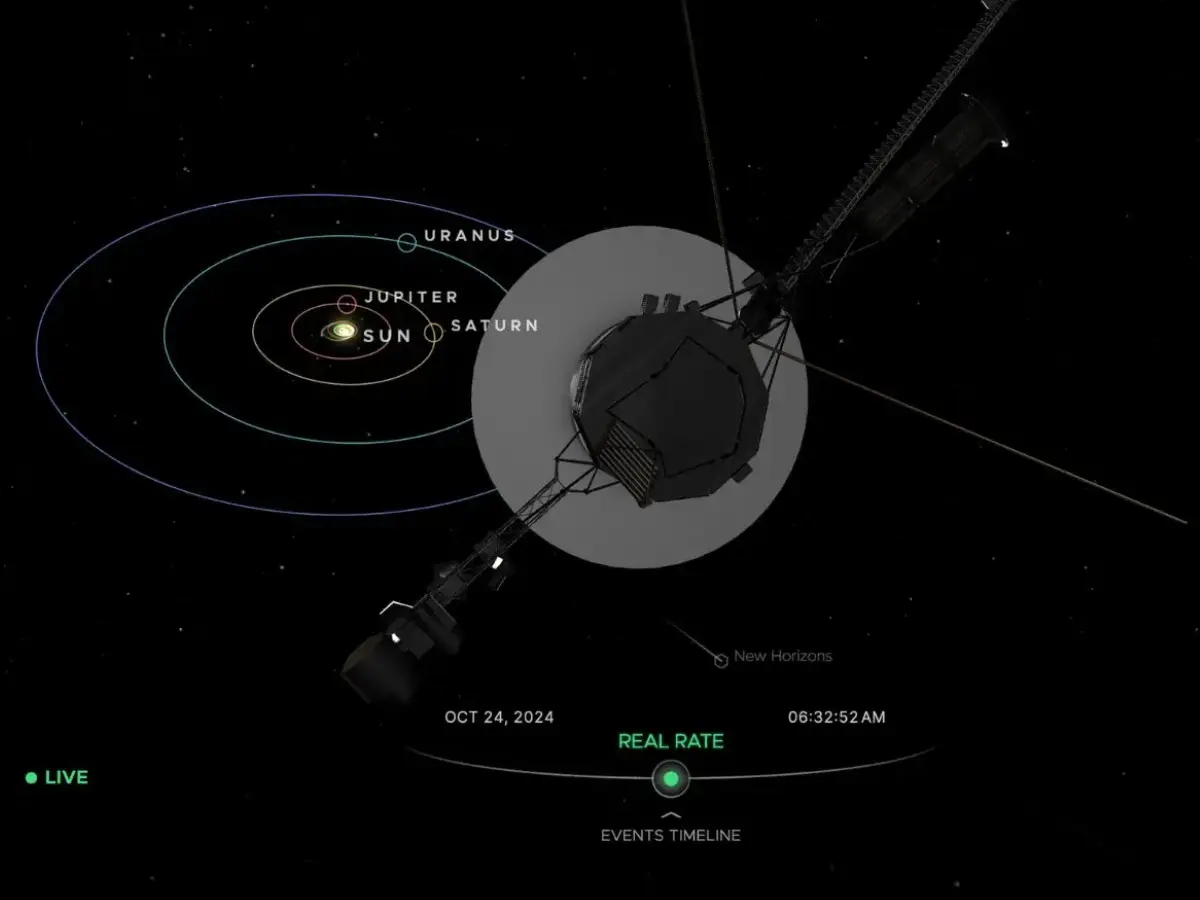
Plasma Tones as Evidence
Voyager detected plasma oscillations, vibrations in charged particles that confirmed the spacecraft had moved into a denser medium beyond the Sun’s protective bubble.
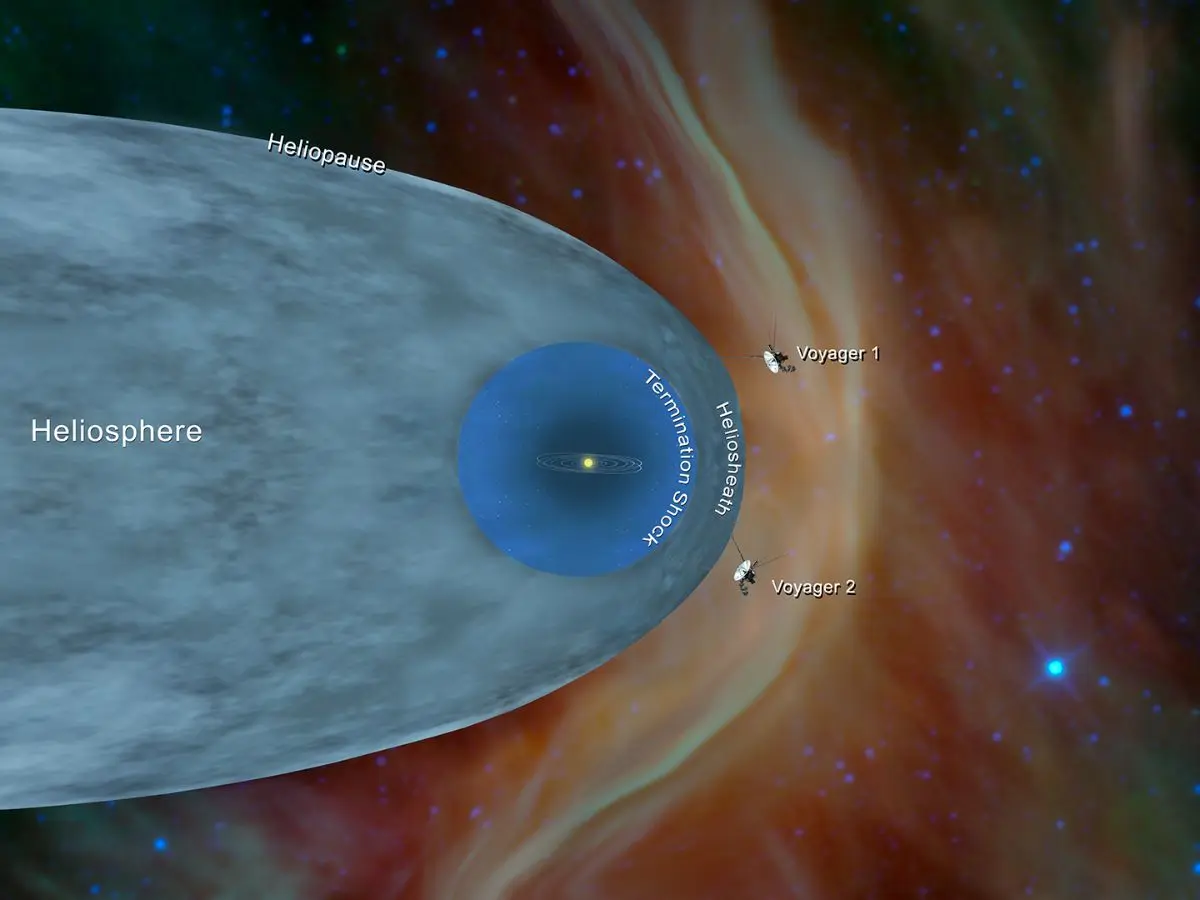
The Drop in Solar Wind
Inside the firewall, solar particles dominate. Outside, interstellar particles take over. Voyager showed how solar influence diminishes sharply at this edge.
Magnetic Field Transition
Voyager’s magnetometer revealed that while the magnetic field direction shifted little, its strength increased. This suggested the spacecraft had crossed into a compressed region at the system’s edge.
Why the Firewall Matters
This charged boundary protects the solar system by deflecting cosmic rays. Understanding it helps astronomers learn how stars shield their planets and how life can thrive under such protection.
Voyager’s Ongoing Mission
Even decades past launch, Voyager continues to transmit data from beyond the firewall, providing the only direct measurements of this remote frontier.
)
)
)
)
)