'Breaking down cost': What a Russian submarine actually buys India?

Lease deals typically include configuration work to integrate Indian Navy communication equipment, navigation interfaces and operational protocols. Customising the submarine to Indian standards requires engineering support from both sides and is accounted for in the total expenditure.
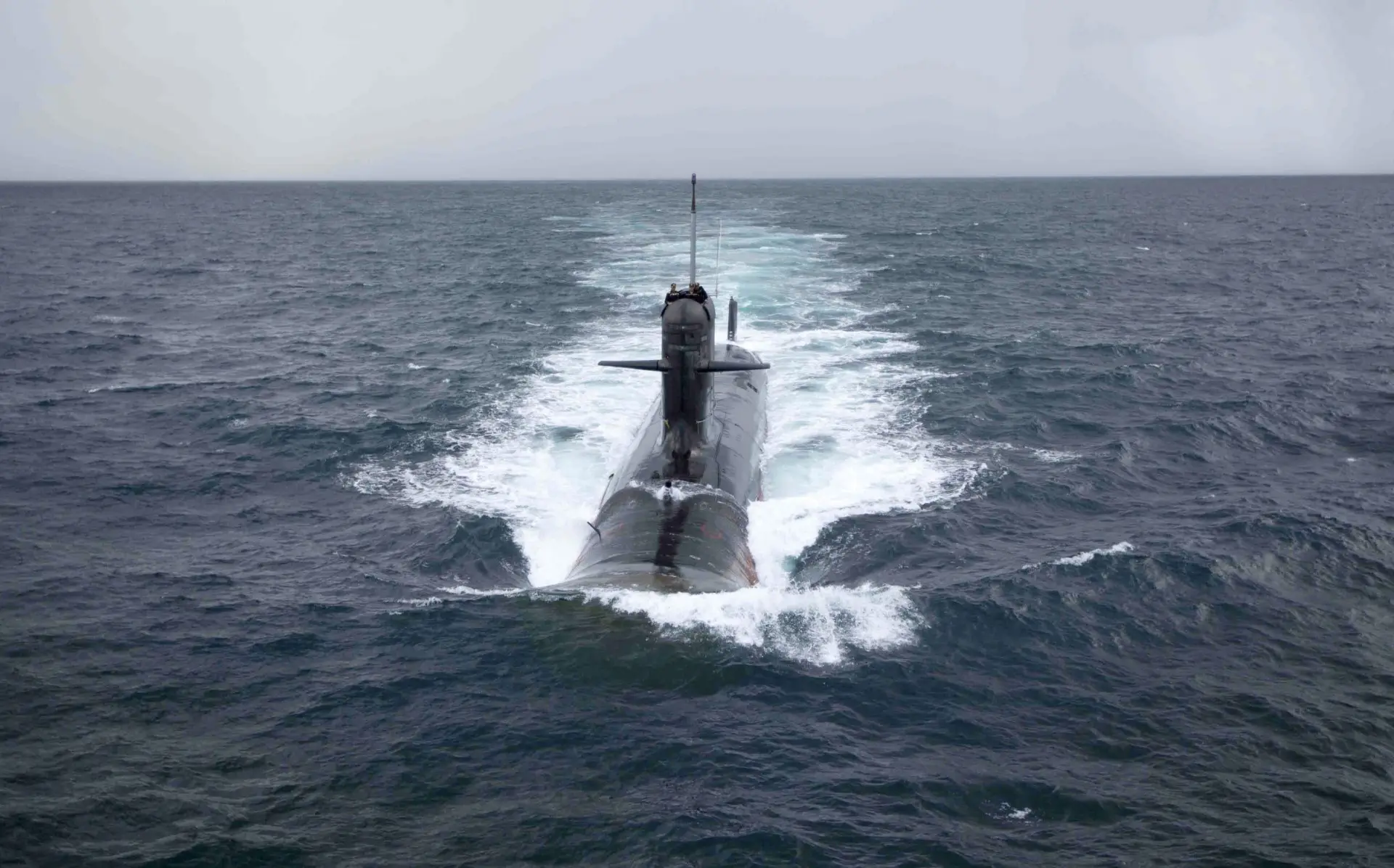
Long-Term Access to a Fully Operational Nuclear Attack Submarine
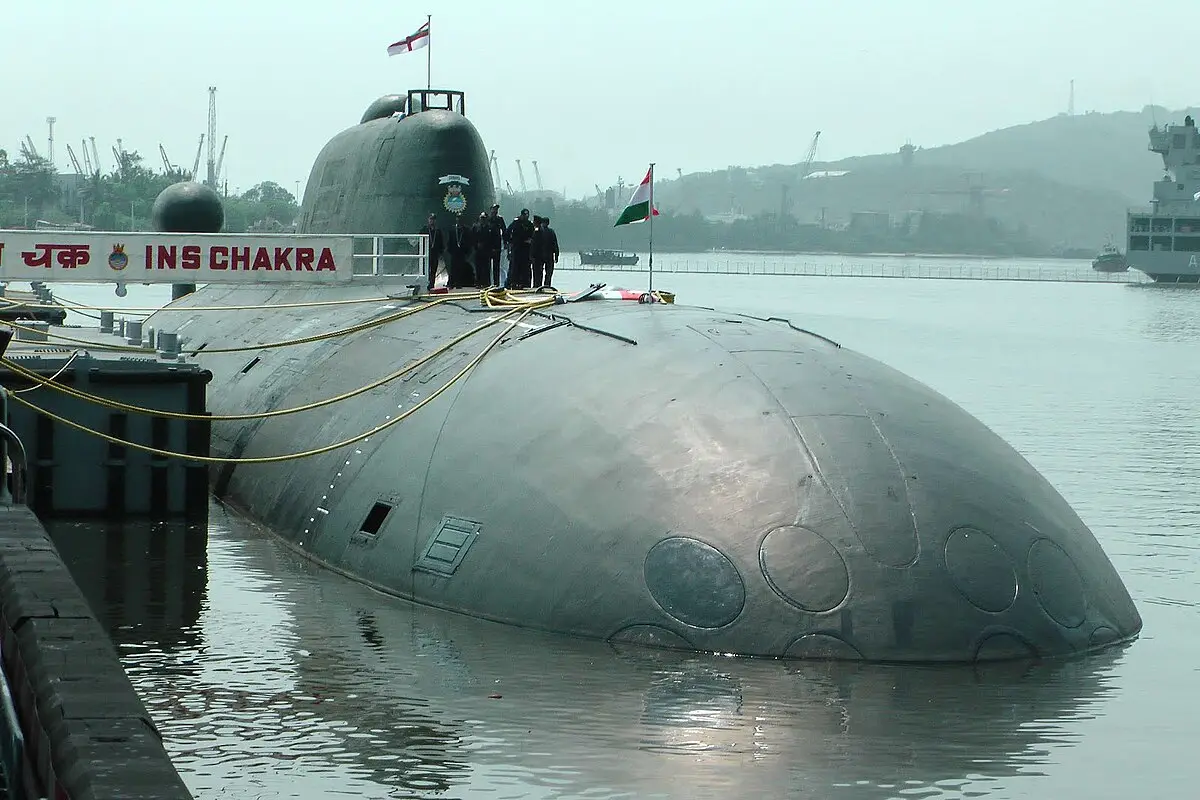
A large part of the cost covers the lease itself, long-term access to a ready, fully functional nuclear-powered attack submarine supplied by Russia. This includes the platform, the reactor, and the systems required for undersea operations. Unlike conventional acquisitions, India is paying for temporary operational control, not ownership.
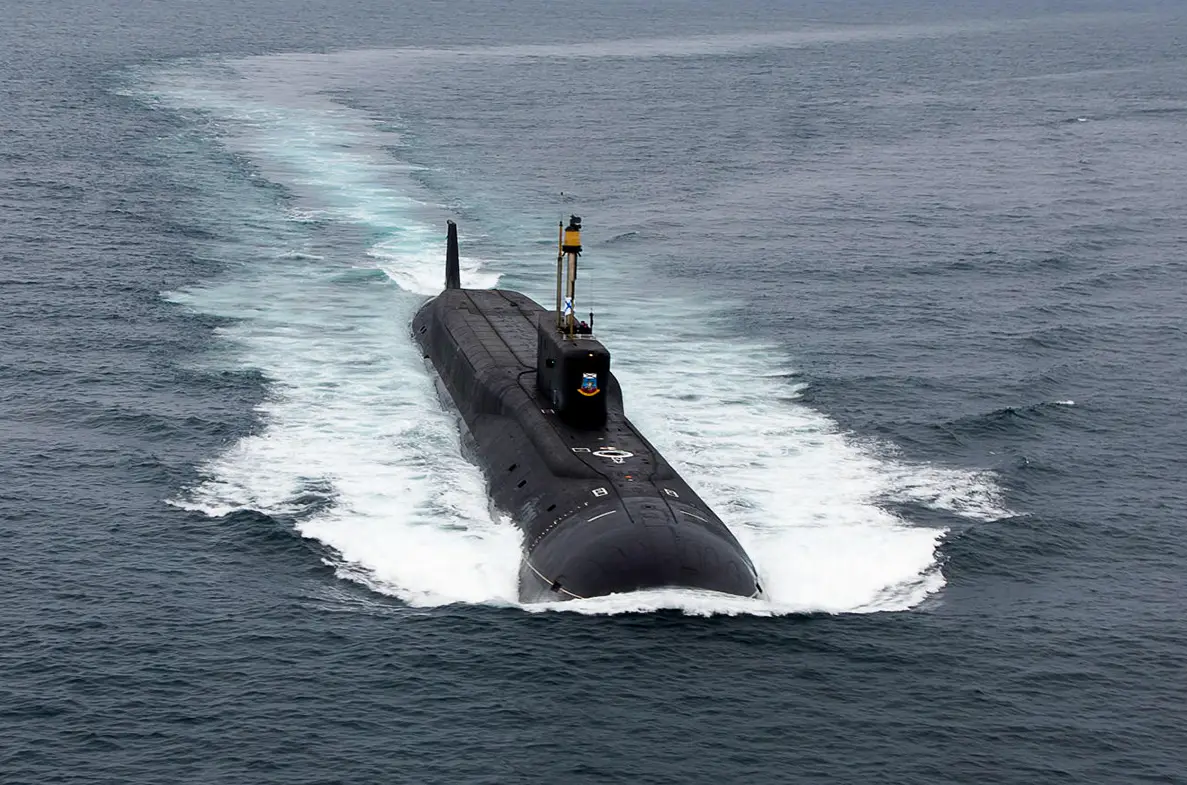
Crew Training, Reactor Familiarisation and Safety Protocols
The package includes structured training modules for Indian Navy crews.
This covers:
• reactor operation procedures
• nuclear safety processes
• emergency drills
• tactical SSN operations
This training is central because India is developing its own nuclear-attack submarine programme, and real onboard experience significantly shortens crew preparation cycles.
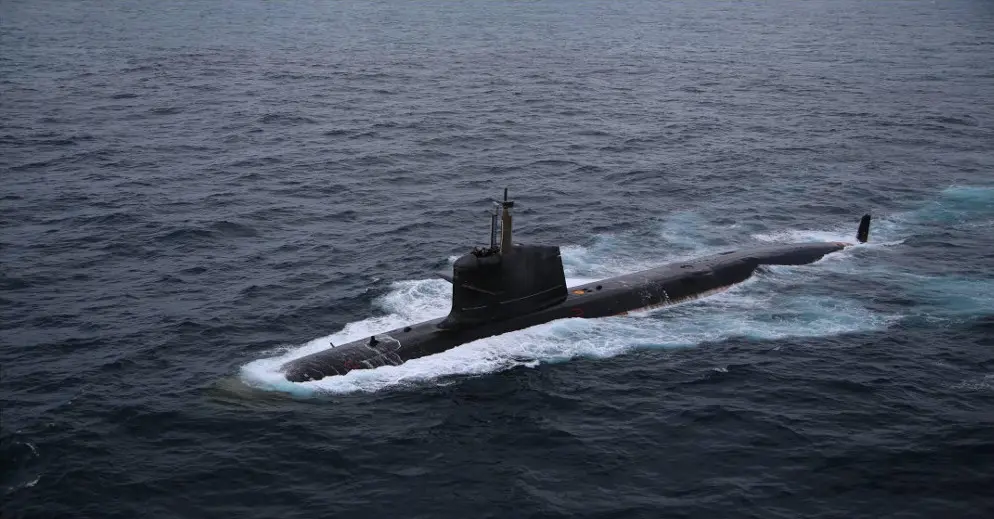
Technical Support, Maintenance and Life-Cycle Assistance
The cost includes Russian technical teams, spare parts, periodic overhauls, and system checks over the duration of the lease. Nuclear-powered submarines need specialised maintenance and certified technicians; India pays for this entire ecosystem as part of the agreement.
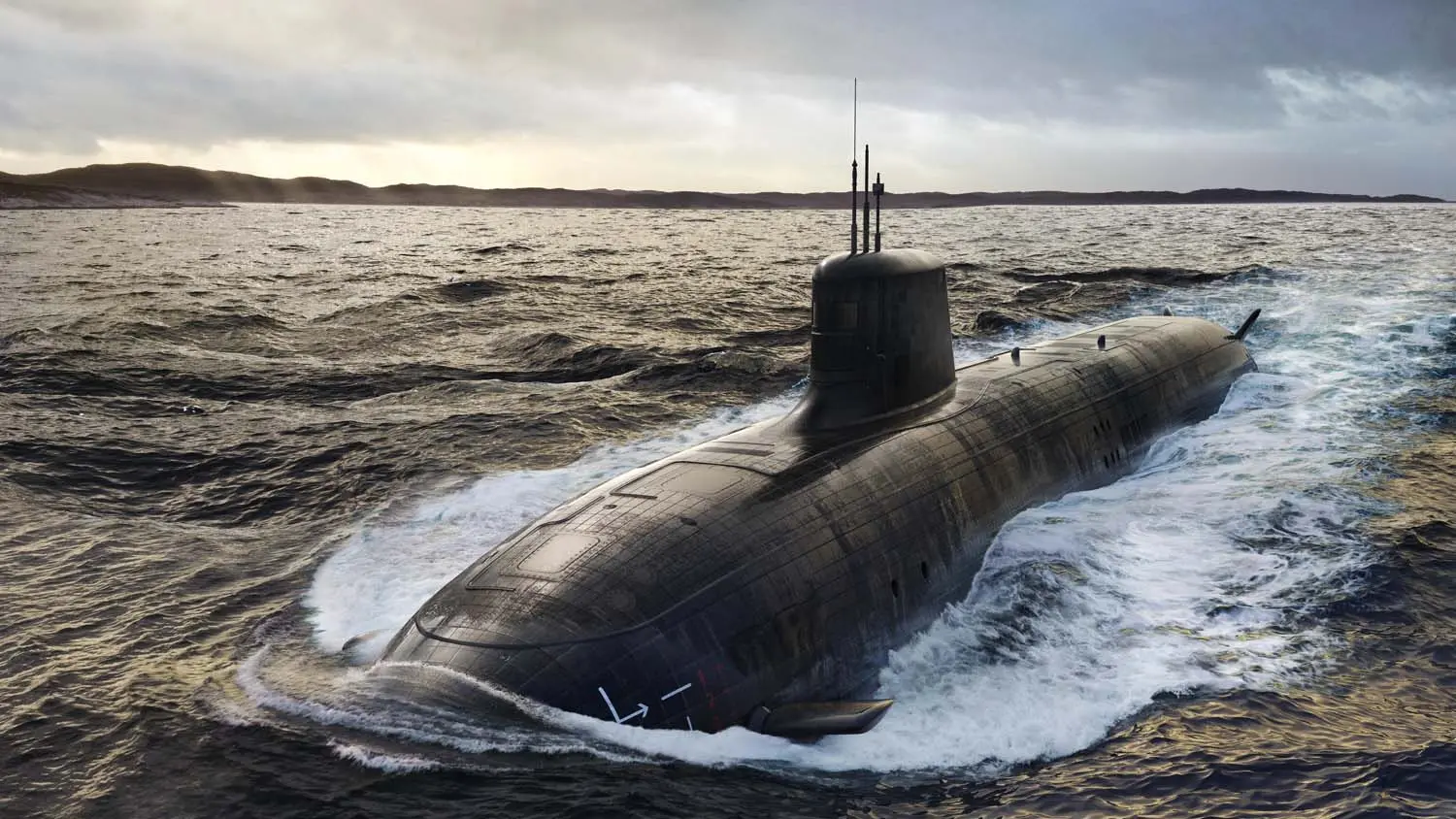
Infrastructure Upgrades at Indian Bases
Operating a nuclear submarine requires modifications at shore facilities, berthing arrangements, security systems, nuclear-handling protocols, radiation-monitoring equipment, and specialised docking support. Part of the $2 billion cost covers these upgrades so the vessel can be safely hosted at an Indian naval base for the duration of the lease.
Integration of Indian Equipment and Communication Systems
Lease deals typically include configuration work to integrate Indian Navy communication equipment, navigation interfaces and operational protocols. Customising the submarine to Indian standards requires engineering support from both sides and is accounted for in the total expenditure.
Long-Term Operational Availability and Strategic Readiness
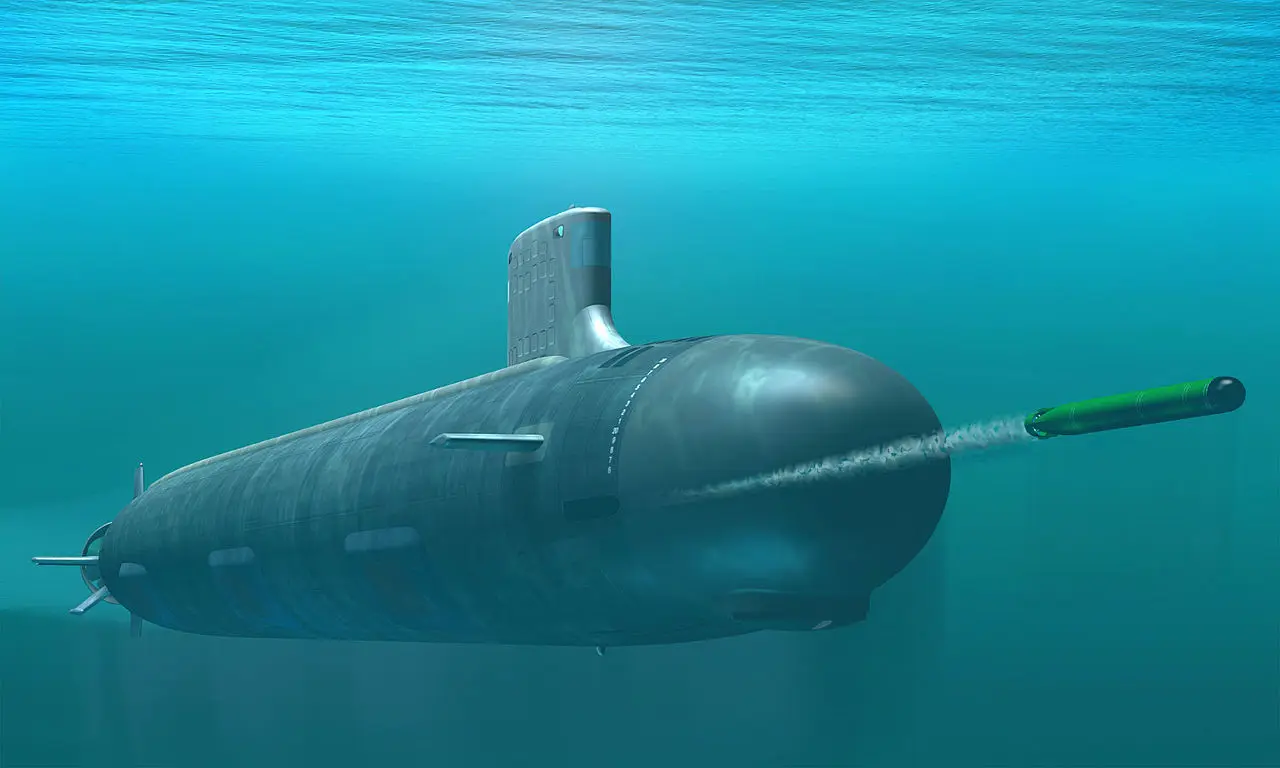
Over the period of the lease, India pays for guaranteed availability of the submarine for patrols, exercises and training cycles. The cost also covers Russian obligations to ensure the vessel remains deployable, safe and compliant with operating standards. What India ultimately buys is reliable, long-duration access to a nuclear-powered platform that strengthens its undersea capabilities while indigenous SSN development continues.
)
)
)
)
)