'BrahMos cruise missile + S-400 defence system': Inside India’s layered shield against China & Pakistan

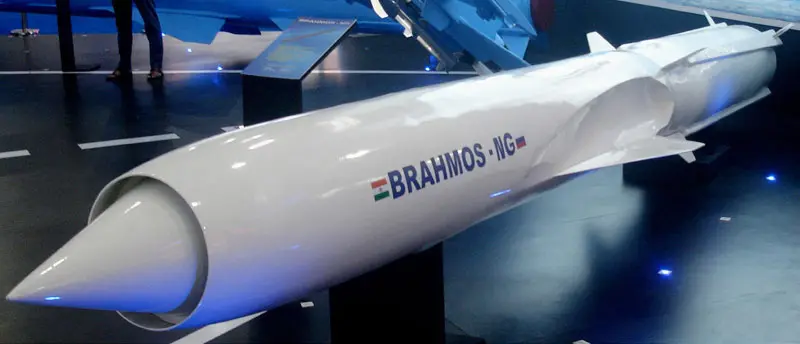
BrahMos' offensive precision strike and S-400's long-range defensive shield. Together they create a layered offensive–defensive posture.
1. Two systems, two roles: offence and defence finally aligned
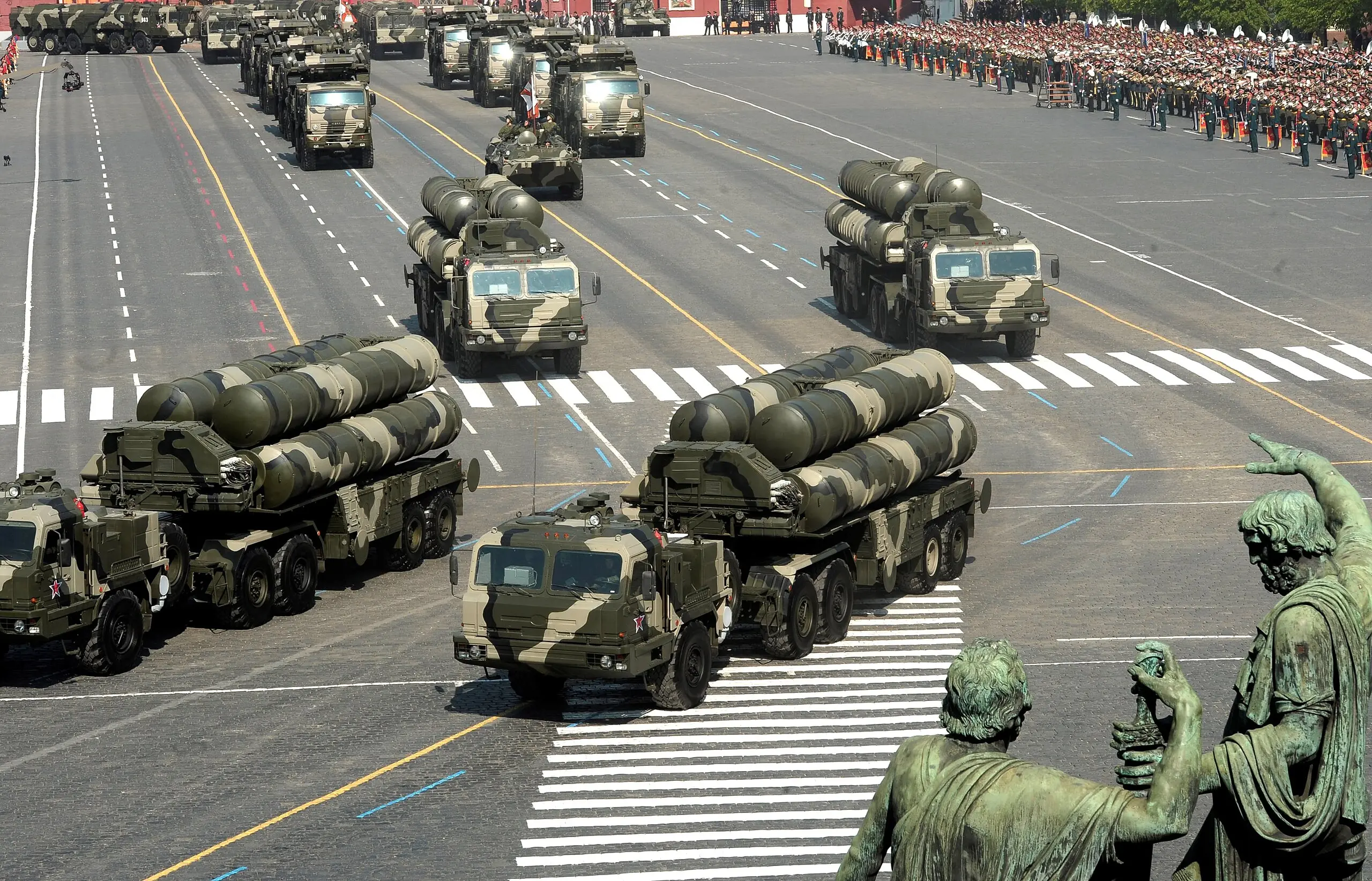
India’s deployment of BrahMos and the S-400 creates a rare combination in modern warfare: a precision offensive missile and a long-range defensive shield operating within the same theatre. BrahMos gives India the ability to strike high-value Chinese military targets with speed and accuracy, while the S-400 provides early detection and engagement of enemy aircraft or missiles. This pairing allows India to launch and defend simultaneously, a capability China pays close attention to along the Line of Actual Control (LAC) and the Indian Ocean.
2. BrahMos gives India a credible strike option across Tibetan military bases
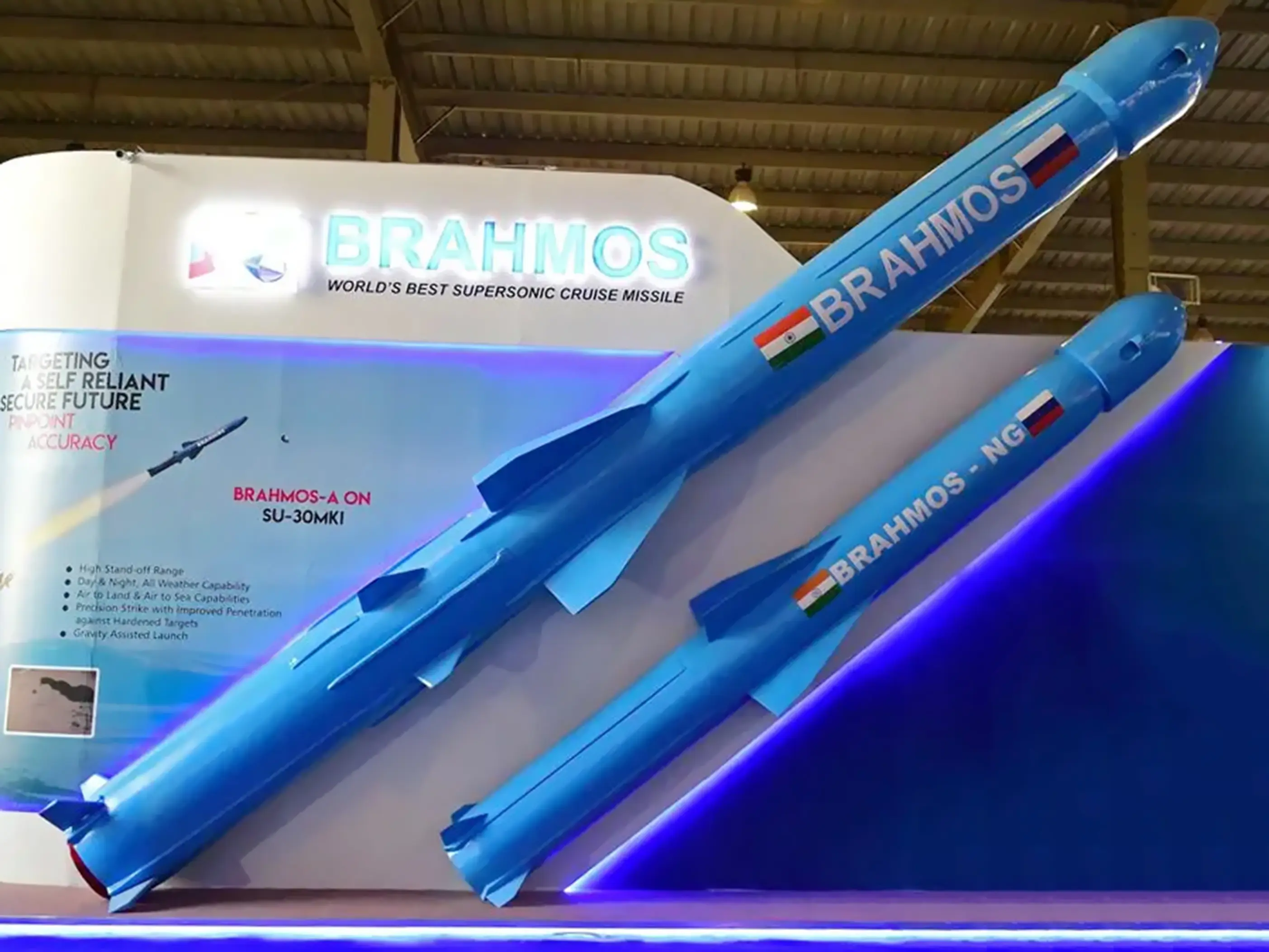
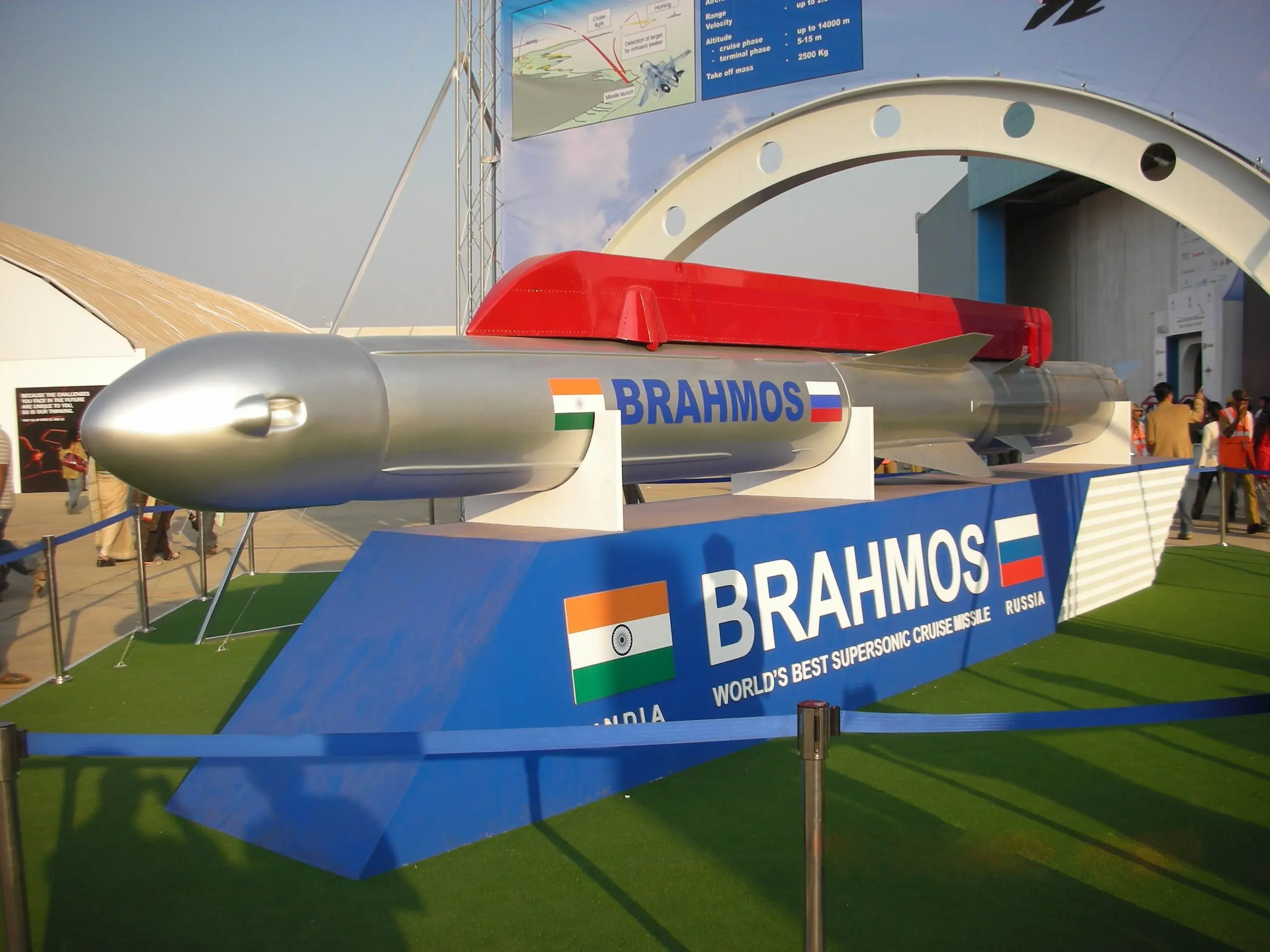
BrahMos batteries deployed in the eastern sector and the air-launched BrahMos on Su-30MKI fighters give India a credible way to target Chinese logistics hubs, fuel depots, forward bases and artillery sites across Tibet. Because BrahMos is supersonic and terrain-hugging, it compresses Chinese reaction time. The missile enables India to carry out precise, conventional strikes without needing to send aircraft deep into Chinese airspace—something Beijing cannot ignore during any escalation.
3. The S-400 strengthens India’s air shield against Chinese fighters and drones
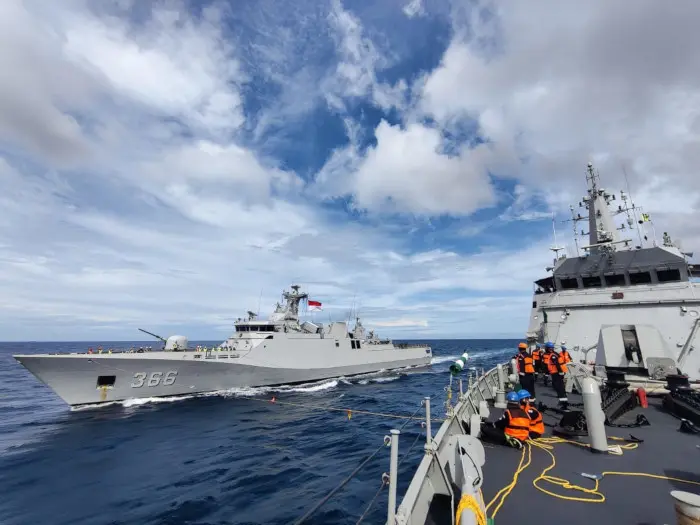
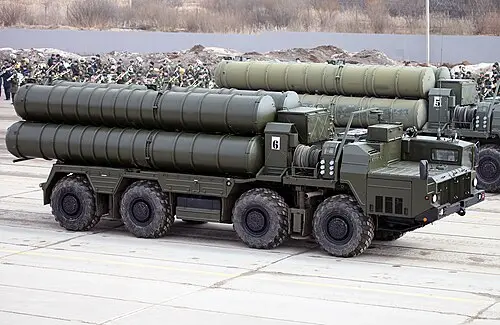
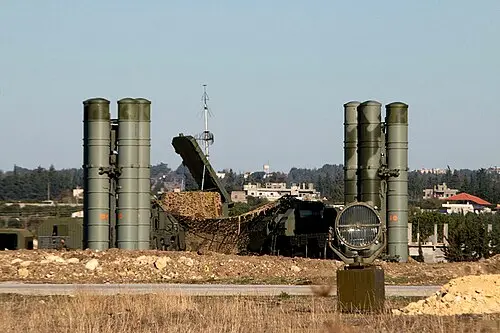
India’s S-400 regiments are positioned to counter Chinese air power, especially PLAAF aircraft operating from high-altitude airfields like Ngari Gunsa and Hotan. The S-400’s long-range radar and missile envelope improves India’s ability to detect and engage enemy fighters, drones and cruise-missile-type threats approaching the LAC. In a region where radar performance is affected by mountains, the S-400’s powerful sensors and tracking capability give India an early-warning edge.
4. Layered defence: S-400 protects launch platforms and bases that operate BrahMos
A key advantage of pairing these systems is that the S-400 can defend the very bases and aircraft that would operate BrahMos during a conflict. Chinese aircraft attempting to strike Indian air bases, missile batteries or forward logistics sites must first get past the S-400’s engagement envelope. This makes it significantly harder for China to carry out pre-emptive strikes on Indian BrahMos launch platforms, increasing survivability and continuity of Indian operations.
5. BrahMos disrupts Chinese offensive planning along the LAC
Chinese military planners must now factor in the possibility of rapid Indian counter-strikes against artillery positions, staging areas and radar stations across the Tibetan plateau. BrahMos allows India to hit fixed, high-value infrastructure without exposing manned aircraft, reducing the risk of escalation spiralling out of control. This forces China to disperse assets, build hardened shelters and maintain higher vigilance—raising their operational costs.
6. The S-400 complicates China’s air superiority ambitions in the Himalayan sector
The altitude and geography of the region already disadvantage Chinese jets, which take off with reduced payload and fuel from Tibetan airfields. The presence of the S-400 further restricts PLAAF freedom of manoeuvre by placing their aircraft at risk long before they approach Indian airspace. Even without firing a missile, the S-400’s tracking capability shapes Chinese flight paths, mission planning and air patrol patterns, reducing Beijing’s tactical confidence.
7. Combined effect: India gains a stable escalation ladder without crossing nuclear thresholds
The BrahMos–S-400 combination provides India with a balanced escalation ladder: a precise conventional strike option (BrahMos) and a strong defensive umbrella (S-400). This pairing helps India conduct limited, controlled operations while reducing the risk of immediate retaliation by China. Strategically, it strengthens India’s deterrence posture by signalling that India can both absorb and respond to aggression without escalating to strategic systems.
)
)
)
)
)