'BrahMos, Akashteer, Pinaka &..': Top 5 indigenous weapons that crushed Pakistani threats during Operation Sindoor

Beyond the precision of the strikes, the operation stood out for its extensive use of indigenous systems across missile warfare, drones, air defence and battlefield surveillance.
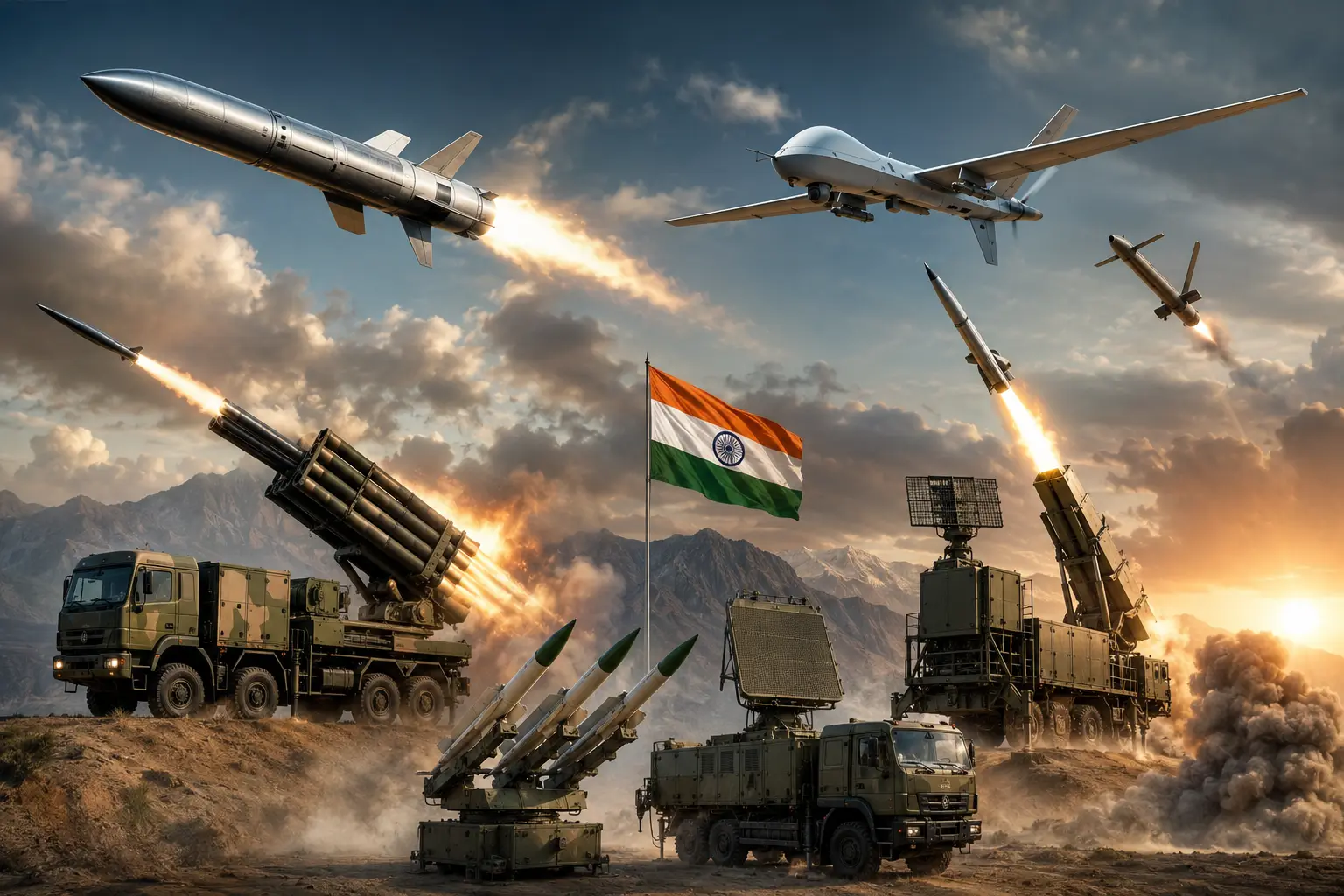
A New Template for India’s Military Response
Launched on May 7, 2025, exactly one year ago, Operation Sindoor marked a decisive shift in India’s military doctrine, blending precision strikes with indigenous defence technology to counter threats. Triggered by the April 2025 terror attack in Pahalgam that killed civilians, the operation targeted terror infrastructure and key Pakistani military assets without crossing the Line of Control or the international boundary. Beyond the precision of the strikes, the operation stood out for its extensive use of indigenous systems across missile warfare, drones, air defence and battlefield surveillance. Defence Minister Rajnath Singh described it as a “shining example of India’s growing indigenous defence capabilities”, adding that “no mission can be successful without vision, long preparation and coordination”.
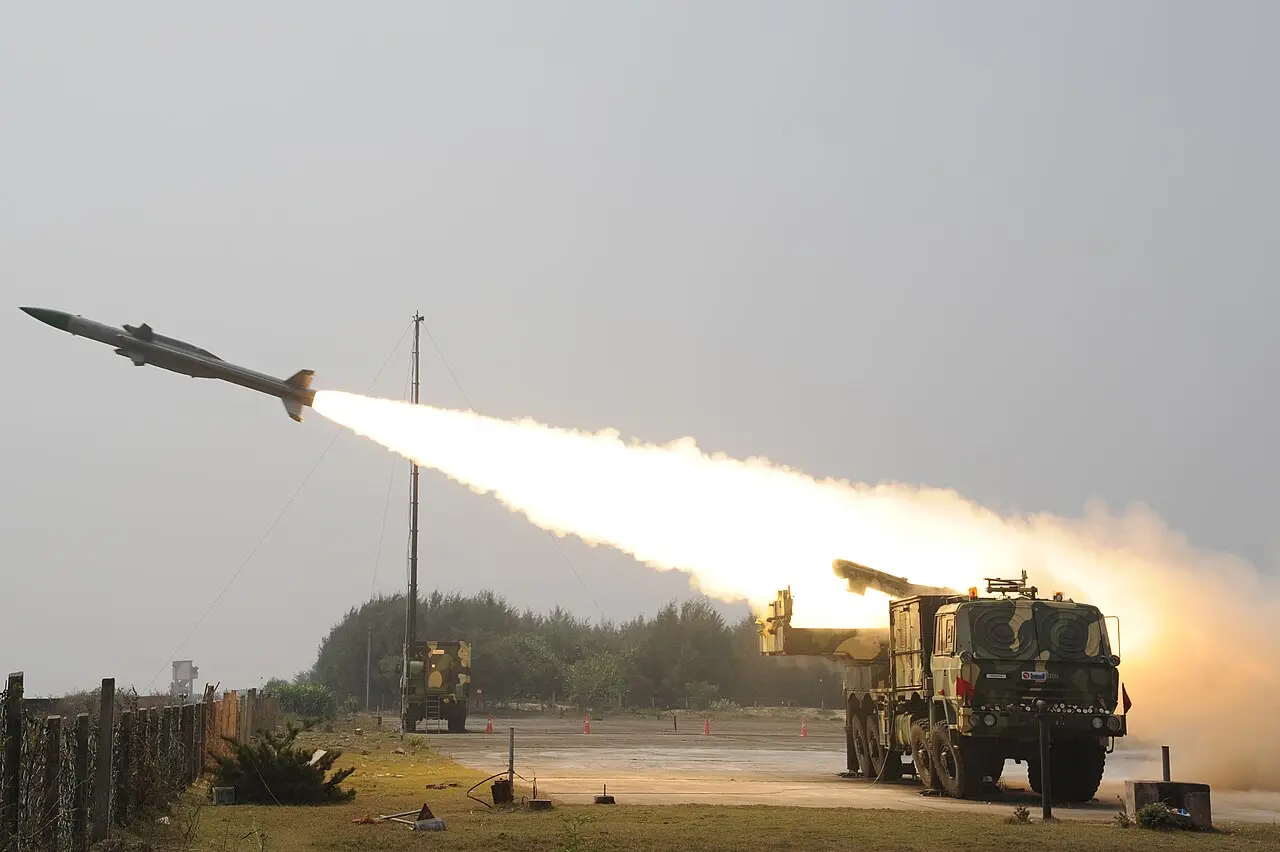
Akash Missile System
The Akash air defence missile system formed a key layer of India’s defensive shield during Operation Sindoor. Developed indigenously, Akash is a short-range surface-to-air missile system designed to protect vulnerable areas and strategic assets from aerial attacks. The system is capable of simultaneously engaging multiple targets in both autonomous and group modes, giving it a significant operational advantage during high-intensity engagements. Equipped with Electronic Counter-Counter Measures (ECCM) features and mounted on mobile platforms for rapid deployment, Akash strengthened India’s ability to counter hostile aircraft, drones and incoming aerial threats during the operation.
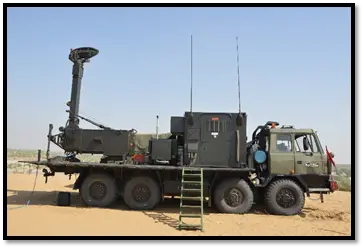
Akashteer
At the heart of India’s air defence during Operation Sindoor was Akashteer, a fully indigenous and automated command-and-control system that neutralised incoming drones and missiles during Pakistan’s May 9-10 offensive. Unlike conventional air defence models dependent on manual intervention, Akashteer enables autonomous monitoring of low-level airspace and seamless coordination of ground-based weapon systems in real time. Integrated with the Indian Air Force’s IACCS and the Navy’s TRIGUN network, it created a unified battlefield picture across the three services. Its performance underscored India’s growing self-reliance in network-centric and automated warfare capabilities.
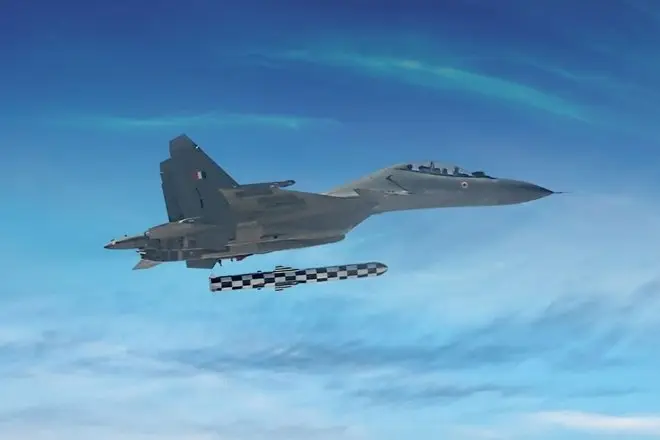
BrahMos Missile System
At the heart of India’s offensive campaign during Operation Sindoor was the BrahMos supersonic cruise missile system, with the air-launched BrahMos-A emerging as a decisive bunker-busting weapon. Integrated with the Indian Air Force’s Sukhoi Su-30MKI fleet, the missile was reportedly used to strike strategic Pakistani military infrastructure, including the Noor Khan and Rahimyar Khan airbases. Reports suggest nearly 15 BrahMos missiles were deployed during the operation. Travelling at almost three times the speed of sound, BrahMos combines precision, speed and a low radar signature, making interception exceptionally difficult and reinforcing India’s stand-off strike capability.
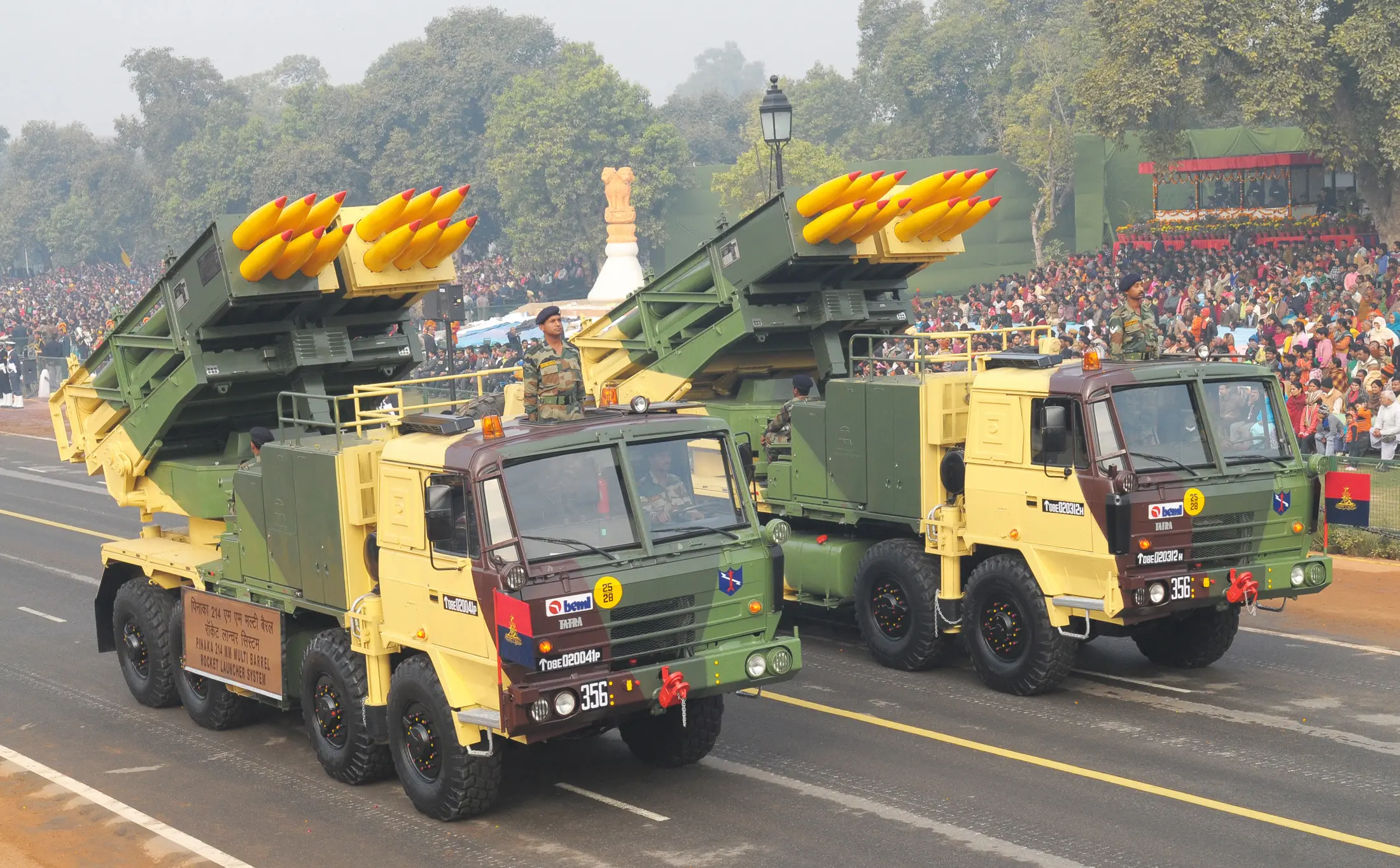
Pinaka multi-barrel rocket launcher system
The Pinaka multi-barrel rocket launcher system provided India with rapid-fire artillery capability during Operation Sindoor. Designed for all-weather operations, Pinaka can deliver a high volume of fire within seconds against critical and time-sensitive targets. The system currently strikes targets at ranges of 40 km and over 75 km, while newer variants are expected to extend the strike range to 120 km. Developed through a public-private partnership between DRDO and Tata Advanced Systems, Pinaka’s indigenous fire-control and servo systems have made it a battle-proven pillar of India’s modern artillery network.
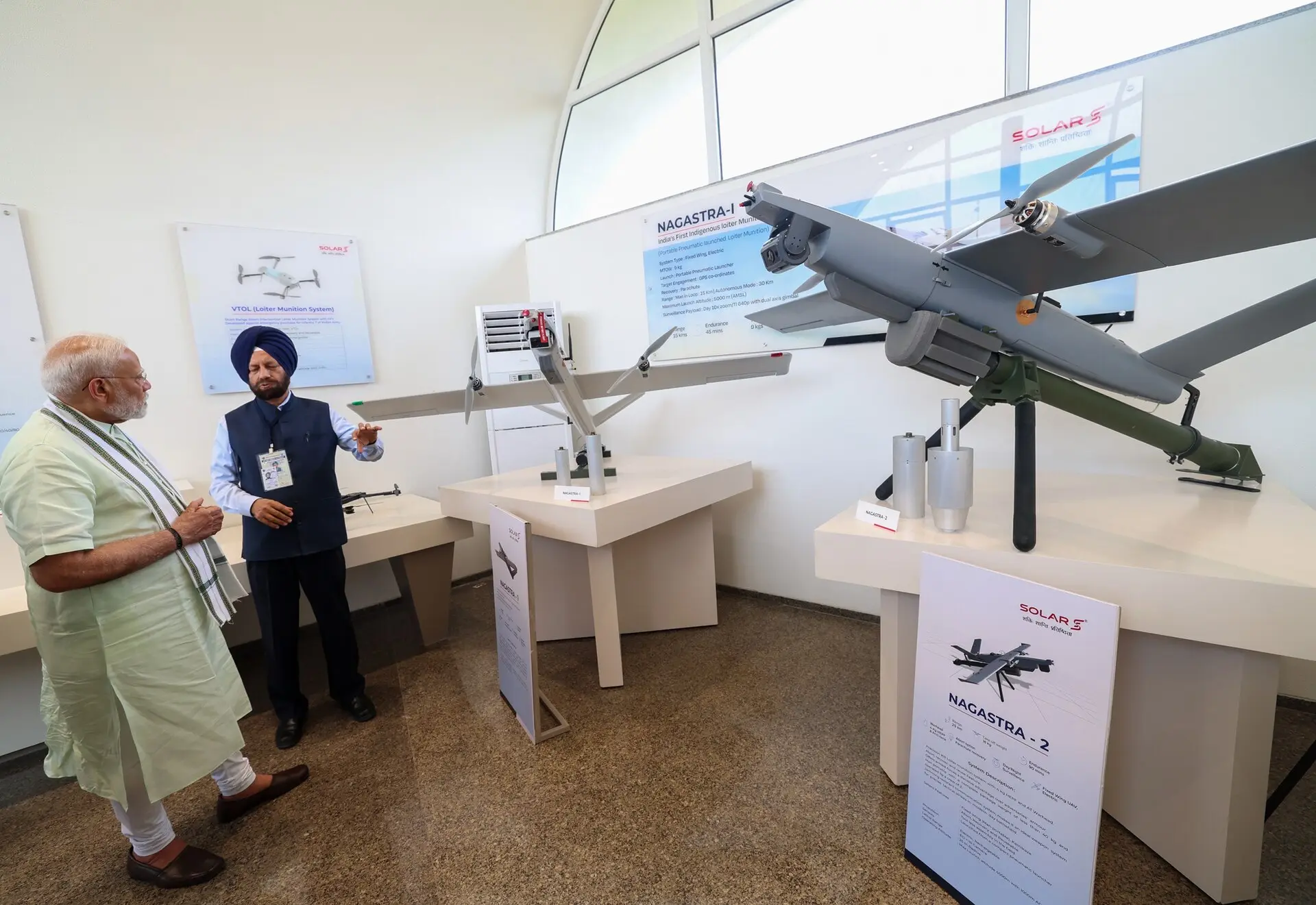
Nagastra
The Nagastra-1 loitering munition emerged as a key precision-strike platform during Operation Sindoor. Defence Minister Rajnath Singh said the drone was used extensively to “accurately strike terrorist targets”, underscoring its strategic value in modern combat. Developed by Nagpur-based Solar Industries India Limited, the man-portable fixed-wing UAV weighs just 9 kg, allowing rapid deployment in difficult terrain. Equipped with GPS-guided targeting, Nagastra-1 can strike targets with an accuracy of within two metres. The drone also supports both manual and autonomous operational modes, enhancing flexibility during precision missions.

Other Loitering Munitions and Drone Warfare
India also deployed indigenous loitering munitions such as SkyStriker during Operation Sindoor. Originally developed by Israel’s Elbit Systems and manufactured in India through a partnership with Alpha Design Technologies, the precision-guided drone strengthened India’s stand-off strike capability. According to the government, loitering munitions were used to destroy high-value targets, including enemy radar and missile systems, without any loss of Indian assets. Alongside these systems, DRDO-developed electronic warfare platforms played a crucial role by disrupting enemy radar networks and communication systems, further weakening Pakistan’s aerial and battlefield coordination during the operation.
)
)
)
)
)