'Brace for Impact': 7 ways to stay safe if Iran launches attack on California

In urban drone strikes, the majority of civilian casualties are not caused by the direct explosion itself, but by the massive shockwave that shatters windows for blocks in every direction.

1. Understand the Threat: Drones vs. Missiles
If the FBI warning materializes, the threat will not look like a traditional ballistic missile strike. Iran relies heavily on low-flying, explosive-laden kamikaze drones. Because these drones fly lower to evade radar, they can often be heard before they hit, sounding like a loud, approaching lawnmower. If you hear this distinct buzzing sound accompanied by local sirens, do not go outside to film it. You likely have seconds to seek cover before impact.
2. The 'Flying Glass' Rule (Seek Interior Rooms)
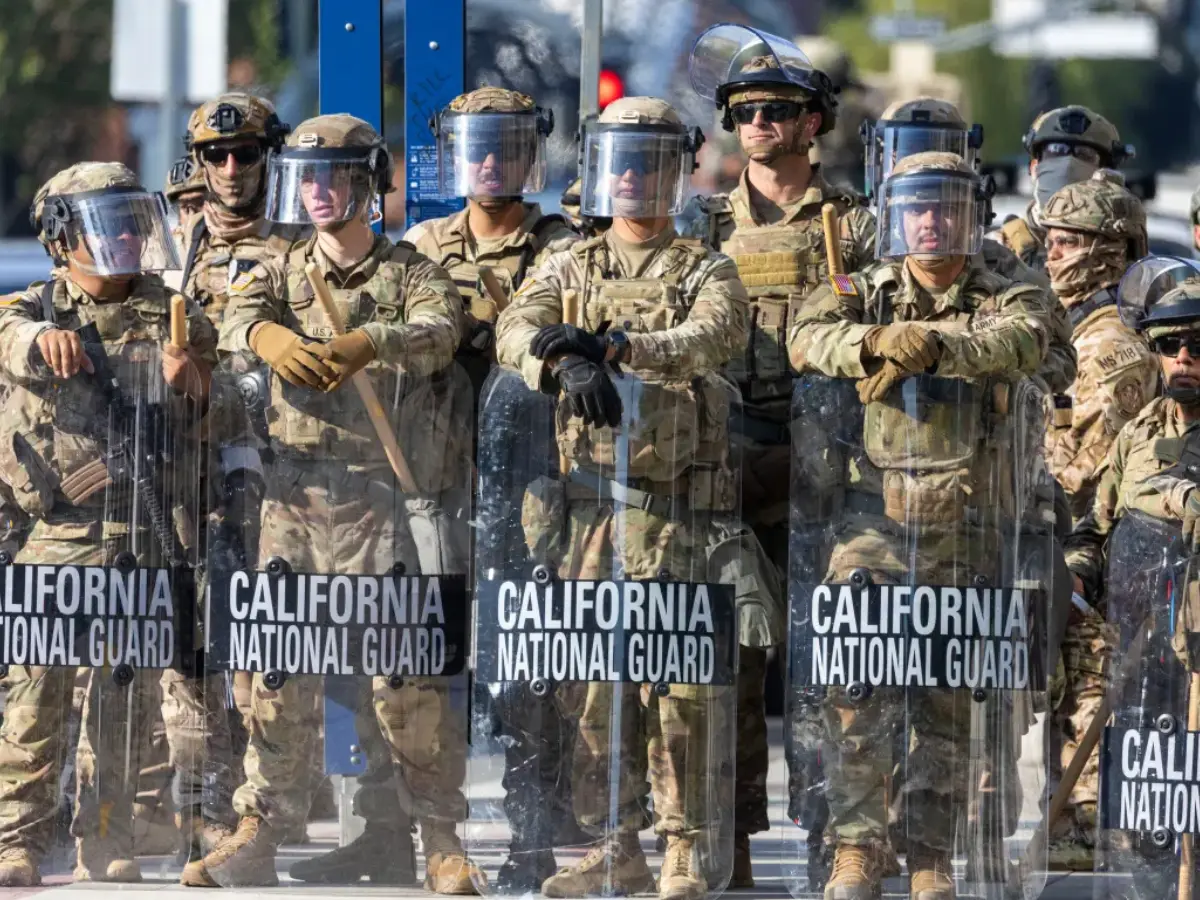
In urban drone strikes, the majority of civilian casualties are not caused by the direct explosion itself, but by the massive shockwave that shatters windows for blocks in every direction. If an alert is issued, immediately move away from all exterior walls and windows. The safest place in a standard California home or apartment is an interior, windowless room on the lowest floor, such as a bathroom, hallway, or walk-in closet.

3. Identify Concrete Urban Bunkers
If you are caught at work or commuting during a drone alert, you need to understand which buildings offer the most protection. Unlike military bunker-busters, standard drone payloads are designed for surface-level destruction. Underground concrete parking garages, subway stations (like the BART or Metro), and the reinforced concrete stairwells of large office buildings act as highly effective makeshift bomb shelters against airborne shrapnel.
4. Steer Clear of 'High-Value' Targets
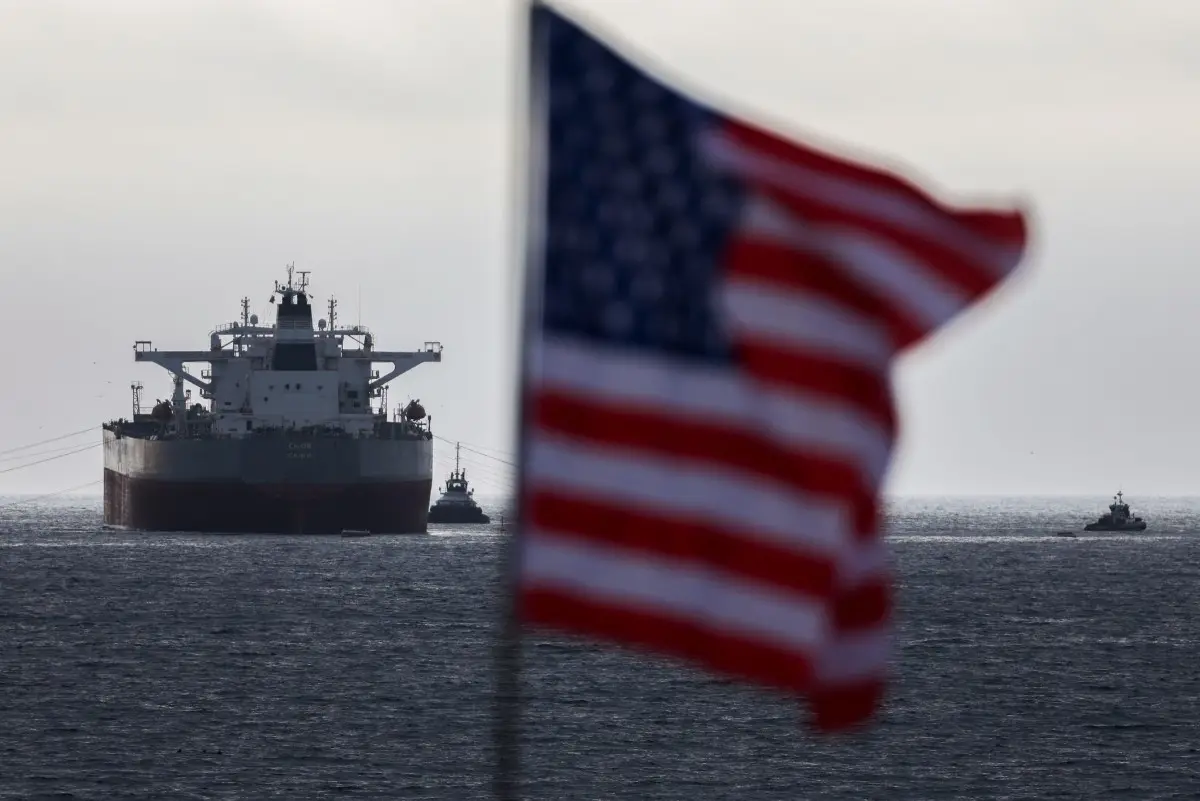
State-sponsored cyber and kinetic attacks are rarely aimed at residential neighbourhoods; they target critical infrastructure. If tensions escalate, civilians should minimise their time near obvious strategic targets along the West Coast. This includes the Port of Los Angeles, the San Diego Naval Base, major power grid substations, oil refineries, and large telecommunications hubs. If a drone is launched from an offshore vessel, these are the primary crosshairs.

5. Prepare for the 'Comms Blackout'
In the immediate aftermath of a strike, cellular networks will either be deliberately jammed by security forces, destroyed, or completely overloaded by panicked residents trying to call their families. You must have a predetermined communication plan that does not rely on cell service. Keep a battery-powered or hand-crank AM/FM emergency radio in your home to receive live broadcast instructions from the Governor’s Office of Emergency Services (CalOES).

6. Build a Shrapnel-Focused 'Go Bag'
Californians are used to packing earthquake kits, but a wartime 'Go Bag' requires different medical supplies. Aside from the standard 72 hours of water and non-perishable food, your medical kit must be equipped to handle blast injuries. This means including combat-style tourniquets, hemostatic gauze (which promotes rapid blood clotting), heavy-duty bandages, and thick leather gloves to safely navigate through shattered glass and debris.
7. Activate the WEA & CalOES Alerts Now
Do not rely on social media to tell you a strike is inbound; algorithms move too slowly. Ensure that your smartphone is actively opted-in to receive Wireless Emergency Alerts (WEA). These are the unblockable, loud alarms sent directly by federal and state authorities. Additionally, California residents should register their ZIP codes with the state's official emergency notification systems to receive hyper-local evacuation or "shelter-in-place" orders the second radar detects an anomaly.
)
)
)
)
)