‘Bonnie Blue in Bali’: Why solo travelling has become a sign of overconfidence and zero accountability for safety?

Many young travellers assume that what’s acceptable at home will be tolerated everywhere. This belief is especially dangerous in countries like Indonesia, where public decency laws, filming restrictions, and cultural values differ significantly.

1. Solo Travel Sells the Illusion of Total Freedom — but Freedom Without Boundaries Breeds Overconfidence
Social media promotes solo travelling as the ultimate symbol of empowerment, especially for young women. Influencers portray it as a lifestyle where rules don’t exist, risks are minimal, and every destination is simply a backdrop for self-expression. This glamorised version of independence often leads travellers to overestimate their ability to handle unfamiliar countries, strict laws, cultural constraints, or safety risks. The result is a growing pattern where confidence turns into overconfidence, and solo travel becomes less about exploration and more about proving a point.

2. Bonnie Blue’s Bali Case Shows What Happens When Personal Freedom Meets Strict Legal Systems
When British adult creator Bonnie Blue (Tia Billinger) was detained in Bali after a police raid linked to alleged “BangBus-style” activities, it immediately highlighted a major problem: many solo travellers behave as though foreign laws do not apply to them. Indonesia enforces some of the toughest anti-pornography and public morality regulations in Asia. Travellers unaware of or indifferent to these laws quickly find themselves in conflict with authorities. Bonnie’s case illustrates how solo travel adopted with a high-risk, high-confidence mindset can escalate into a legal crisis overnight.

3. Solo Travelling Removes Social Accountability — Making It Easier to Take Dangerous Risks
Travelling alone eliminates the checks and balances that come from having companions. There’s no friend to question a bad decision, no partner to intervene, no group consensus to hold someone accountable. This lack of immediate social restraint is why psychologists warn that solo travel can amplify risky behaviour. Without external input, travellers may underestimate danger, misjudge legal boundaries, or place themselves in situations they would never attempt with others around. Bonnie Blue’s situation is an example of how zero accountability can quickly turn into zero protection.
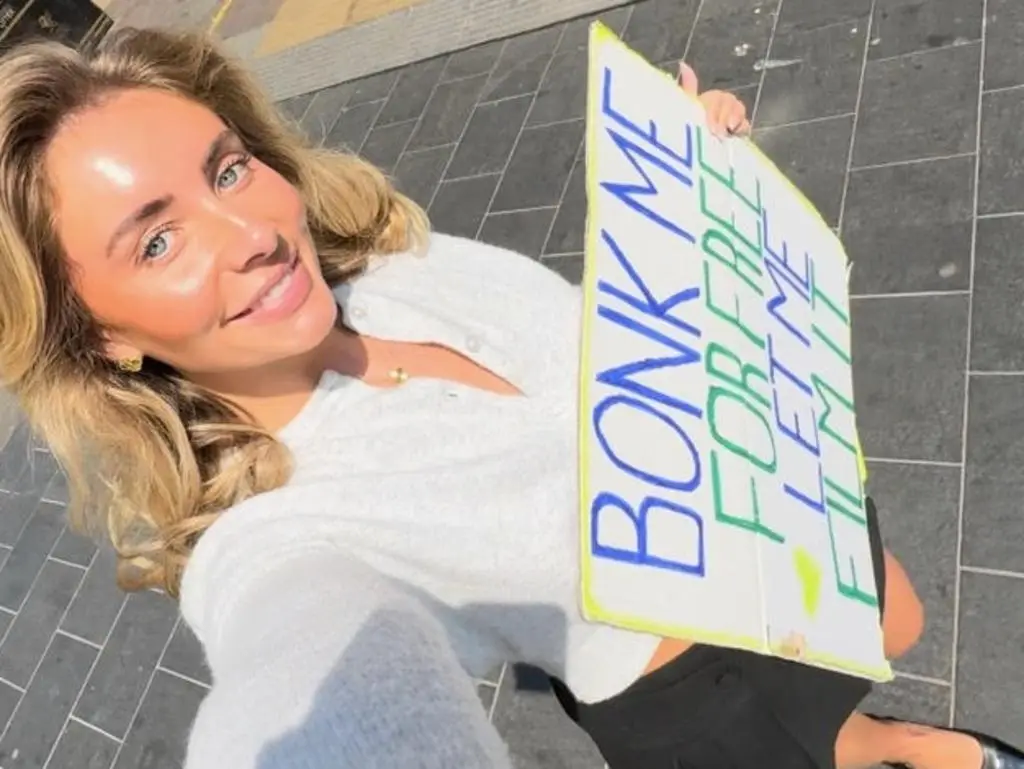
4. The Algorithm Pushes Solo Travellers Toward Riskier Behaviour — Without Safety Nets
Influencers and adult content creators often travel solo because it provides absolute control over content creation. But this freedom comes at a cost. Platforms like TikTok, Instagram, and OnlyFans reward shock value, rule-breaking, and boundary-pushing content. The pursuit of engagement often overshadows personal safety, legal awareness, or cultural sensitivity. For a creator like Bonnie Blue, travelling alone meant making decisions based entirely on what “works” online, not what is safe or lawful offline. The lack of accountability turns risk-taking into a habit.

5. Overconfidence Causes Travellers to Misjudge Local Norms — and That Can Be Dangerous
Many young Western travellers assume that what’s acceptable at home will be tolerated everywhere. This belief is especially dangerous in countries like Indonesia, where public decency laws, filming restrictions, and cultural values differ significantly. Overconfident solo travellers often overlook these differences, behaving as though they are exempt from local norms. Bonnie Blue’s detention became global news precisely because it showed how quickly a traveller’s confidence in their lifestyle can collide with a country’s legal reality.

6. Solo Travel Encourages a “No One Can Stop Me” Mindset — Until Someone Does
Travelling alone often fosters a sense of invincibility:
- “I make my own rules.”
- “I can handle anything.”
- “Nothing bad will happen.”
But this mindset ignores the fact that being alone also means being more vulnerable, to scams, legal issues, exploitation, surveillance, and miscommunication. Bonnie’s case serves as a powerful reminder that the absence of company does not equal the absence of consequences. Solo travellers who rely solely on their own judgment can find themselves in deeper trouble than they anticipated.
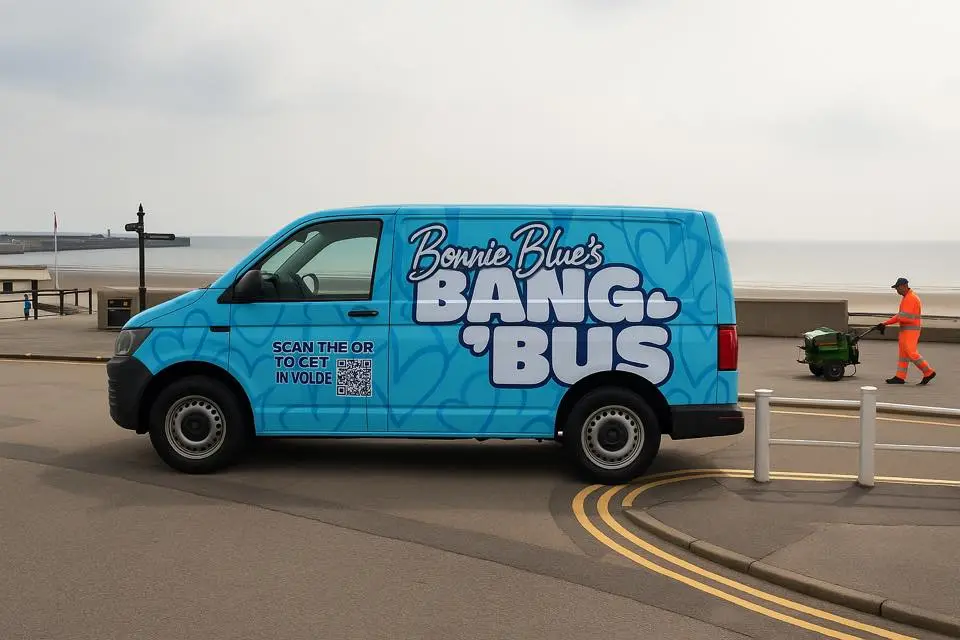
7. A Global Warning: Solo Travel Isn’t Dangerous — Overconfidence and Lack of Accountability Are
Bonnie Blue’s situation should not be seen as an indictment of solo female travel. Women around the world travel safely every day. The real problem is when independence becomes recklessness, freedom becomes defiance, and confidence becomes blindness to risk. When travellers adopt a mindset of zero accountability, to the law, to cultural norms, or to their own safety, solo travel becomes a breeding ground for danger. Bonnie’s story, amplified worldwide, is a stark reminder of what happens when the fantasy of “I can do anything alone” meets the reality of a country with strict legal boundaries.
)
)
)
)
)