'Bob Lazar, Roswell, Black Projects': Was B-2 Bomber made from alien tech?

One of the strangest claims is that the B-2 doesn’t just rely on normal jet engines. Some conspiracy circles suggest it secretly uses an “electrogravitic” propulsion system that reduces the aircraft’s weight.
The Roswell Connection
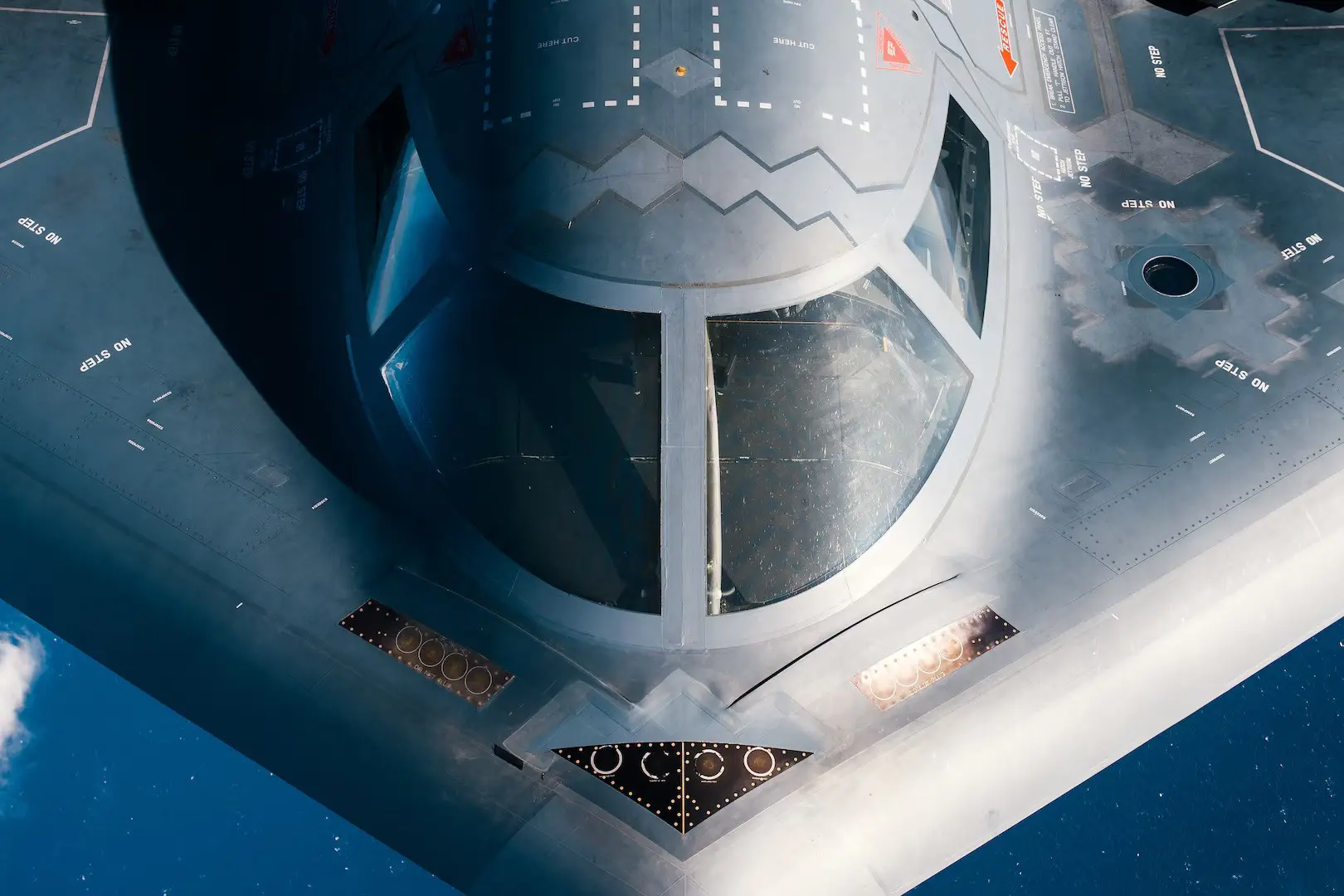
Conspiracy theorists often link the B-2 bomber’s futuristic “flying wing” design to the infamous 1947 Roswell UFO crash. They argue that America’s sudden leap in aviation technology wasn’t coincidental, and that the jet’s unusual look resembles descriptions of UFOs seen in the mid-20th century.
Invisible to Radar = Alien Invisibility?
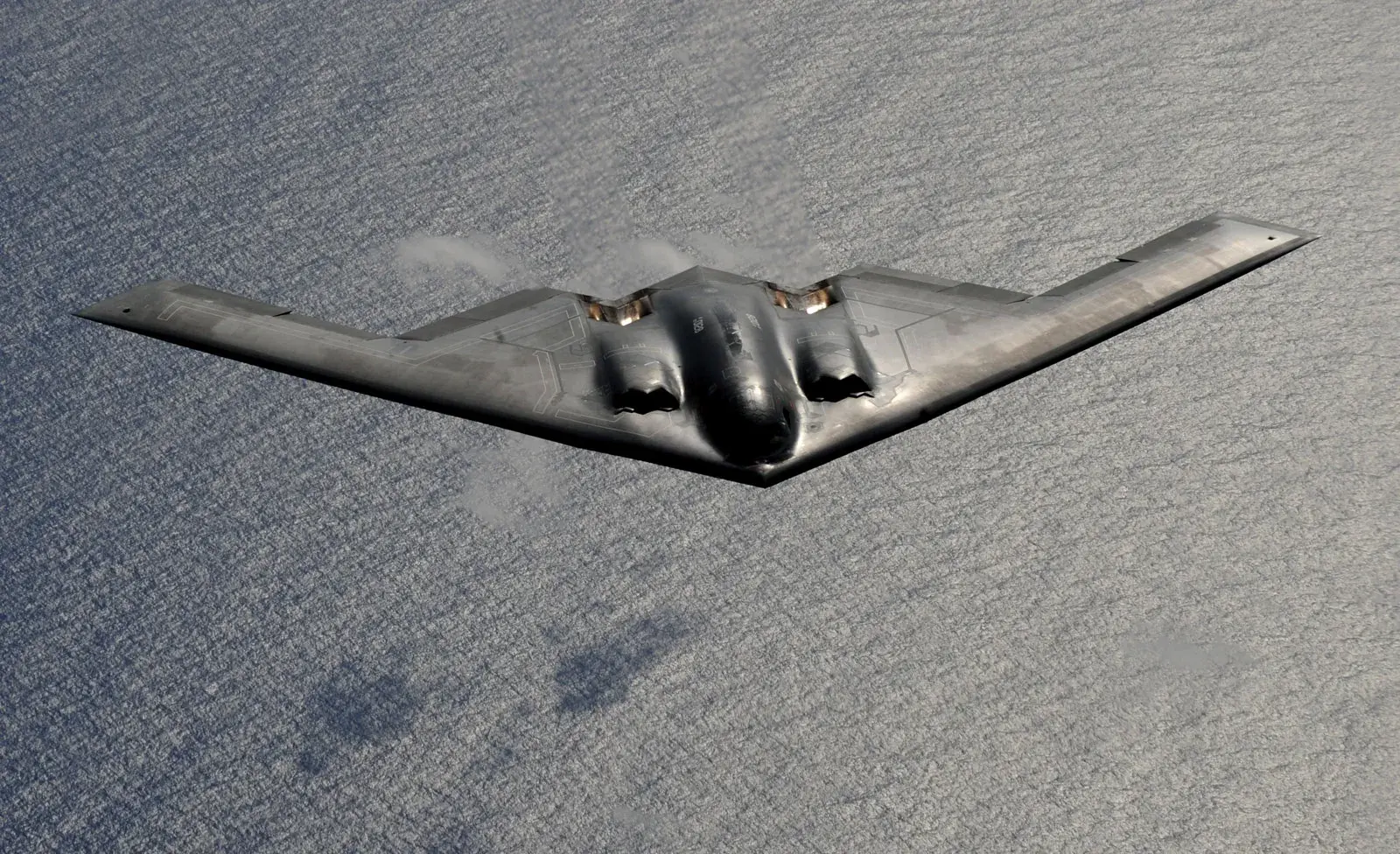
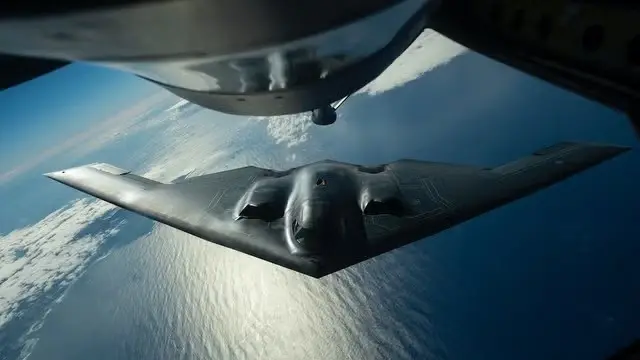
The B-2’s stealth coating can absorb radar waves, making it almost invisible to detection. While engineers credit cutting-edge materials and design, UFO believers insist the technology feels too advanced for the 1980s. To them, this “invisibility cloak” looks like something borrowed from extraterrestrial science.
Anti-Gravity Theories
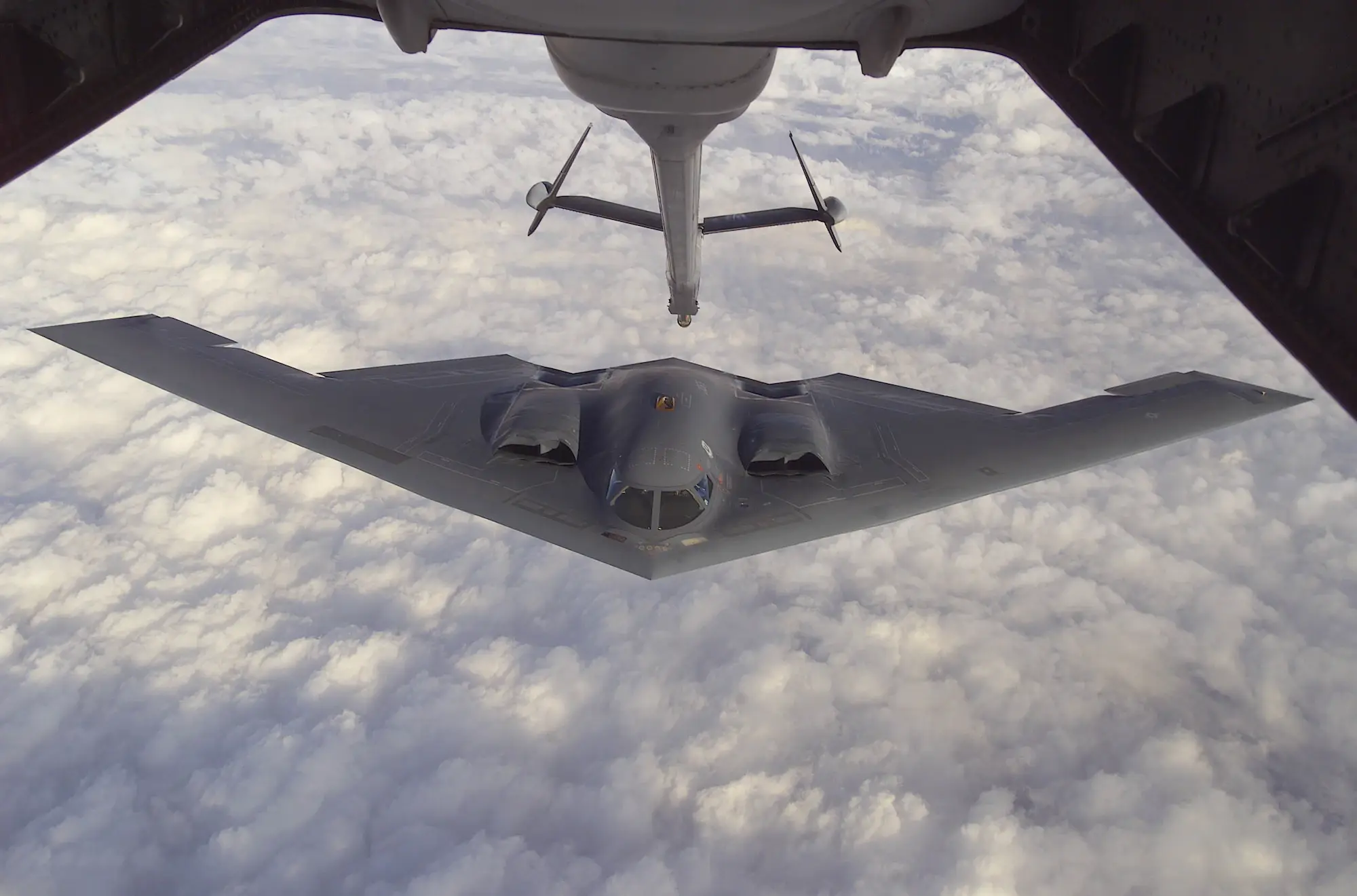
One of the strangest claims is that the B-2 doesn’t just rely on normal jet engines. Some conspiracy circles suggest it secretly uses an “electrogravitic” propulsion system that reduces the aircraft’s weight. According to them, this mirrors propulsion systems supposedly recovered from alien spacecraft.

The Bob Lazar Factor
In the late 1980s, physicist Bob Lazar came forward claiming he worked at a secret facility called S-4, near Area 51, where the US allegedly studied alien spacecraft. Lazar described reverse-engineering propulsion systems that manipulated gravity. Conspiracy theorists often link his revelations to the timeline of the B-2 program, suggesting that at least some of the bomber’s mysterious capabilities may have come from experiments with recovered alien tech.
Flying Wing Before Its Time
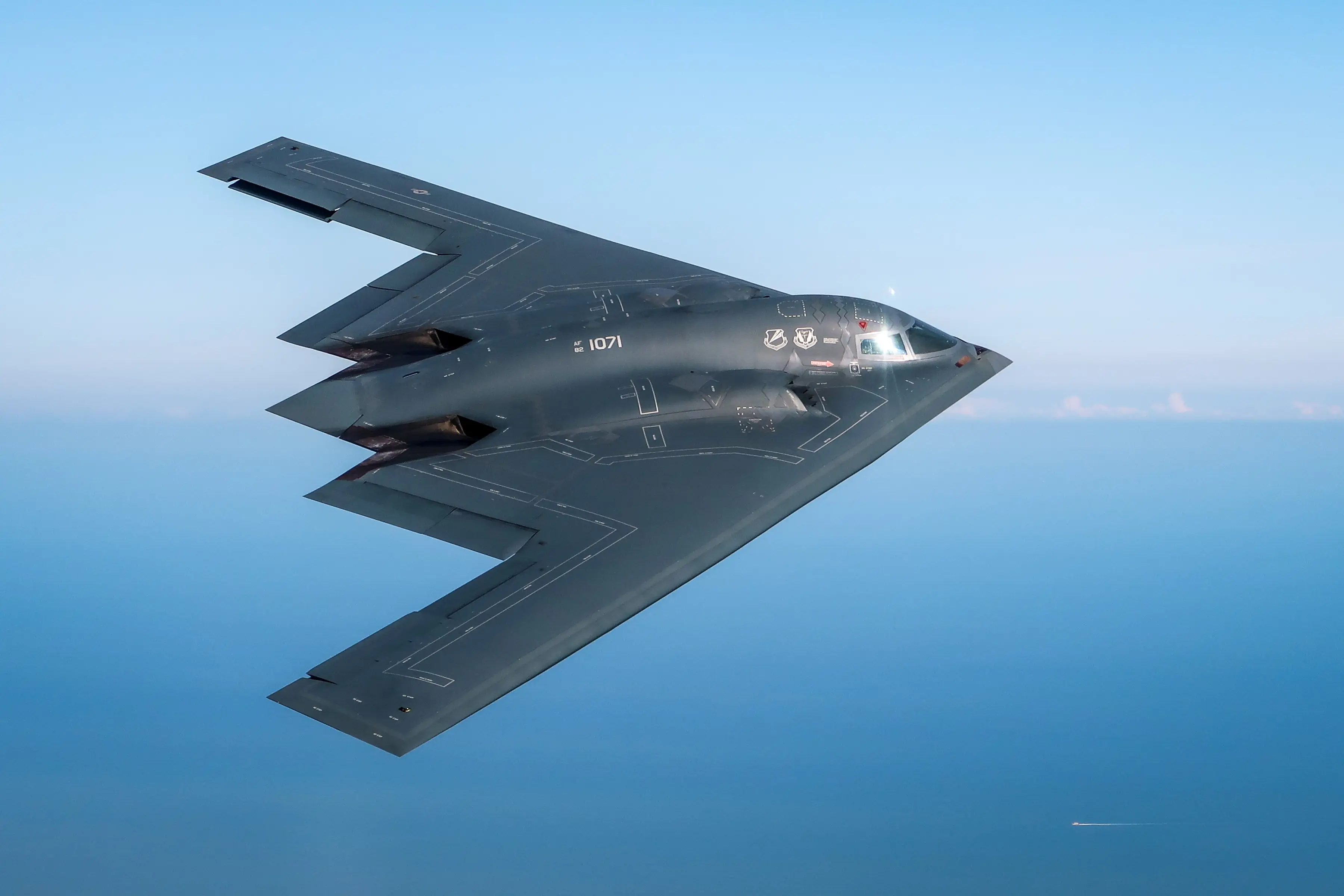
When the B-2 was unveiled, its flying wing shape shocked the world. At a time when most jets still had traditional fuselages and tails, the bomber looked decades ahead of its era. Critics of the official narrative argue such a radical leap in design hints at hidden knowledge not entirely human in origin.
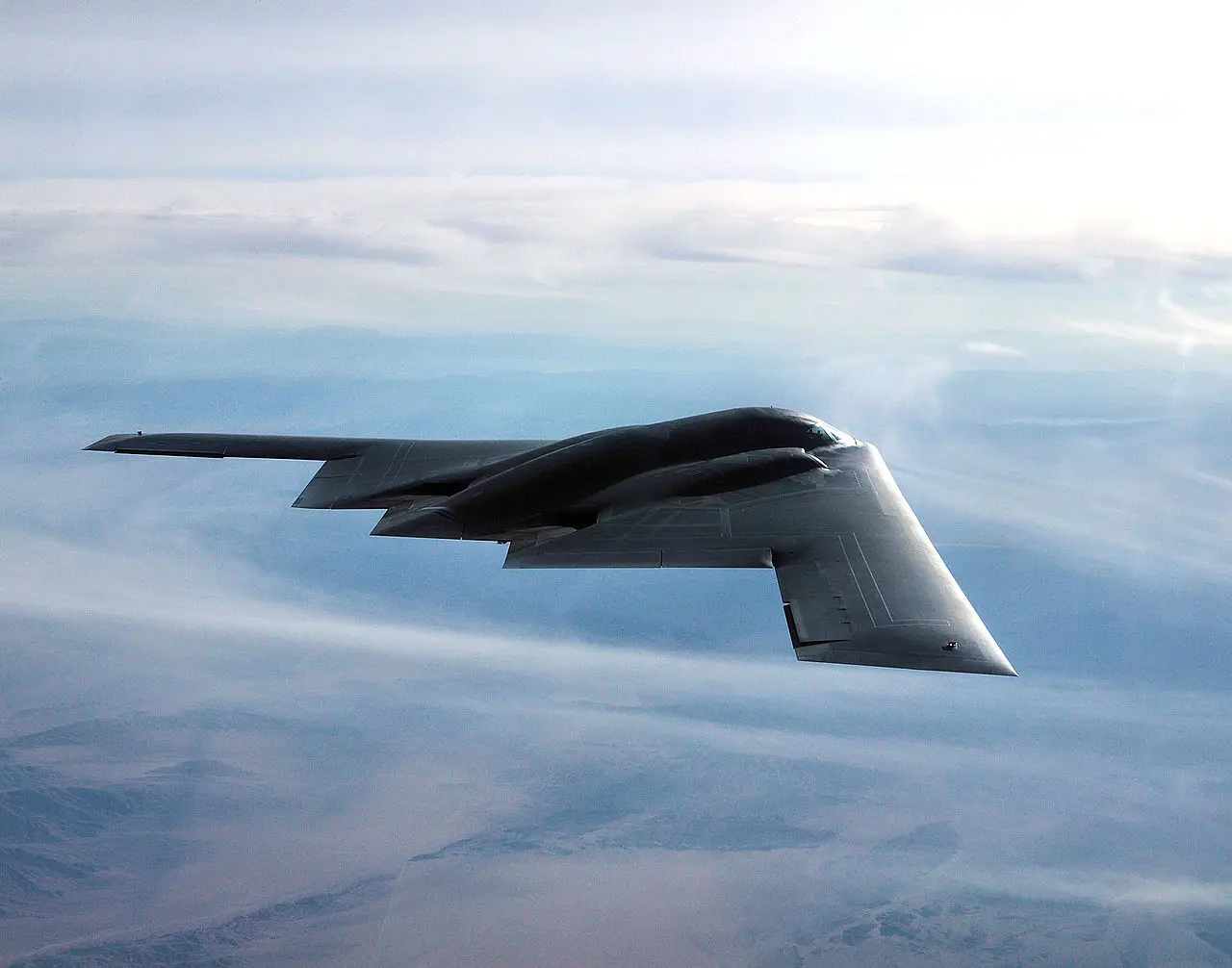
Billions for Black Projects
During the Cold War, the US government poured billions into “black budget” projects, secretive programs shielded from public scrutiny. Some believe these funds supported experiments with alien wreckage at facilities like Area 51, eventually feeding into the B-2 program and making the bomber part of a larger extraterrestrial puzzle.
NASA & UFO Scientists Weigh In
Mainstream aerospace experts dismiss these ideas, attributing the B-2’s success to human innovation in aerodynamics, materials science, and computer modelling. Yet, UFO researchers point to strange military patents describing propulsion methods that sound closer to science fiction than conventional engineering, keeping the debate alive.
The Ultimate Mystery Jet
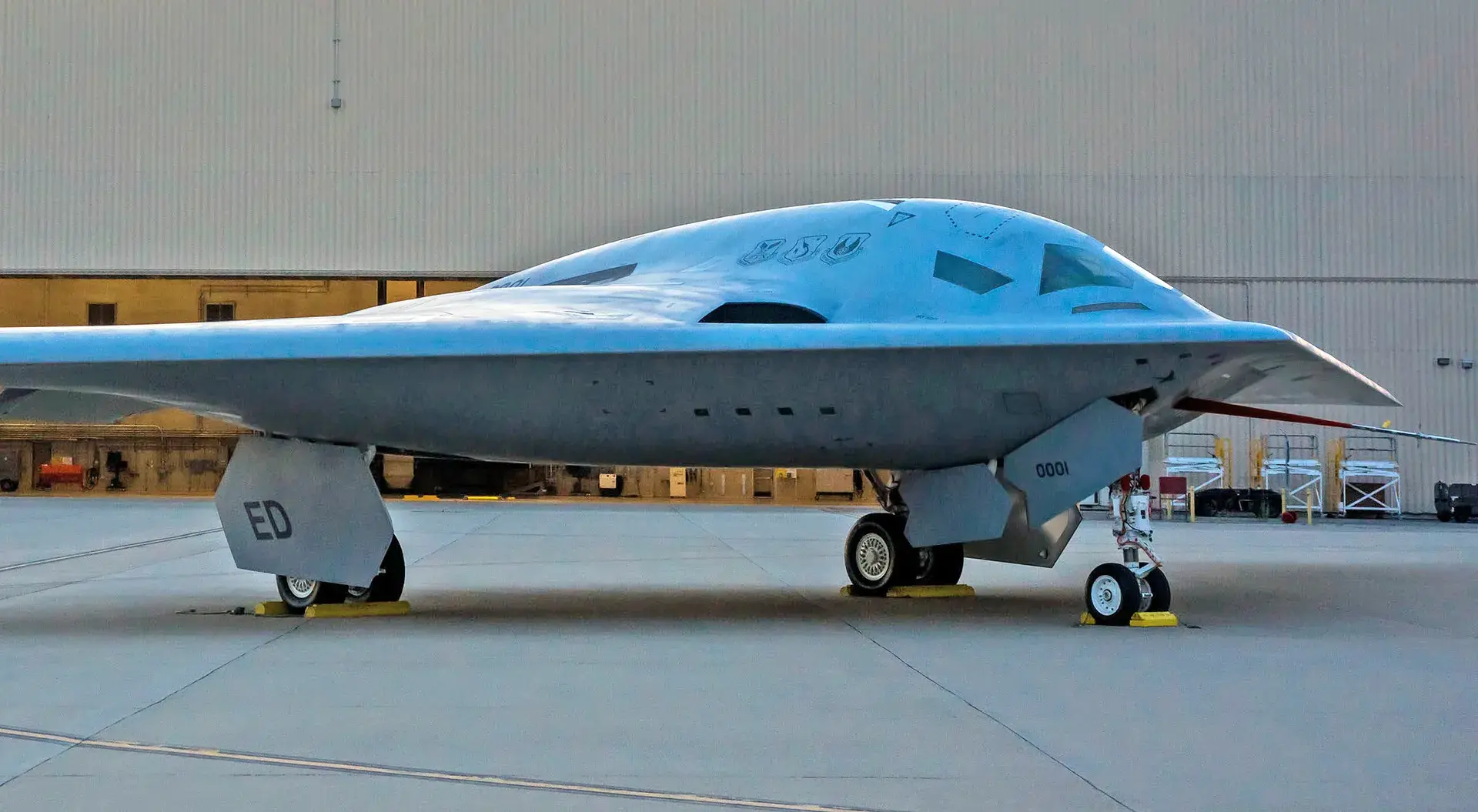
What remains undeniable is that the B-2 is still one of the most secretive aircraft ever built. Whether it emerged from alien blueprints or the peak of human genius, the bomber’s origins remain surrounded by mystery and that aura continues to fuel conspiracy theories that refuse to die.
)
)
)
)
)